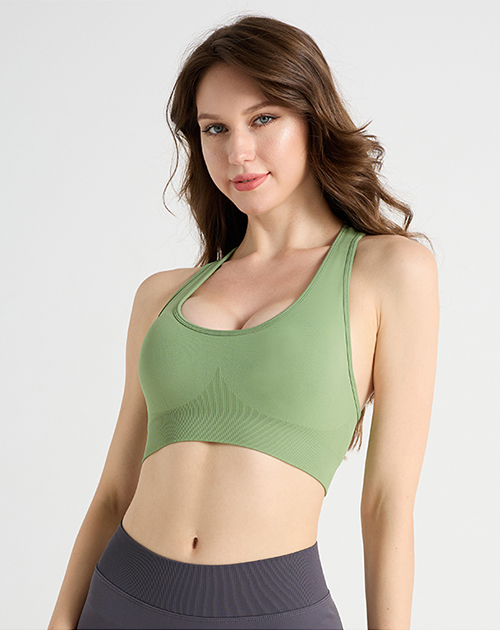
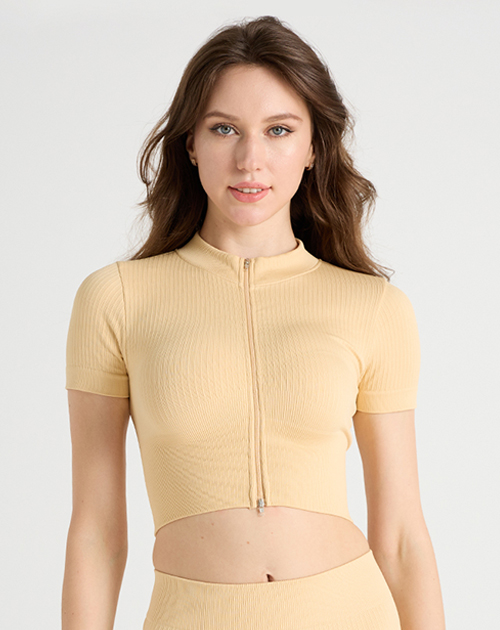
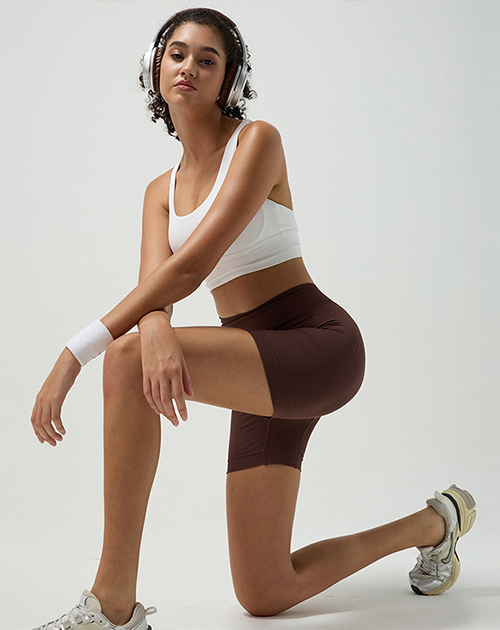
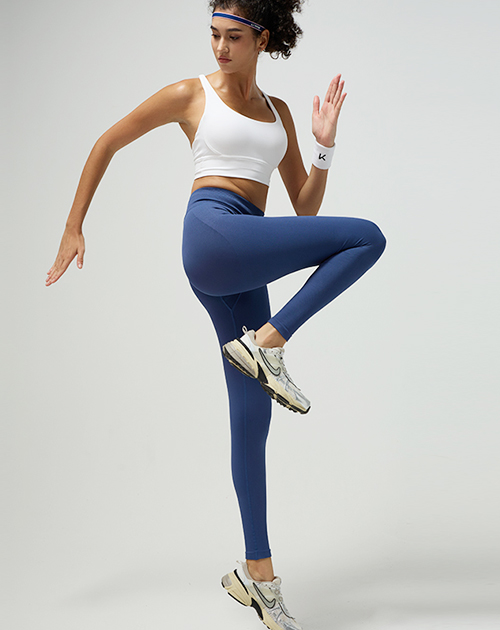
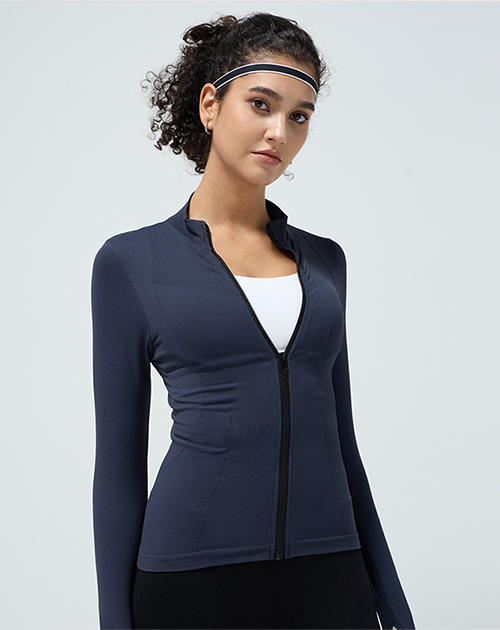
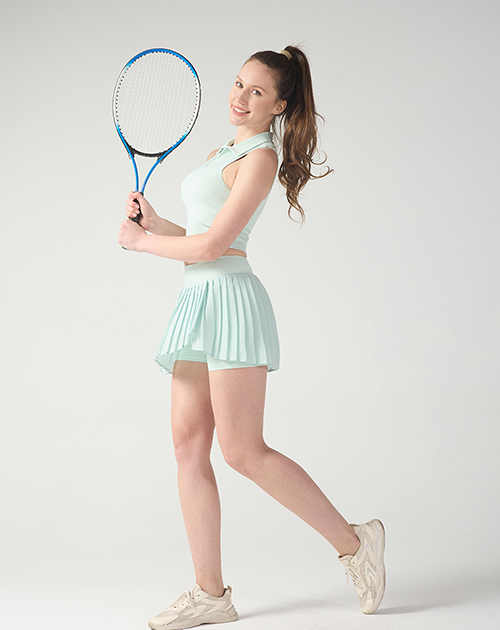
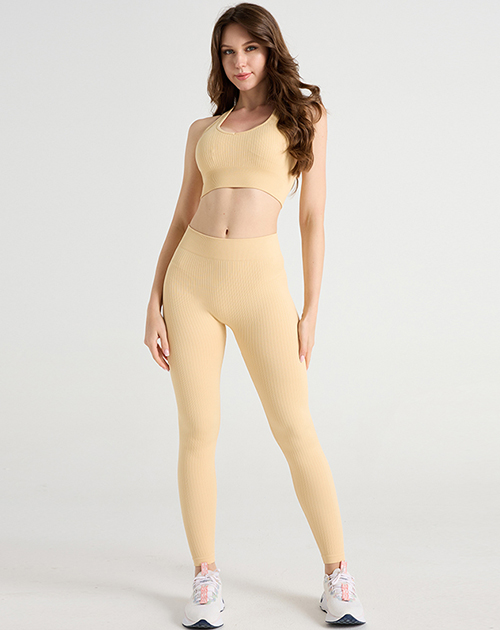
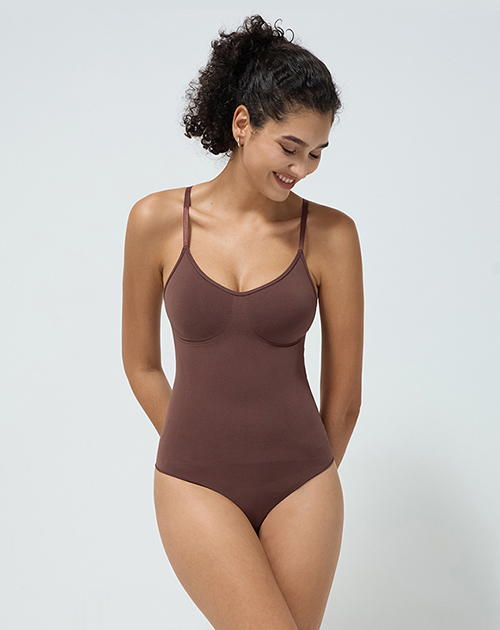
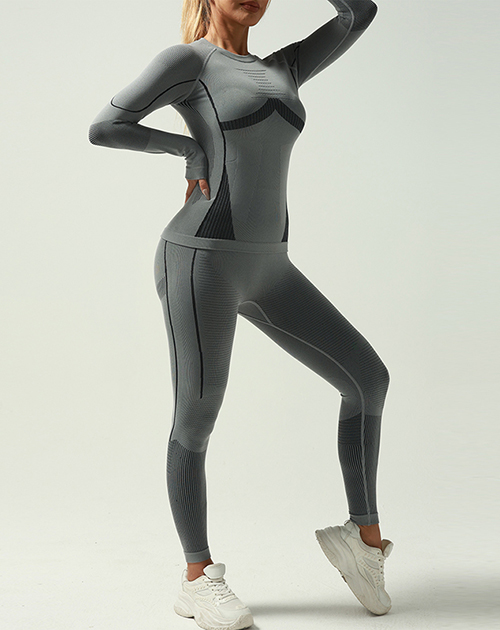
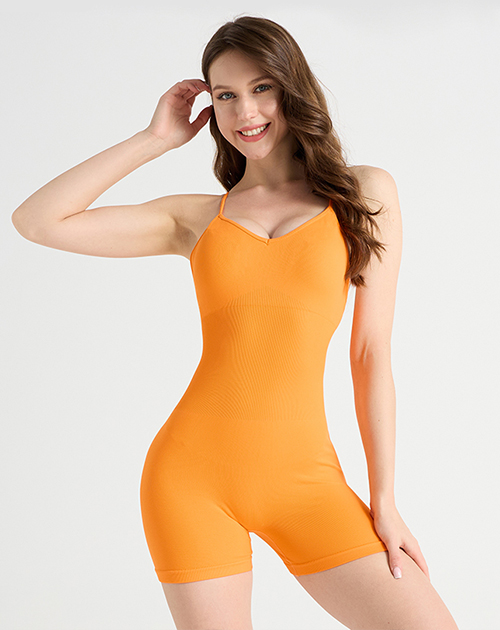
When you step onto your mat, the last thing on your mind should be whether your waistband is rolling down or your top is riding up mid-pose. Yet that is exactly what happens when the fit is wrong. Choosing great Yoga Outfits for Women is less about chasing trends and more about understanding what your body actually needs — the fabric that moves with you, the cut that stays put, the support that lets you breathe easy from your first warrior pose to your final savasana. Yoga is more than just a physical workout; it connects your mind, body, and spirit in ways that cheap, ill-fitting gear can quietly undermine. When your clothes fit well and feel good, you stop tugging at waistbands. You stop wondering if something is see-through during a deep stretch. That freedom is not a luxury — it is the whole point. Whether you are new to the mat or a seasoned practitioner, getting these fundamentals right makes every session feel noticeably different.
Think about it this way: clothing that works with your body disappears during practice. Clothing that does not work becomes the practice — because half your attention is spent managing it. Proper yoga attire is especially important during inverted poses, where a sliding neckline or a slipping waistband can pull your focus entirely. Beyond the obvious comfort factor, the right gear can genuinely boost confidence. Moving freely, without restriction or worry, changes how you hold poses, how long you stay in them, and how present you feel throughout the session.
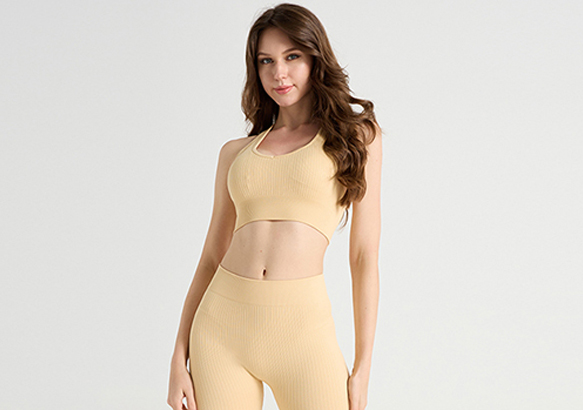
There is also a practical dimension that often gets overlooked. Yoga involves a wide range of movements — deep forward folds, twists, inversions, balances — and your clothing needs to accommodate all of it without giving way. Four-way stretch fabrics that rebound after a deep lunge, sports bras that hold steady through a vigorous flow, leggings with gusset construction that do not split or chafe: these are not extras. They are the baseline. Getting the gear right means getting out of your own way.
Before diving into specifics, run through these points whenever you are evaluating a new piece. None of them require expert knowledge — just a few deliberate questions:
Fabric is arguably the single decision that shapes everything else. The right material keeps you comfortable; the wrong one turns a great class into a distraction. Cotton, for instance, is soft and familiar — but it absorbs moisture, becomes heavy, and causes chafing during sweaty sessions. Avoid it for anything beyond a gentle, low-heat practice. Performance fabrics behave entirely differently, and understanding the key distinctions saves a lot of returns.
| Fabric | Key Strengths | Where It Works | Watch Out For |
|---|---|---|---|
| Nylon blend | Durable, fast-drying, smooth feel | High-sweat classes, frequent washing | Can feel less breathable in hot conditions |
| Polyester blend | Moisture-wicking, holds shape well | Active flow, vinyasa, power yoga | May retain odor over time without special care |
| Spandex / Elastane | Excellent stretch and recovery | Blended into most performance fabrics | Excessive use can weaken structure |
| Cotton or bamboo blend | Soft, breathable, gentle on skin | Yin, restorative, meditation, low-sweat classes | Holds moisture; not ideal for sweaty practices |
| Technical finishes (anti-odor, brushed interior) | Adds comfort or hygiene benefit | Suitable for all practice types | Finishes can fade with harsh washing; cold water is safer |
The spandex percentage is worth paying attention to specifically. A blend with roughly 15 to 25 percent spandex in a nylon or polyester base tends to offer the stretch-and-recovery balance that active practice demands — enough give for a deep lunge, enough rebound that the fabric does not sag by the end of class. Anything below that range and you may notice the material pulling or losing shape after repeated wear.
The class you attend changes everything about what fabric will serve you well.
Fit is where many purchases go wrong, and it is entirely fixable once you know what to look for. One common myth worth addressing directly: tighter does not automatically mean better support. Clothes that are too tight restrict movement — especially in deep stretches — and can make breathing uncomfortable. The right fit feels secure without constriction. It moves with your body rather than working against it. On the other end of the spectrum, excessively loose clothing shifts around during poses and demands constant readjustment — which is its own kind of distraction. The goal is a fit that becomes invisible the moment you start moving.
Compression fit holds fabric closer to the body, reducing movement during fast sequences — a practical choice for vinyasa, power yoga, or any class with frequent transitions. It should feel supportive, not suffocating. Relaxed fit, on the other hand, offers more air circulation and freedom in the hips and thighs. It suits yin yoga, restorative practice, or practitioners who find compression uncomfortable during long, static holds. Neither is inherently better; the right answer depends entirely on what you are doing on the mat.
Try a bridge or low lunge and look for bunching, pulling, or seam slippage.
Every body is unique, and yoga wear reflects that reality with varying degrees of success depending on the brand. Hourglass figures, pear shapes, petite frames, taller builds — each brings different needs to a fitting room. Some women need extra chest support. Others find that certain waistbands simply will not hold position during movement. Recognizing your body's particular requirements is not vanity; it is practical research that saves both time and money.
Petite frames, for instance, often do well with cropped pants or shorter inseams that do not overwhelm proportions. Taller practitioners may find that standard-length tops ride up during overhead movements, making longer cuts worth seeking out specifically. Curvier builds tend to benefit from high-waisted styles with plenty of stretch — they provide the support needed through deep poses without digging in or rolling down. More and more brands are expanding their size ranges, which means finding well-constructed pieces that actually work for your body is genuinely more achievable now than it used to be.
Another myth worth dismantling while we are here: darker colors are not universally more flattering. That idea has been repeated so often it feels like fact, but the right color is simply the one that makes you feel ready to practice. A bold print or a bright shade can be just as confidence-building as a classic black set — and confidence, it turns out, is more flattering than any specific shade.
Not all sports bras are made equal, and choosing the wrong support level for your bust size or practice intensity is one of the most common fit mistakes — and one of the most disruptive during class. A bra that seemed fine during a try-on in a dressing room can become a real problem during a fast-paced flow or an inversion sequence.
| Option | Pros | Cons |
|---|---|---|
| Built-in shelf bra (in tank or top) | Streamlined look, one less layer | Limited support for fuller busts |
| Separate sports bra | Fully adjustable, broader support range | Extra layer in warm or hot classes |
A workable middle path: a medium-to-high support sports bra worn under a loose or fitted tank. The tank can come off in warmer studios; the bra provides the real structural support underneath. For women with a smaller bust, a lightweight bralette under a fitted tank may be all that is needed, especially during slower practices.
Fitted tops and tanks are generally the more practical choice. They stay in place during inversions, do not fall forward during forward folds, and allow you to see your body's alignment during standing poses — which matters more than it might seem when you are trying to notice and correct form. That said, some women strongly prefer the relaxed feel of a looser top, particularly for gentler practices or restorative classes where alignment cues are less central.
Cropped tops pair naturally with high-waisted leggings and show a little skin without feeling exposed — a combination that has become genuinely popular for good reason. Longer tops provide more coverage, which some practitioners prefer for floor work or transitions between poses. Sleeve length is largely personal: full sleeves suit cooler studios, while sleeveless options maximize airflow during intense sessions. As for necklines — a scoop neck softens the upper chest area visually; a V-neck creates length at the neck. Neither is a rule, but knowing the effect helps when choosing between two otherwise similar options.
Opacity is a real concern, and it is worth testing deliberately rather than discovering the problem mid-class. The squat test is the most reliable method: stretch the fabric over your forearm, hold it up to a bright light or phone flashlight, and check whether skin shows through clearly. If it does in that context, it will during a forward fold in class.
A few other points to check specifically:
Yes — with the right foundational pieces. A neutral base (black or charcoal leggings) pairs with almost anything and can move from mat to coffee run without adjustment. Reserve patterned or bolder items for the top layer, where they add personality without limiting how the outfit reads outside the studio. A lightweight zip jacket or cardigan layered over a sports bra provides enough coverage for everyday wear while folding neatly into a bag during class. Slip-on shoes and a tote bag handle most of the transitional work without a full outfit change. One practical boundary worth noting: very cropped tops tend to read as studio-specific. A mid-length or slightly longer top sits more comfortably in everyday contexts.
| Practice Type | Fabric Priority | Coverage | Support Level | Worth Prioritizing |
|---|---|---|---|---|
| Hot yoga | Fast-dry, lightweight | Minimal | Medium to high | Secure straps, strong moisture management |
| Vinyasa / Power yoga | Performance blend | Full length or 7/8 | Medium to high | Stay-put waistband, seam placement |
| Yin / Restorative | Soft, breathable | Full length | Light | Layering options, gentle seams |
| Hybrid (yoga + strength) | Four-way stretch | 7/8 or shorts | Medium to high | Pocket, flat waistband profile |
| Gentle yoga / Meditation | Cotton or bamboo blend | Any | Light | Comfort over compression |
A few pieces that rarely get mentioned but make a consistent difference:
Buying yoga wear without being able to move in it first carries obvious risk. A few habits reduce that risk meaningfully:
The right yoga outfit does not announce itself — it simply disappears, letting you focus on your practice rather than what you are wearing. Getting there requires a few deliberate choices: fabric matched to your class type, a fit that moves with your body rather than against it, support calibrated to your actual needs, and the small finishing details (a gusset, a secure waistband, an opacity-tested fabric) that separate a genuinely useful purchase from a frustrating one. Start with the foundations. Build from there. Brands that take construction seriously — that design for a real range of bodies and practice styles rather than a single idealized customer — make that process considerably easier. Jinhua Yongxing Knitting Co., Ltd approaches Yoga Outfits for Women with exactly that kind of considered craftsmanship, developing knitted fabrics and apparel built to perform across diverse body shapes, intensity levels, and movement demands, so that whatever you bring to the mat, your gear is quietly, reliably there to support it.
Copyright © Jinhua Yongxing Knitting Co., Ltd.
 Seamless Yoga Sets


 English
 русский
 Español