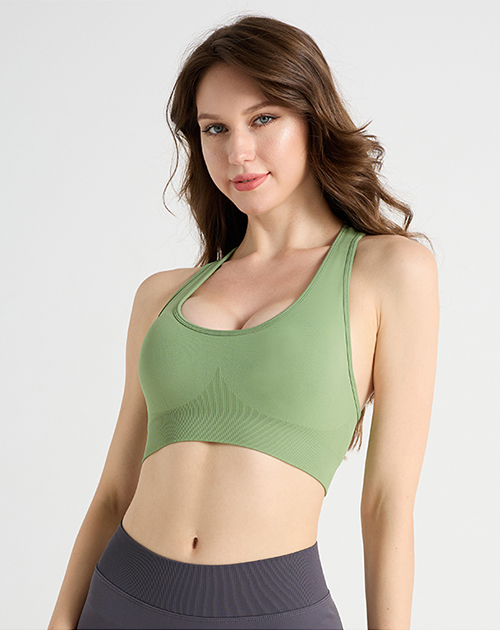
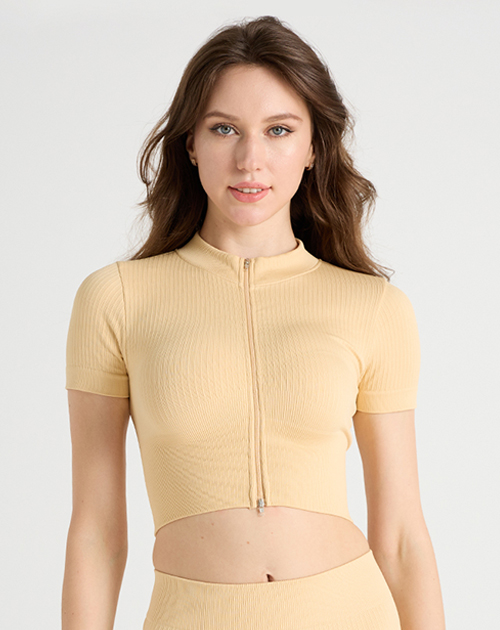
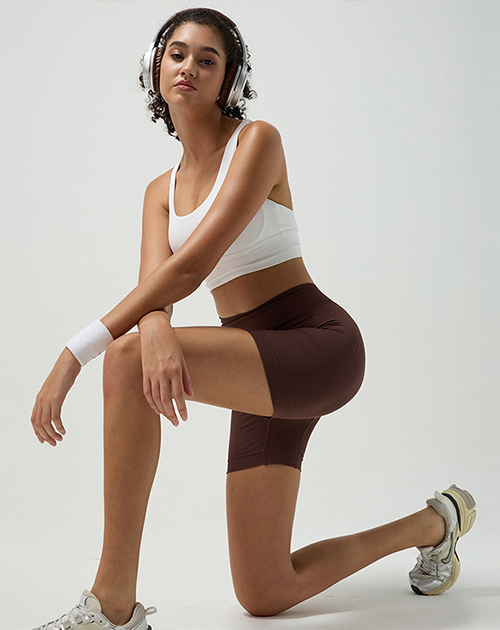
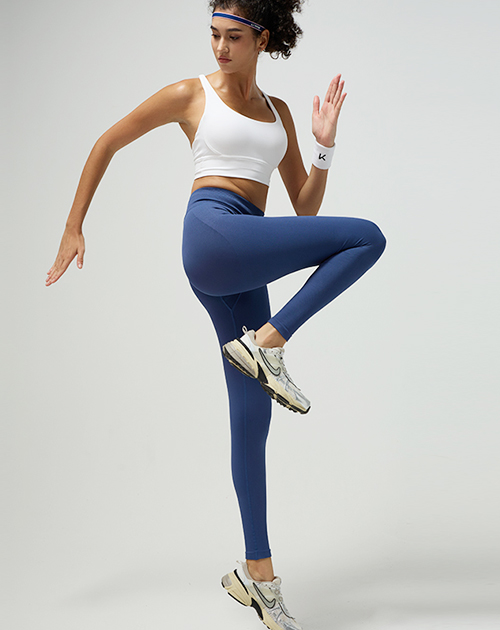
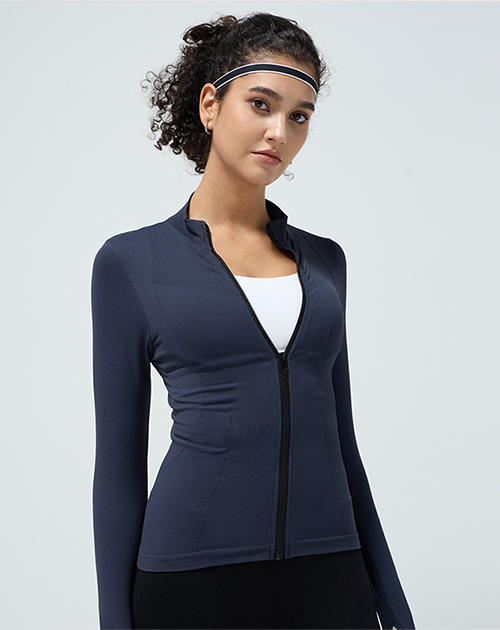
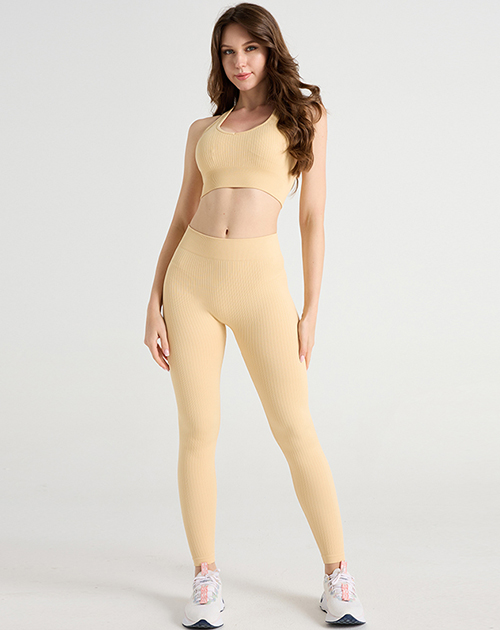
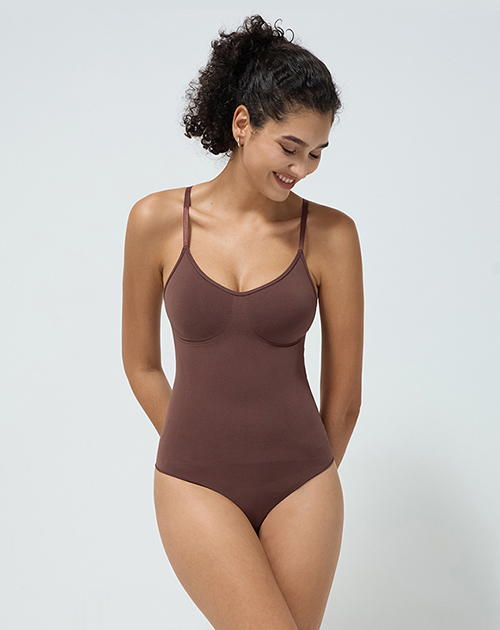
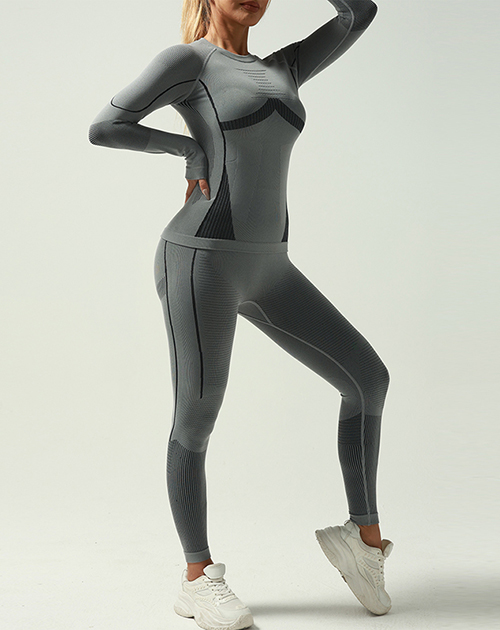
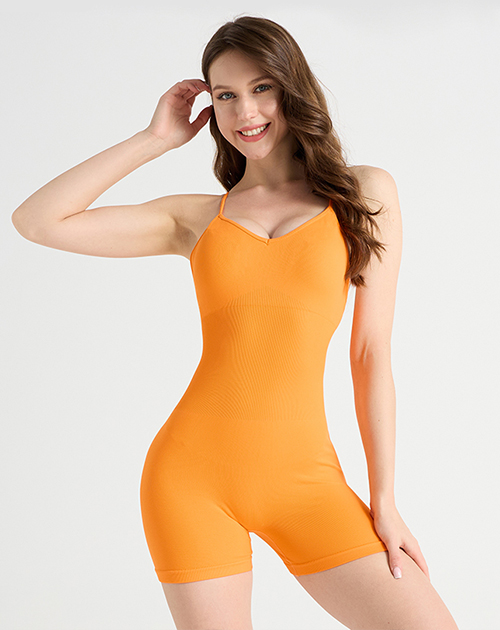
The market is full of Eco-friendly Seamless Activewear. Brands use words like “green” and “sustainable.” They put leaves on their tags. It is hard to know what is real. Many claims are just marketing. This is called greenwashing. It makes shoppers confused. They want to make a good choice. But they cannot trust the labels. This article will help. We will look at five real signs. These signs show true sustainability. They go beyond the words. They look at the facts.
The first sign is transparency. Where do the materials come from? A real sustainable brand will tell you. They will name their sources.
Many clothes use recycled polyester. This is good. It uses plastic bottles instead of new oil. But the story does not end there. Ask this: what type of plastic bottles? Where were they collected? How are they cleaned and processed? A serious brand knows these answers. They can tell you if the bottles came from ocean clean-ups or from post-consumer waste streams on land. They can explain the processing method.
Another common material is organic cotton. But “organic” has a specific meaning. It should mean grown without synthetic pesticides. It should mean farming that helps the soil. A trustworthy brand will often have a certification. They might use GOTS (Global Organic Textile Standard). This certification checks the entire process. It checks from the farm to the finished fabric.
For Eco-friendly Seamless Activewear, the yarn is key. Seamless garments are knit in one piece. The yarn quality decides everything. Ask if the yarn is made from recycled pre-consumer waste. This is waste from factory floors. Or is it from post-consumer waste? This is waste from used products. Post-consumer is better. It gives a second life to something that was thrown away. Brands that use post-consumer materials will say so. They are proud of it.
Look on the brand’s website. Do they have a page called “Materials” or “Our Fabrics”? Is it detailed? Do they name their suppliers? This openness is the first mark of truth.
The second sign is about how the clothes are made. Making clothes uses lots of energy and water. A sustainable brand works to reduce this.
Think about a seamless garment. It is made on a digital knitting machine. These machines are efficient. They create less fabric waste than cutting and sewing. But they still use electricity. Where does that electricity come from? Some factories now use solar or wind power. A brand that cares will choose such factories. They might say their products are “made with renewable energy.”
Water is a bigger issue. Dyeing fabric uses huge amounts of water. It also creates chemical runoff. Sustainable dyeing methods exist. One method is called “waterless dyeing.” It uses supercritical carbon dioxide instead of water. Another method uses recycled water in a closed-loop system. The dirty water is cleaned and used again. Nothing is dumped into rivers.
A good brand will talk about their dyeing process. They will explain how they save water. They will tell you if they use safe, non-toxic dyes. Look for certifications like Bluesign. This certification means the factory controls its chemicals, emissions, and worker safety.
The manufacturing location matters too. Clothes made closer to where they are sold have a smaller transportation footprint. Some Eco-friendly Seamless Activewear brands manufacture in their home countries or regions. This supports local economies and reduces shipping pollution.
The third sign is durability. The most sustainable garment is the one you wear for years. Fast fashion falls apart quickly. You throw it away. It ends up in a landfill. True sustainability means building clothes to last.
Eco-friendly Seamless Activewear must be strong. The fabric must handle stretching and washing. The colors must not fade. The shape must not sag. This comes down to engineering.
Check the fabric composition. A blend of recycled nylon and spandex can be very durable. Nylon is strong. Spandex gives stretch. The quality of the yarn spinning matters. High-quality yarn has long, strong fibers. It resists pilling. Pilling are those little balls of fuzz that form on fabric.
Look at the garment's construction. Even though it is seamless, check the areas of high stress. These are the waistband, the cuffs, and the seams at the gusset (in leggings). Are they reinforced with a tighter knit? A double layer? This shows the brand planned for long-term wear.
A brand confident in durability will often offer a warranty. They might guarantee the product against defects for a year or two. This shows they trust their own work. They expect the garment to last.
The fourth sign is often forgotten. What happens to the garment when you are done with it? A linear system is: take, make, waste. A circular system is: take, make, reuse, recycle.
True sustainable brands think about this end point. They have a plan. Some brands offer a take-back program. You can send your old leggings or sports bra back to them. They will recycle the material into new yarn. This is closing the loop.
Other brands design for disassembly. They make garments from one type of material. A leggings made only from recycled polyester is easier to recycle than a blend of many fibers. The technology for recycling fabric blends is still developing.
Some brands are honest. They will say their product is not yet recyclable. But they are investing in research to find a solution. This honesty is better than a false claim.
When you buy Eco-friendly Seamless Activewear, ask: what should I do with this when it wears out? The brand’s answer to this question is very telling.
The fifth sign looks at the bigger picture. Sustainability is not just about the product. It is about the people who make it and the company’s overall impact.
How are the factory workers treated? Do they earn a fair wage? Do they work in safe conditions? Look for certifications like Fair Trade or SA8000. These audit social standards in factories. A brand that values the planet should also value people.
Look at the company’s other actions. Do they offset their carbon emissions from shipping? Do they use recycled and plastic-free packaging? Do they support environmental charities? A company with a true sustainable mission will show it in many areas, not just one product line.
This holistic view separates a dedicated brand from one that just has a “green” collection. It shows sustainability is in their DNA, not just in their marketing department.
These five marks give you a map. You can look past the pretty words on the tag. You can ask the right questions. You can look for proof.
Look for transparency in materials. Look for care in manufacturing. Look for a promise of durability. Look for an end-of-life plan. Look for ethical company behavior. When you find a brand that hits all these marks, you have found something rare. You have found authenticity.
The search for real Eco-friendly Seamless Activewear leads to companies that do the hard work. It leads to companies that invest in better systems. It leads to innovation in recycling and clean energy. One company that follows this path is Yongxing. At Yongxing, the focus is on building activewear that meets these authentic marks. They start with traceable, recycled materials. They use low-impact dyeing methods in partner factories. They engineer their seamless garments for long life. They are working on circular solutions for their products. For the athlete who wants their performance wear to reflect their values, exploring what Yongxing is building offers a clear answer. It shows how technical apparel can be made with respect for both the body and the planet.
Copyright © Jinhua Yongxing Knitting Co., Ltd.
 Seamless Yoga Sets


 English
 русский
 Español