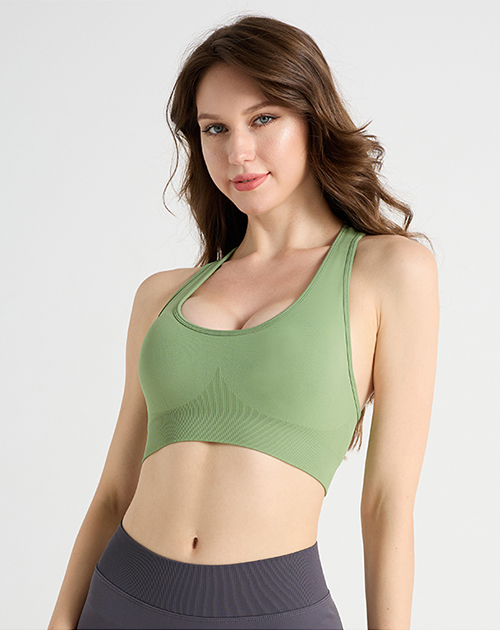
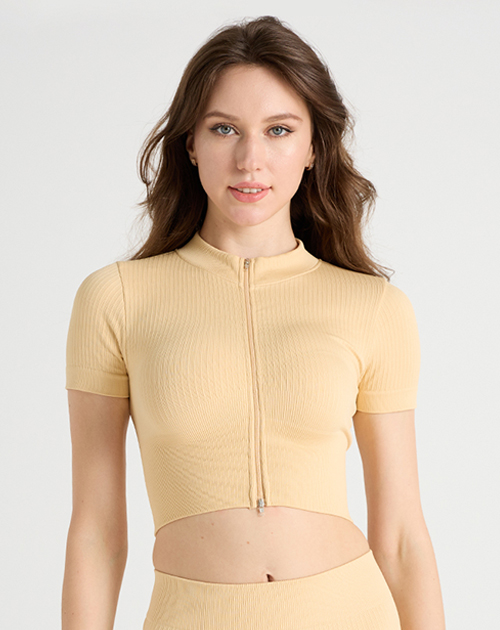
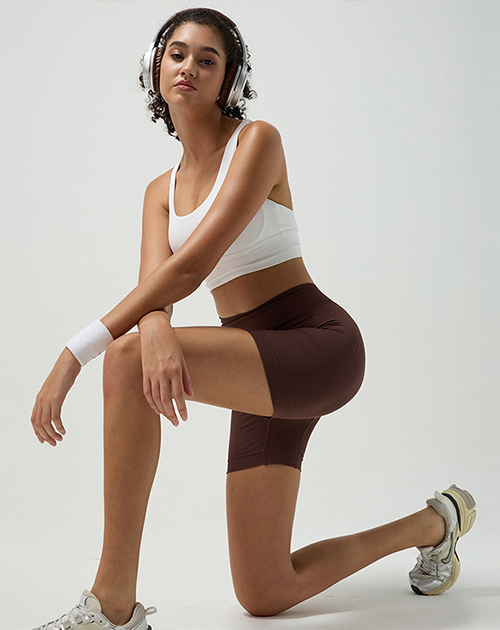
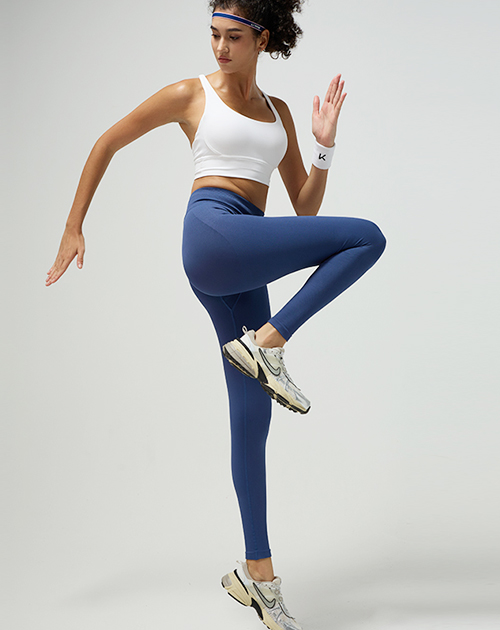
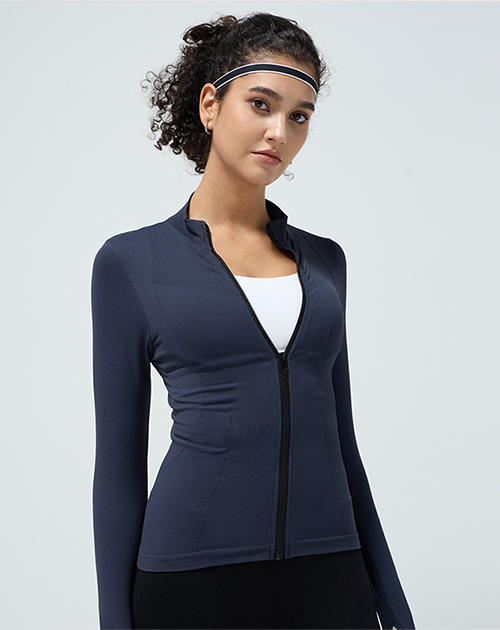
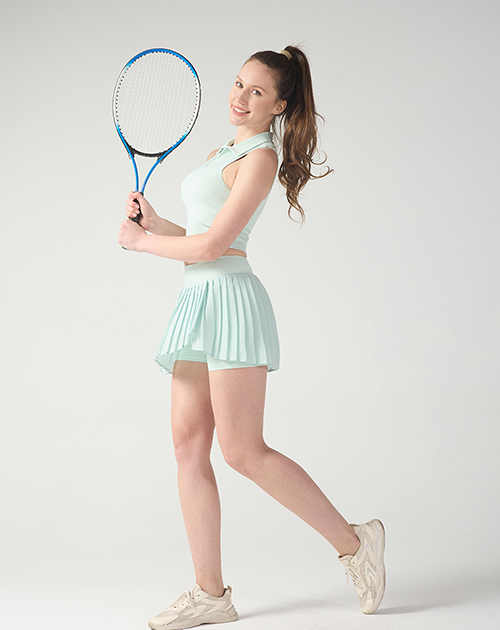
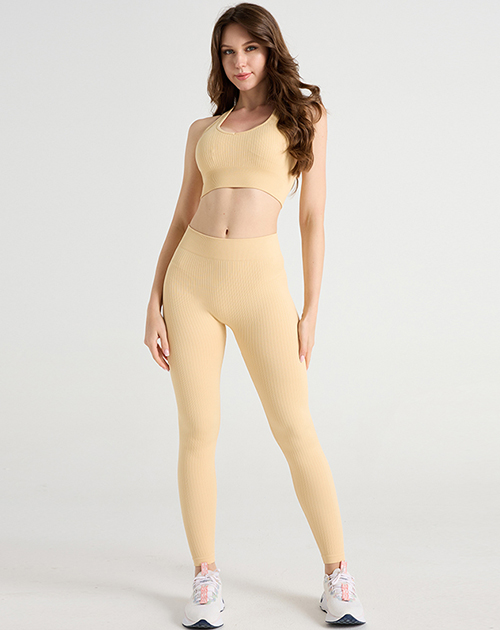
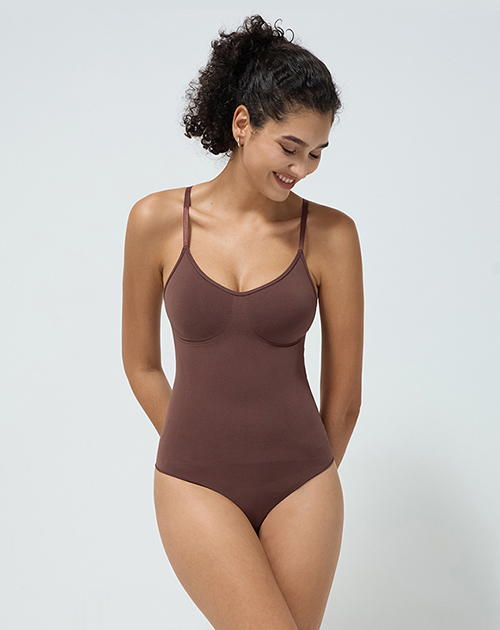
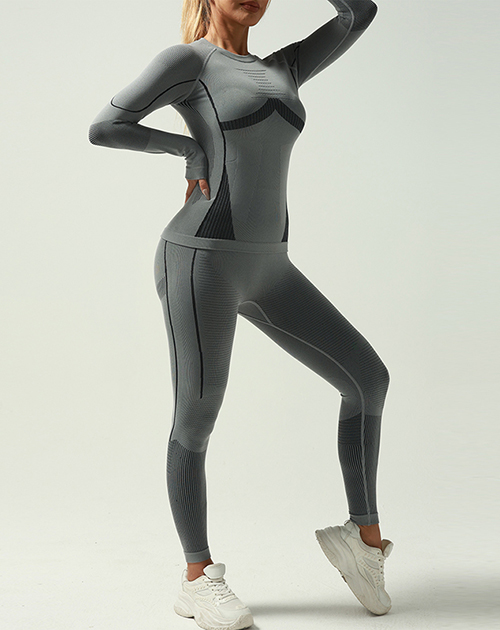
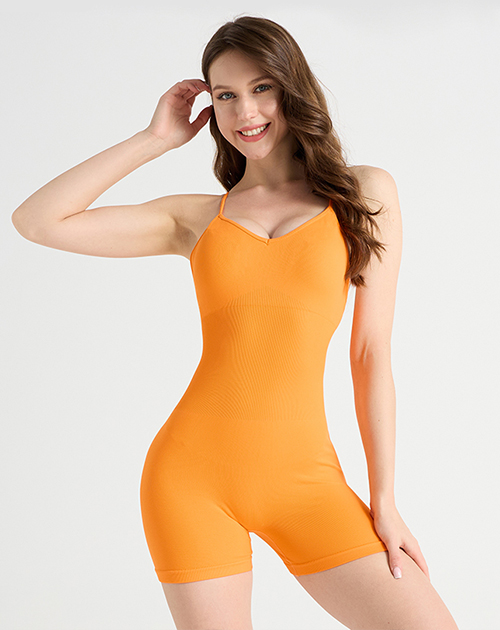
Here's the thing about this debate: it's gotten loud lately. Scroll through any fitness community and you'll find passionate opinions on both sides. The rise of Buttery Soft Workout Clothes has genuinely shaken up how women think about activewear — not just for yoga or lazy Sundays, but for real training. For actual sweating. So what's the real story? Is ultra-soft fabric a performance upgrade or a luxury compromise? And does traditional performance gear still deserve its reputation?Let's get into it .
It started as marketing language. Then people actually felt it, and suddenly it meant something.
Buttery Soft Workout Clothes are built from brushed polyester blends, modal, or microfiber — materials that go through a deliberate "brushing" process to raise the inner fiber surface into something close to velvet. The outside stays matte and smooth. The inside? That's what gets you. It's the kind of fabric that makes you pause mid-reach in a changing room, wondering if you've accidentally picked up sleepwear.
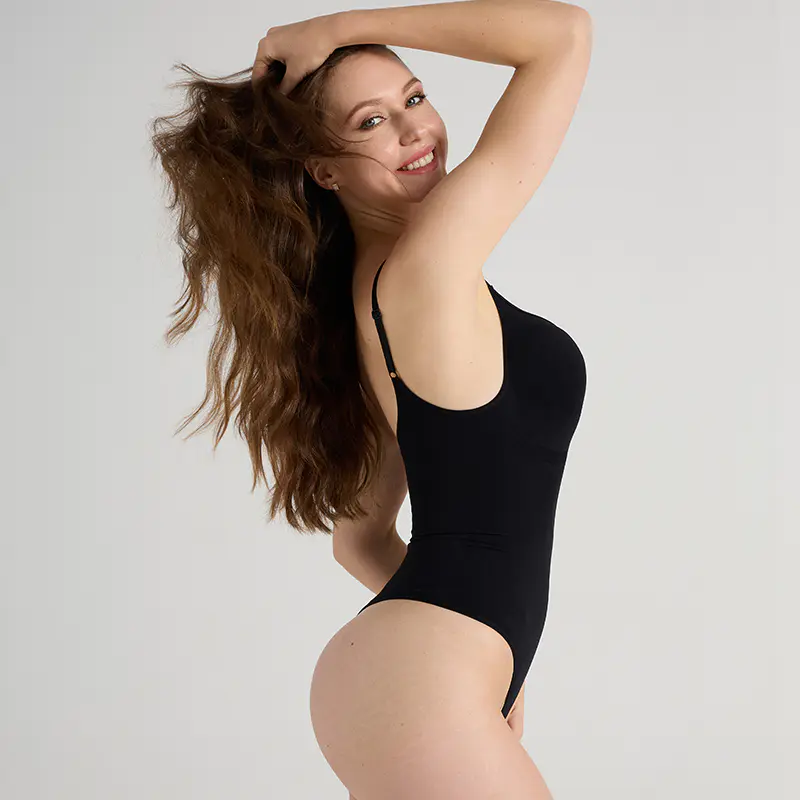
What makes it different isn't just the material — it's the construction. Four-way stretch. Gentle compression that wraps rather than squeezes. A knit structure dense enough to move moisture but soft enough that you'd never know it was doing any work. This isn't "comfortable because we gave up on performance." It's technically achieved comfort. There's a difference.
That said — quality varies wildly. A cheap version pills after ten washes and loses its shape by week three. A well-made piece? Still holding up after hundreds of laundry cycles, still soft, still supportive. The fabric type isn't the variable. The craftsmanship is.
Classic activewear didn't get boring by accident. Nylon-spandex blends, shiny compression tights, aggressive moisture-wicking fabrics — these were built for one thing: maximizing physical output. The feel is deliberate. Firm. Almost confrontational. Some people genuinely love that.
And there's real science behind the structure. Traditional compression targets specific muscle groups, manages high-output sweat aggressively, and holds up under the kind of friction that comes from trail running or outdoor boot camps in humid heat. When you're sprinting or lifting heavy, you want fabric that stays put, pulls sweat away fast, and doesn't shift during explosive movements.
The trade-off shows up later — during the cool-down, the commute home, the errand run you do still wearing your gym kit. Traditional fabrics can feel stiff when dry and oddly clingy when damp. They do their job in the moment. After the moment, they're less forgiving.
Buttery soft wins here, and it's not subtle. The brushed interior is immediately gentle — no break-in period, no "you'll get used to it." Sensitive skin types notice this most acutely. Traditional gear, especially compression tights with a tight glossy finish, can feel slightly abrasive until you're warmed up and moving.
This is where the engineering gap really shows. Traditional fabrics typically offer two-way stretch — fine for running in a straight line, less ideal when you drop into a deep pigeon pose or lunge sideways across a studio floor. Buttery soft fabrics stretch in four directions and spring back without going baggy. No stretched waistbands. No saggy knees three months in.
Traditional compression is a personality. It's intense. Great for marathon runners who want targeted support; less great when you're sitting in traffic afterward with red marks across your hip flexors. Buttery soft compression is more of a gentle hold — present, supportive, but not aggressive. For most yoga and Pilates sessions, it's genuinely sufficient. For heavy squats or long trail runs, some women prefer the firmer version.
Here's where traditional gear earns its keep. In high-heat outdoor training, aggressive wicking fabrics pull sweat rapidly and release it into open air. Fast. Effective. Buttery soft fabrics work differently — evaporation happens right at skin level, which actually feels better in climate-controlled studios, but slightly slower in full-sun conditions. Not a weakness exactly. Just a different mechanism for a different environment.
There's something worth naming here that doesn't get discussed enough: how fabric affects confidence in motion. When you're not tugging at a waistband or worrying about a seam digging into your hip during a seated forward fold, you move differently. More freely. Buttery Soft Workout Clothes have this strange effect of making movement feel almost frictionless — not just physically, but mentally. You stop thinking about the fabric and start thinking about the workout. Traditional gear can get there too, once you're fully warmed up and in the zone. But buttery soft tends to get out of the way faster.
There's a persistent idea that softness equals fragility. It makes intuitive sense — delicate things feel soft, rough things feel durable. But it doesn't hold up under scrutiny.
Premium Buttery Soft Workout Clothes are built with high-tenacity spandex cores and precision knit construction. The softness comes from surface finishing, not from weaker fibers. A well-made pair handles repeated washing, heavy stretch, and daily use without thinning or losing elasticity. The brushed interior stays brushed. The shape holds.
Meanwhile, traditional nylon blends aren't automatically immortal either. Lower-quality options develop a dingy, pilled look after regular washing — that once-crisp glossy finish going dull in patches, waistbands losing their snap. Quality matters in both categories. A well-constructed buttery soft piece outlasts a budget traditional one, every time.
Yoga, Pilates, barre, stretching. Buttery Soft Workout Clothes were practically made for this. Every movement — every fold, twist, and long hold — happens without resistance or distraction. The fabric doesn't ride up mid-warrior pose. It doesn't create friction during floor work. An hour-long session passes without you once thinking about what you're wearing. That's the goal.
Running, HIIT, outdoor training. Traditional gear still performs strongly here, particularly for high-sweat, high-impact sessions outside. That said — this category is shifting. Newer buttery soft blends engineered specifically for intensity are gaining loyal followers among runners and group fitness regulars who used to swear by classic performance fabrics. The gap is narrowing.
All-day wear, athleisure, travel. Not even close. Buttery soft wins this entirely. It looks polished enough to wear to brunch and feels comfortable enough to wear on a red-eye. Traditional gear in this context starts to feel like wearing your work uniform on a day off.
People say soft fabric isn't breathable. It's the opposite — the knit structure in quality buttery soft pieces often moves air more freely than a dense, glossy traditional fabric. Breathability is about construction, not hand feel.
People say soft means it won't support you. But support comes from how a fabric is cut and how the compression is graduated — not from how rough it feels. A well-designed buttery soft legging lifts and holds just as effectively as traditional gear for the majority of training scenarios. The women who've made the switch and gone back to back-to-back hot yoga classes in them tend to agree.
And the one that comes up most: soft equals less serious. Somehow wearing something comfortable signals that you're not working hard enough. This is just... not how fabric works. Discomfort during a workout isn't a sign of effectiveness. It's just discomfort. There's no prize for tolerating a waistband that digs in by the third set.
One more worth addressing — the idea that buttery soft styles are a trend that'll fade. Maybe. But the underlying demand for activewear that feels genuinely good to wear all day, performs during actual exercise, and doesn't look out of place outside the gym? That's not going anywhere. The category has matured. The fabrics have improved. Women have tried them and kept buying them. That's not trend behavior. That's a shift.
Reach for Buttery Soft Workout Clothes when skin comfort matters to you, when you're moving through a full range of motion, when you need something that looks good from 6am to 6pm without changing. Sensitive skin. Studio workouts. Long wear. Athleisure. All of the above.
Stick with traditional performance gear when you're training outdoors in serious heat, when you need maximum structured compression for heavy lifting, or when durability in rough conditions is a genuine priority. Cold weather layering. Trail running. Budget-friendly basics that take a beating.
Most active women — honestly — benefit from both. Not because you need to pick sides, but because different training days genuinely call for different fabric qualities.
No single fabric type dominates every scenario. Buttery Soft Workout Clothes are genuinely superior for comfort, all-day wearability, and low-to-mid intensity training. Traditional gear still earns its place in high-sweat, high-impact, outdoor-focused use cases. The real answer is less about which fabric wins and more about knowing what you're asking your clothes to do. If you're curious about where Buttery Soft Workout Clothes are actually made well, it's worth looking into manufacturers who specialize in precision knit construction — companies like Jinhua Yongxing Knitting Co., Ltd. have been producing both fabric types for over fifteen years, and that kind of production experience shows in how a garment actually holds up past the first few wears. Pick what fits your training. Pick what makes you want to get dressed and move. That's the only criterion that actually matters.
Copyright © Jinhua Yongxing Knitting Co., Ltd.
 Seamless Yoga Sets


 English
 русский
 Español