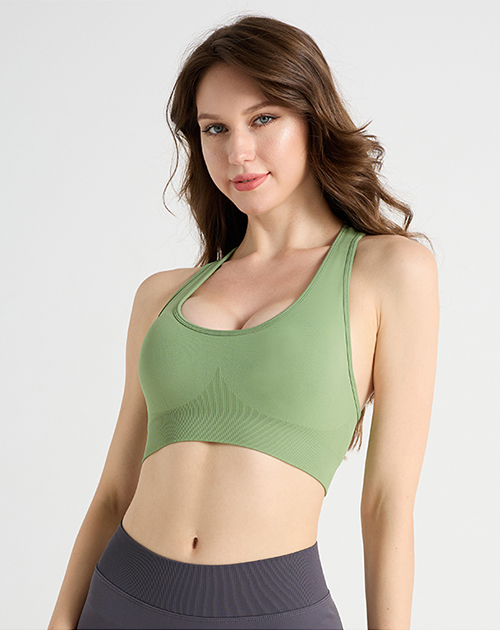
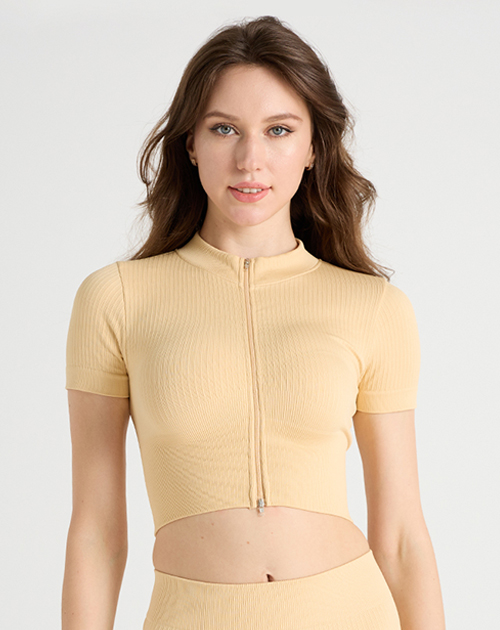
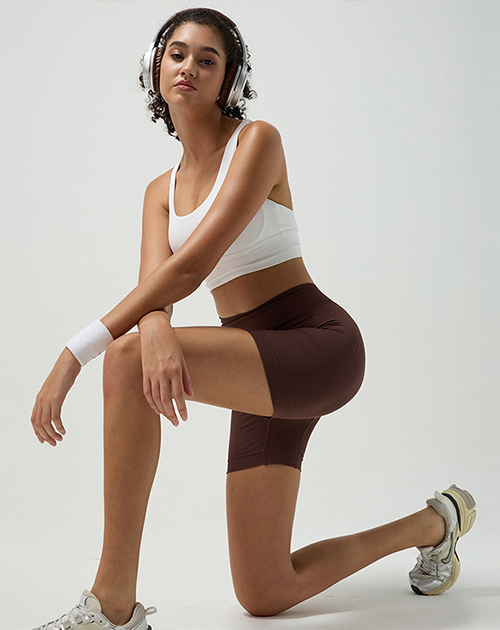
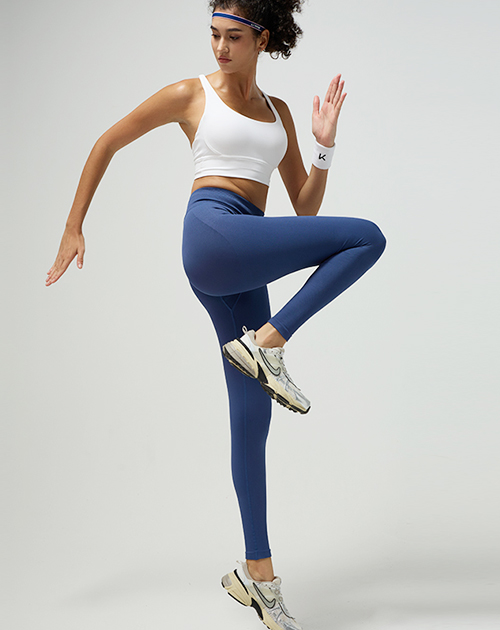
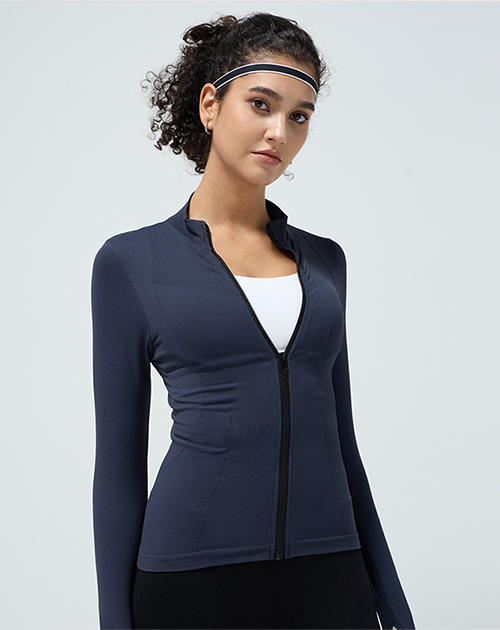
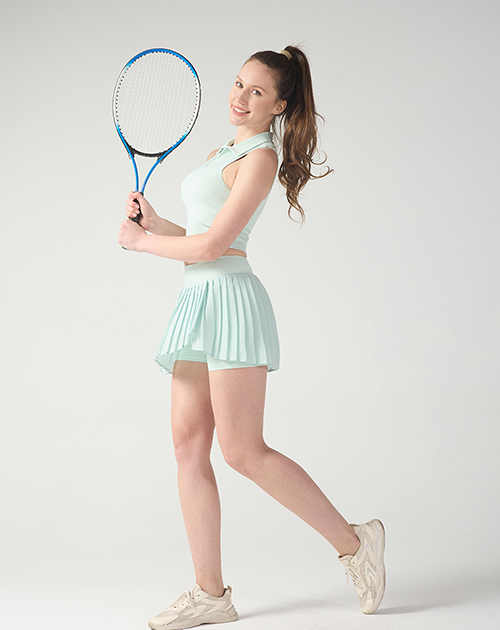
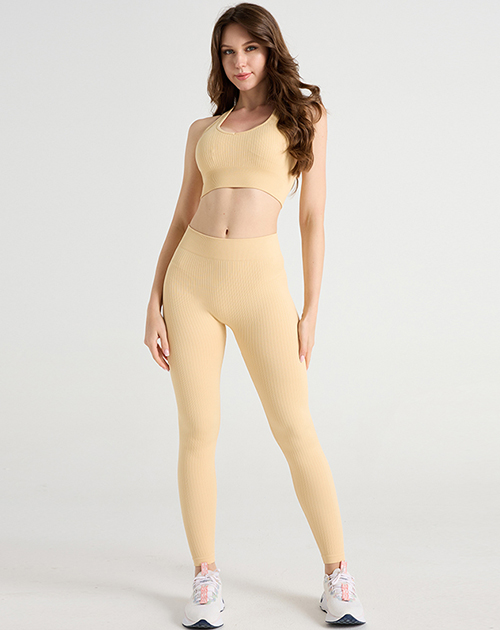
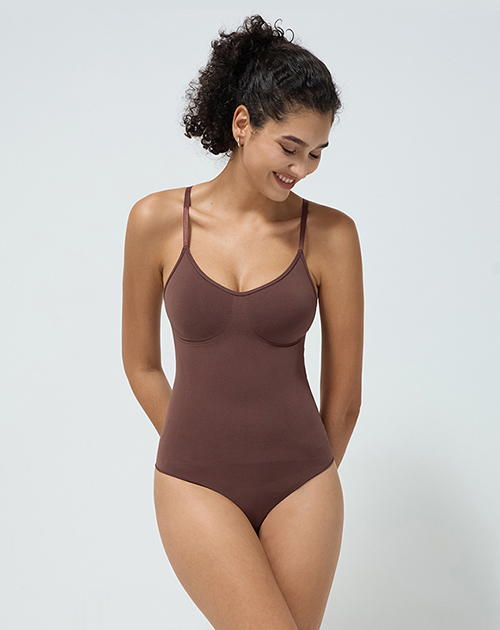
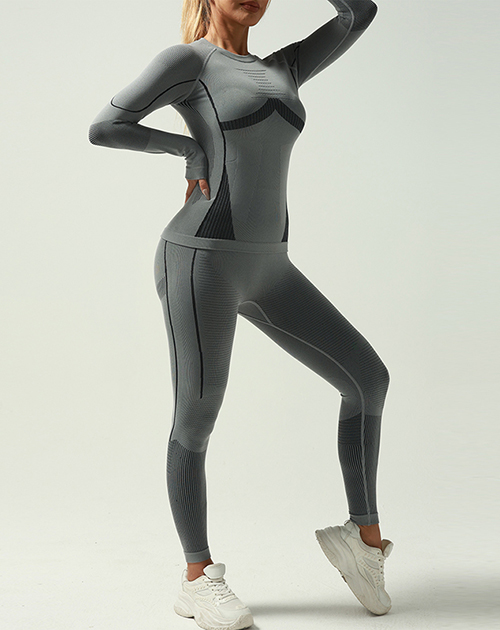
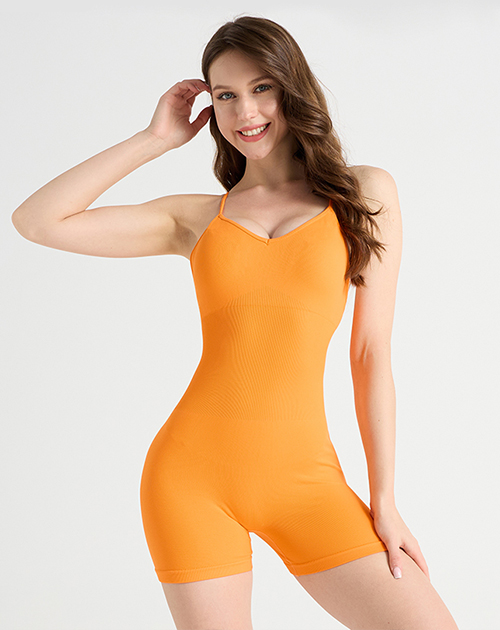
Finding High-Waisted Seamless Yoga Pants that actually hold their shape through real workouts — and arrive exactly as described — is harder than most buyers expect. Whether you're sourcing for a retail chain, a private-label brand, or a boutique fitness studio, getting the product right starts well before the purchase order is signed. Here's what you need to know.
Traditional yoga pants are cut from separate fabric panels and stitched together. Seamless pants work differently — they're knitted as one continuous piece on circular knitting machines, which means no side seams running along the hips and thighs.
That distinction matters more than it might seem. When you're holding a warrior pose or moving through a Pilates flow, there are no raised seam edges pressing against your skin. The experience is just... smoother. Practitioners who've worn both styles tend to notice immediately.
There's a production angle worth flagging too. Seamless knitting generates significantly less fabric waste than traditional cut-and-sew. For buyers representing brands with sustainability messaging, this is a legitimate talking point — not just a box to tick.
High-waist has become the default expectation in yoga bottoms, and the reasons aren't complicated. A taller waistband stays put during forward folds and inversions. It provides coverage when it's needed most. Customers who've been burned by low-rise styles that require constant adjustment mid-session don't go back.
From a merchandising standpoint, the silhouette also photographs well across a wide range of body types, which matters enormously for e-commerce conversion. Beyond the studio, these pants get worn to the grocery store, on weekend errands, at coffee shops. That crossover into everyday wear is what keeps reorder rates healthy through off-peak fitness seasons. A product that lives year-round on the sales floor is worth a lot more to a buyer than one that spikes in January and stalls by April.
Seamless yoga pants typically come in two fabric families: nylon-spandex or polyester-spandex. Both have merit, but they behave differently.
Nylon blends feel softer against skin, handle sweat well, and tend to maintain shape over extended use. Polyester blends are more cost-effective to source and resist pilling better through aggressive machine washing — useful for products that will be used heavily and laundered frequently.
Here's the thing, though: fabric labels only go so far. When samples arrive, do the hands-on checks.
Stretch the panel in multiple directions. Watch how fast it snaps back. Slow, uneven recovery is a red flag — that quality will only worsen after a few dozen wash cycles. Then hold the fabric up to light and stretch it gently. See-through panels generate returns at a rate that surprises buyers who discover the issue after a bulk delivery. Finally, run samples through several machine wash cycles and compare them to the original. If texture or elasticity shifts noticeably at the sample stage, assume it gets worse at scale.
These aren't complicated tests. They just require doing them before the order is placed rather than after.
Compression is essentially how firmly the fabric presses against the body. Light compression = close fit, minimal restriction. Firmer compression = more muscle support, preferred by runners and HIIT enthusiasts.
For general fitness retail, mid-range compression is the safe play. It feels supportive without tipping into uncomfortable territory, which means it works for yoga, casual gym use, and everyday wear. Customers who might have avoided high-compression gear will still find it wearable.
If you're sourcing across multiple channels — say, a boutique studio and a mainstream activewear retailer — ask whether your supplier can offer the same silhouette in different fabric weights. Some manufacturers do exactly this, knitting an identical design with slightly varied construction. You get flexibility without building an entirely separate product.
Among all the components in a yoga pant, the waistband draws the most post-purchase feedback. Roll, fold, or slip, and customers notice — and they don't come back.
A well-built seamless waistband lies flat and stays there. It doesn't shift during squats. It doesn't leave deep compression marks after a few hours. It survives the washing machine without losing structure. These are the baseline expectations; most buyers assume they're met by default, which is exactly when they get surprised.
Some styles include a smoothing panel at the front of the waistband. Practically, this creates a cleaner line and photographs better for e-commerce listings. Whether that's worth specifying depends on your customer base, but it's worth knowing the option exists.
The evaluation protocol here is simple: wear a sample, move around in it, wash it, wear it again. If the waistband misbehaves at the sample stage, it won't improve after production.
Seamless fabric stretches. A lot. This means flat garment measurements tell only part of the story — a pant that measures small when laid on a table might comfortably fit across two or three size points when worn.
When working with a supplier, ask specifically for both flat measurements and stretched dimensions. Ask for fit notes that describe where the waistband hits on the body and how leg length varies across the size range. These details are what inform useful product descriptions for end customers.
For international distribution, sizing label conventions become its own problem. S/M/L means something different in US markets versus European, UK, or Asian standards. Suppliers experienced with international buyers can usually accommodate custom labeling — but this conversation needs to happen before the bulk run is approved, not while it's already in production.
Seamless knitting lends itself well to custom development. Beyond basic colorways, buyers building private-label lines typically explore texture zones (mesh inserts, ribbed waistbands, tonal body paneling), length variations across the same design framework — full-length, seven-eighths, capri — and branded packaging from woven labels to retail hangtags.
Minimum order quantities for custom styles run higher than for stock pieces. Machine setup takes time, and the production economics require a certain volume to make sense. If you're launching with multiple colorways or length options, build those numbers into your planning early rather than discovering the constraint after design is finalized.
And always — always — request a pre-production sample before approving a bulk run. Color matching, sizing, and construction finishing issues caught at that stage cost almost nothing to fix. Caught after delivery, they're expensive.
Seamless production is slower than cut-and-sew. The knitting process takes time, and any custom finishing, inspection, or labeling adds to the overall timeline. Transit time on top of production means the window between order placement and warehouse arrival is longer than buyers accustomed to cut-and-sew sometimes expect.
If you have a launch window — a seasonal drop, a retail placement deadline — communicate the required delivery date to your supplier at the earliest possible stage. Build the sample development and approval phase into your calendar before that, not alongside it. And ask prospective suppliers directly how they handle delays and whether they provide milestone updates during production. The answer tells you a lot about how the working relationship will actually feel.
For buyers who intend to reorder — and most do — the initial shipment is only one data point. What matters over time is whether a manufacturer can reproduce colorways, construction, and fabric quality accurately across multiple orders, handle volume growth without quality slipping, and communicate openly when something changes in raw material sourcing or production.
If the relationship warrants it, a factory visit or third-party audit gives a clearer picture than any sample package can. Equipment condition, floor-level quality control, production capacity — these are things you can assess in person in ways that photographs simply don't capture.
For buyers looking to source directly from a factory with established seamless knit experience, Jinhua Yongxing Knitting Co., Ltd. operates out of Jinhua, China, with production spanning seamless yoga pants, leggings, and activewear basics. Yongxing works with wholesale buyers and private-label clients on both stock and custom programs, covering colorways, construction variations, and branded packaging. Whether you're placing an initial order or scaling an existing line, reaching out to Yongxing directly is a practical starting point for building a consistent activewear supply chain.
Copyright © Jinhua Yongxing Knitting Co., Ltd.
 Seamless Yoga Sets


 English
 русский
 Español