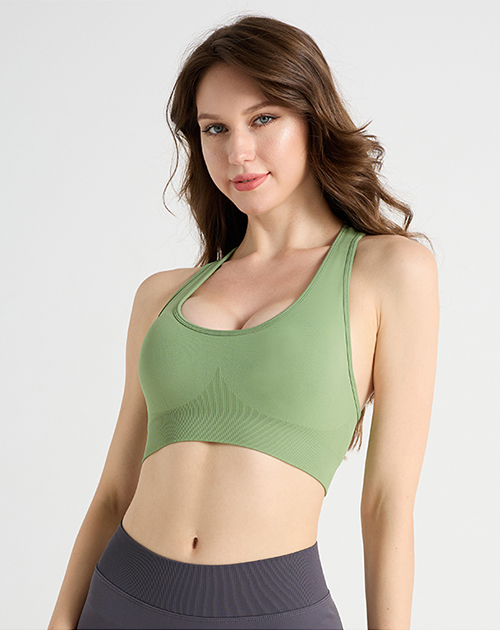
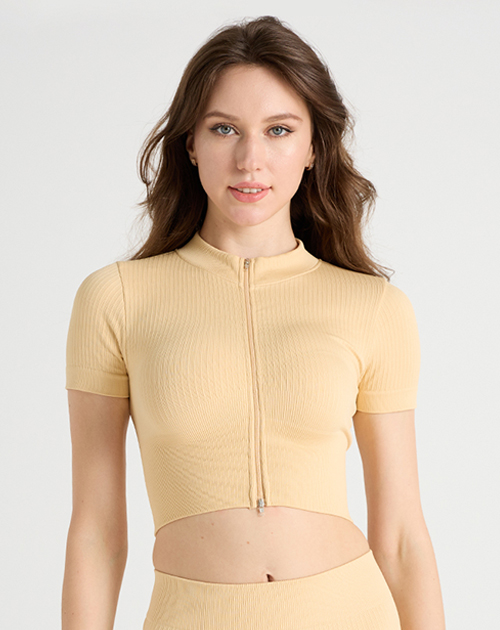
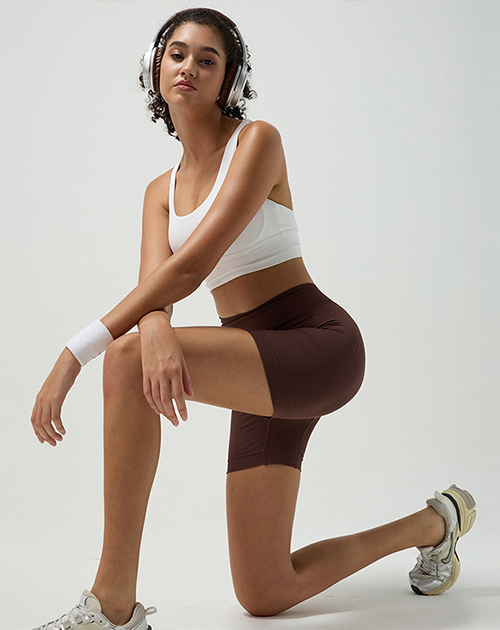
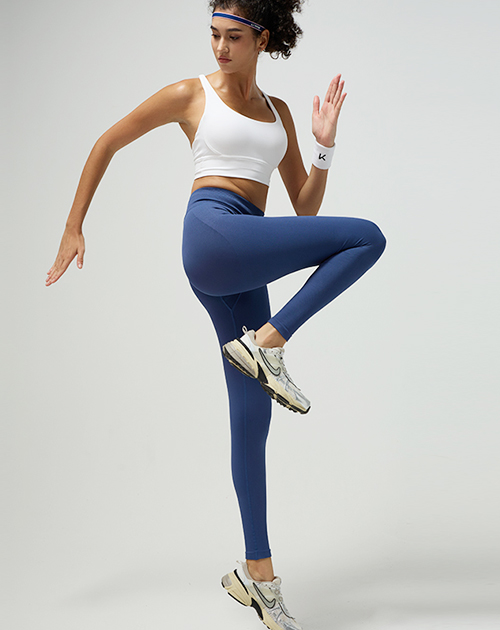
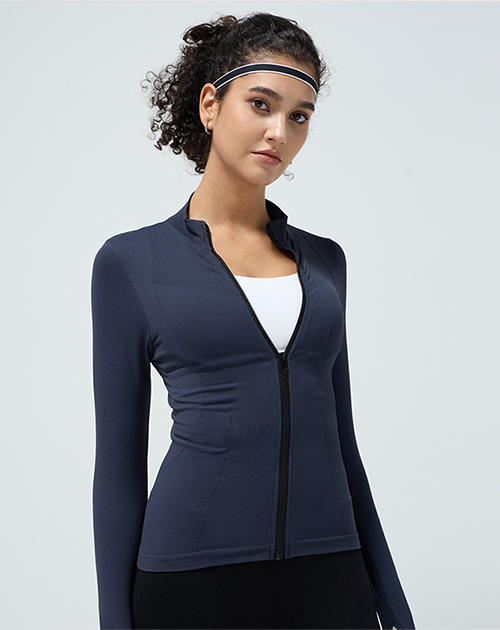
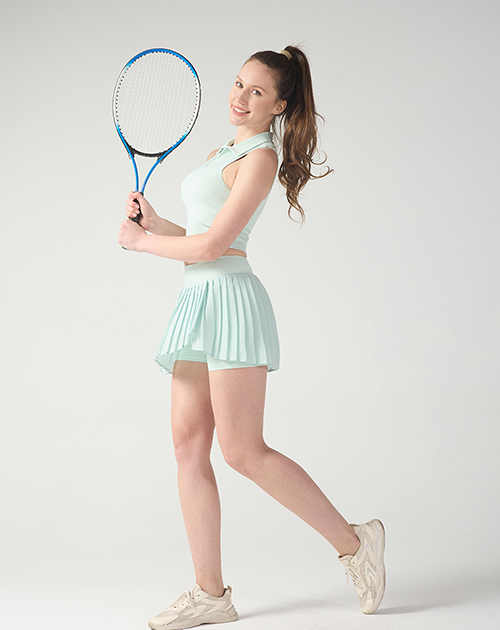
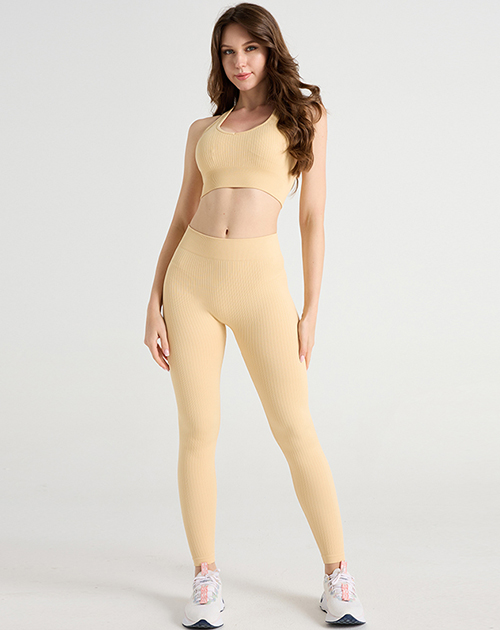
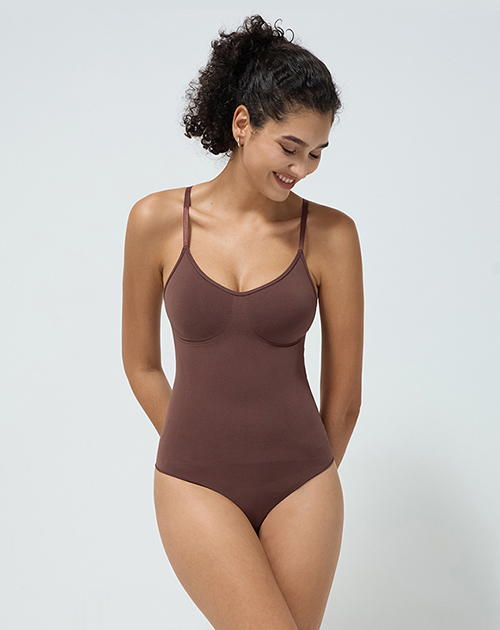
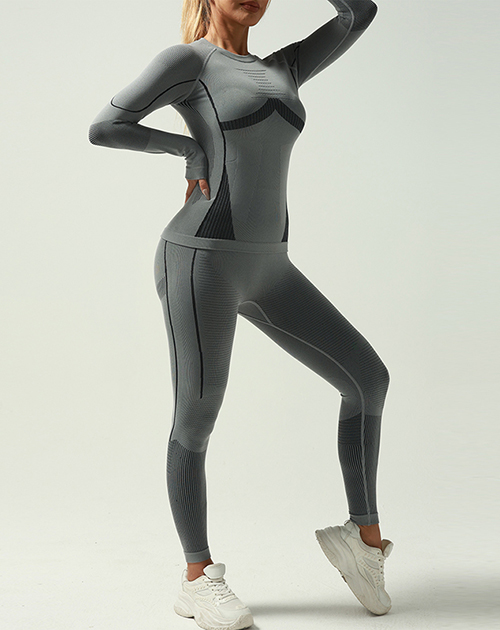
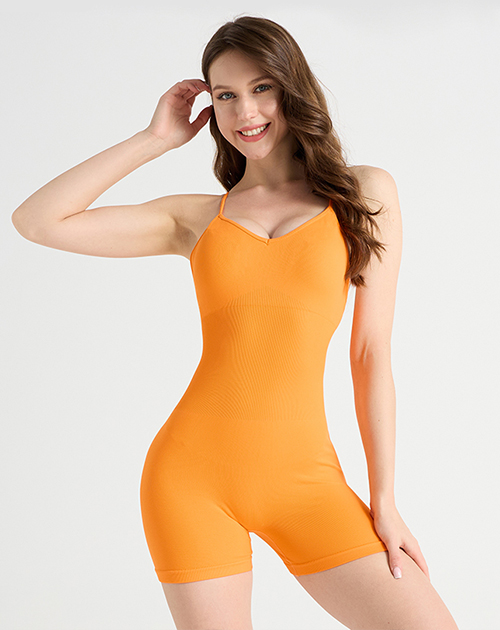
If you have ever picked up two seamless sports bras that look almost the same but feel completely different once you wear them, fabric structure is usually the reason. For a larger bust, this difference is not subtle. It shows up quickly, especially when you start moving, bending, or wearing it for more than a short period.
Most people think comfort comes from size or strap design. Those matter, but they are only part of the picture. The way the fabric is built controls how the bra stretches, how it holds shape, and how it reacts to movement. It is one of those details you do not notice at first glance, but you definitely feel it later.
What fabric structure actually means
Fabric structure is basically how the yarn is arranged and knitted together. In seamless sports bras, everything is created in one continuous piece. That means different areas of the same bra can behave differently without being stitched separately.
Instead of seams, the support and flexibility come from changes in knitting patterns. One area might be tighter and more stable, while another might be softer and more flexible. You do not always see these differences, but your body can tell.
For a larger bust, this matters more because the fabric has to manage more movement and more weight at the same time.
Why larger bust makes structure more important
With more movement comes more stress on the fabric. Walking, stretching, or even sitting down creates shifting pressure. If the material does not respond well, discomfort builds up fast.
Some common situations people notice:
These are not random issues. They often come from how the fabric was constructed in the first place.
Different knit structures and what they do
Seamless sports bras are usually made using a mix of knit styles. Each one affects how the bra feels and performs.
| Structure type | Effect on fabric | Wearing experience |
|---|---|---|
| Rib knit | Allows directional stretch | Moves with the body more easily |
| Dense knit | Holds shape better | Feels more secure |
| Mesh zones | Creates airflow | Helps reduce heat buildup |
| Support zones | Limits stretch in key areas | Adds stability during movement |
| Textured knit | Changes surface feel | Can improve grip or comfort |
When these are balanced well, the bra feels stable without feeling stiff. If not, it can feel uneven, like some parts are doing all the work.
Stretch is not always a good thing
It sounds counterintuitive, but more stretch does not always mean more comfort. For larger bust sizes, too much stretch can lead to more movement, which can feel less supportive.
What matters is controlled stretch.
Direction also matters. Some areas need to stretch more vertically, while others need to stay firm horizontally. When this balance is off, you might notice the bra shifting or riding up.
Breathability comes from structure too
Breathability is not just about fabric type. It also depends on how the fabric is knitted. Small open areas in the structure allow air to move through.
This becomes more noticeable for larger bust sizes because there is more contact between the fabric and the skin. Without airflow, heat and moisture can build up quickly.
You might notice this during:
A well-structured fabric can help reduce that heavy, damp feeling that sometimes shows up later in the day.
How pressure is distributed
Comfort is not just about softness. It is also about how pressure is spread across the body.
If one area takes too much load, it starts to feel uncomfortable. This often happens when the fabric does not support evenly.
Examples:
A better structure spreads the support across multiple zones, so no single area feels overloaded.
Surface feel and skin contact
The way fabric touches the skin also matters. Seamless construction removes seams, but the knit pattern still affects how it feels.
A smoother surface usually reduces friction. Slight texture can sometimes help the fabric stay in place. It depends on how it is used.
For longer wear, even small differences in surface feel can become noticeable.
What happens over time
Comfort is not just about the first wear. After washing and repeated use, the structure of the fabric can change.
Things people often notice over time:
This is often related to how well the structure holds up under repeated stretching. Some fabrics maintain their behavior longer, while others change more quickly.
What to pay attention to when choosing
Even without technical knowledge, there are simple ways to notice fabric structure:
These small checks can reveal more than just looking at the design.
Where things are going
Fabric development keeps evolving. New knitting methods allow more precise control over how different areas behave within one garment.
Some changes people are starting to notice:
These improvements are gradual, but they change how seamless sports bras feel in everyday use.
Fabric structure is not the first thing people think about, but it often decides whether a sports bra feels comfortable or not. For larger bust sizes, it plays a bigger role because the fabric has to do more work.
Two bras can look nearly identical, but once you wear them, the difference becomes clear. That difference usually starts at the fabric level.
Copyright © Jinhua Yongxing Knitting Co., Ltd.
 Seamless Yoga Sets


 English
 русский
 Español