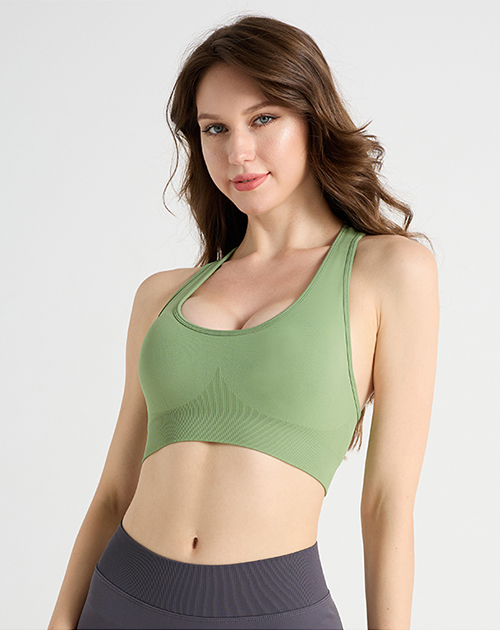
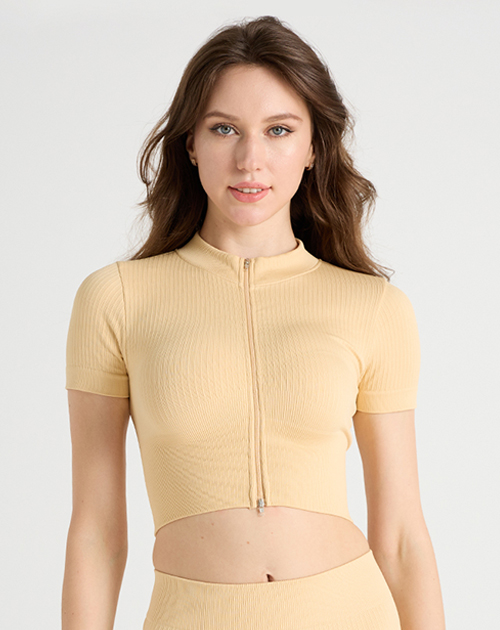
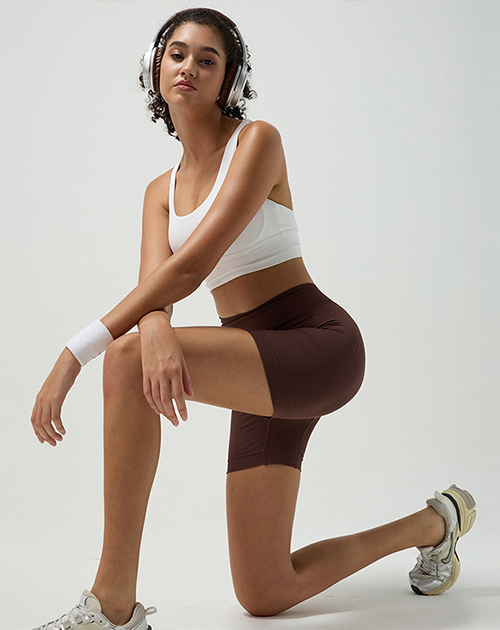
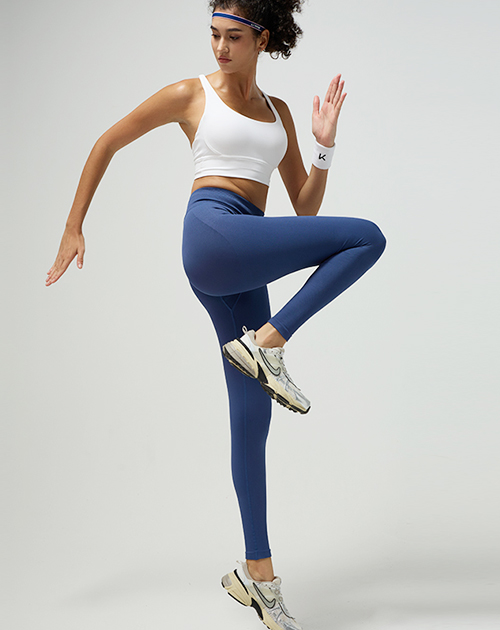
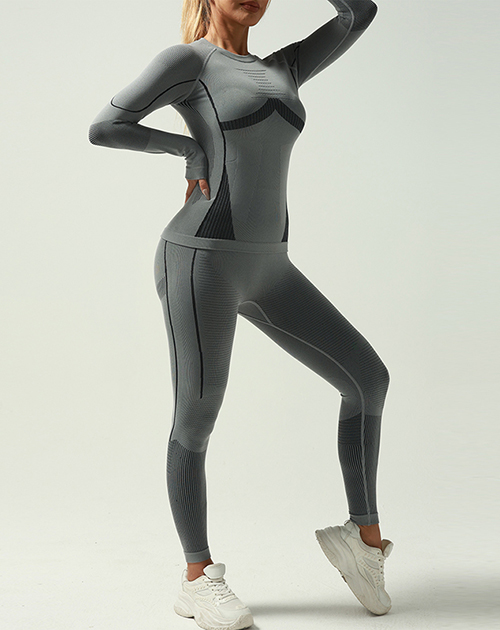
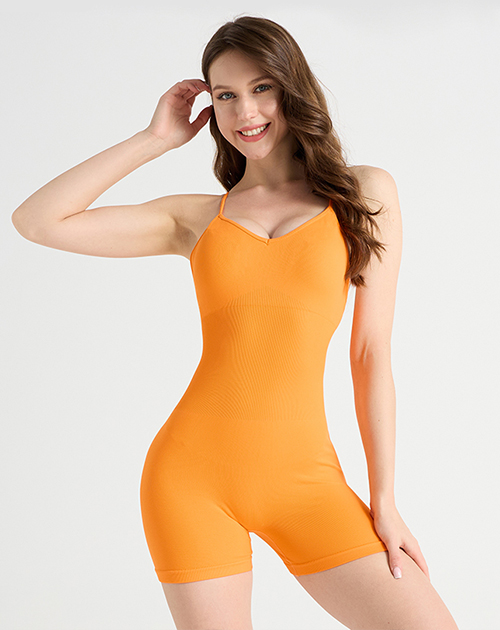
Every person who exercises regularly knows the frustration of skin irritation that develops during physical activity. The burning sensation, redness, and discomfort can transform an energizing workout into an uncomfortable experience. Many athletes and fitness enthusiasts struggle with this issue, particularly in areas where clothing meets skin during repetitive movement. The solution often lies in understanding how garment construction affects skin health during exercise. Among the various options available, Seamless Sports Bras for Large Bust designs have emerged as a reliable approach to preventing friction-related discomfort, offering both support and protection during demanding physical activities.
Seamless Sports Bras for Large Busts are workout tops created through a continuous knitting process that forms the entire piece without stitched seams, while including support features developed for people with larger chest sizes. They aim to offer smooth comfort alongside the hold needed for activity.
The key differences involve production method and how support is built:
Construction Technique: Traditional sports bras are made by cutting separate fabric pieces and sewing them together, which leaves seams across the garment. Seamless ones are knitted in a single piece on specialized machines, removing most or all of those seams.
Support Structure: For fuller busts, seamless designs build in areas of different tension and stretch through the knitting itself, creating targeted compression, lift, and shaping without added stiff pieces or prominent seams that might rub.
Fabric Integration: The single-process knitting lets manufacturers vary thickness, stretch, and firmness in different zones—such as a stronger underband or more flexible straps—without joining separate panels.
Pressure Distribution: Without seams, the bra can spread holding forces over larger areas of fabric and skin, which may help avoid concentrated pressure, digging, or marks over time.
Certain characteristics often appear to better accommodate fuller chests:
Encapsulation Design: Cups shaped to surround and support each breast individually rather than depending only on overall squeezing
Wide Underband Construction: A wider band that spreads the weight across more of the torso to help stay level and reduce upward creeping
Reinforced Bottom Panel: Thicker or denser knit sections placed under the bust to assist with upward support
Multi-Directional Stretch Control: Knit structures that allow easier movement in some directions while restricting bounce in others
Moisture-Wicking Channels: Open knit patterns in certain areas to improve airflow and help move sweat away from the skin
The design can offer advantages in various situations:
Extended Duration Activities: In longer sessions such as distance running or extended classes, the lack of seams may reduce the chance of irritation building up from repeated rubbing.
High-Impact Movements: For activities with jumping, running, or quick direction changes, the bra can deliver control while the smooth inside helps limit chafing.
Sensitive Skin Considerations: Those with skin that reacts easily may experience less friction or redness since there are no raised seam lines to catch or press.
Post-Surgical Comfort: After some chest-related procedures, the absence of seams can make the bra feel less abrasive against recovering skin.
| Material Component | Primary Function | Typical Percentage |
|---|---|---|
| Nylon | Strength and moisture wicking | 40-60% |
| Spandex/Elastane | Stretch and recovery | 15-30% |
| Polyester | Durability and quick drying | 20-40% |
| Modal or Bamboo | Softness and breathability | 10-25% (in blends) |
These bras frequently use performance fabrics that often blend fibers selected for sweat management, breathability, shape retention, and comfort against the skin. The particular combination affects how the bra handles moisture, feels during wear, and holds up after multiple uses and washes.
A proper fit involves looking at several aspects:
Band Assessment: The underband should stay level around the body, feel secure during motion without constant readjusting, and remain comfortable for breathing without pinching or bulging.
Coverage Evaluation: All breast tissue should be held within the cups with no overflow at the top, sides, or underarms, and the fabric should sit flat without gaps or pulling.
Strap Positioning: Straps should stay positioned on the shoulders, share the load evenly, and avoid cutting in. Wider straps are sometimes included for better weight distribution on larger sizes.
Movement Testing: Trying movements such as jumping jacks, arm circles, and side-to-side twists can help confirm the bra provides enough support, stays in place, and feels comfortable without shifting or causing irritation.
Various forms of exercise make different demands on sports bras:
Running and Jogging: The repeated impact from each step causes considerable vertical breast movement, and thoughtfully made seamless bras help reduce this motion while also helping prevent the rubbing and chafing that often appear during extended sessions on firm ground.
Dance and Aerobics: Frequent changes of direction combined with arm movements in different planes call for bras that offer reliable support from multiple angles without restricting comfort during rapid turns or raised-arm sequences.
Strength Training: Exercises that involve reaching, rotating the body, or lying back on equipment need bras that stay firmly in place, provide a full range of movement, and avoid pressing or cutting in at points of contact.
Yoga and Pilates: Extended stretching, held positions, and occasional upside-down postures require bras with good flexibility and freedom of motion, where the absence of seams helps avoid any raised lines or edges that might irritate during longer holds.
Careful handling helps keep the functional qualities of these bras intact over time:
Washing Protocol: Wash using cold water and a gentle detergent designed for sportswear to avoid harming the elastic fibers. Do not use fabric softeners, which can build up on the material and interfere with its ability to move moisture away from the skin. Hand washing is the most gentle approach, although placing bras in a mesh bag allows safe machine washing on a delicate setting.
Drying Methods: Letting bras air dry is much better for preserving the fabric than using a tumble dryer. Lay them flat on a clean towel or hang by the center front panel to stop the straps from stretching. Keep them away from direct sunlight to avoid fading and gradual weakening of synthetic materials.
Storage Practices: Store bras stacked flat rather than nesting the cups inside each other, as that can change their shape. Allow space and air circulation between uses so they dry completely and do not develop odors.
Rotation Strategy: Rotating through several bras instead of wearing one for every workout gives the elastic fibers a chance to recover their shape between uses, which helps the whole set last longer.
Seamless sports bras created for larger bust sizes bring a useful improvement to activewear. They blend specialized knitting techniques with performance-oriented fabrics to meet the particular support requirements of people who experience more noticeable movement during physical activity. When well designed, made from appropriate materials, and properly fitted, these bras support comfortable and confident movement in a variety of exercises while helping protect the skin and providing the support needed for effective workouts.
Learning how skin irritation forms makes it easier to see why certain bra features help reduce discomfort. Friction develops when skin repeatedly moves against fabric or when layers of clothing shift against one another during activity. Several elements play a part:
The chest area often faces greater stress during exercise because many movements combine vertical bounce with sideways or twisting forces. Activities such as running, jumping, or dancing create these combined directions of motion, meaning any raised seam, edge, or structured part of a garment can become a source of irritation. How quickly irritation appears differs from person to person depending on skin type, hydration, past sensitivity, and factors like humidity, temperature, and air movement in the environment.
The technique used to make a sports bra has a major effect on how it feels against the skin while moving. Conventional sewing produces sturdy garments but usually introduces seams and edges that can rub or press during wear. Seamless construction relies on advanced circular knitting that forms the entire piece in one continuous process without stitched joins. This method brings several practical improvements:
Friction Reduction: A smooth, unbroken surface removes the raised lines typical of sewn seams, lowering the risk of irritation during longer periods of activity.
Consistent Stretch: The fabric can extend evenly in every direction without seams holding it back, so it follows body movement more naturally.
Pressure Distribution: Support is spread more evenly over a larger area instead of concentrating at seam lines.
Moisture Management: The continuous fabric allows better airflow and more effective sweat movement away from the skin, helping keep the area drier.
These advantages stand out more clearly in activities that continue for a while. Very short sessions may not give friction enough time to become noticeable, but longer workouts let minor rubbing build through repeated motion cycles into real discomfort.
Fabric choice plays a key part in how well a sports bra prevents skin irritation while you move. Today's activewear uses a range of material combinations, and each one brings its own set of traits that influence both comfort and usefulness during workouts. Getting familiar with these traits makes it simpler to pick the right option:
| Fabric Type | Moisture Management | Stretch Capability | Softness Level | Durability |
|---|---|---|---|---|
| Nylon Blends | High wicking capacity | Strong elasticity | Moderate to high | Strong resistance to wear |
| Polyester Combinations | Quick drying properties | Good flexibility | Varies by weave | Maintains shape well |
| Spandex Integration | Minimal absorption | Exceptional stretch | Smooth texture | Requires careful maintenance |
| Modal Mixtures | Natural moisture control | Moderate give | Very soft feel | Gentle on sensitive skin |
| Bamboo Derivatives | Excellent breathability | Limited stretch alone | Silky texture | Sustainable option |
Most sports bras rely on blended fabrics that pair different fibers to get a good mix of qualities. A common blend could include nylon to give strength and lasting power, spandex to add stretch and bounce-back ability, and polyester to pull sweat away from the body. How much of each fiber is used changes the outcome—extra spandex typically means more give and a closer fit, while a higher share of nylon tends to make the piece tougher over time. The way the surface feels counts just as much. Fabrics made with a smooth knit usually rest more gently against the skin than those with a rougher or more textured weave, which helps keep rubbing to a minimum even before looking at the bra's shape or seams. Using finer yarns also helps create a softer feel overall, so the material is less likely to bother the skin through repeated motion.
How much support a bra offers and how much friction shows up are linked in ways that can be tricky to balance. The right amount of support cuts down on too much movement that leads to chafing, but a bra that squeezes too tightly can cause its own kind of irritation just from pressing steadily against the skin. Finding what works best comes down to the kind of exercise and how your body is built.
Low-impact activities like walking, relaxed yoga, or easy stretching need very little restriction. Bras meant for these kinds of sessions put the focus on staying comfortable and allowing free movement rather than holding everything firmly in place, and the gentler pace usually means less chance of friction coming from shifting fabric.
Medium-impact activities such as cycling, using an elliptical, or fast walking generally call for a moderate level of support. The regular, even motion in these exercises benefits from a bra that keeps things stable enough for comfort over longer stretches without feeling confining.
High-impact activities like running, energetic aerobics, or dance need more noticeable support to keep motion controlled. This matters especially for seamless bras made with larger busts in mind, where not enough hold can let too much movement happen and lead to discomfort. The trick is to give enough control while avoiding spots that press too hard and start to rub.
Compression is another piece of the support picture. A carefully applied level of compression can sometimes help with blood flow and make muscles feel less tired, but going too far can limit how freely you move and increase friction anywhere the fabric drags against skin. When compression is done well, it spreads the pressure smoothly so it helps without adding irritation.
Picking the correct size matters a lot for keeping a sports bra comfortable throughout exercise. When the fit is off, friction tends to come either from the bra being too tight and pressing all the time or from being too loose so the fabric slides around and rubs. A few main measurements and points help figure out what fits properly:
Bodies come in many shapes, so size guides are only a rough starting place. How well something really fits shows up when you move in it. Trying a bra on and doing movements like jumping, reaching up, twisting from side to side, and bending forward helps check whether the fabric stays flat and smooth, if anything pinches or rubs, and whether the support feels right under conditions close to actual exercise.
Taking good care of sports bras helps them stay useful longer and keeps the features that reduce irritation working well. These pieces deal with sweat, body oils, warmth, and constant stretching, so skipping proper care can lead to fabrics that lose their stretch, feel rougher, and start causing more friction as time goes on.
Washing choices affect how long a bra holds its shape and function. Cold or lukewarm water treats elastic fibers more gently than hot water, which can weaken synthetic yarns over time. Stick to mild detergents made for sportswear and skip anything with strong chemicals. It is best to avoid fabric softeners completely since they build up on fibers and interfere with moving sweat away from the skin.
Hand washing is the kindest method, but a delicate machine cycle inside a mesh bag does a solid job of protecting the bra while cutting down on rough handling. Drying is just as important. Letting bras air dry keeps the material in better condition than using a dryer, where heat and tumbling wear down synthetic fibers gradually. You can hang them from the center front or lay them flat so nothing pulls on the straps.
How you store them makes a difference too. Folding instead of hanging helps stop straps from stretching out due to their own weight, and leaving some room between pieces prevents squashing the elastic. Keep them out of direct sunlight to slow down color fading and material breakdown.
Well-made athletic wear is widely available, yet friction problems often continue because of avoidable mistakes when choosing garments. Identifying these frequent errors can help reduce discomfort:
Prioritizing Appearance Over Function: Picking items mainly for their look instead of how they perform during activity commonly leads to pieces that lack proper support or feel uncomfortable once movement starts.
Assuming All Seamless Designs Are Equal: Seamless construction varies in quality across brands and products—some deliver meaningful comfort advantages while others promote the seamless label without the expected benefits in actual use.
Neglecting Activity-Specific Requirements: Wearing a bra designed for one type of exercise during a different kind of workout can cause issues, since the required levels of support, flexibility, and motion control differ noticeably between activities.
Ignoring Material Quality Indicators: Fabrics that seem acceptable when new may quickly lose their smooth feel, stretch less effectively over time, or stop moving sweat away properly after a few uses.
Overlooking Replacement Timing: Continuing to wear bras that have lost their original shape, elasticity, or fit means training in garments that no longer provide consistent support or effective protection against rubbing.
Matching a garment to personal needs calls for a realistic look at exercise routines, body shape, and how easily skin becomes irritated. The same piece may suit one person well and feel unsuitable for someone else, even with overlapping activities. Trying several options and noting how they perform during real movement helps pinpoint what actually works.
Everyday experiences from regular exercisers give useful clues about how garment design influences comfort in practice. People who have switched from standard athletic bras to seamless versions often mention clear improvements in how sessions feel and in how the body recovers afterward. Many note fairly quick relief from irritation they had come to view as a usual part of training. The lack of raised seam lines removes pressure points that tend to develop during longer workouts, letting attention stay on technique and effort instead of dealing with soreness.
Recovery time frequently improves as well. Skin that once needed several days to calm down after friction stays in better condition, making it easier to keep up regular training without unplanned breaks. The absence of chafed or sensitive spots carries comfort beyond the workout itself, adding to daily well-being. Those who take part in longer endurance activities especially value the difference during extended sessions, where even small irritations can build into noticeable distractions. Seamless bras made for larger busts often stand out in these cases, helping maintain focus from start to finish. Trainers and instructors who work with many different clients see consistent patterns: people using correctly fitted seamless pieces tend to report far fewer friction-related complaints, no matter their body type or preferred type of exercise, suggesting the advantages come from core design features rather than individual variation.
Developments in activewear show a clearer understanding of how garment construction shapes both performance and comfort. Earlier athletic clothing focused mainly on holding up under use and meeting basic needs, with comfort often treated as less important. Improvements in textile production and manufacturing methods gave designers better ways to tackle friction issues that used to seem difficult to avoid. Seamless construction grew out of these changes, providing practical ways to address ongoing comfort concerns. Making garments without traditional stitched joins allowed more freedom in shaping and function, letting attention turn toward how fabric behaves against skin during motion rather than working within sewing limitations.
This method also supports combining different fabric behaviors in one piece. Specific zones can use varied knit structures—some built for greater stretch, others for stronger hold—creating more precise performance without settling for a single uniform material. Sustainability aspects add further value. The production process typically uses less fabric waste, and greater durability often means longer wear, offering more environmentally responsible choices. With growing interest in sustainable options, these practical benefits increase the appeal alongside comfort gains. Ongoing work in seamless technology keeps bringing gradual improvements. Advances in fibers, refined knitting processes, and deeper insight into body mechanics during exercise continue to push the category forward. Each update aims to make activewear more comfortable and reliable, helping a wider range of people participate in physical activity with fewer distractions.
Choosing appropriate athletic wear involves balancing multiple factors including support requirements, activity demands, personal preferences, and practical considerations. Understanding how construction methods, materials, and fit affect comfort during exercise enables informed decisions that enhance workout quality. The investment in well-designed garments pays dividends through improved performance, reduced discomfort, and greater consistency in training, while protecting skin health throughout even the most demanding workout sessions.
Copyright © Jinhua Yongxing Knitting Co., Ltd.
 Seamless Yoga Sets


 English
 русский
 Español