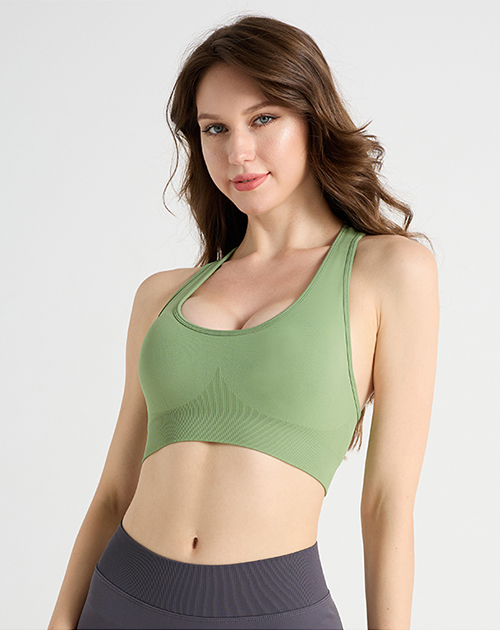
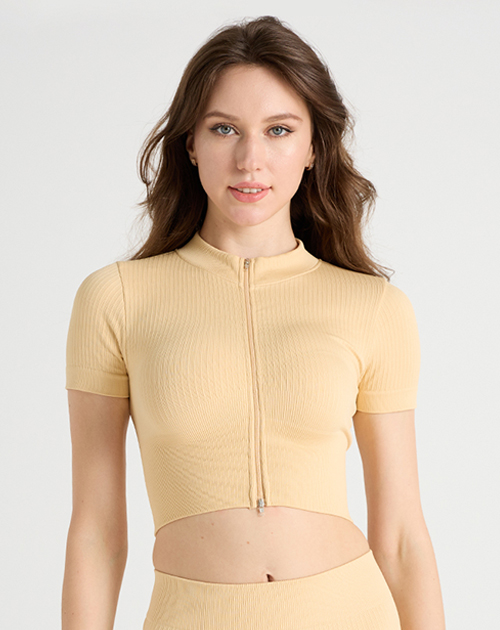
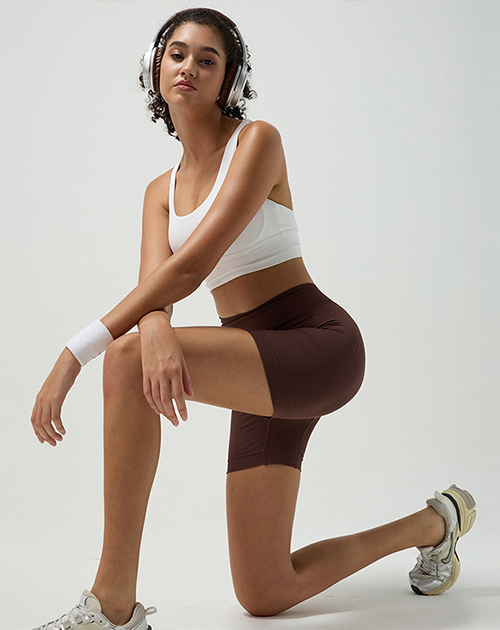
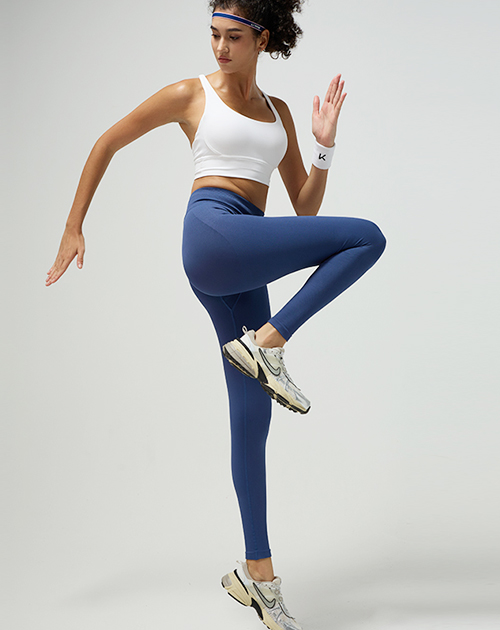
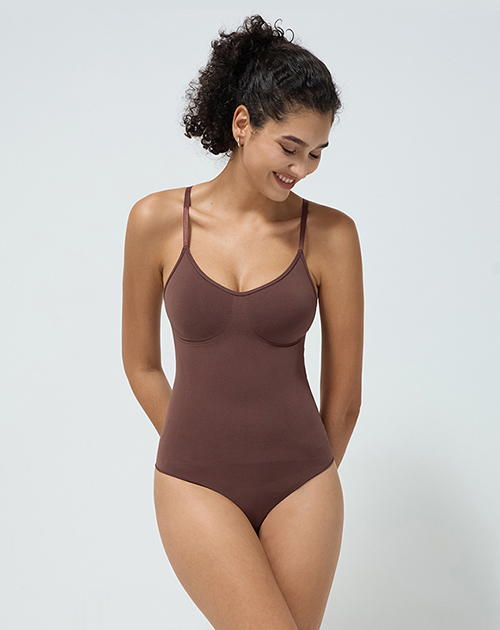
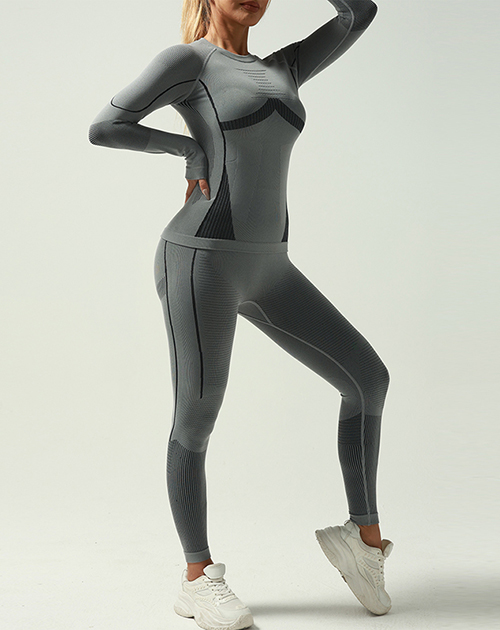
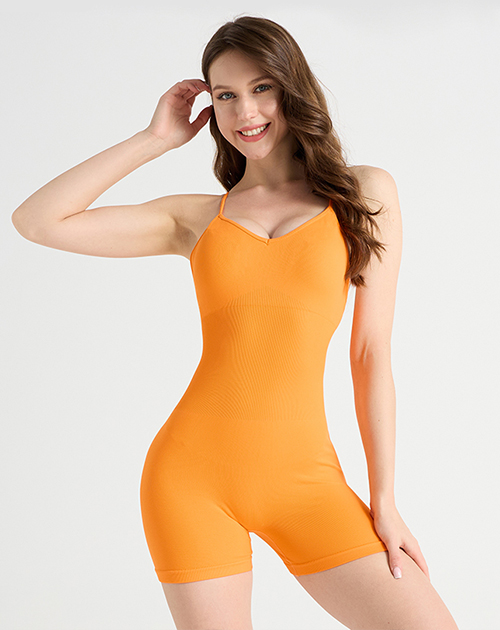
When you're preparing to give your full effort in a workout, the basis for feeling comfortable starts with the layer next to your skin. For many people who stay active, tracking down athletic wear that provides steady support without limiting how you move can be a genuine difficulty. This need stands out more clearly when a higher degree of support is required. Whether you're going for a morning run or working through a yoga flow, the proper base garment can make a real difference in how the session goes. Among the options you can find today, seamless sports bras made for larger bust sizes have become a practical choice that pairs everyday comfort with useful performance, helping to ease several problems that more traditional styles tend to leave unaddressed.
Moving toward seamless construction in athletic wear changes the approach to comfort in motion. When fabric sections join without stitched seams, several straightforward benefits stand out:
Comfort Benefits:
Performance Advantages:
For wearers who rely on strong support, seamless methods bring specific advantages. Without seams, the underband avoids the rubbing that often appears during prolonged activity. The even inner surface lets the fabric glide smoothly over the skin instead of catching, which helps maintain comfort through more vigorous or sustained effort.
Support garments differ significantly in how well they perform, particularly when greater levels of hold are required. A number of features combine to produce dependable results:
Structural Components:
The underband provides the core support, handling most of the load rather than leaving it mainly to the straps. A well-made underband should:
Strap Configuration:
Wider straps with padding distribute pressure more evenly across the shoulders and help prevent digging in. Adjustable designs allow the fit to be tailored to different proportions.
Cup Design Philosophy:
Two common approaches manage breast movement in activity. Compression styles hold tissue flat against the chest wall, which can suit smaller sizes adequately but may not provide enough control for larger volumes. Encapsulation styles create separate compartments for each breast, allowing more precise support and better shape maintenance.
Material Selection:
Fabrics need to offer both stretch and reliable recovery to retain their fit after repeated wear and laundering. Blends that work well generally include:
The market includes several designs developed with substantial support as a priority. Here are five distinct options worth noting:
This style uses separate molded cups that operate independently, helping control movement while preserving natural shape. The wide underband incorporates grip elements to keep it stable during active motion.
Strengths:
Considerations:
Activity Match: Running, aerobics, dance fitness
This design pairs general compression with added reinforcement in key areas, creating graduated support that remains breathable in less demanding zones.
Strengths:
Considerations:
Activity Match: Cycling, strength training, hiking
This garment uses specialized fabrics to emphasize staying dry during intense sessions while offering consistent support.
Strengths:
Considerations:
Activity Match: Hot yoga, spinning, outdoor summer activities
Built for both exercise and regular daily use, this choice aims to provide adequate support alongside extended comfort.
Strengths:
Considerations:
Activity Match: Yoga, pilates, walking, everyday activities
Intended for high-impact demands, this garment integrates multiple support features within a seamless build.
Strengths:
Considerations:
Activity Match: Running, jumping exercises, competitive sports
Getting the size right helps a garment deliver useful support instead of feeling uncomfortable or overly tight. Follow these steps to measure properly:
Band Measurement:
Bust Measurement:
Calculating Proper Size:
Common Errors to Avoid:
Different activities place different demands on support garments:
| Activity Type | Impact Level | Support Needed | Key Features |
|---|---|---|---|
| Running, Jumping | High | Maximum | Encapsulation, wide band, minimal bounce |
| Cycling, Weights | Medium | Moderate | Comfortable compression, moisture control |
| Yoga, Walking | Low | Light | Flexibility, all-day comfort, breathability |
| Mixed Training | Variable | Adaptable | Versatile design, quick recovery fabric |
Knowing the movements you do most often helps you choose a style that will work well for you. A person who mainly does gentle yoga has different support requirements than someone who runs marathons, even when both need dependable hold.
The fabrics used in a garment directly influence how it performs and feels:
Synthetic Blends:
Combinations of nylon and polyester provide good durability and help the garment hold its shape longer. These fibers stand up better to sweat and repeated washing than many natural materials, keeping their supportive qualities more consistent over time.
Stretch Components:
Elastane, sometimes listed as spandex, gives the garment its stretch and recovery, so it can move with the body. Higher elastane content increases flexibility, though it may slightly lessen the overall firmness of support.
Moisture Transport:
Some fabrics are designed to draw sweat away from the skin and spread it to the outer surface for quicker evaporation, which helps keep you drier and more comfortable during longer activity.
Ventilation Additions:
Mesh panels or perforated sections allow better airflow in areas that tend to get warm, such as between the breasts or across the back.
Texture Considerations:
A smooth outer surface creates a clean look, while a lightly textured inner surface can help the garment stay in place more effectively without needing an extremely tight fit.
Simple care habits help the garment keep performing as intended:
Washing Guidelines:
Drying Methods:
Storage Solutions:
Replacement Indicators:
Even well-made garments can have problems if the fit needs tweaking:
Riding Up During Movement
This often means the band is too loose. The underband should stay steady to provide primary support. Try a smaller band size, and if needed, go up one cup size.
Insufficient Lift or Control
If movement remains excessive while wearing the garment, consider:
Skin Irritation or Rubbing
Look at:
Fabric Losing Shape Quickly
This may be caused by:
Feedback from people who regularly use these garments points to several consistent observations:
Positive Feedback Highlights:
Recurring Concerns:
Many note that trying different styles is often necessary, since body shapes and personal preferences play a large role in what works best.
Athletic support garments have developed into pieces that extend beyond workout use:
Casual Styling Ideas:
Creating Cohesive Looks:
Maintaining Comfort Throughout the Day:
How do construction methods without seams differ from traditional designs?
Traditional approaches join separate fabric panels with stitching, which creates raised seams. Seamless methods bond or knit the fabric in a continuous way, removing those raised lines.
Can smooth construction provide adequate support for larger sizes?
Yes, when thoughtfully designed. Support depends on factors like fabric density, band width, strap construction, and overall structure rather than the presence of seams. Many options built for higher support now use seamless techniques effectively.
How can you tell if the fit is too restrictive?
Signs include difficulty taking full breaths, red marks that linger long after removal, numbness or tingling in the arms, or restricted movement through your normal range.
Which style works for intense cardio activities?
High-impact styles that feature encapsulation, wide bands, and adjustable straps generally perform better for running, jumping, or vigorous cardio than compression-only designs.
Is all-day wear appropriate for these garments?
Styles made for lower impact and greater versatility can suit extended wear, though high-compression options built mainly for exercise may feel less comfortable during prolonged sitting or inactive periods.
Compression versus encapsulation: which suits larger sizes better?
Encapsulation typically offers more effective support for greater volumes by providing individual shaping for each breast instead of flattening everything against the chest wall.
Do these garments work for running and similar high-impact activities?
When designed with features such as encapsulation, wide bands, and limited-stretch fabric in critical areas, seamless construction can provide suitable support for high-impact movement.
How do you prevent shape loss over time?
Air drying, skipping fabric softener, rotating between several garments instead of using one repeatedly, and storing them properly all contribute to longer shape retention.
Can smooth-construction designs match the support of underwire options?
Current designs have reached support levels similar to underwire styles through careful fabric placement, reinforced bands, and built-in structures, while avoiding the discomfort that wires can create.
What frequency of replacement is appropriate?
With regular care, good-quality garments usually keep their support for six to twelve months of consistent use. Those who use them heavily may need replacements sooner, while rotating multiple pieces can help extend their lifespan.
Finding athletic support that fits well comes down to recognizing your own needs, understanding which features deliver practical benefits, and choosing quality options. Seamless construction helps address many common issues from traditional designs while still providing the support needed for active movement. By paying attention to proper fit, suitable impact rating for your activities, and reliable materials, it becomes possible to select garments that support rather than limit your movement.
Remember that the best option depends on your own body shape, the activities you like most, and what matters to you for comfort. A garment that fits one person well may not work the same way for someone else, so it usually makes sense to try out different styles and constructions. Pay close attention to how the piece feels while you're actually moving rather than only when standing still, and be prepared for sizing in these garments to differ from what you normally pick in everyday clothing. When a solid foundation supports your active routine, it becomes much easier to keep your focus on your workout goals instead of managing repeated adjustments or discomfort. Choosing good-quality support garments is a reasonable step toward better comfort, confidence, and freedom of movement in the physical activities you choose to take part in.
Copyright © Jinhua Yongxing Knitting Co., Ltd.
 Seamless Yoga Sets


 English
 русский
 Español