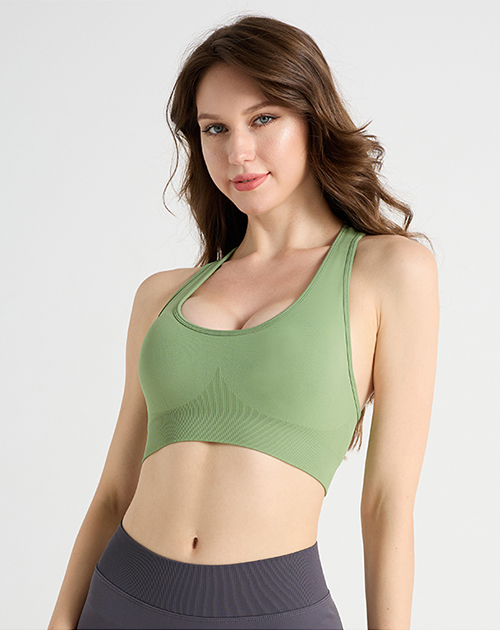
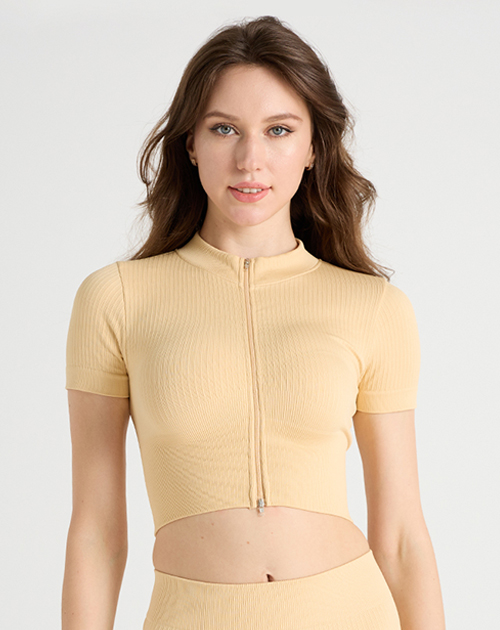
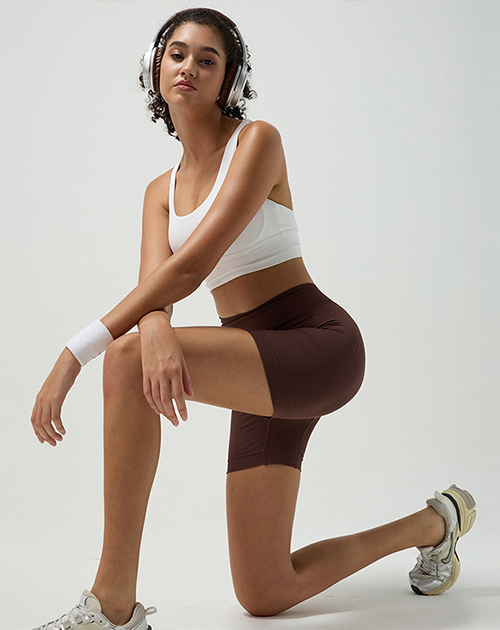
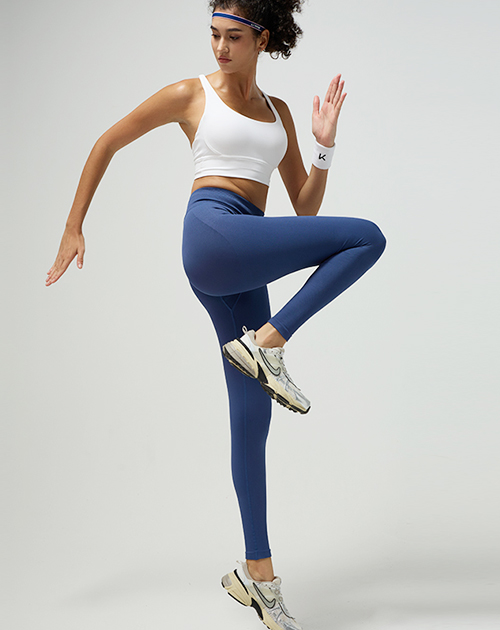
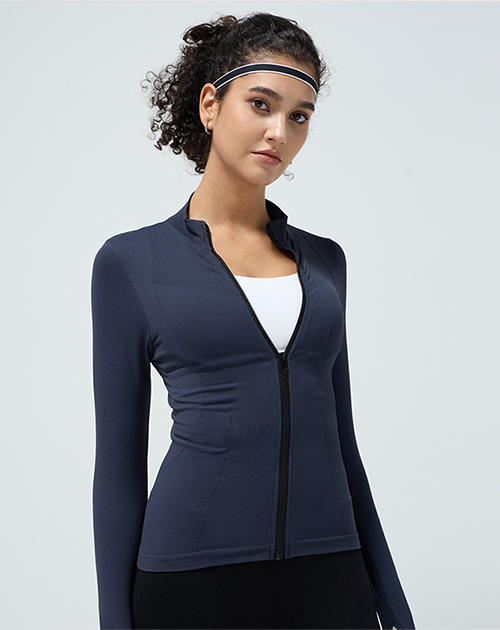
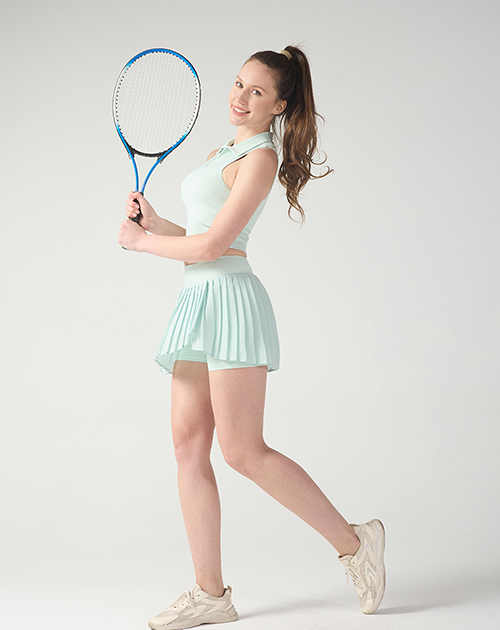
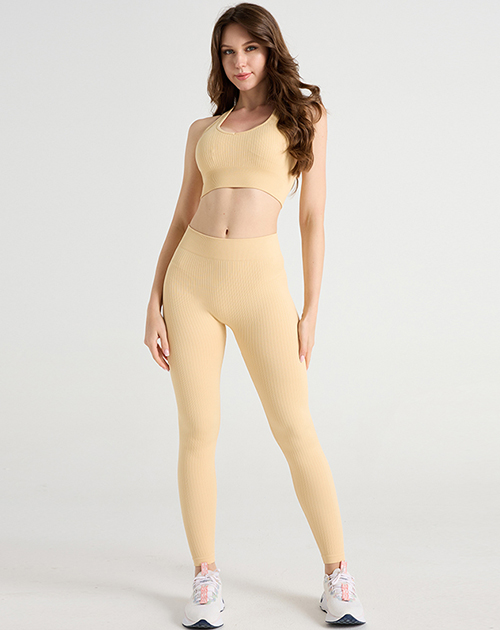
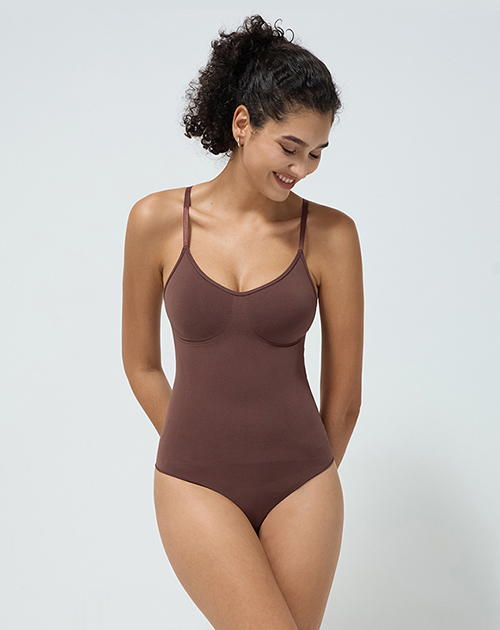
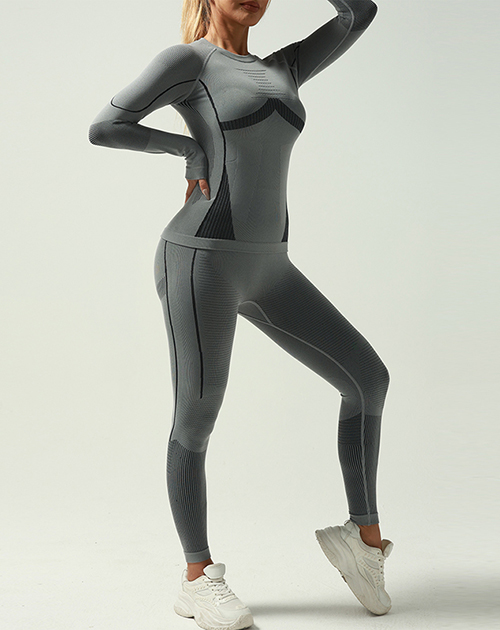
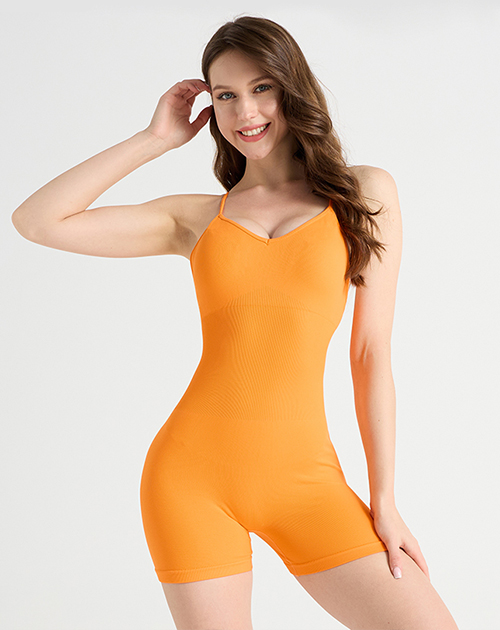
Practicing yoga effectively often begins with selecting the right clothing, and for women, choosing the right Yoga Outfits for Women can significantly enhance comfort, flexibility, and focus. Ill-fitting or restrictive attire can make even simple poses uncomfortable, creating distractions during practice. For example, leggings that slide down during a downward dog or a top that shifts during a twist can interrupt the flow and break concentration. In contrast, Yoga Outfits for Women designed specifically for yoga support movement, provide subtle assistance where needed, and allow practitioners to engage fully in each session, helping them focus on their practice rather than adjusting their clothing.
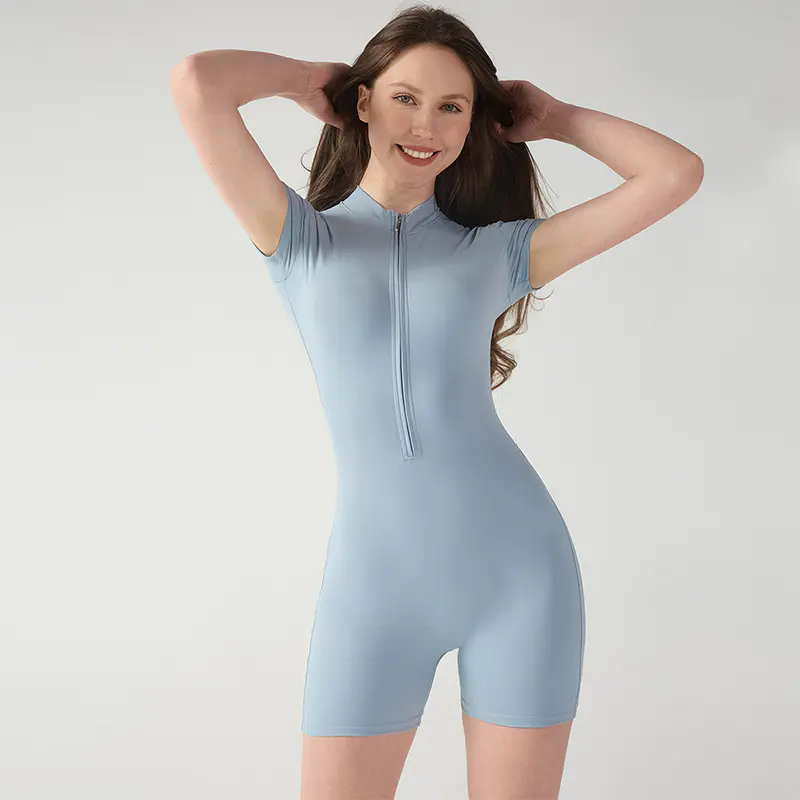
Yoga outfits serve more than a purely functional purpose—they also influence the psychological experience of practice. Feeling confident and comfortable in your clothing allows the mind to remain present, enabling a deeper connection with each pose and breath. The purpose of this guide is to explore how to select suitable yoga clothing, the materials and designs that enhance both comfort and functionality, and practical tips for choosing outfits appropriate for different types of yoga. By understanding these elements, practitioners can ensure that their clothing complements their practice rather than creating obstacles.
Yoga clothing has multiple functions beyond basic coverage. Proper attire should allow a full range of motion without causing discomfort, help maintain posture during poses, and provide subtle support where it is needed. Certain poses, such as high lunges, triangle poses, or arm balances, engage the core and shoulders extensively. Clothing that stretches and moves with the body can prevent minor distractions or discomfort during these positions.
Comfort is essential for prolonged practice. Breathable fabrics reduce irritation, while moisture-wicking materials help manage sweat during intense sequences, such as hot yoga. Stretchable textiles ensure that movements like forward bends or twists remain fluid and unrestricted. Even small differences in the design, such as seam placement or waistband height, can impact how a practitioner feels throughout a session.
Another important aspect is the psychological impact. When a practitioner feels secure and comfortable in their clothing, they are less likely to worry about wardrobe adjustments mid-session. This subtle confidence allows a practitioner to focus on alignment, balance, and breath. Feeling unrestricted in clothing also reduces tension, which is especially important during restorative or meditation-based practices where relaxation is the goal.
The material of yoga clothing plays a critical role in both comfort and performance. Different fabrics provide distinct benefits depending on the type of yoga practiced.
Cotton Blends: These are soft, breathable, and ideal for gentle or restorative yoga. Cotton blends allow air to circulate, keeping practitioners comfortable during seated poses or long-hold stretches. However, in sweat-intensive practices, cotton may absorb moisture and become heavy, which can be slightly distracting during movement.
Synthetic Blends (Nylon, Polyester, Spandex): These materials offer stretch, durability, and moisture management. They are particularly suitable for flow yoga, hot yoga, or other dynamic styles that involve rapid transitions. Nylon and polyester fabrics wick sweat away from the body, while spandex provides elasticity that supports deep stretches without losing shape. These fabrics also maintain their fit over repeated washes, ensuring consistent performance over time.
Natural Performance Fabrics: Bamboo and modal blends combine softness with breathability. These fabrics are ideal for gentle yoga or meditation-focused sessions, providing comfort for extended periods in seated positions. They also offer an eco-conscious alternative for practitioners interested in sustainability.
Layering is another important consideration. In cooler environments, a lightweight long-sleeve top over a fitted tank can keep muscles warm without restricting movement. During hot yoga or high-intensity sessions, minimal layering allows for greater cooling and flexibility. Choosing fabrics that balance support, stretch, and breathability ensures that clothing adapts to both the type of yoga and the practitioner’s comfort needs.
Yoga Outfits for Different Types of Yoga
Different yoga styles require different clothing considerations to maximize comfort, mobility, and support.
Flow Yoga: Flow yoga involves continuous movement and transitions between poses. Outfits should allow for fluidity without restriction. Fitted tops that stay in place during arm balances or twists, and flexible leggings that move with the body, prevent interruptions. For example, a well-fitted tank paired with mid-rise leggings ensures that clothing does not slip during extended downward dogs or lunges.
Hot Yoga: In hot yoga, the focus is on breath and endurance in a heated environment. Moisture-wicking fabrics are essential to maintain comfort and prevent clothing from clinging uncomfortably. Shorter tops and breathable leggings help regulate body temperature, while stretchable materials ensure freedom of movement during intense sequences. Clothing that dries quickly between poses reduces distraction and allows practitioners to remain focused.
Meditation or Gentle Yoga: Comfort is paramount in meditation or restorative sessions. Loose-fitting garments or soft, stretchy fabrics provide the freedom to sit comfortably for long periods without irritation. The clothing should support relaxation, allowing the body to remain still and the mind to focus on breathing and mindfulness.
Power or High-Impact Yoga: For vigorous styles such as power yoga, supportive clothing can aid stability and endurance. High-rise waistbands on leggings and compression tops provide gentle core support, while ensuring clothing stays in place during fast transitions. Subtle compression around the torso can also enhance posture and alignment during challenging poses.
By tailoring clothing choices to the type of yoga, practitioners can maintain comfort, confidence, and performance throughout their practice.
Key Design Features to Consider
Certain design elements in yoga outfits significantly influence both comfort and function.
Waistbands: A high-rise or elastic waistband provides stability and prevents leggings from sliding down during poses like planks or inversions. Waistband height can also affect the perception of support, helping practitioners feel secure in movements that engage the midsection.
Seam Placement: Flat seams or seamless construction reduce friction and irritation, which can be particularly noticeable during stretches or twisting poses. Proper seam placement ensures that the garment feels smooth against the skin, allowing uninterrupted movement.
Stretch and Recovery: Clothing that stretches with the body and returns to its original shape maintains consistent fit and support. This property is essential for clothing longevity and ensures reliable performance across multiple sessions.
Versatility and Style: Outfits that combine comfort and understated style allow practitioners to transition from studio to casual activities without changing clothing. This versatility encourages consistent practice by removing barriers to use.
Layering Options: Some yoga outfits include removable or adjustable layers, such as detachable sleeves or lightweight wraps, which can be adapted to varying temperatures and practice styles.
Yoga clothing can influence both physical performance and emotional experience.
Posture Support: Subtle compression in clothing can aid in maintaining alignment during poses such as plank variations, triangle pose, or standing balances. Supportive garments encourage proper posture without restricting freedom of movement.
Reduced Distractions: Clothing that fits well and remains in place allows practitioners to focus entirely on breath and movement. Eliminating the need to adjust tops or leggings prevents interruptions and maintains mental flow.
Confidence in Practice: Feeling secure in clothing reduces self-consciousness, allowing a practitioner to engage more fully in each session. For instance, knowing that leggings will not slip during inversions or that a top remains in place during twists increases comfort and confidence.
Psychological Benefits: Comfort and fit also impact relaxation and mindfulness. Clothing that accommodates natural movement promotes a positive experience, reducing tension in both body and mind. This can contribute to a greater sense of presence and satisfaction during yoga practice.
Fit and Sizing: Proper sizing ensures comfort and functionality. Garments should be snug but not restrictive, allowing full range of motion. Try different brands and styles to find clothing that suits your body shape and practice type.
Fabric Care: Follow washing instructions to maintain elasticity, color, and softness. High-quality fabrics retain their fit and performance after repeated washing, ensuring long-term usability.
Mix-and-Match: Select versatile pieces that can be combined for different yoga types or environmental conditions. A well-chosen wardrobe allows seamless adaptation from hot yoga to meditation sessions.
Seasonal Considerations: Lightweight, breathable fabrics suit warm environments, while layered clothing provides flexibility in cooler settings. Understanding your local climate and yoga studio conditions helps in selecting appropriate outfits.
Body Awareness: Consider clothing that supports natural movement patterns. High-rise leggings can support the core, and fitted tops with gentle compression can assist shoulder and chest alignment. Practicing in well-designed clothing can enhance awareness of posture and motion.
Sustainability: If eco-conscious choices are important, look for natural or recycled materials that offer comfort, durability, and reduced environmental impact. Many fabrics such as bamboo blends or recycled synthetics provide a balance of functionality and sustainability.
Choosing the right yoga outfits is about more than aesthetics. Comfort, fit, material, and design all contribute to how effectively a practitioner can move, focus, and enjoy their practice. Clothing that supports posture, allows flexibility, and stays in place reduces distractions and promotes confidence, helping practitioners engage fully in each session.
For those seeking garments that thoughtfully balance comfort, functionality, and careful construction, Jinhua Yongxing Knitting Co., Ltd. offers a collection of high-quality clothing designed with both the body and the practice in mind. With expertise in fabric selection and knit construction, the company creates outfits that accommodate a wide range of yoga practices, from dynamic flow sequences to restorative meditation sessions. Their designs allow practitioners to feel secure and supported, providing a consistent and comfortable experience in every practice. By focusing on quality and thoughtful design, they help yoga enthusiasts maintain a practice that is both enjoyable and effective.
Copyright © Jinhua Yongxing Knitting Co., Ltd.
 Seamless Yoga Sets


 English
 русский
 Español