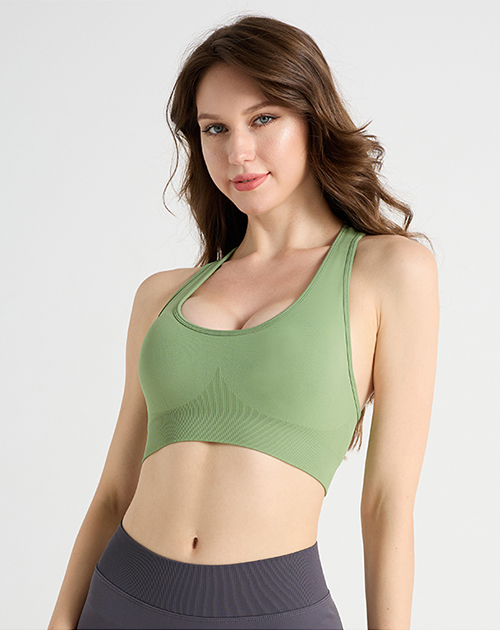
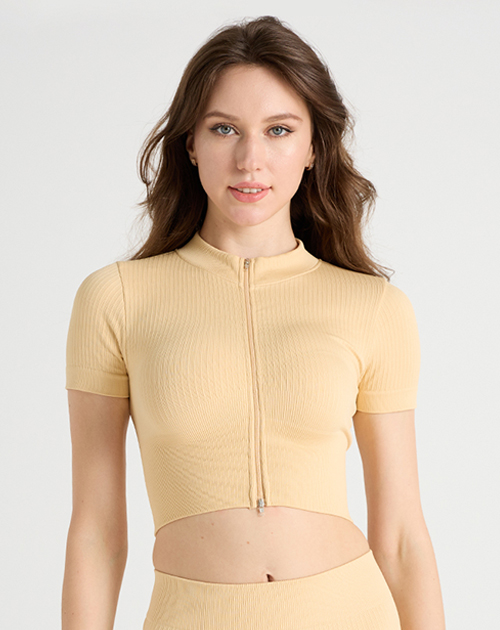
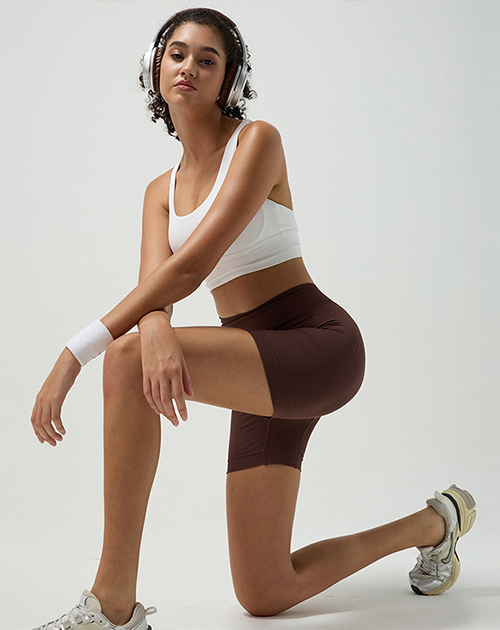
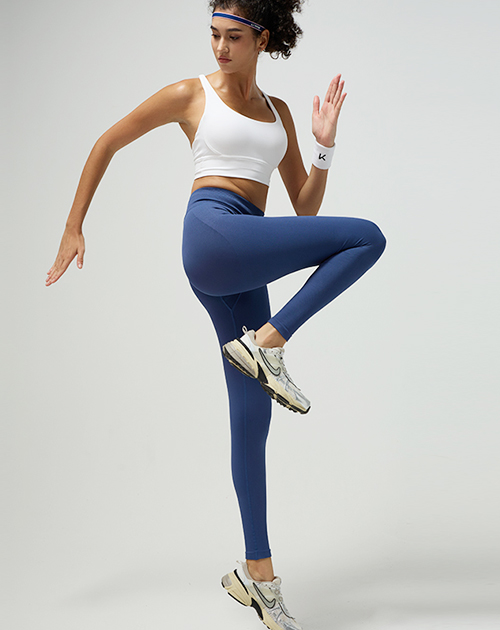
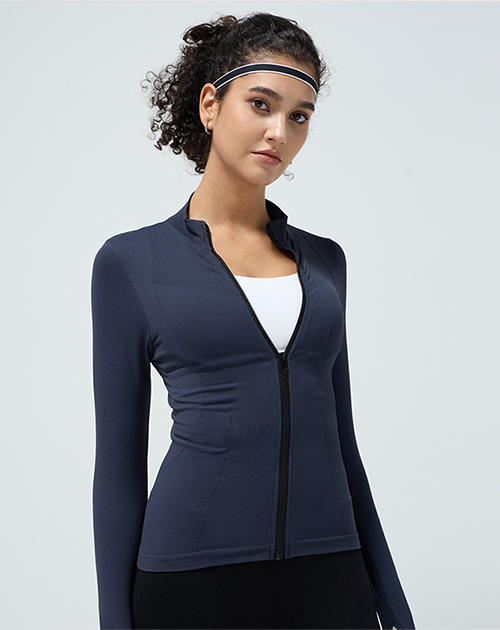
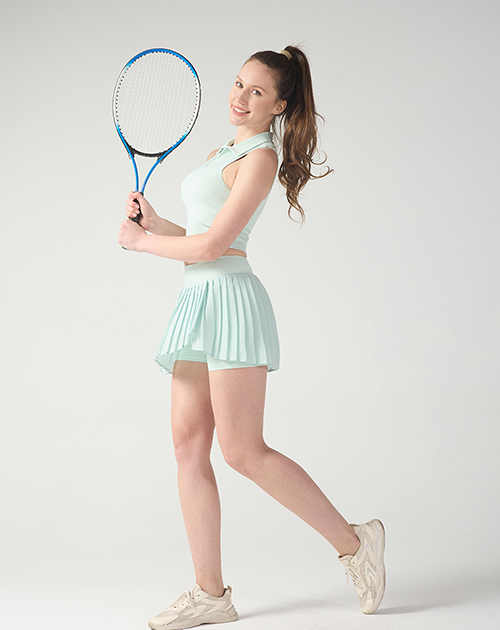
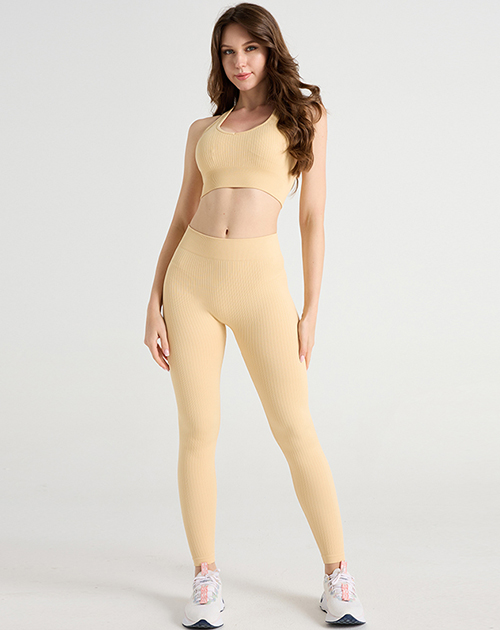
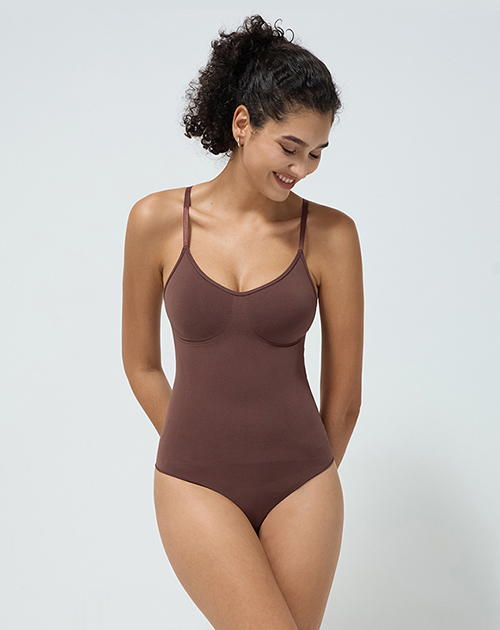
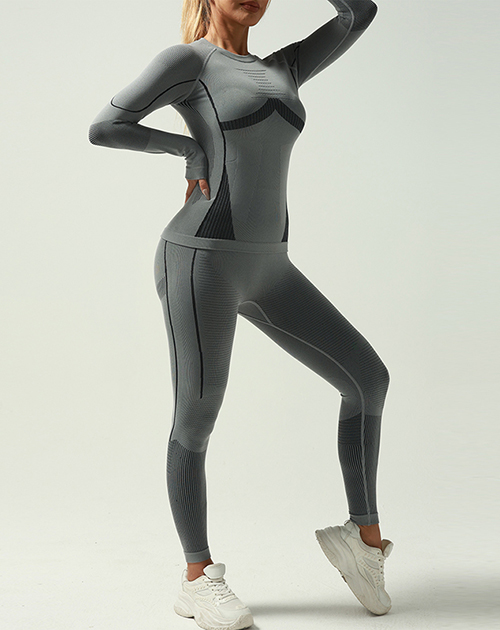
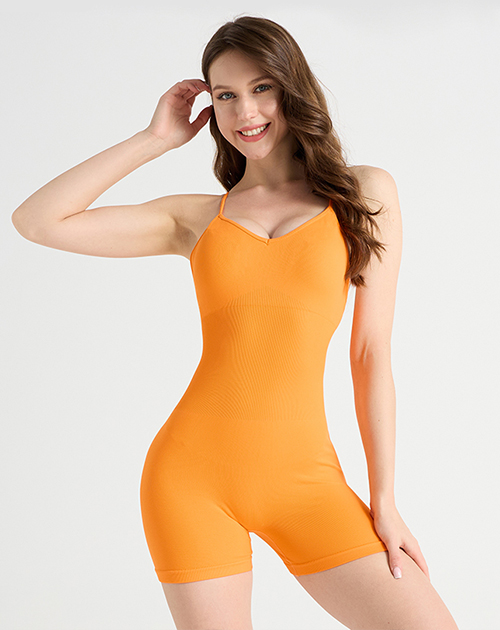
Ask an athlete what they actually think about before a training session, and you will probably hear about hydration, warm-up routines, maybe music playlists. Clothing rarely comes up. But push a little further — ask about the one time their leggings chafed through a long run, or when a stiff waistband kept riding up during squats — and suddenly the conversation gets very specific. That is the thing about activewear: it fades into the background when it works, and becomes impossible to ignore when it does not. Buttery Soft Workout Clothes have earned a devoted following not because of clever marketing, but because they genuinely solve a problem athletes deal with every single session.
It is one of those phrases that sounds vague until you actually feel it — and then it makes perfect sense. Smooth. Weightless against the skin. The kind of fabric you pull on and immediately stop thinking about.
Getting there takes more than picking a soft fiber. Several techniques work in combination to produce that sensation.
Fine-Gauge Knitting: Tighter, finer knitting loops produce a smoother surface. The result is fabric that glides across skin rather than catching or dragging — a small distinction that matters enormously over two hours of movement.
High-Filament Yarns: Modern activewear typically uses yarns spun from hundreds of ultra-fine threads rather than a few thick ones. More threads per yarn means a silkier hand feel, and that silkiness holds up even when the fabric is stretching at weird angles.
Elastane or Spandex Blends: That second-skin quality — where clothes move when you move and snap back when you stop — comes from elastic fibers woven into the base material. No bagginess after a deep squat. No fabric bunching behind the knee mid-run.
Brushed or Peach-Skin Finishing: Some fabrics get a physical treatment that raises tiny fibers on the surface, creating a velvety texture. It cuts down on friction during repetitive movement and adds a warmth that feels genuinely cozy without being heavy.
None of these features matters in isolation. The reason they add up to something athletes actually care about is simpler than it sounds: when fabric feels good, your brain stops tracking it. You relax into the movement. That quiet removal of sensory noise is, quietly, one of the more underrated things a piece of clothing can do.
There was a time when "athletic wear" basically meant cotton shirts and whatever shorts could handle a wash cycle. Performance was measured in durability. Comfort was an afterthought — you were sweating anyway, so what did it matter?
That logic held for a while. Then athletes started paying closer attention to how their bodies felt during training, not just after. A stiff collar rubbing the neck during a long swim. Seams pressing into the hip flexor during a sprint. Fabric resisting at the armhole through a full shoulder rotation. None of these are injuries. All of them are distractions. And once you start noticing them, they are hard to unfocus from.
The short answer is yes, though probably not in the way most people picture. It is not that soft fabric makes muscles stronger. It is that discomfort is metabolically expensive — not in calories, but in attention. The brain registers physical irritation as a signal worth tracking. During a technical lift or a sustained tempo run, that background noise competes with the actual task. Smooth, well-fitted gear removes the competition.
There is a movement side to this too. Fabric that bunches at the waist or pulls at the shoulder changes how a person moves — subtly, unconsciously, but consistently. Those small compensations, repeated across hundreds of reps and hours of training, add up. Gear that fits right and moves freely lets the body use its actual mechanics instead of working around the clothing.
Here is an assumption worth questioning: that workout clothes only need to perform during the hard parts. Spikes of intense effort, maybe. But training is mostly not that. It is the slow warm-up, the rest between sets, the cool-down stretch, the walk home. Fabric that feels good across all of that — not just the peak moments — actually serves athletes better.
Chafing sounds minor until it happens on mile eight. Soft fabrics reduce the surface friction that causes rubbing in high-contact areas — inner thighs, underarms, the back of the knee — particularly during longer sessions where the body heats up and skin becomes more sensitive. Yoga practitioners who spend time with fabric pressed against a mat know the difference immediately. So do cyclists. So does anyone who has finished a long workout with inexplicable red marks along their sides.
Something interesting happens when clothing stops being a distraction: people become more aware of their actual bodies. Breathing patterns. Whether the lower back is rounding. Which hip is carrying more weight in a lunge. This kind of feedback matters in practices like yoga, Pilates, and barre, where subtle alignment changes drive the whole session. Gear that stays put, lies smooth, and does not demand attention gives that sensory channel back to the athlete.
There is a persistent misconception that supportive activewear has to feel compressive or stiff. It does not. Tight knitting structures and smart construction can hold a garment in place through dynamic movement — keeping a waistband up through a hundred box jumps, keeping fabric from shifting during a hip hinge — without ever creating that "too tight" pressure that makes people want to peel their clothes off the moment a workout ends. It is a design challenge that good activewear manufacturers take seriously, and soft-feel fabrics handle it particularly well.
This one is easy to overlook. Gear you genuinely enjoy wearing makes starting a workout easier. That sounds trivial. Over weeks and months, it is not — the small resistance of reaching for uncomfortable clothes is real, and removing it matters for anyone building a long-term movement habit.
Low-impact does not mean low-demand on fabric. Yoga places clothing in constant contact with the mat, puts fabric under sustained lateral stretch, and requires it to behave consistently whether you are upright, inverted, or twisted into something complicated. Soft leggings and tops that stay smooth and non-intrusive through all of that genuinely support the meditative quality of the practice. Hard to be present when you are constantly adjusting.
Lifting exposes fabric to a particular kind of stress — repeated deep flexion, equipment resting directly on the body, fabric catching on benches or racks. Soft workout gear with strong stretch recovery handles all of this without turning baggy or losing shape mid-session. The bounceback quality of good spandex blends means the fabric looks and feels the same on rep one as it does on rep twenty.
Repetitive motion is fabric's stress test. Inner thigh contact, arm swing friction, waistband movement with each stride — soft, smooth fabrics handle these without creating the hot spots that develop when rougher materials rub repeatedly in the same place. Add in breathability, and the case for lightweight soft-feel gear in cardio applications becomes straightforward.
Soft activewear has quietly colonized the rest of the day too. Rest day, grocery run, working from the couch — the same qualities that make it good for training make it genuinely pleasant to wear everywhere else. That is not an accident. It is part of why the category has grown so far beyond athletes.
Getting softness and performance at the same time requires some fiber diplomacy. Polyester handles moisture and holds up over time. Spandex provides the elasticity. Nylon brings abrasion resistance and a naturally smooth surface. Natural and semi-natural fibers — modal, bamboo-derived cellulose, cotton in small ratios — introduce breathability and an initial softness that pure synthetics sometimes lack.
The balance between them determines how the fabric actually feels. More spandex means more compression and recovery. More modal means cooler, softer, but slightly more delicate. There is no universal formula — a fabric for hot yoga has different needs than one for trail running — which is why this is an area where manufacturers invest real effort.
| Fabric Component | Primary Contribution | Common Use Case |
|---|---|---|
| Polyester | Moisture management, durability | Running, cycling, high-output training |
| Spandex / Elastane | Four-way stretch, shape retention | Yoga, gymnastics, compression wear |
| Nylon | Surface smoothness, abrasion resistance | Leggings, shorts, layering |
| Modal | Softness, breathability | Low-intensity workouts, athleisure |
| Bamboo-derived fiber | Cooling feel, natural texture | Hot-weather training, lifestyle wear |
| Cotton blend | Familiar comfort, natural feel | Light workouts, casual use |
Cotton, to be clear, is a special case. It feels wonderful initially, but it absorbs sweat rather than pulling it away from the skin, which becomes uncomfortable fast in anything other than light activity. For lounging or gentle movement, fine. For a serious training session, the synthetic and semi-synthetic blends serve athletes considerably better.
A growing number of athletes care about where their fabrics come from, and manufacturers have responded. Soft-feel activewear made from recycled fibers — including post-consumer material repurposed into polyester yarn — and responsibly sourced natural materials is increasingly available. The performance does not have to be compromised to get there, which makes this an easier choice than it used to be.
Simple and reliable: gently stretch a section of fabric, let go, watch what happens. Good material snaps back immediately with no distortion. Fabric that stays slightly stretched, or shows a faint ghost of where it was pulled, will not hold its shape through repeated use. Worth doing in the store, or at least checking return policies online.
Flatlock seams — the kind that sit flat rather than forming a ridge — remove a common friction source that becomes obvious during long workouts. Waistband construction matters too; a poorly designed waistband will migrate downward regardless of how soft the main fabric is. Gussets and articulated panels in high-movement areas (inner thigh, crotch, back of knee) indicate a manufacturer who thought about how the garment actually behaves during exercise, not just how it looks on a hanger.
When something is pressed against your skin for hours at a time, what it is made of matters beyond feel and durability. Safety certifications from recognized textile standards bodies indicate the material has been tested for harmful substances. Not all activewear carries these, but for anything worn during extended contact — especially in heat — it is worth checking.
These fabrics are not especially fragile, but they do respond to how they are treated.
Washing: Cold water is the default. Hot water degrades elastic fibers over time, which means less stretch recovery and a garment that fits differently after twenty washes than it did after two. Gentle cycle, no fabric softener — that last one surprises people, but softener coats the fiber surface and gradually kills moisture-wicking performance.
Drying: Air dry whenever possible. The heat inside a dryer is not catastrophic after one cycle, but cumulative heat exposure shortens the useful life of stretch fabrics noticeably. Hanging or laying flat — either works.
Storage: Fold rather than hang. Hanging stretches waistbands over time. Keep soft pieces away from rough surfaces like the bottom of a gym bag where they end up rubbing against shoes and zippers; that is where pilling starts.
Replacement: Even great activewear eventually gives out. Fabric that has thinned to near-transparency, widespread surface fuzz, waistbands that slide no matter what, leggings that bag at the knee after five minutes of movement — these are signals. Worth replacing sooner rather than continuing to train in gear that no longer works.
The appeal of soft-feel activewear has never been limited to people who compete. Anyone who exercises regularly — classes, trails, home workouts, whatever the format — deals with the same fabric issues as a professional athlete. Chafing does not care how fast you run. Bunching is annoying at any fitness level.
What has pushed the category even further is the athleisure phenomenon, which at this point is simply how a lot of people dress. Soft, breathable, flexible fabrics that hold their shape are genuinely comfortable for daily wear — not just gym sessions. The person who wears soft leggings to a workout and then to a coffee shop and then to pick up kids from school is not making a fashion statement so much as a practical one. These clothes feel good all day. Why change?
How the fabric holds up over time deserves more attention than it usually gets. Softness on day one is easy. Softness after fifty wash cycles — with the same stretch recovery, the same surface feel, the same fit — is what separates a good investment from something you replace every few months. Looking at construction quality alongside fabric composition gives a more complete picture than either alone.
Fit, relatedly, is not just about size. A four-way stretch fabric only performs well when the cut allows the stretch to work — not so loose that it sags, not so tight that movement is restricted. Trying things on while actually moving (squat, reach overhead, hinge forward) gives information that standing in a fitting room simply does not. And because sizing varies significantly between brands, building in some flexibility about where to look is worth it.
Word of mouth from people who train similarly to you carries more weight than advertising. Peer feedback covers durability, real-world fit, and how gear holds up under specific activity types — all things that marketing materials rarely address honestly.
There is no single reason athletes keep reaching for soft-feel activewear. It is the accumulation of small things: the absence of chafing on a long run, the way leggings move through a deep squat without pulling, the fact that the fabric still feels good three hours into a session. Quality matters — fabric composition, construction, how well it holds up over time — and the manufacturers who take those details seriously build a following because athletes notice. Companies like Jinhua Yongxing Knitting Co., Ltd. are part of an industry working to meet those expectations at scale, contributing to activewear that performs not just on the first wear, but across the many sessions that actually define an athlete's relationship with their gear.
Smooth, non-irritating fabric removes a layer of sensory distraction that would otherwise compete with focus and movement quality. The comfort benefit is real, but the performance benefit — fewer unconscious compensations, better body awareness — is what keeps serious athletes coming back to it.
Traditional options leaned heavily on durability and moisture absorption. Soft-feel fabrics prioritize stretch recovery, moisture-wicking (which moves sweat away rather than holding it), and surface texture that stays comfortable during sustained movement. The difference becomes most apparent over longer or more intense sessions.
Most high-performing versions combine polyester or nylon with spandex for the functional backbone, then add natural or semi-natural fibers like modal or bamboo-derived material to improve feel. The specific ratios vary depending on intended use.
Not directly — no fabric changes what muscles can do. Indirectly, by reducing distraction, supporting full range of motion, and helping with temperature regulation, they create conditions where athletes can perform closer to their actual capacity.
Lower-quality versions may feel comparable at first but pill, lose shape, or degrade after relatively few washes. Some natural fiber blends need more careful laundering. Neither is a dealbreaker, but both are worth factoring into purchasing decisions.
Match the fabric composition to the activity — higher spandex content for flexibility-based work, stronger nylon blends for high-abrasion activities. Check construction details like seams and waistband quality. And actually move in the garment before committing to it.
Yes, and increasingly so. Recycled polyester made from post-consumer materials and sustainably sourced natural fibers are both available, often with similar performance to conventional versions.
That is essentially what athleisure is built on. The breathability, comfort, and flexible fit that work during exercise translate directly to everyday wear — which is why so many people have stopped drawing a sharp line between the two.
Poor fit undermines what the fabric can do. Too loose, and stretch recovery becomes irrelevant — nothing to recover from. Too tight, and movement is restricted regardless of the fabric's elasticity. Right fit lets the material work as intended.
Generally, yes — though the gap varies. Higher-quality versions with better fiber blends and construction cost more upfront but often last significantly longer, which changes the calculation over time.
Cold water, gentle cycle, no fabric softener, air dry when possible. Nothing unusual, but the softener and heat points matter more than people expect for preserving long-term performance.
Fabric that holds moisture becomes heavy, cold between sets, and abrasive against warm skin. Wicking moves moisture outward where it evaporates, keeping the surface drier and reducing the friction that leads to chafing.
Consistency, mostly. Gear that fits the same way every session, moves predictably through full range of motion, and does not create friction or distraction. Durability matters too — professionals go through a lot of training volume and need gear that can keep up.
With proper care, a well-made piece can retain its feel and stretch recovery for a long time. The variables are fabric quality, wash temperature, and dryer exposure. Cold water washing and air drying meaningfully extend useful life.
Copyright © Jinhua Yongxing Knitting Co., Ltd.
 Seamless Yoga Sets


 English
 русский
 Español