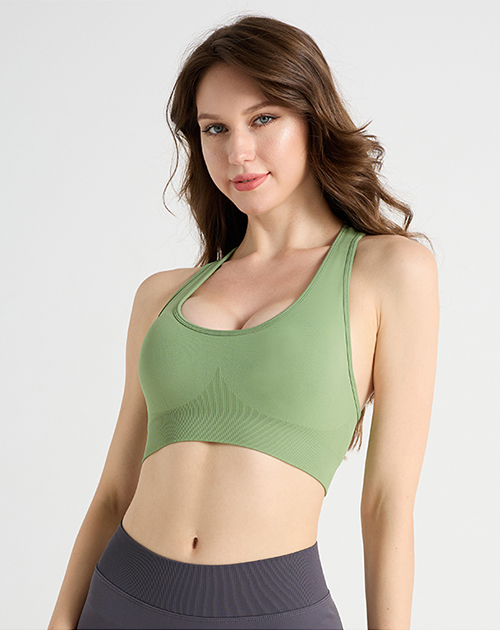
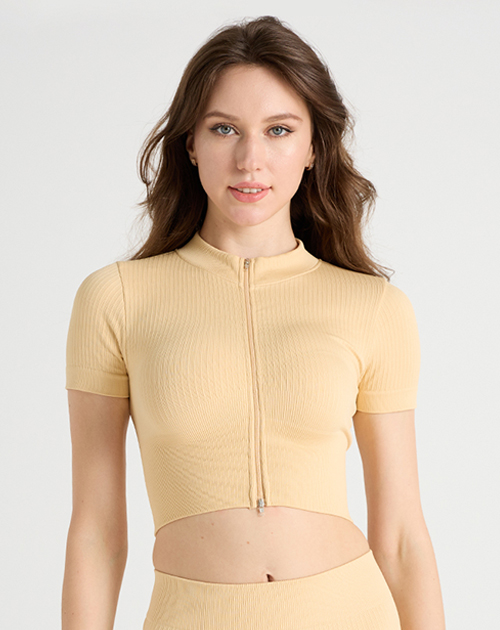
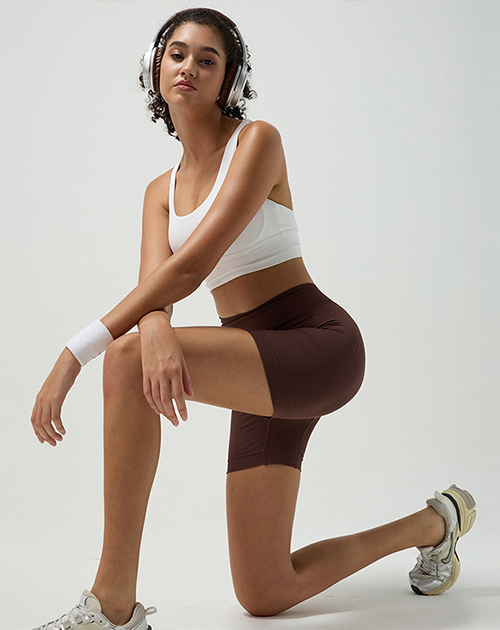
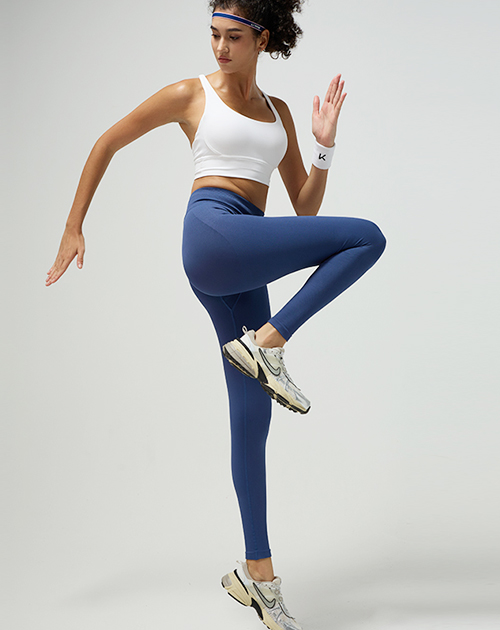
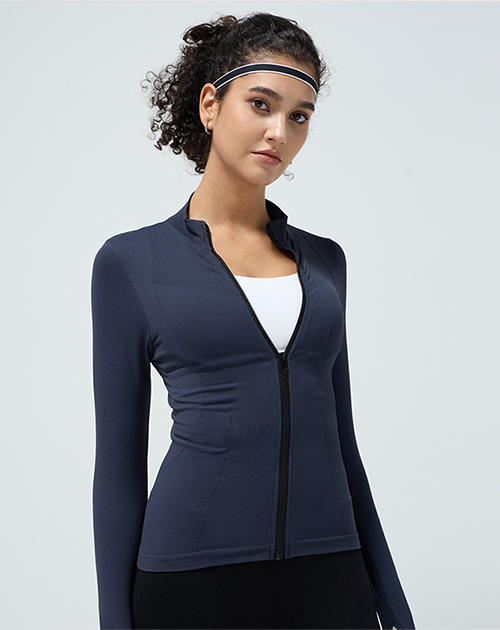
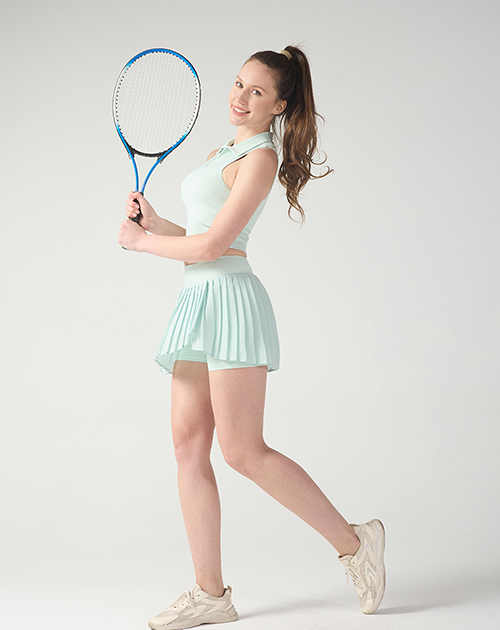
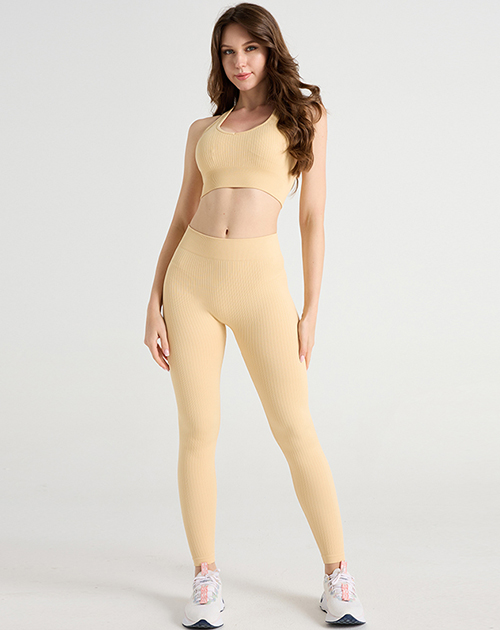
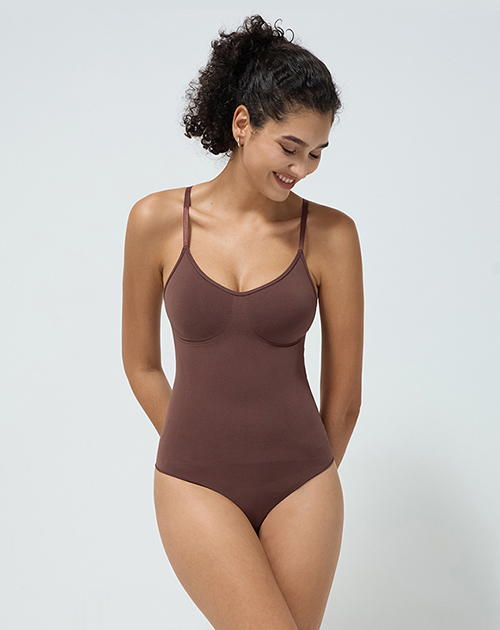
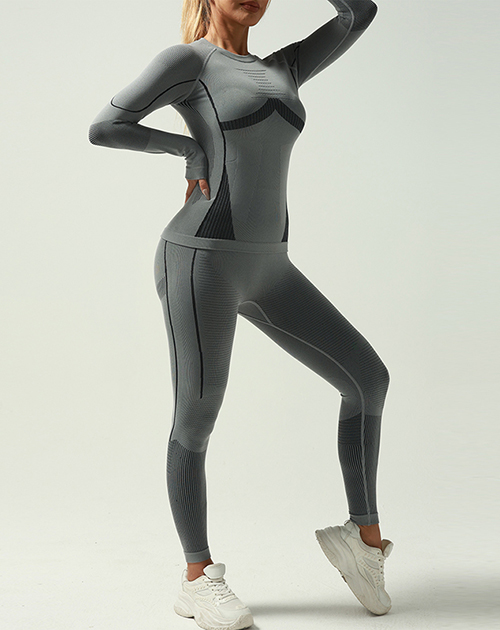
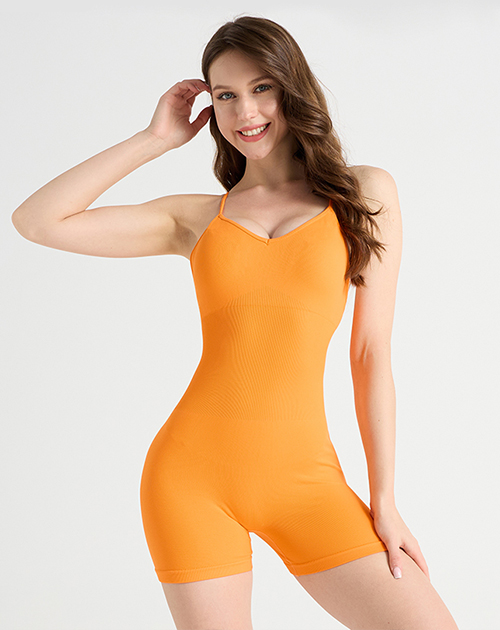
Picture this: you're pulling on your leggings before a morning workout, glancing in the mirror, and for once, you actually like what you see. Your clothes fit — really fit — and something about that small moment quietly shifts the energy of your entire day. That shift is not accidental. The growing popularity of Tummy Control Activewear reflects a well-documented connection between how clothing supports your body and how you feel moving through the world. When a garment is engineered to smooth, hold, and move with you, it does more than flatter a silhouette — it changes your posture, sharpens your focus, and nudges your willingness to show up, whether that means a gym class, a brunch, or simply getting through a long Tuesday.
Not all snug-fitting activewear is created equal. Generic compression — think uniform pressure designed for circulation or muscle recovery after a run — behaves very differently from garments purpose-built around shaping and support. Tummy control shapewear specifically targets the midsection, compressing and supporting the abdominal area while keeping other zones, like the thighs and seat, at standard stretch. Made from high-stretch, breathable fabrics, it creates a streamlined look under clothing without the rigidity that older shapewear styles were notorious for.
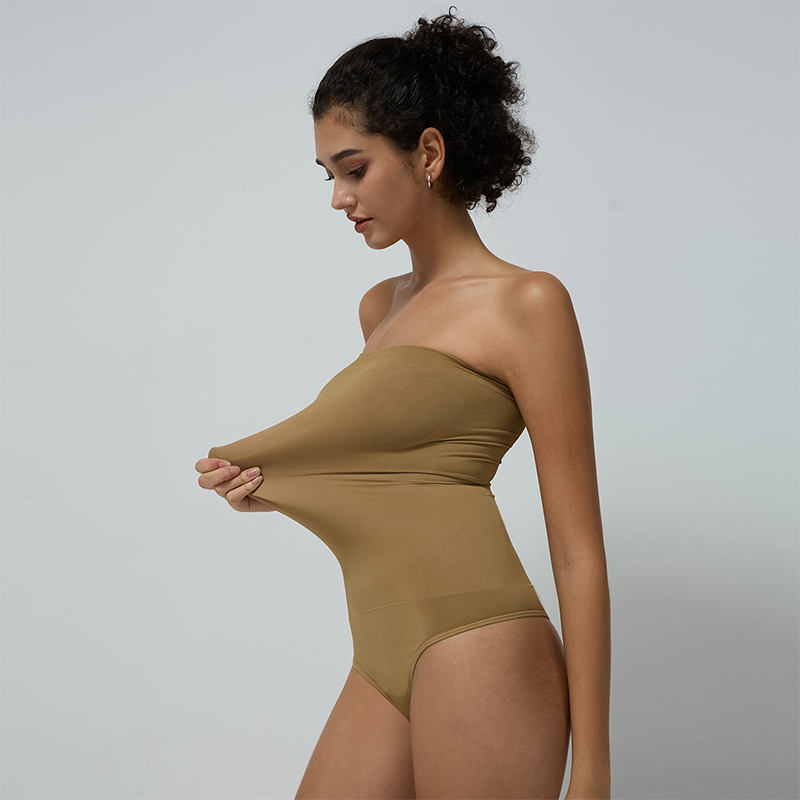
How does it actually work? Compression fabrics apply gentle, graduated pressure to smooth the midsection and support the core without restricting movement. Rather than constricting or causing discomfort, they apply light to moderate pressure, encouraging a smooth silhouette without the feeling of being squeezed in. This creates a comfortable balance between support and freedom of movement, allowing wearers to focus on their workouts or daily tasks without feeling held back by their clothes.
What changed everything was the shift in materials and construction philosophy. Modern pieces are seamless, flexible, and designed to enhance natural curves rather than suppress them. There is no boning, no aggressive cinching, no hour-long battle to get dressed. Just fabric that works quietly in the background.
Several construction choices separate a high-performing piece from one that merely feels tight:
| Fabric Component | What It Contributes |
|---|---|
| Nylon | Durability, softness, and the ability to maintain shape after repeated washing |
| Spandex / Elastane / Lycra | Provides four-way stretch and strong elastic recovery, allowing the garment to move with the body |
| Polyester Blend | Supports moisture-wicking performance and helps maintain color fastness over time |
| Knitted Structure | Enables flexibility and stretch; woven fabrics generally cannot deliver the same range of motion needed for activewear |
The biomechanics are fairly intuitive once you see them: compression fabric applies circumferential pressure to soft tissue, smoothing surface irregularities, gently drawing the abdominal wall inward, and delivering a mild proprioceptive signal — essentially prompting your body to engage and hold itself upright. Spandex and elastane are the workhorses here. They offer elasticity and firmness in equal measure, providing compression without locking movement down.
Will it make you look slimmer instantly? In a sense, yes — the effect is immediate while wearing it, shaping a smoother, more streamlined silhouette. It is not permanent. But in the moment, clothes simply fall better, and that difference is visible and real.
A fair question, and one worth answering honestly.
The smoothing effect is genuine. Compression fabric reduces the appearance of soft tissue shifting during movement and gives clothing a cleaner drape. This is not about concealing the body — it is about creating a consistent surface beneath an outfit so the garment sits the way it was designed to. Under a fitted dress or high-waisted trousers, the difference is noticeable without being dramatic. Clothes simply fall better.
The answer is yes — with an important caveat. The abdominal compression creates a mild bracing effect, similar in principle to a soft core support wrap. This tactile reminder can meaningfully improve how upright you hold yourself during standing, walking, or lower-impact exercise. The core and lower back benefit from that gentle guidance, and over a long workday or social event, the stability is noticeable. That said, it does not replace exercises that build intrinsic core strength. Used as a complement, it supports. Relied on exclusively, it stops doing much at all.
Is it comfortable for high-impact exercise? Modern shaping activewear performs well across activity types — though with some real nuance worth knowing:
This is where the psychology of clothing gets interesting. The sequence wearers describe, again and again, follows a recognizable pattern. A garment that fits securely and looks smooth reduces self-consciousness. Less self-consciousness opens up posture and frees movement. Better posture and freer movement translate into a higher sense of capability. And that elevated sense of capability feeds more consistent follow-through on workouts and active choices over time.
Clothing is not the cause of confidence. But it can absolutely be a trigger — particularly on the days when motivation is thin and what you put on in the morning quietly determines everything that follows. For people who are self-conscious about their midsection, that extra layer of support functions almost like reassurance: it frees up mental energy that was previously spent worrying, redirecting it toward the actual activity.
Shapewear has been woven into fashion history for centuries. Corsets, stays, girdles — the names changed, but the impulse remained: garments designed to support and refine the figure. What changed in recent decades is the technology and, more significantly, the philosophy. Today's pieces are not about compression-as-punishment. They are about compression-as-option — something you reach for because it makes you feel good, not because social convention demands it.
The practical wardrobe applications are wider than most people expect:
One question that comes up often: can shapewear help with weight? The honest answer is that it does not replace movement or nutritional choices. What it can do is make you feel more at ease in your body, which in some people supports healthier habits simply by improving their relationship with movement and self-image.
Before comparing fabrics or prices, nail down what you actually need the garment for:
Run through these before clicking "add to cart":
There is an art to making this work well, and a few consistent errors trip people up.
Choosing the wrong color is a common one. Nude, black, and white read as invisible under most fabrics. Bright colors or visible patterns beneath light clothing defeat the purpose entirely. Similarly, heavy seams or thick edges visible through fitted clothing ruin the effect — seamless or flat-seam construction is worth looking for in the product specs.
The size issue deserves its own mention. Shapewear that is too tight does not smooth — it creates bulges at the edges, cuts into skin, and over the course of a day becomes genuinely uncomfortable. The opposite of what you want. Garments that are too loose, on the other hand, provide no real compression and tend to shift during movement. The sweet spot is snug without grip.
The waistband carries the entire garment. It is the most structurally important element, and it is also where cheap construction reveals itself fastest. Look for meaningful width for a real hold, an internal silicone grip strip for anti-roll performance during movement, and flat elastic construction — nothing gathered or ruffled — for a clean line under tops. Narrow waistbands roll. They always roll.
Skip the guesswork. Use a soft tape measure and take three numbers: your natural waist at its narrowest point, your high hip at the fullest part of your hips, and your inseam from the crotch to the desired hem length. Compare these directly against the brand's size chart — not your usual clothing size. Compression wear is sized differently across brands, sometimes dramatically so. Measurements beat labels every time.
Before committing, put the garment through these checks:
Pass all of them and it is worth keeping. Fail any of them, and it is worth exchanging. How tight is too tight? Red marks, shortness of breath, or persistent discomfort while seated are clear signals the fit is wrong.
The basics are reliable for a reason:
Shaping leggings have genuinely moved beyond gym use, and the styling possibilities are broader than most people realize:
Dark, matte fabrics visually streamline the lower body. Light or sheen fabrics draw the eye. Neither is wrong — it depends on what you want the eye to do. If the bottom half is fitted and dark, create a focal point above: a neckline detail, statement earrings, a jacket with interesting texture. Proportion play is the simplest styling tool there is, and it works consistently.
High-quality compression activewear represents a real investment. Care routines that protect the elastic fibers make a meaningful difference in how long these garments perform well.
A few clear signals: the waistband no longer springs back firmly after washing, the fabric has visibly thinned or begun to pill, or the front panel sags during wear rather than holding its shape. Any of these means the garment has run its course.
There is a real distinction between gentle shaping compression and the kinds of restrictive garments that shaped — and sometimes endangered — women in earlier eras. Modern shaping activewear applies mild, graduated pressure. Not cinching. The practical rule: if you can breathe fully, sit comfortably, and move without restriction, the level of compression is appropriate for your body.
Older shapewear fabrics — heavy nylon with no moisture-wicking properties — did trap heat. That was a legitimate complaint. Contemporary activewear fabrics are engineered to breathe, and products explicitly described as moisture-wicking or featuring mesh ventilation panels perform very differently. The overheating concern, applied to modern performance fabrics, is largely outdated.
This one is worth taking seriously, with nuance. Wearing compression activewear for workouts, a busy day, or a social event does not meaningfully reduce core muscle strength. The concern applies to people who substitute external compression for core training entirely — relying on the garment rather than building intrinsic strength through regular movement. Used as a complement to activity, it supports. Used as a replacement for movement, over time, it stops offering much of anything.
The styling section above tells a different story. With the right compression level and cut, these pieces work in professional settings, casual outings, and anywhere else you want a smooth, comfortable base layer. The key is matching the compression level to the context — lighter for all-day wear, firmer for active sessions.
If you are pregnant, postpartum, or managing a condition that affects your circulatory system or abdominal area, speak with a healthcare provider before selecting any compression garment. General activewear compression is not equivalent to medical-grade support, and individual situations vary significantly.
Confidence is not something a garment can give you — but the right one can make it easier to access. When you are not tugging at a waistband, adjusting a panel, or holding your breath through a squat, you are free to be present. That freedom, quietly provided by a well-made piece of clothing, is the whole point. It should disappear into your day, hold where you want it to hold, and stay out of the way of everything else. For those looking to explore options with thoughtful construction and performance fabrics, Jinhua Yongxing Knitting Co., Ltd. offers a range of shaping activewear designed with exactly this balance in mind — pieces built for real movement, genuine comfort, and the kind of grounded confidence that makes every day feel a little more like yours.
Copyright © Jinhua Yongxing Knitting Co., Ltd.
 Seamless Yoga Sets


 English
 русский
 Español