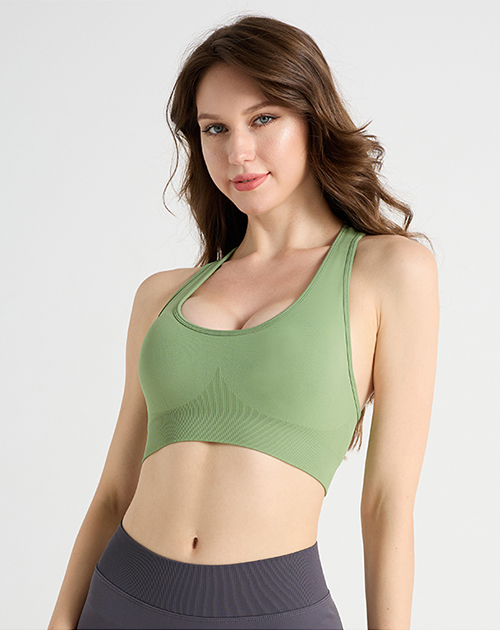
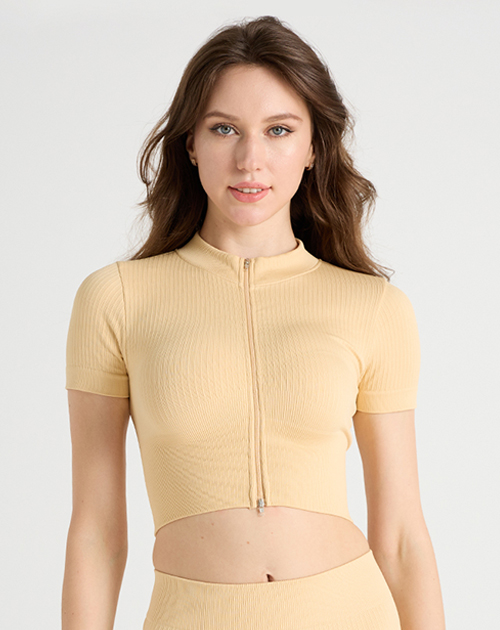
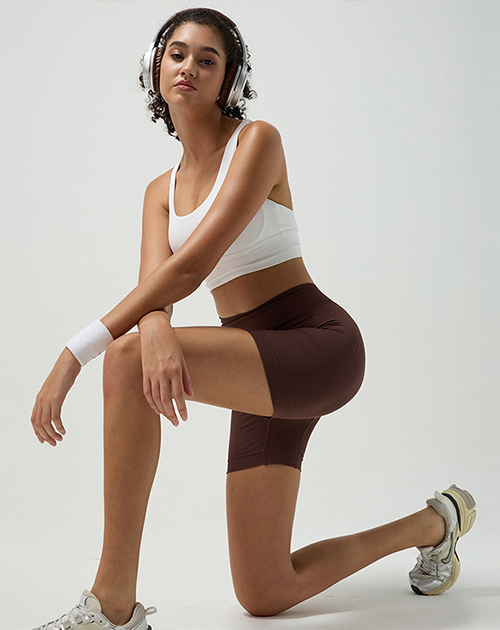
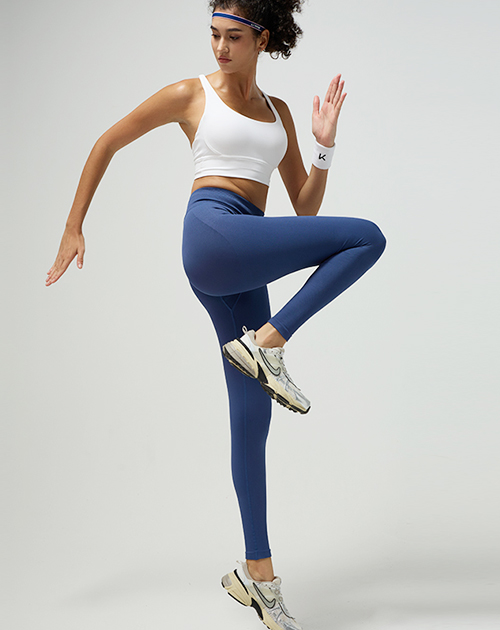
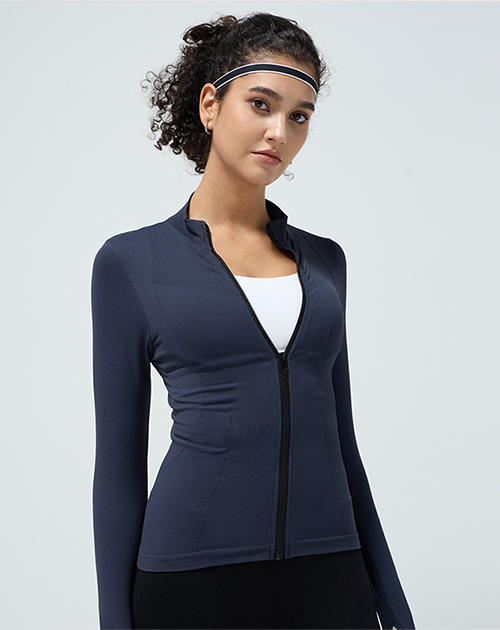
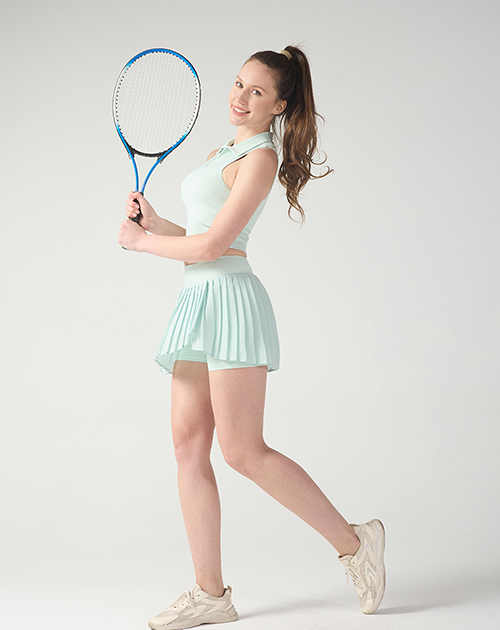
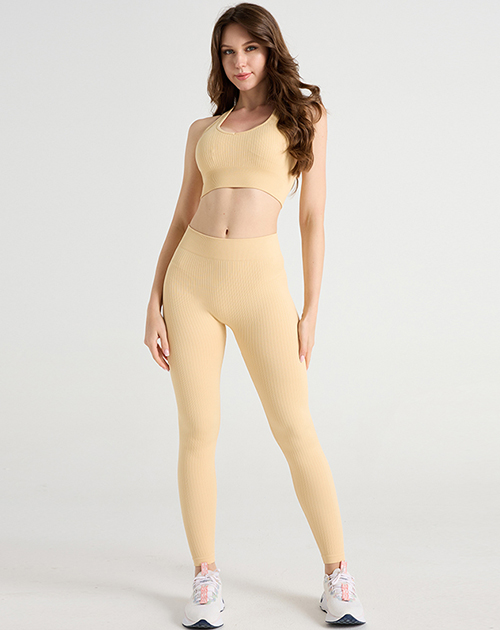
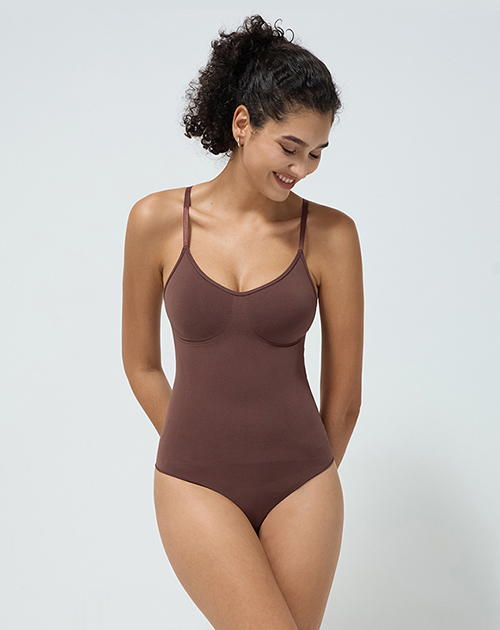
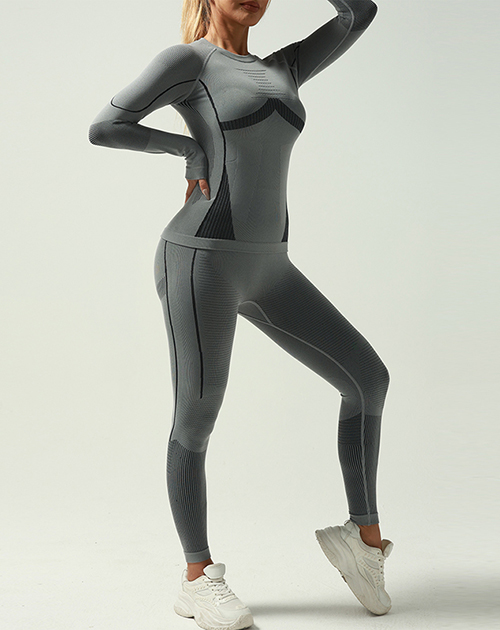
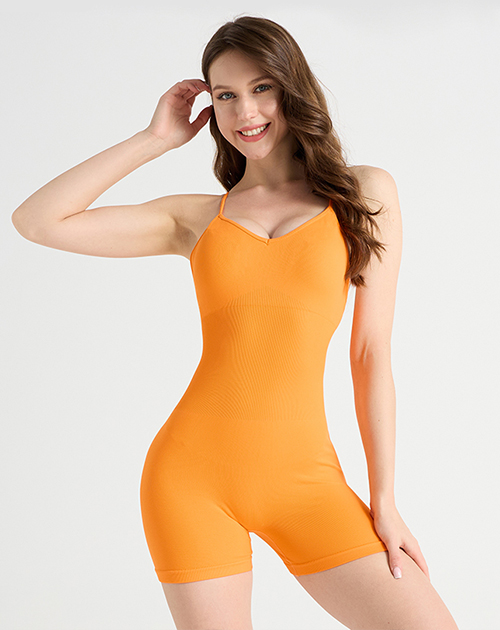
Comfort plays a crucial role in how effectively people engage in physical activity. For many, the difference between a focused, satisfying workout and a distracted, uncomfortable session comes down to what they wear. Clothing that restricts movement, causes irritation, or shifts during exercise can interfere with performance and focus.
This is where the value of clothing designed specifically for comfort becomes evident. Garments that move with the body, offer softness against the skin, and adapt to various types of movement create an environment where the wearer can focus entirely on their practice. Buttery soft workout clothes provide such a foundation, allowing athletes and casual exercisers alike to experience a higher level of comfort, consistency, and ease during workouts.
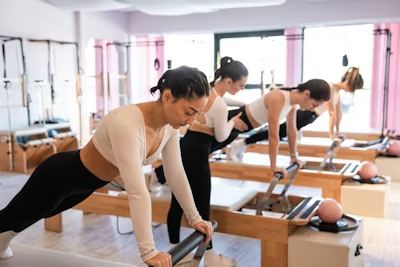
Comfort in activewear depends on several factors: fit, material softness, breathability, and elasticity. Common sources of discomfort include chafing, pressure points from tight seams, and restricted movement due to stiff fabrics. When these issues are present, they can limit range of motion, reduce the enjoyment of the workout, and sometimes even lead to minor injuries.
Soft fabrics, particularly those described as buttery, address many of these concerns. Their smooth texture reduces friction against the skin, and their flexibility accommodates a full range of motion without constraint. Moreover, garments made from soft fabrics conform gently to the body, distributing pressure evenly rather than concentrating it in small areas, which helps prevent irritation over extended periods of activity.
The unique feel of buttery soft workout clothes comes from careful selection of fibers and advanced textile construction. Materials such as modal, microfiber, and high-quality cotton blends are often combined with elastic fibers like spandex to create garments that stretch and recover seamlessly. The knitting or weaving method, along with finishing processes, contributes to the softness and smooth texture that feels pleasant against the skin.
Beyond the tactile sensation, these fabrics often offer breathability and moisture management. They wick sweat away from the skin, helping regulate body temperature and reducing discomfort during intense or prolonged exercise. By maintaining a consistent, dry surface, soft fabrics allow the wearer to focus on their movements rather than constantly adjusting clothing or dealing with stickiness and friction.
One of the most important aspects of workout comfort is the ability to move freely. Buttery soft fabrics stretch in multiple directions, accommodating the wide variety of motions required in different exercises. Yoga poses, lunges, jumping, twisting, and bending all benefit from clothing that moves with the body rather than against it.
Seam placement also plays a significant role. Garments designed with flatlock seams or seamless construction reduce potential friction points. This not only enhances comfort but also prevents chafing, particularly in areas that experience frequent movement or contact, such as under the arms, along the sides, or around the hips. The combination of soft fabric and thoughtful design supports a natural, unrestricted range of motion in every activity.
Workout clothing can affect how the body manages heat and moisture. Soft fabrics typically feature a breathable structure that allows air circulation close to the skin, aiding in temperature regulation. Moisture-wicking properties draw sweat away from the body, promoting evaporation and helping maintain a comfortable temperature throughout a workout.

This adaptive comfort is important in both high-intensity and low-intensity exercise. During intense cardio sessions, breathable soft fabrics prevent overheating, while in slower, mindful practices like yoga or Pilates, the gentle material helps maintain a comfortable skin temperature without causing chills or heat buildup.
Wearing comfortable clothing affects not only the physical experience of exercise but also the mental focus. When clothing is smooth, non-restrictive, and well-fitted, it reduces distraction. Athletes and exercisers can concentrate on technique, form, and endurance rather than adjusting their clothes or dealing with discomfort.
Feeling physically comfortable can also enhance confidence and motivation. When clothing accommodates natural movement and feels pleasant, people are more likely to maintain consistent routines. This psychological benefit, though subtle, contributes significantly to the overall effectiveness of workouts.
While softness and comfort are primary considerations, durable fabrics ensure that garments remain functional over time. Buttery soft fabrics are often engineered to retain their texture and elasticity despite repeated stretching and washing. Quality materials maintain their shape and avoid sagging, which allows wearers to experience consistent comfort over months of use.
The combination of softness and durability makes these garments a practical choice for anyone seeking clothing that can endure the demands of daily exercise without losing its comfort or performance properties.

Buttery soft workout clothes are suitable for a variety of exercises:
Yoga and Pilates: Soft, flexible fabrics allow for deep stretches and holding poses comfortably.
High-Intensity Interval Training (HIIT): Smooth, flexible materials reduce friction during fast, repetitive movements.
Running and Cardio: Lightweight, breathable fabrics minimize irritation over extended periods.
Strength Training: Clothing stretches easily while accommodating lifting or resistance work without constraining movement.
This versatility makes them a reliable choice for individuals who participate in multiple types of workouts.
Soft workout clothes are also practical in terms of care. Most buttery soft fabrics can be washed without losing their texture or elasticity. This convenience encourages regular use, making them suitable for daily exercise routines. In addition, their softness and flexibility allow for multi-purpose wear; many people find that buttery soft activewear is comfortable enough to wear casually outside the gym, which adds value beyond exercise sessions.
Selecting appropriate activewear involves more than just picking soft fabrics. Correct sizing ensures that the garments move with the body without compressing excessively. Evaluating material quality and flexibility is essential, especially for individuals with frequent or intense workouts. Practical considerations include fabric breathability, stretchability, and durability to ensure long-lasting comfort and support across multiple workout types.
Athletes and casual exercisers often notice subtle but significant improvements when wearing soft, well-designed clothing. Reduced irritation allows for longer sessions, better posture is maintained during stretching or lifting, and overall focus improves. Many exercisers report that the tactile comfort of buttery soft fabrics positively influences motivation, endurance, and enjoyment during workouts, which ultimately supports consistency and long-term engagement with exercise routines.
In summary, buttery soft workout clothes provide a combination of tactile comfort, flexibility, temperature regulation, and psychological benefits that enhance the overall exercise experience. Their durability, ease of care, and versatility make them suitable for a wide range of workouts, from high-intensity training to mindful practices like yoga and Pilates.
For those seeking reliable, comfortable, and thoughtfully constructed activewear, companies like Jinhua Yongxing Knitting Co., Ltd specialize in producing garments that integrate high-quality materials and advanced knitting techniques. Their designs ensure that each piece of activewear delivers the softness, flexibility, and functionality necessary for a comfortable and effective workout experience, making them a trusted source for durable, buttery soft workout clothes.
Copyright © Jinhua Yongxing Knitting Co., Ltd.
 Seamless Yoga Sets


 English
 русский
 Español