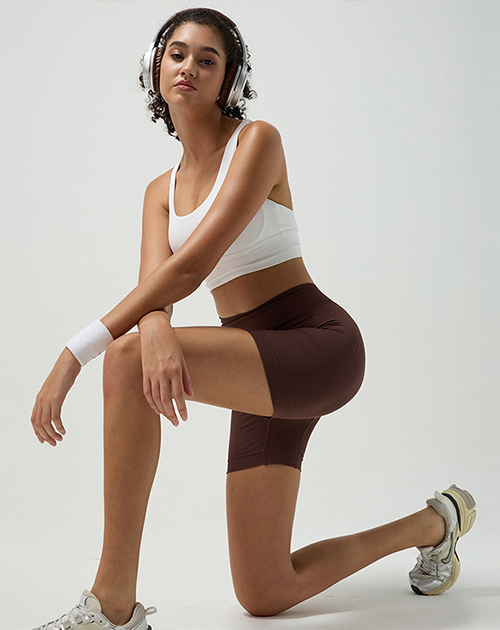
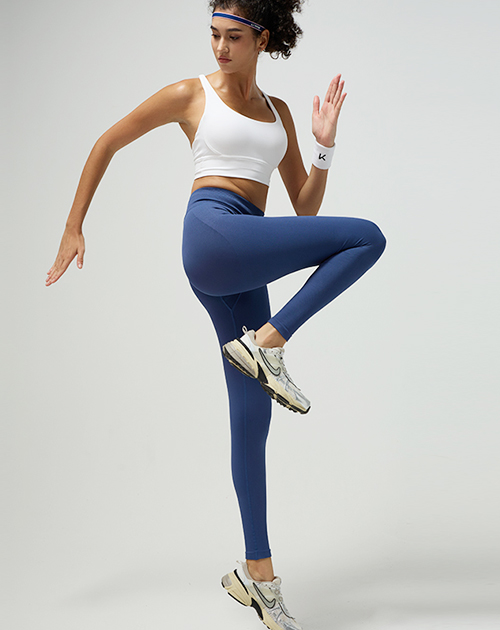
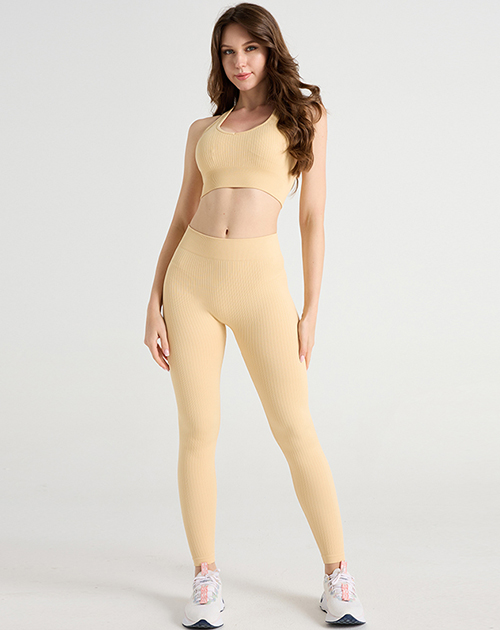
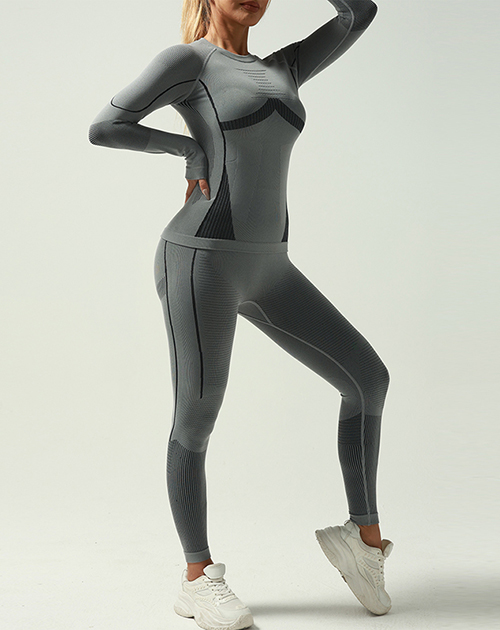
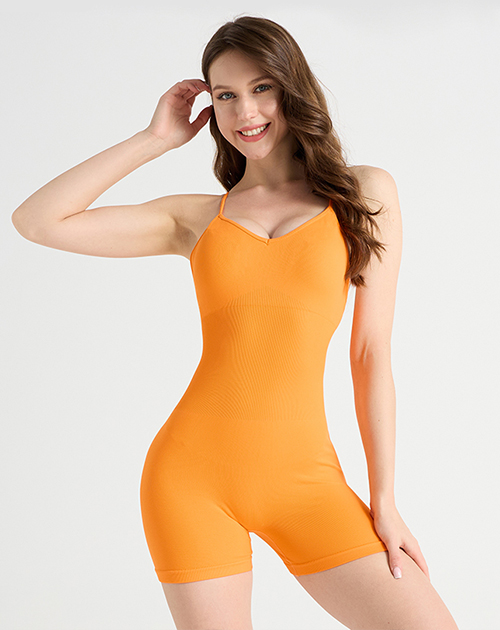
Seamless high-waisted yoga pants are often seen in studios, gyms, and daily activewear settings. At first glance, they look simple and similar across different brands and styles. But when people actually use them in yoga or fitness routines, the experience can feel quite different depending on movement type, fabric behavior, and how the garment interacts with the body.
This is why the question comes up often. Are they more suitable for yoga practice, where movements are slow and controlled, or for fitness routines, where motion is faster and more dynamic
The answer is not one-sided. It depends on structure, comfort expectations, and how the fabric responds under different conditions.
Seamless high-waisted yoga pants are made using circular knitting technology instead of traditional cutting and stitching. The garment is formed in one continuous process, which allows different zones of fabric behavior to be built directly into the structure.
Even though they look smooth and uniform from the outside, internally they are not the same throughout. Different areas can behave differently based on knitting density and yarn arrangement.
These zones usually include:
This structure is what makes them suitable for both yoga and fitness use, but in slightly different ways.
To understand suitability, it helps to look at how yoga and fitness activities differ.
Yoga routines generally involve:
Fitness routines often include:
Because of these differences, fabric performance requirements are not identical.
Yoga often needs stability and smooth support. Fitness routines often need flexibility and recovery response.
Seamless construction plays an important role because it reduces stitched seams that can cause friction during movement. Instead of stitched panels, support is created through knitting variation.
This allows the garment to adapt more naturally to body movement.
Key advantages include:
However, the same structure can behave differently depending on activity type.
Fabric structure is one of the most important factors influencing comfort.
In seamless yoga pants, structure controls:
When used in yoga, the structure is often experienced as calm and stable. During fitness routines, the same structure is tested more dynamically due to repeated motion and direction changes.
For yoga practice, seamless high-waisted yoga pants are often well aligned with movement requirements.
During yoga sessions, the body usually stays in controlled positions for longer periods. This means the fabric does not experience sudden force changes as often.
In this context, benefits may include:
The high-waist design also helps maintain position during bending and stretching, which is common in yoga movements.
However, comfort still depends on balance. If the structure is too tight, it may feel restrictive during deep stretches. If it is too loose, it may shift during poses.
Fitness routines introduce more dynamic movement patterns. This means the fabric is under more frequent tension changes.
In this environment, seamless yoga pants are evaluated differently.
Possible advantages include:
However, the structure must handle recovery well. If the fabric does not return quickly after stretching, it may feel less stable during continuous movement.
This is why fitness use often highlights fabric recovery behavior more than appearance or softness.
| Feature | Yoga Routine | Fitness Routine |
|---|---|---|
| Movement type | Slow and controlled | Fast and repeated |
| Fabric stress | Low to moderate | Moderate to high |
| Comfort focus | Stability and smooth feel | Flexibility and recovery |
| Waist behavior | Steady positioning | Continuous adjustment |
| Fabric demand | Consistency | Elastic response |
The high-waist structure is not only about appearance. It also affects how pressure is distributed across the body.
In yoga, it supports slow movements and helps maintain position during stretching.
In fitness routines, it helps keep the garment stable during repetitive motion.
A balanced high-waist design should:
If the design is not balanced, users may notice rolling, shifting, or uneven pressure depending on activity type.
Breathability is another factor that influences both yoga and fitness use.
Seamless knitting allows designers to adjust density in different areas, which affects airflow.
Common ventilation zones include:
During yoga, breathability supports long holds and calm breathing. During fitness routines, it helps manage heat generated by repeated movement.
Without proper airflow, the fabric may feel heavier over time.
Stretch behavior is not only about elasticity level, but also direction.
Different stretch directions include:
Yoga benefits more from controlled, stable stretch. Fitness routines benefit from responsive stretch that adapts quickly to movement changes.
If stretch is not controlled properly, issues such as shifting or loss of shape may appear during activity.
Surface texture also contributes to comfort, especially during longer wear.
Seamless construction reduces stitching lines, but knitting patterns still affect how the fabric feels.
Smooth areas reduce friction during movement, while slightly structured zones help maintain position.
During yoga, smoothness is more noticeable during floor contact. During fitness routines, texture may help maintain stability during motion.
Shape recovery refers to how well the fabric returns to its original form after being stretched.
This is important for both yoga and fitness use, but it becomes more noticeable in fitness routines due to repeated movement cycles.
Good recovery behavior helps:
If recovery is weak, the garment may gradually feel different even if it still looks unchanged.
Users often describe comfort in simple ways, but these experiences usually connect back to fabric structure.
Examples include:
These differences are normal and related to how the garment is designed to handle different movement types.
Even without technical knowledge, a few simple observations can help:
These checks give a clearer idea of whether the pants feel more suitable for yoga, fitness, or both.
Seamless yoga pants continue to evolve as knitting techniques improve. The focus is shifting toward more balanced performance across different activity types.
Current development trends include:
These improvements aim to make seamless garments more adaptable to multiple usage scenarios.
Seamless high-waisted yoga pants are not limited to one type of activity. They can be used for both yoga and fitness routines, but the experience is slightly different depending on movement style.
For yoga, they tend to provide stable support and smooth comfort during controlled movement. For fitness routines, they offer flexibility and response during dynamic activity.
The key factor is not choosing one over the other, but understanding how fabric structure, stretch behavior, and design balance influence performance in different situations.
When these elements work together, seamless yoga pants can support a wide range of movement needs in a consistent and comfortable way.
Copyright © Jinhua Yongxing Knitting Co., Ltd.
 Seamless Yoga Sets


 English
 русский
 Español