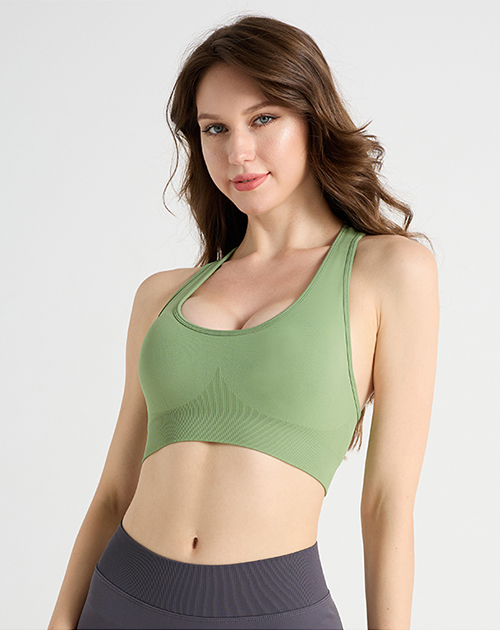
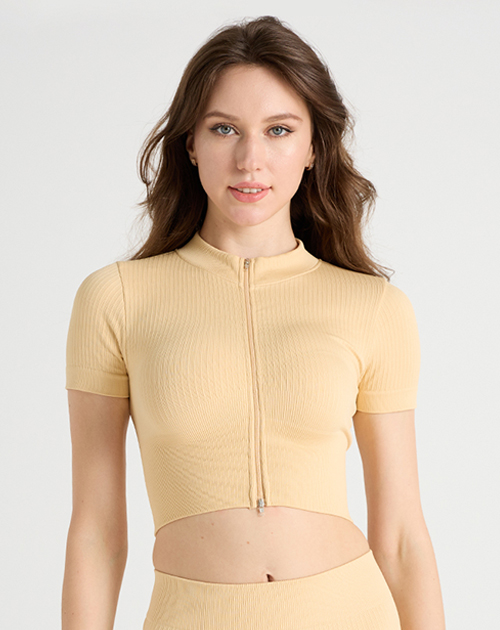
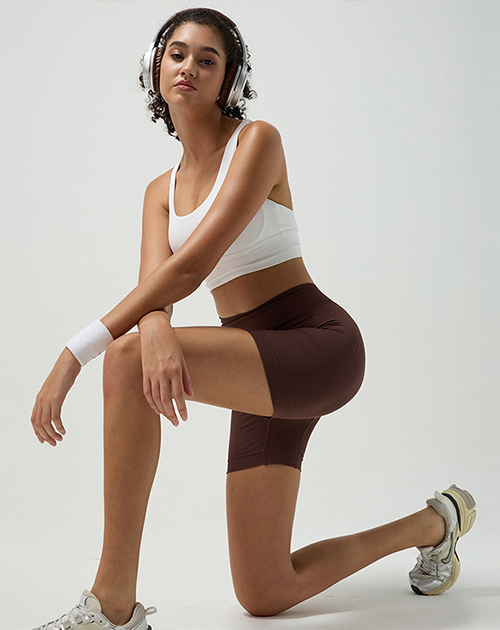
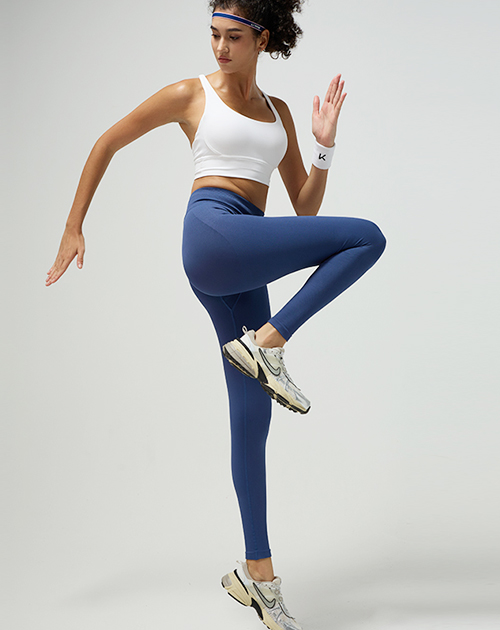
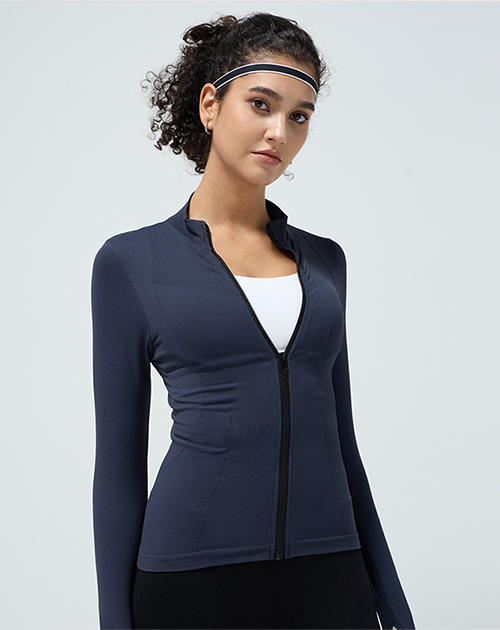
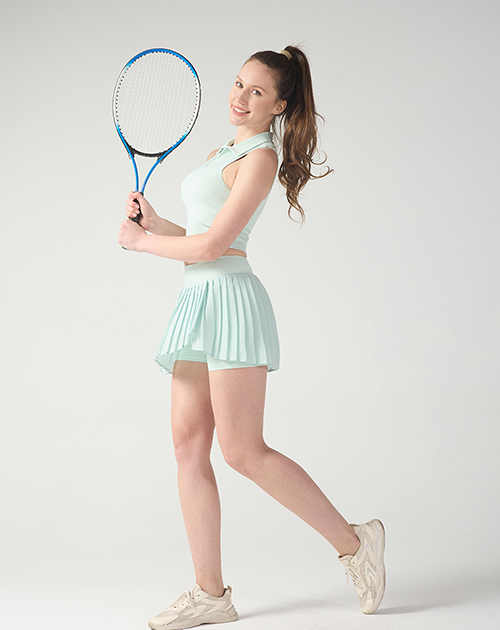
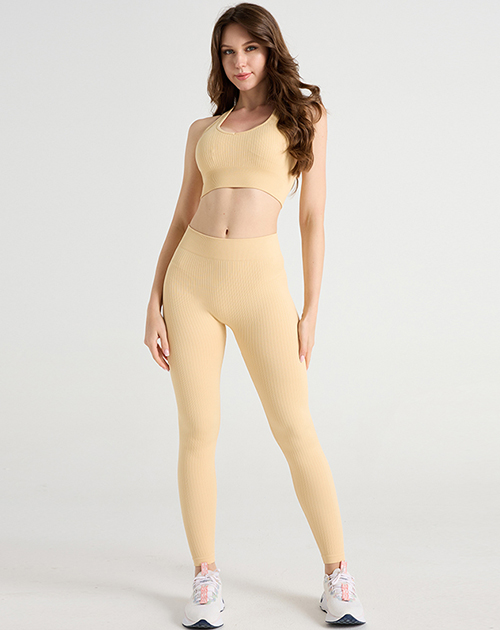
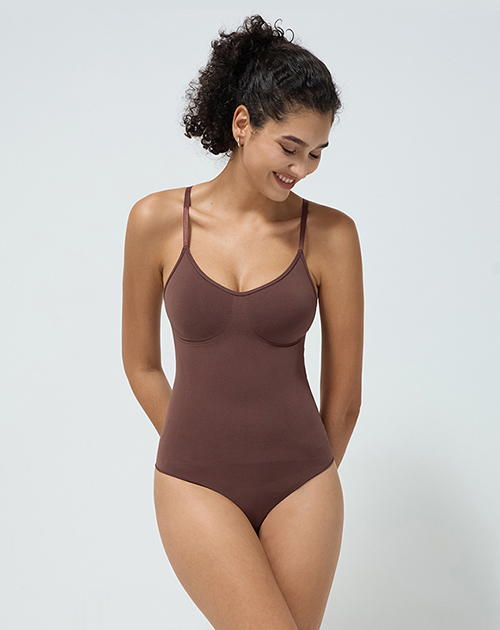
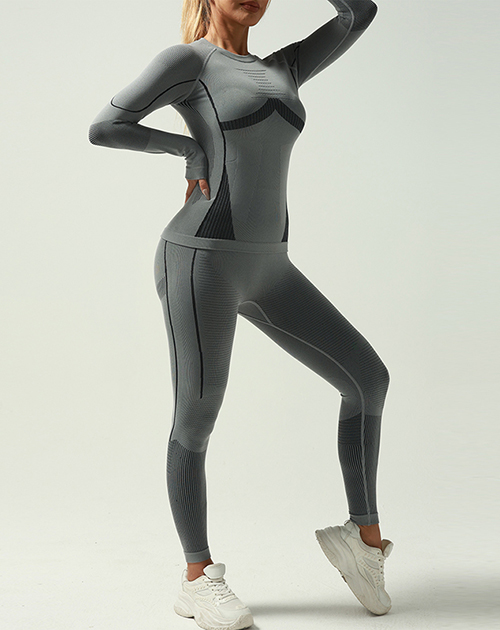
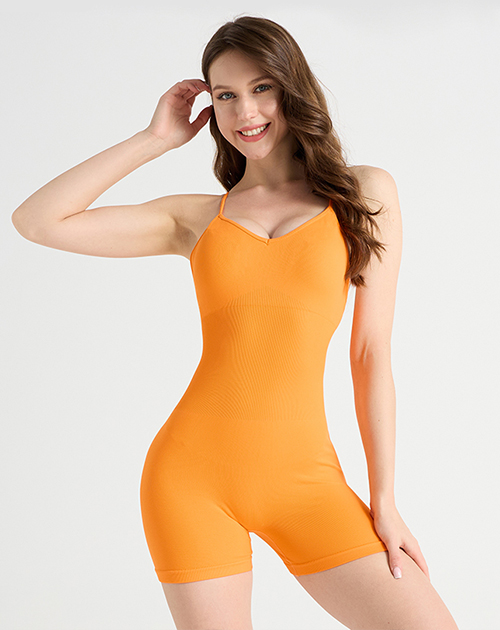
Yoga Sports Pants are often used in both movement-based activities and everyday routines, which makes comfort feel less like a fixed feature and more like something that changes depending on how the garment behaves in motion.
In real use, people tend to notice small things first, such as how the fabric reacts when walking, stretching, or sitting for a longer time. These small reactions usually matter more than appearance alone.
Fabric performance is usually noticed after repeated wear rather than at the beginning. A material can feel fine at first, but behave differently once it is exposed to movement, heat, or longer hours of use.
Some users describe the difference in a simple way, like "it feels light at first, but later it either stays comfortable or starts feeling tight in certain areas." That difference often comes from how the fabric is built rather than how it looks.
A few practical aspects tend to influence this experience:
| Fabric Behavior Factor | What It Changes During Wear |
|---|---|
| Surface interaction | Affects friction during movement |
| Moisture response | Changes how comfortable it feels over time |
| Shape stability | Impacts how it holds after stretching |
| Material consistency | Influences long term wearing comfort |
In Yoga Sports Pants, fabric choice is often about balancing softness with stability, rather than focusing only on one direction of comfort.
A four way stretch structure allows fabric to respond in multiple directions instead of pulling in just one. This becomes noticeable during movements that combine bending, twisting, and extending at the same time.
In practice, the experience is not always dramatic, but it shows up in small moments:
Some materials feel slightly more firm, while others feel softer and more relaxed. Neither is automatically better, but the difference becomes clear once movement becomes continuous.
Fit stability is rarely about one single element. It usually comes from how different parts of the garment work together while the body is moving.
For example, during walking or light training, people often notice whether they need to adjust the waistband or pull the legs back into place. That kind of adjustment is usually a sign of structure imbalance.
A few key factors often influence this:
In Yoga Sports Pants, small construction choices can create noticeable differences once movement becomes repetitive rather than static.
High waist construction is often chosen because it interacts with the body in a more anchored way, especially around the midsection. This does not mean it feels the same for everyone, but it does create a more consistent wearing position for many users.
In everyday situations, it often feels like:
Some people prefer a lighter waist feeling, while others prefer more coverage. This difference is usually personal rather than functional, which is why the design remains widely used across different settings.
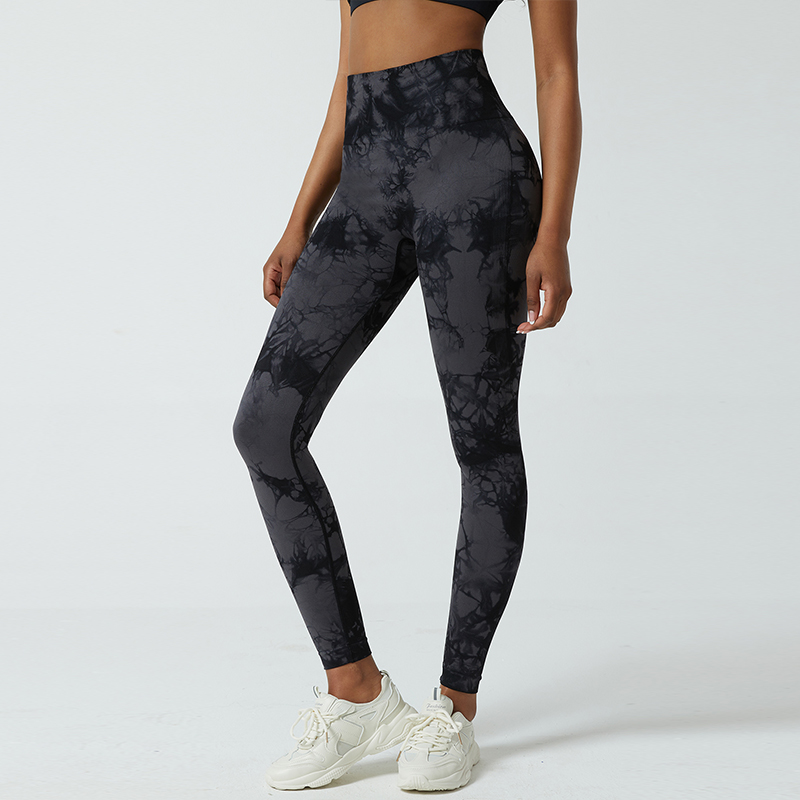
Smoothness is usually something people notice in small moments rather than as a fixed feature. Walking across a room, sitting down, or even adjusting posture can slightly change how the fabric feels against the skin.
Sometimes it feels almost unnoticeable at first, then becomes clearer after longer wear.
A few things tend to shape that feeling:
It is not always about softness alone. Two pieces can feel similar at first but behave differently once the body starts moving more naturally through the day.
Different situations place different expectations on the garment. What works for stretching might feel slightly too loose for walking, while something stable for movement can feel a bit firm when sitting for long periods.
So the choice often depends on how the day actually looks rather than a fixed category.
Some people notice patterns like this:
It is less about technical labels and more about how it behaves when switching between actions.
Seamless construction changes the experience in a quiet way. Instead of seeing stitched lines or feeling transitions between panels, the surface feels more continuous when the body moves.
You may not notice it immediately, but during bending or twisting, the difference becomes clearer.
| Aspect | What it changes in wear |
|---|---|
| Fewer seams | Less friction in motion |
| Continuous structure | More uniform skin contact |
| Reduced transitions | Smoother movement flow |
| Flexible shaping | Better adaptation to posture changes |
It is not dramatic, but it becomes noticeable in repeated movement.
When one piece is expected to work in more than one setting, people usually pay attention to how easily it fits into different parts of the day.
For example, something worn during training may also need to feel fine when going out or staying at home later.
Common considerations include:
What stands out is often not one feature, but how stable the experience feels across different situations.
Copyright © Jinhua Yongxing Knitting Co., Ltd.
 Seamless Yoga Sets


 English
 русский
 Español