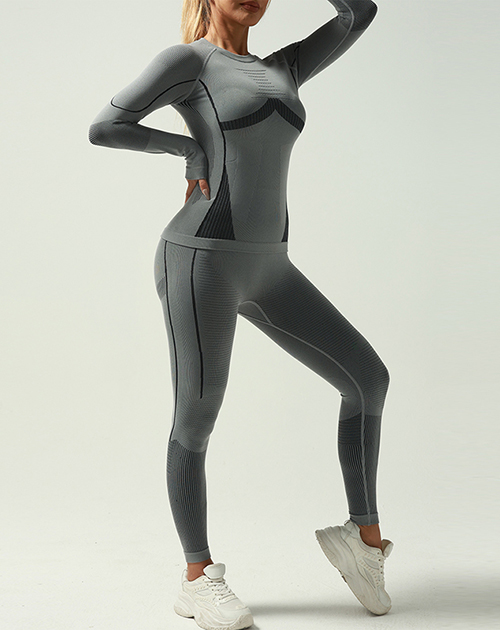
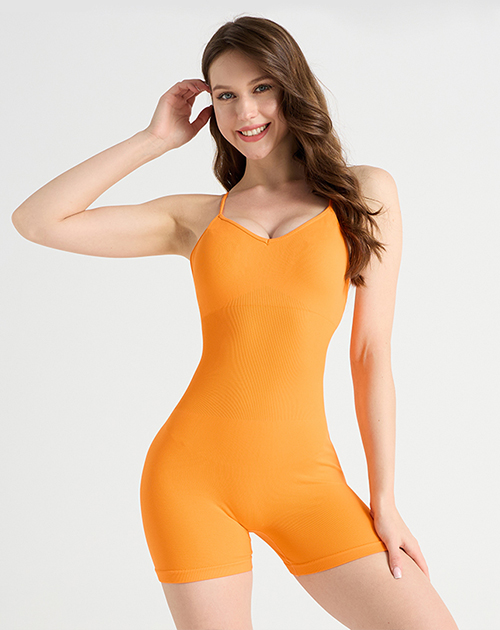
Seamless leggings used to live almost exclusively in gym bags and yoga studios. That's changed. These days people wear them to run errands, catch a flight, work from the kitchen table, walk the dog, or grab coffee with friends. The flexible fit and clean, simple look just happen to work well for a lot of daily situations that have nothing to do with exercise.
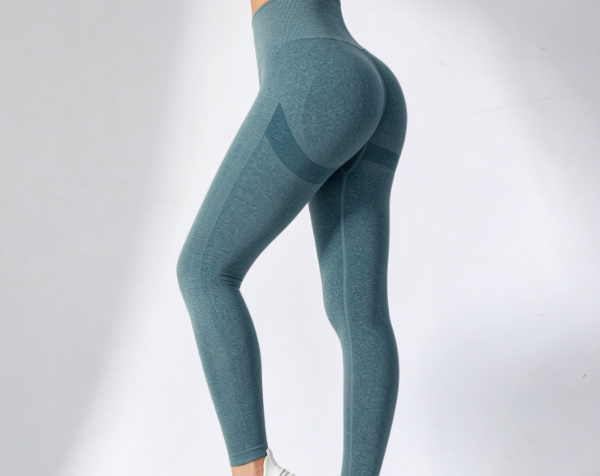
Comfort has quietly become a bigger priority in how people dress generally. There's real demand for clothing that moves with the body instead of fighting it, and seamless leggings can deliver on that — though how well really comes down to fabric, design, fit, and what they're actually built for.
This shift opens real opportunity for clothing brands too. Leggings meant for daily wear often need different colors, textures, waist designs, and styling details than anything built purely for a workout. Knowing what actually makes seamless leggings work for everyday use helps both shoppers and buyers make smarter calls.
Seamless leggings get produced through knitting methods that build most of the garment as one continuous piece. Compare that to leggings stitched together from separate fabric panels, and there's noticeably fewer seams running across the main body. Exact construction still varies by manufacturing method and design, though.
Fewer seams usually means a smoother look. It can also cut down on friction wherever stitching might otherwise rub against skin — handy for long wear, especially during activities involving a lot of movement.
Worth clarifying, though: "seamless" doesn't mean zero seams anywhere. Waistbands, gussets, hems — these areas typically still involve some construction detail. Where those details sit, and how they're finished, shapes a lot of how the leggings actually feel day to day.
Regular leggings run the gamut too. Some use soft stretch fabric with flat seams; others go for compression or a more structured feel. So the real divide between seamless and conventional isn't just about comfort in some abstract sense — fabric quality, garment shape, and overall construction all shape the final experience just as much.
For everyday clothing, seamless designs give a clean, flexible starting point. They pair easily with casual tops, oversized shirts, knitwear, hoodies, light jackets. That simple outline also lets designers build pieces that straddle both activewear and casual collections without much friction.
Comfort is probably the single biggest reason leggings end up in daily rotation. A well-made pair stretches as the body moves, which makes sitting, walking, bending, all the ordinary stuff, a lot easier. Unlike structured trousers, leggings don't depend on a rigid waistband or stiff fabric to hold their shape.
Fabric does most of the heavy lifting here. Soft materials feel good against skin; the right stretch moves with the wearer instead of resisting. Breathability matters a lot too, especially for anyone wearing leggings all day or spending time somewhere warm.
The waistband deserves its own attention. Too tight, and it creates real pressure around the abdomen during long sitting stretches. Too loose, and it rolls down or needs constant adjusting. The sweet spot is a secure fit that doesn't fight ordinary movement.
Comfort also shifts depending on position. A pair that feels perfectly fine standing up can suddenly feel restrictive once you're sitting at a desk or bending to grab something off the floor. Testing the garment through a few common movements tends to reveal problems that just don't show up looking at it on a hanger.
And honestly, a lot of this comes down to personal taste. Some people like that close, compressive fit; others want something softer and looser. Seamless leggings work for everyday wear when the construction and fit actually match what the wearer wants — not just because they're following whatever style happens to be trending.
Fabric choice shapes softness, flexibility, breathability, look, and how much care the garment needs. For everyday leggings specifically, the material has to hold up through regular movement while still feeling good during downtime. A fabric built mainly for intense workouts might not deliver what someone actually wants from casual wear.
Stretch fibers usually get blended with other materials to help leggings keep their shape over time. The exact blend affects fit and how well the fabric bounces back after stretching. A good fabric choice allows natural movement without feeling too tight, and without going baggy after a few wears.
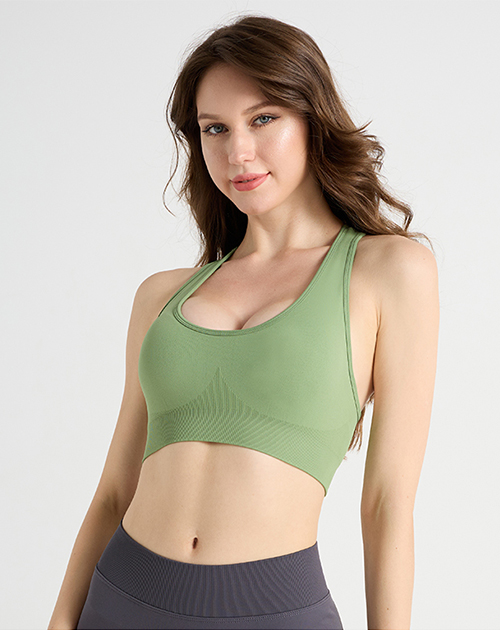
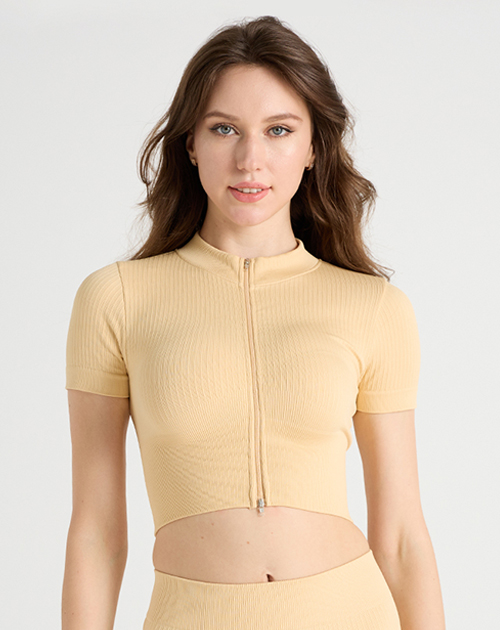
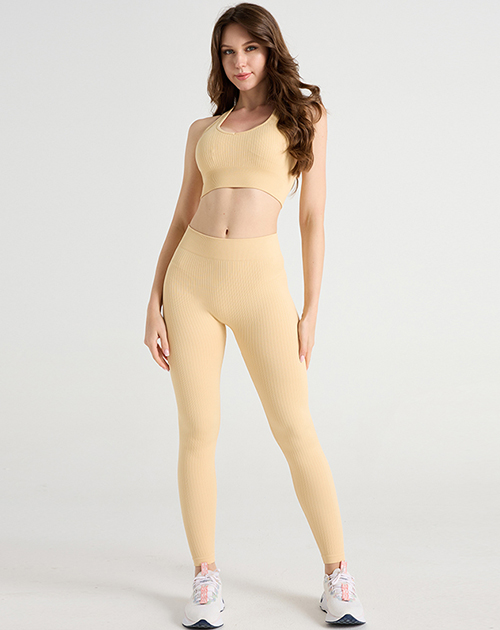
Surface texture matters for how leggings slot into a daily wardrobe too. Smooth fabric reads as simple and understated. Ribbed or textured material adds visual interest, pushing the garment closer to casual fashion territory. These small variations let brands offer different styles without touching the basic function underneath.
Breathability becomes important the longer leggings get worn. Fabric that moves heat and moisture away from skin helps a lot during walking, commuting, general daily movement. But fabric performance isn't about one feature in isolation — composition, structure, thickness, and finishing all combine to determine how it actually performs.
Worth weighing when developing or picking everyday seamless leggings:
No fabric works for every wearer or every situation, honestly. Lightweight suits warm weather; something heavier works better in cooler months. Brands do better tying fabric choice to actual intended use rather than picking based on looks alone.
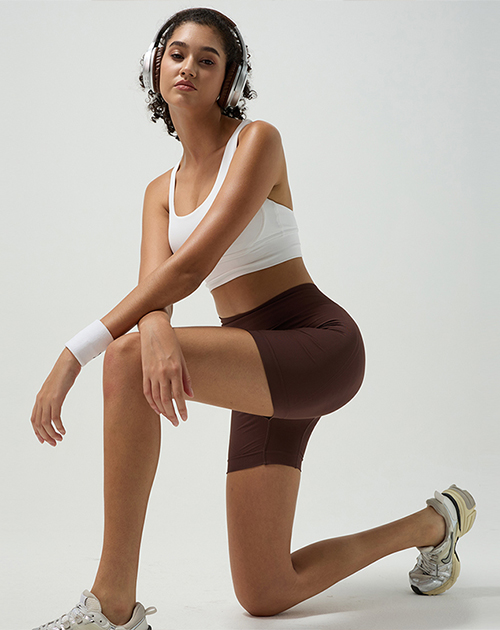
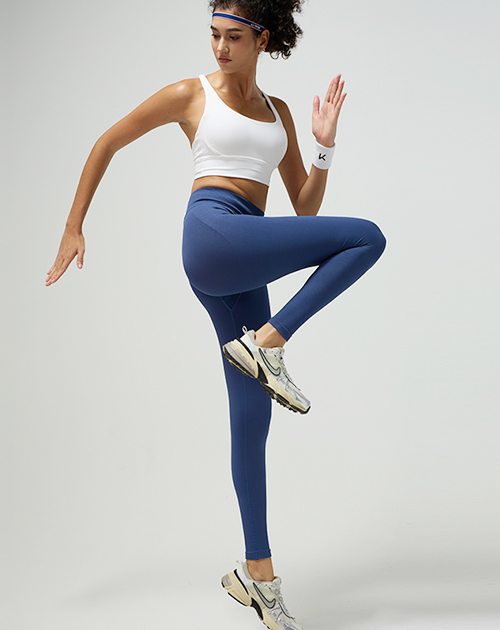
Part of why seamless leggings fit so easily into casual wardrobes comes down to their simple shape. They work with all kinds of top lengths and styles, letting people build full outfits without owning a closet full of separate pieces. Small shifts in color, texture, footwear, layering can swing the whole look from sporty to relaxed in minutes.
For a casual daytime look, pair leggings with a loose T-shirt, sweatshirt, or oversized shirt — relaxed, easy, works fine for shopping, walking around, meeting friends. Neutral colors make coordinating outfits a lot simpler, while muted seasonal shades add some variety without becoming a styling headache.
Cooler weather opens things up further — knitwear, long coats, layered jackets all pair well. The close fit on the bottom half balances out looser layers on top, giving a clean, simple silhouette. Boots, casual shoes, trainers — whatever fits the setting and personal taste.
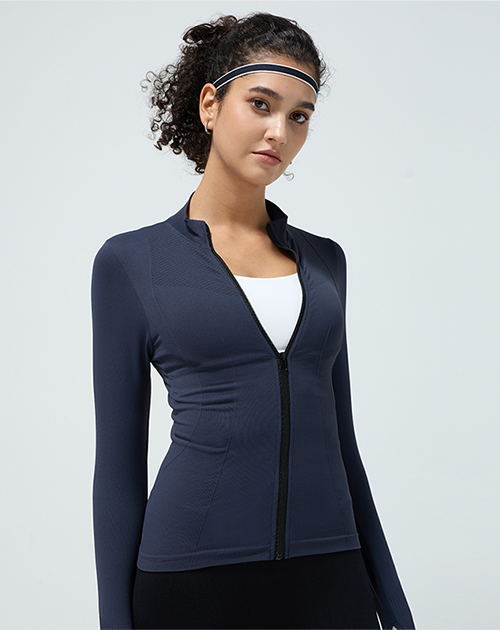
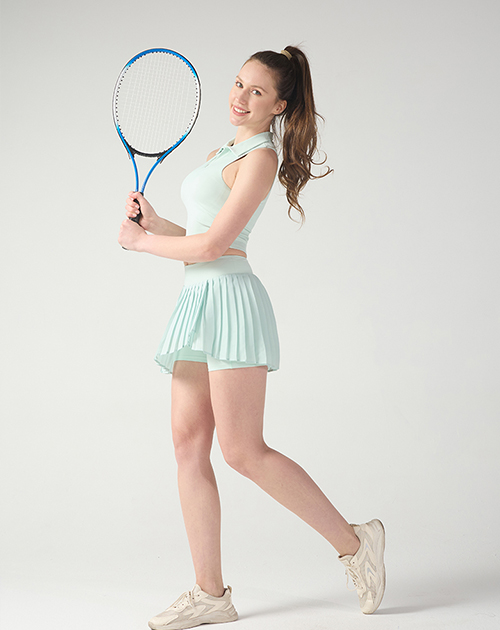
Some people lean fully into a coordinated activewear look too — matching leggings with a sports top, zip-up jacket, or lightweight sweatshirt for something that moves smoothly from a walk straight into a coffee stop. Here, waistband shape, surface texture, color coordination end up mattering just as much as any technical sports feature.
Setting should really guide the styling choice, though. Leggings might work fine for informal workplaces or remote work, depending on local norms — but more formal occasions usually call for trousers or something structured differently. Everyday versatility doesn't mean one item covers every social or professional situation out there.
Brands can support this wider range of uses by steering designs away from looking exclusively like gym gear. Subtle textures, balanced colors, simple waistbands, well-considered proportions — all of this makes seamless leggings a lot easier to fold into a broader wardrobe.
Fit directly shapes both comfort and how a garment looks on. Even genuinely soft fabric feels bad if the fit's too tight, while too much looseness causes leggings to shift around during movement. A well-planned design follows the body's shape without creating unnecessary pressure or demanding constant readjustment.
Waistband construction is one of the first things worth checking closely. High-waisted leggings give a secure feel and extra coverage, appealing to people who want that. Mid-rise offers a different look entirely, suiting different body shapes or style preferences. Neither works for everyone, which is exactly why a range benefits from offering multiple fits.
Leg length matters too. Full-length suits casual outfits and cooler weather; cropped styles fit warmer conditions or particular fashion leanings. Length needs checking during actual walking, sitting, bending — not just judged by how it looks standing still in a mirror.
The crotch area and inner-leg construction deserve real attention, since these spots see the most movement and friction. Fabric placed wrong, or joins that feel uncomfortable, can genuinely limit mobility. A good design lets the wearer move naturally — no pulling, twisting, or weird pressure points distracting from the day.
For manufacturers, fit development really shouldn't stop at checking one sample on one model. Different bodies interact with the same garment pretty differently. Reviewing across a range of sizes helps confirm the waistband, hip area, leg shape, overall length all hold up consistently with the intended design.
Worth asking when evaluating samples:
These checks help buyers judge leggings as real garments for real daily use — not just something that photographs well.
Seamless leggings can genuinely work year-round, as long as fabric weight and styling actually match the weather. The garment shape adapts easily enough; it's the material and layering choices that really decide how comfortable it feels in different conditions.
Warmer months call for lighter fabric, generally — paired with breathable tops, short sleeves, casual footwear. But even lightweight material still needs to hold proper coverage and support. If fabric turns too transparent once stretched, it's just not cutting it for everyday wear, however light and breathable it feels.
Cooler weather opens up pairings with longer tops, sweaters, jackets, coats. Some people prefer thicker fabric or a brushed surface for extra warmth here. These choices extend leggings well beyond indoor workouts or mild-weather use.
Layering also lets a single pair cover a lot of ground. A simple design works with a T-shirt during the day and shifts easily under a long knit top come evening. That flexibility appeals a lot to shoppers who want clothing they can genuinely reuse across different outfits.
Weather isn't the only seasonal factor either. Color and texture shape how a piece fits into a wider collection. Darker shades and heavier-looking textures tend to suit colder stretches; lighter colors and more open styling lean warmer-season. These stay design choices rather than hard rules, though, and preferences shift a lot across different markets.
For retailers, a seasonal lineup can mix fabric weights, colors, and leg lengths while still holding onto a recognizable product identity. Manufacturers can help buyers work out whether these variations actually need different materials, construction tweaks, or fit adjustments.
Brands and retailers need a genuinely different evaluation lens for everyday seamless leggings compared to anything built purely for workouts. These get worn longer, paired with a much wider range of clothing, and washed more often. Performance needs judging against those ordinary, repeated conditions.
Product development works best starting with a clear picture of the target customer and intended use. A line aimed at casual daily wear probably prioritizes softness, look, flexible styling, easy care. Something meant to straddle exercise and everyday wear needs to balance coverage, moisture handling, and secure fit all at once.
Sample evaluation matters a lot here. Buyers should check the garment standing, sitting, walking, bending — testing whether fabric stretches evenly, whether the waistband holds its position, whether it feels good against skin. Washing and wear testing can reveal shifts in shape, texture, color, elasticity that don't show up otherwise.
Visual consistency matters too. Customers expect leggings within the same style to share a similar fit, surface look, color. Manufacturers need clear product requirements set up front, checking samples against the agreed design closely — that's what keeps gaps between the approved sample and later production batches from creeping in.
Clear communication between buyer and manufacturer really smooths the whole development process. Buyers should spell out intended use, preferred fabric feel, size range, colors, labeling, packaging clearly. If a design's meant for everyday wear rather than hard exercise, that distinction needs stating upfront during planning, not discovered later.
Common areas worth discussing with a manufacturing partner:
| Evaluation Area | What Buyers Should Check | Why It Matters for Daily Wear |
|---|---|---|
| Fabric selection | Softness, stretch, coverage, and breathability | Influences comfort during extended use |
| Fit development | Waistband, hip shape, leg length, and size grading | Helps the garment suit different body shapes |
| Construction | Seam placement, finishing, and fabric joining | Reduces potential irritation and fit problems |
| Product testing | Movement, washing, and shape retention | Helps identify issues before wider production |
| Design options | Colors, textures, and waistband styles | Supports different customer preferences |
| Production communication | Sample approval and clear product requirements | Helps maintain consistency across orders |
A Seamless Leggings Manufacturer with real product development experience helps turn a design brief into something people actually want to wear. Buyers still need to review samples themselves and confirm the construction matches what they expected. Clear communication and hands-on testing beat relying on generic claims about a product category every time.
Before committing to seamless leggings for a full day, it's worth thinking through fit, fabric, activity, and plain personal comfort. A pair that feels great on a short walk might feel completely different after hours of sitting or commuting. Daily wear puts varied demands on clothing, so checking how it actually performs across common situations is worth the five minutes.
Fit should allow free movement without pressure building around waist, hips, or legs. The waistband needs to stay put without digging in. If fabric pulls sharply anywhere or needs constant adjusting, a different size or design is probably the better call.
Coverage matters just as much. Check the leggings in natural light, see how fabric behaves bending or sitting. Material that looks opaque standing still can turn more see-through once stretched. Getting coverage right makes the whole garment feel a lot more practical for actual daily life.
Care instructions shouldn't get skipped either. Repeated washing wears on some fabrics fast, especially with too much heat or rough washing. Sticking to the manufacturer's care guidance keeps the fabric's feel and shape intact a lot longer.
Personal preference stays central through all of this. Some people genuinely love the close fit of seamless leggings; others would rather have trousers with a looser cut. The right call also depends on activity, climate, dress expectations, and just how long the garment's actually getting worn that day.
Seamless leggings make a genuinely useful everyday option when the design balances comfort, coverage, fit, and appearance well. For shoppers, trying the garment through normal movement gives a far clearer read on whether it actually works. For brands and manufacturers, careful fabric choice, real fit development, hands-on sample testing, and clear communication are what actually produce leggings that serve customers well beyond the gym floor.
Copyright © Jinhua Yongxing Knitting Co., Ltd.
 Seamless Yoga Sets


 English
 русский
 Español