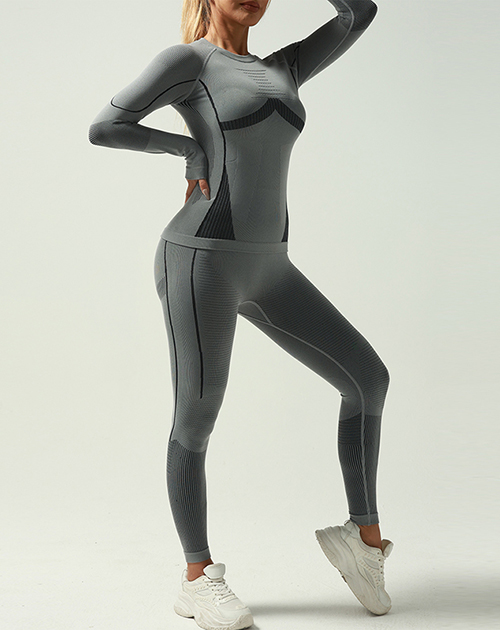
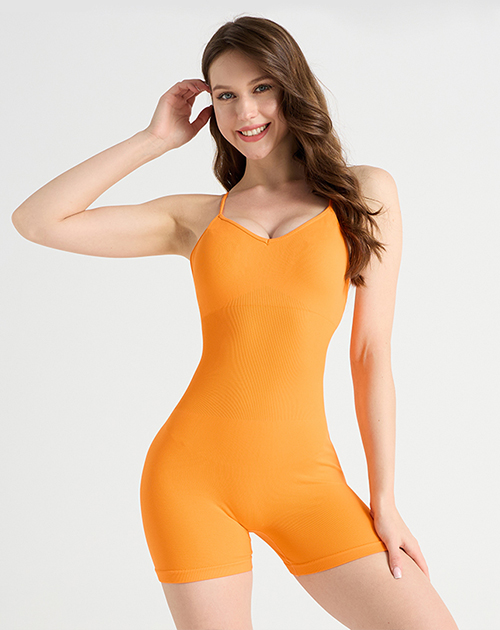
Running clothing has changed along with the way people approach exercise. Many runners now look for clothing that can work during training while also fitting into a wider activewear wardrobe. Leggings are part of this shift. They can be used for running, stretching, gym sessions, walking, and casual activities.
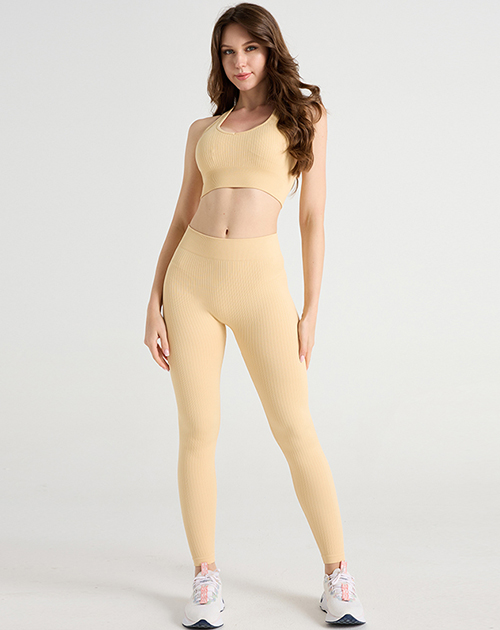
Seamless Running Leggings have become one option within this category. Their construction uses fewer conventional seams in selected areas, creating a different garment structure from many traditional leggings. The design can also support a clean appearance and close fit.
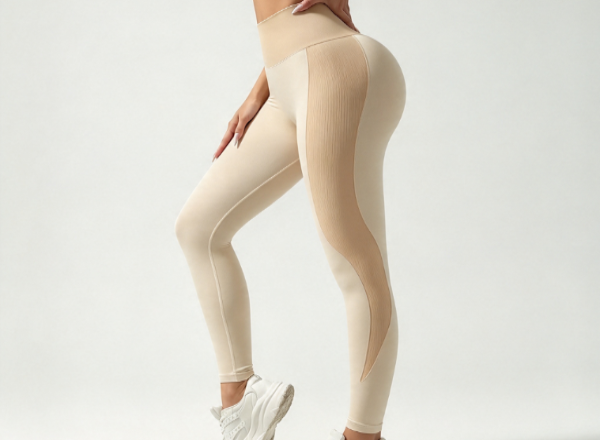
The term "seamless" does not mean that the garment has no stitching anywhere. It generally describes the way major parts of the garment are formed. Some areas may still include joined sections or other construction details.
Where these leggings are used depends on their design, fabric, fit, and intended purpose. A pair created for running may have different features from one designed mainly for casual wear.
For activewear brands, manufacturers, and buyers, understanding the common application areas can make product planning easier. It also helps explain why seamless running leggings can appear in several parts of the activewear market.
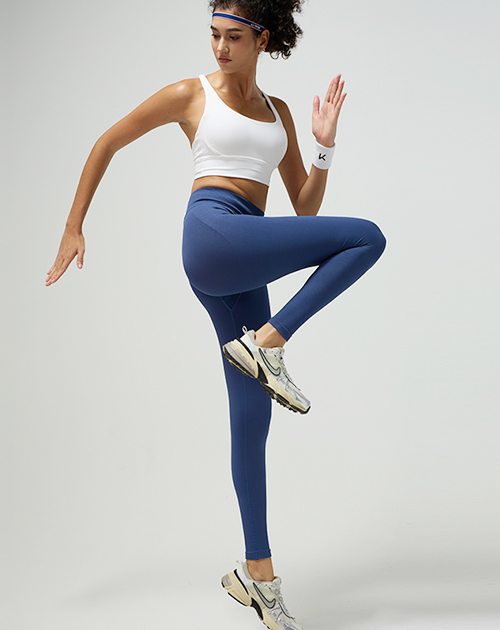
Running remains the most direct application for this type of garment.
Runners often wear close-fitting clothing because it can move with the body. Loose fabric can create a different wearing experience, while fitted leggings provide a more streamlined garment shape.
Seamless construction can be considered as part of this product design. With fewer traditional seams in selected areas, manufacturers can create a garment that follows the body more closely.
The waistband is another important part of running leggings. A well-planned waistband can help the garment stay in place during movement. The overall fit also needs to work with different running positions and body movement.
Running leggings can be used in several running settings:
| Running Setting | Role of Seamless Running Leggings |
|---|---|
| Outdoor Running | Provides a fitted option for regular running outfits |
| Track Running | Fits active movement and sports-focused clothing |
| Treadmill Running | Works as part of indoor training apparel |
| Running Practice | Can be included in regular training wardrobes |
| Casual Running | Combines an activewear look with everyday comfort |
The actual suitability of a garment depends on how it has been developed. Seamless construction alone does not determine whether a pair of leggings is appropriate for running.
Fabric stretch, fit, waistband design, surface feel, and overall garment construction all have a role.
This is why brands developing running leggings often consider the entire garment rather than focusing on one feature.
The use of running leggings is not limited to running.
Many people build activewear wardrobes around several types of exercise. A person may run on one day, attend a gym session on another, and stretch or walk on another day.
This creates demand for garments that can move between different activities.
Seamless Running Leggings can be suitable for some gym workouts when their construction and fit match the activity. The close-fitting shape can work with many training outfits. It also allows the garment to remain visually simple.
Gym users may perform different movements during one session. Squats, stretching, walking, strength exercises, and other activities can place different demands on clothing.
The leggings therefore need to be developed around movement rather than appearance alone.
For manufacturers, this can influence several areas of product development:
Garment fit
The leggings need to follow the intended body shape without making normal movement difficult.
Waistband design
The waistband can influence how the garment feels during bending and movement.
Fabric selection
The material should work with the intended stretch and garment structure.
Surface design
Textures, patterns, and shaping details can change both appearance and product identity.
These factors can help a running-focused garment move into a wider fitness collection.
However, buyers should still distinguish between garments designed mainly for running and those developed for broader training. The same construction approach can be used in different products, but the final design may vary.
Yoga and stretching are also common settings where fitted leggings can be useful.
These activities involve body positions that require clothing to move naturally. Participants may bend, stretch, sit, or change position repeatedly.
A close-fitting garment can make it easier to observe the relationship between clothing and body movement. This is one reason leggings have become common in yoga clothing collections.
Seamless construction can also fit this style of activewear. A smoother garment structure may support a clean visual appearance, while flexible fabric can work with movement-focused designs.
Still, the product should be developed according to its intended use.
Running leggings and yoga leggings may look similar, but they do not necessarily have the same design priorities. A running garment may be developed around repeated forward movement, while yoga clothing may focus more on flexibility and different body positions.
Brands can therefore adapt the same general seamless concept for different activities.
Design details may include:
The combination of these details can create different product directions.
For buyers, the important point is that "seamless" describes construction. It does not automatically define the garment's complete function. The intended activity should remain part of the product evaluation.
Activewear has gradually moved beyond dedicated exercise settings. Leggings are now often worn as part of casual outfits.
This creates another application for Seamless Running Leggings.
A simple pair can be combined with a sweatshirt, casual shirt, jacket, or other everyday clothing. The sport-inspired appearance can work in settings that do not involve exercise.
This is particularly relevant to athleisure clothing.
Athleisure combines elements of sportswear with casual fashion. Consumers may want clothing that can move between different parts of the day without requiring a complete outfit change.
A pair of seamless leggings can fit this approach when the design is suitable for casual wear.
The appearance of the garment becomes more important in this setting. Buyers may consider the surface texture, color, waistband shape, leg finish, and overall silhouette.
Comfort also remains relevant.
Everyday clothing may be worn for longer periods than a short workout. A garment that looks suitable but feels uncomfortable may not work well as a casual product.
This has encouraged manufacturers to think about activewear from a broader perspective. A product may need to perform well during movement while also matching everyday fashion preferences.
For brands, this can create opportunities to develop collections that share a common garment concept but target different uses.
Walking is another setting where seamless leggings can have a practical role.
Walking clothing does not always need to be designed specifically for high-intensity exercise. Many users simply want clothing that allows comfortable movement and fits a casual active lifestyle.
Seamless Running Leggings can work in this category when their fit and fabric are appropriate for the activity.
They can be used for:
| Activity | Possible Product Role |
|---|---|
| Daily Walking | Part of a comfortable activewear outfit |
| Outdoor Walks | Fitted clothing for movement |
| Leisure Activities | Combines an active appearance with casual styling |
| Light Exercise | Supports a simple fitness outfit |
| Travel | Can fit into a flexible casual wardrobe |
Walking also highlights the versatility of leggings.
A person may wear the same pair while walking outdoors and later continue with other casual activities. This makes simple design useful.
Brands that target this market may prefer less specialized styling. The product can still have a sporty appearance, but it does not necessarily need to look like dedicated competition clothing.
The distinction between exercise wear and casual activewear is becoming less obvious in many clothing collections. This gives seamless leggings a wider range of potential applications.
Activewear collections often contain products that serve more than one activity.
A brand may offer leggings for running, yoga, gym workouts, walking, and general lifestyle use. The products can share a similar design language while using different fits or details.
Seamless construction can support this collection approach.
For example, a brand may develop one basic seamless legging shape and adapt it for different customer groups. The changes might involve color, waistband design, surface texture, garment length, or other visual details.
This approach can make product planning more organized.
The collection can be structured around different user needs:
| Collection Direction | Typical Focus |
|---|---|
| Running Wear | Movement and running-focused design |
| Yoga Wear | Flexibility and body movement |
| Gym Wear | Training and fitted activewear |
| Lifestyle Wear | Casual use and everyday styling |
| Athleisure | Balance between sport and fashion |
The goal is not to make every garment identical. Instead, related products can create a consistent product family.
For manufacturers, this may require flexible development capabilities. Different garments may need different fit adjustments even when they share a similar construction concept.
For buyers, understanding this distinction can help when discussing product development with a supplier.
The intended application should be clear before the garment is developed.
A running-focused product needs a different design discussion from a lifestyle-focused legging. The same basic seamless concept can be adapted, but the details should match the expected use.
Brands can consider several areas during development.
Target user is an important starting point. A product for regular runners may have a different fit and appearance from one aimed at casual activewear users.
Activity type also matters. Running, yoga, gym workouts, walking, and everyday wear involve different patterns of movement.
Fit should be considered throughout the development process. Leggings sit close to the body, so changes in the waist, hips, legs, and length can affect the entire garment.
Fabric needs to work with the selected construction. Stretch, feel, appearance, and general wearing comfort can all influence the product.
Design direction helps establish the garment's place in a collection. Simple styles may suit lifestyle clothing, while more active designs may be used for fitness collections.
Brands can discuss these areas with manufacturers before moving into sample development:
| Development Area | Key Question |
|---|---|
| Intended Use | Where will the leggings mainly be worn? |
| Target Customer | Who is the product designed for? |
| Fit | What type of fit should the garment provide? |
| Fabric | Does the material suit the intended use? |
| Construction | Does seamless construction match the product concept? |
| Appearance | What visual style fits the collection? |
| Customization | Which details need to be adjusted? |
| Sampling | How will the design be reviewed before production? |
Samples can be particularly useful because they allow buyers to examine the actual garment.
Fit, fabric feel, appearance, and construction can be reviewed together. If changes are needed, they can be discussed before the product moves into larger-scale production.
Buyers looking for Seamless Running Leggings usually need more than a product image.
A supplier should understand the intended use and the type of garment the buyer wants to develop. Clear communication can reduce confusion during product development.
Buyers can ask about the supplier's experience with seamless activewear and running clothing. They can also discuss customization options and sample development.
Useful questions may include:
The answers can help buyers understand whether a supplier's capabilities match their product plans.
It is also useful to distinguish between a manufacturer that simply offers an existing product and one that can participate in product development. This difference may matter when a brand wants a specific fit, appearance, or collection direction.
Seamless Running Leggings can appear in running, gym workouts, yoga, stretching, walking, casual wear, and athleisure collections. Their application is shaped by the complete garment rather than by seamless construction alone. For activewear brands and buyers, connecting the intended use with fit, fabric, design, and manufacturing support can make product development more focused.
Copyright © Jinhua Yongxing Knitting Co., Ltd.
 Seamless Yoga Sets


 English
 русский
 Español