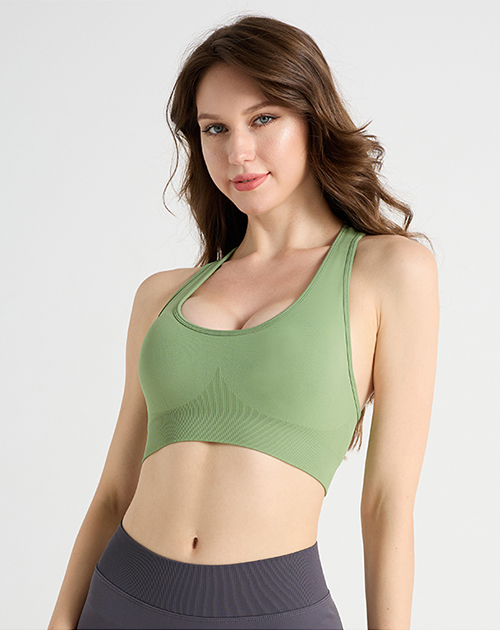
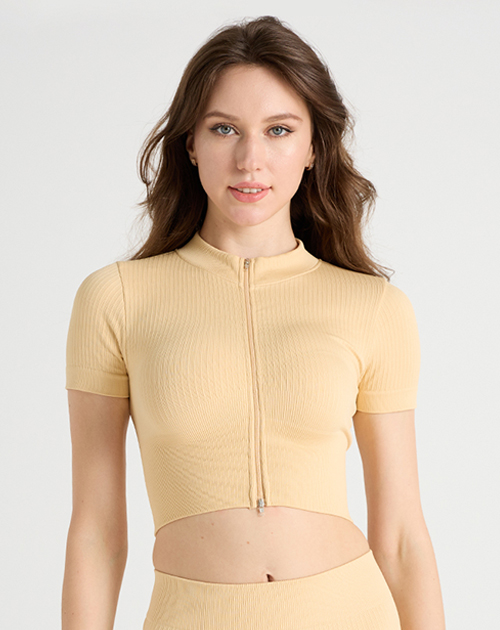
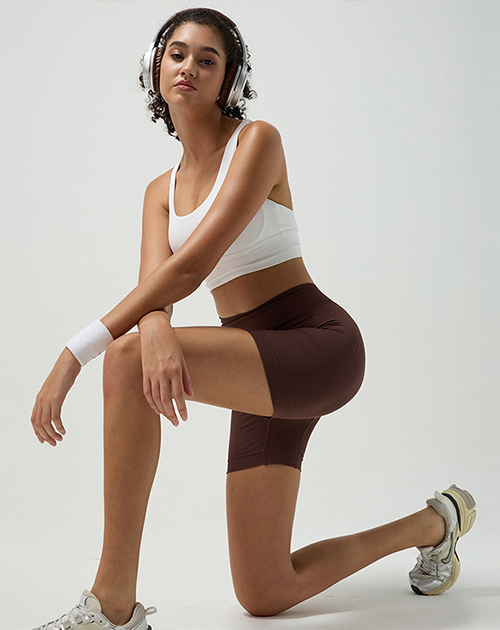
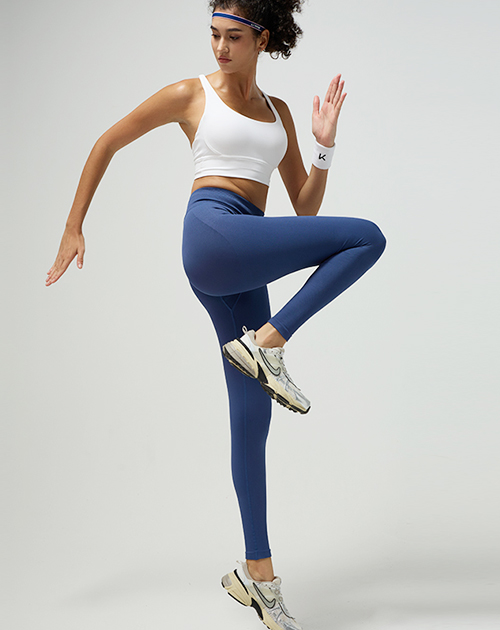
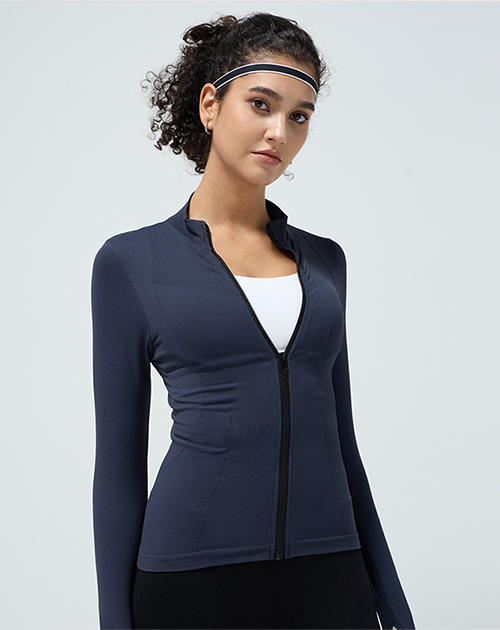
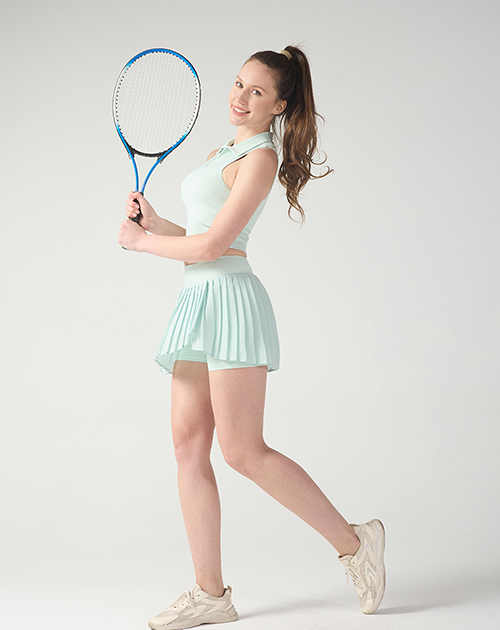
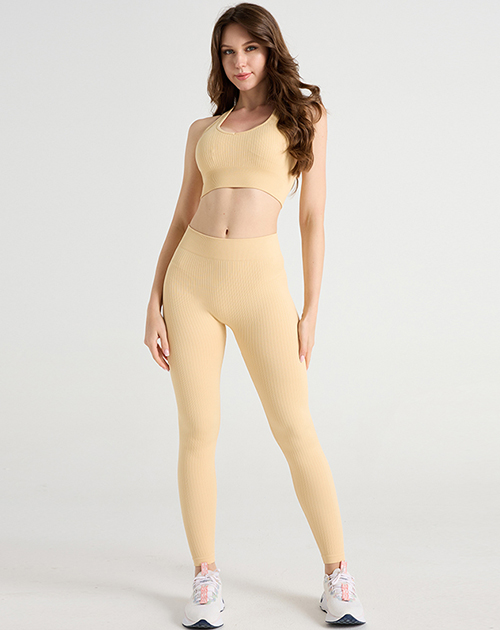
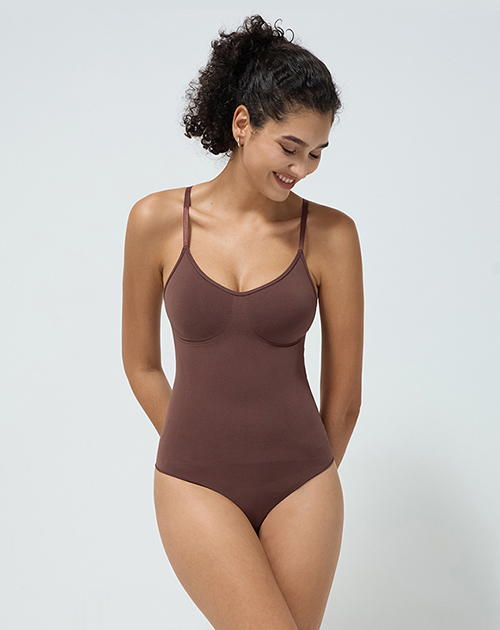
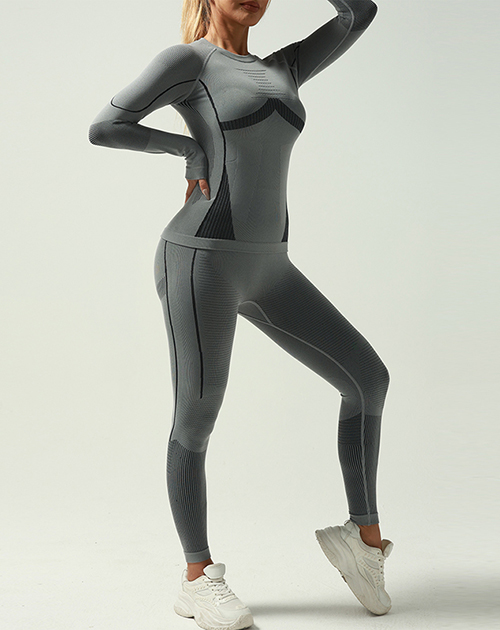
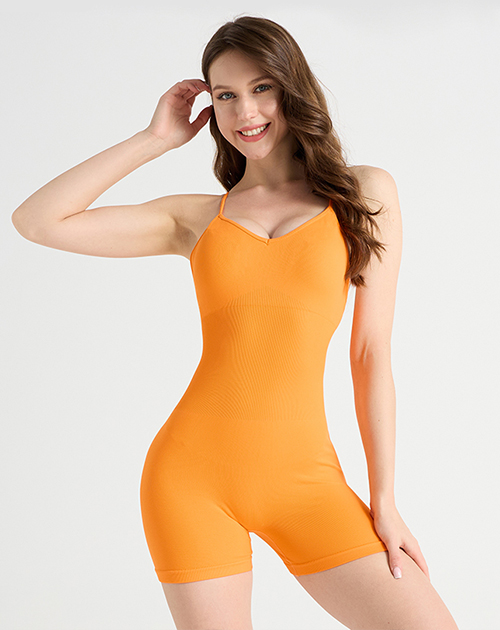
Activewear has settled into everyday wardrobes for a lot of people, well beyond its original home in gym bags and workout sessions. Leggings, tops, shorts, and similar pieces now show up in daily outfits, travel bags, and casual weekend plans just as easily as they show up on a yoga mat.
That shift has pushed clothing manufacturers to look for new ways to make activewear feel better and look sharper at the same time. Seamless activewear leggings are one product category that's picked up a lot of attention in this space.
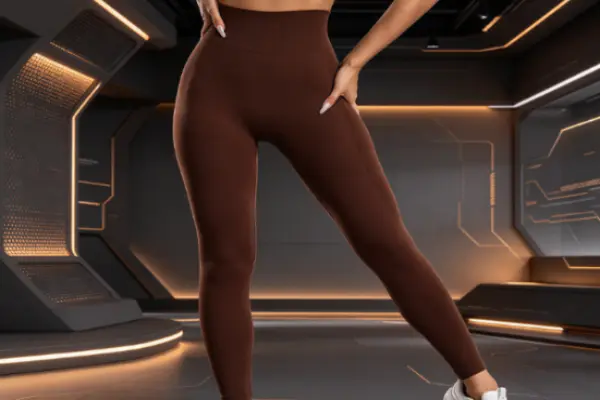
The word "seamless" really describes a construction approach. Instead of piecing the garment together from a bunch of separate fabric panels stitched along conventional seams, seamless leggings use a method that cuts down on visible or traditional seaming in certain areas of the garment.
That construction choice creates a noticeably different feel and look compared to conventional leggings. It also hands clothing brands another option to play with when building out an activewear collection.
Seamless activewear leggings get associated these days with fitness clothing, yoga wear, casual activewear, and athleisure more broadly. How well they actually suit a given use depends on the garment's specific design, the fabric chosen, the activity it's built for, and how it fits.
For manufacturers and buyers alike, understanding what sets these leggings apart genuinely helps when developing or choosing products for an activewear line.
The core difference comes down to how the garment gets put together in the first place.
Traditional leggings are usually built from separate fabric panels stitched together along seams. Those seams help give the garment its shape, sure, but they also end up as visible lines running across the finished product.
Seamless leggings take a different route. The garment forms with fewer conventional seams in selected spots, which creates a smoother look overall and a noticeably different feel against the skin.
That difference isn't about stripping out every single seam, though. A seamless garment can still include some joined sections or design details here and there. The term really describes the general construction method rather than claiming the whole garment has zero stitching anywhere on it.
This distinction matters for buyers because different manufacturers tend to interpret "seamless" a bit differently depending on their own production setup.
The design can fold in features like high-waisted construction, body-contouring details, stretchable fabric, varied surface textures, patterned sections, shaping panels, distinct waistband styles, and different leg finishes.
These features mix and match depending on what the final product is actually meant to be.
Leggings built for yoga, for instance, often take a different construction and visual direction than leggings meant for general gym sessions. A casual pair built for everyday wear might lean harder into appearance than either of those.
Seamless construction gives designers a starting point to work from. What the finished garment actually turns into still comes down to how the manufacturer handles fabric, shape, fit, and all the smaller details layered on top.
Activewear has to keep up with how a body actually moves. People stretch, walk, run, exercise, bend, and sit while wearing the stuff, often all within the same hour.
That makes garment construction a genuinely important piece of product development, not just a technical footnote.
Seamless leggings offer a different take on the relationship between the garment and the body wearing it. With fewer conventional seams in key spots, designers can build a cleaner overall structure that moves more naturally with the wearer.
That's especially useful for products where freedom of movement and everyday comfort sit at the center of the product concept.
The design also happens to fit the visual language that modern activewear has leaned into for years now. A lot of activewear favors simple lines, fitted shapes, and body-focused silhouettes. Seamless construction slots naturally into that style without much friction.
Versatility plays into this too.
Plenty of people don't wear leggings purely for exercise anymore. The same pair might get worn to a fitness class, then a walk around the neighborhood, then a quick grocery run, all in the same day. That reality has pushed brands to build products that move easily between active and everyday settings.
Seamless activewear leggings fit comfortably into this broader category of flexible, do-it-all clothing.
The actual wearing experience still shifts from product to product, though. Fabric composition, garment shape, waistband design, and overall fit all shape how a given pair of leggings actually feels on.
That's exactly why "seamless" shouldn't get treated as a full description of a garment's quality on its own. It only explains one slice of the overall design.
Different activities put different demands on clothing. A garment built for gentle, slow movement doesn't necessarily share the same design priorities as one built for a hard workout.
Seamless activewear leggings get developed for a range of activities, depending entirely on how they're constructed and what they're actually meant for.
| Activity or Setting | Why Seamless Leggings May Be Considered |
|---|---|
| Yoga | Flexible design can fit movement-focused clothing |
| Gym Workouts | Fitted construction suits many training outfits |
| Walking | Comfortable activewear can support casual movement |
| Fitness Classes | Body-focused designs fit group exercise clothing |
| Stretching | Flexible garments can suit movement-based activities |
| Everyday Wear | Simple designs can work with casual outfits |
| Athleisure | Sport-inspired styling can fit daily fashion |
Yoga is one area where this design really shines. Yoga clothing generally needs to allow a wide range of motion while still feeling comfortable through long holds and deep stretches.
Gym clothing shares a similar need, even though preferences around fit and feel can swing pretty widely from one person to the next.
Plenty of people also reach for seamless leggings purely as everyday clothing. They pair easily with casual tops, sweatshirts, jackets, and whatever else is already in the closet. That pairing has helped cement the link between activewear and casual fashion more broadly.
Even so, how well a specific pair actually works depends on its real design details. Buyers do better looking past the word "seamless" itself and examining the whole garment before deciding it fits their needs.
Fit sits right at the center of leggings design. The garment hugs the body closely, so even small shifts in shape end up affecting both how it feels and how it looks.
Seamless construction shapes how designers approach fit in the first place. The garment can get developed around the body's actual shape, rather than simply stitching together a handful of flat panels and hoping they drape well.
That opens up room for different contouring effects that would be harder to pull off with traditional seaming.
The waistband deserves its own attention here too. A high-waisted design creates a noticeably different wearing experience than a lower-cut waist. Some products keep the waistband simple, while others layer in extra design elements to create a specific visual effect.
The leg area matters just as much. It needs to follow the intended body shape without choking off normal movement at the knee or ankle.
Fit really comes down to several connected pieces. Waist fit means the waistband should match the garment's intended shape and feel right during actual movement, not just while standing still. Hip and seat fit means the garment needs to follow the body's natural curve while still holding its intended silhouette. Leg fit means that area needs to work with the overall design without restricting a normal stride or stretch. Length varies across collections to suit different preferences, from cropped to full-length. And overall balance means the waist, hips, legs, and total length all need to work together as one coherent design, not as separate decisions made in isolation.
These pieces are genuinely connected to each other. Adjusting one almost always shifts how another part looks or feels.
For brands, that means fit development deserves real attention during the initial planning stage, rather than getting treated as some minor tweak saved for the very end.
Activewear and fashion have become tightly linked at this point. Shoppers often want clothing that feels right for a workout while still looking perfectly normal once they've left the gym.
Seamless activewear leggings support that combination through both their construction and their overall visual design.
A clean, unbroken surface creates a simple, pared-back look. Patterned sections or textured panels bring in more visual interest for brands that want it. Different waistband shapes shift the overall silhouette too, sometimes more than people expect.
Color plays into product development as well, though the right choice really depends on the specific collection a brand is building toward.
Brands often develop simple, everyday-friendly designs right alongside bolder, more distinctive fitness styles. That range lets seamless leggings slot into very different product lines within the same brand.
The link between function and style shows up clearly in the rise of athleisure as its own category. Activewear-inspired clothing these days is usually designed with more than one setting in mind from the very start.
A pair of leggings might get worn through a morning workout, then stick around for errands and a coffee run that same afternoon. That reality makes versatility a genuinely important factor whenever manufacturers sit down to develop something new.
Striking that balance isn't always simple, though. A design leaning too hard into fashion might fall short for someone actually training hard. A garment built purely for performance might carry a look that feels out of place anywhere outside a gym.
Product development really needs to weigh both sides at once, rather than optimizing heavily for one and treating the other as an afterthought.
Seamless construction offers a solid foundation to build from, but the final result still comes down to how garment structure, fabric, fit, and design details all come together as a whole.
Brands looking to add seamless activewear leggings to a collection need to think the product through from several different angles before committing to a production run.
The target customer makes a sensible starting point. A garment built for yoga practitioners carries different priorities than one aimed at general fitness use or purely casual wear.
The intended activity shapes the product concept too. Brands should have a clear sense of how people will actually use the leggings and what kind of movement the garment genuinely needs to support.
Fabric selection is another core piece of the puzzle. The material needs to work hand in hand with the desired fit and construction method. Stretch, surface feel, overall appearance, and everyday wearing comfort all shape how the finished garment performs.
Design details deserve consideration too.
One brand might want something simple with minimal decoration. Another might prefer contouring lines, textured panels, or a waistband that stands out visually.
The main points worth discussing with a manufacturer tend to include the target user, the expected activity, the intended fit and body shape, whether the fabric actually matches the garment design, what visual direction suits the collection, whether seamless construction genuinely fits the product, where branding details should appear, and how the leggings fit alongside the rest of the activewear range.
Clear, upfront communication tends to make the whole development process a lot smoother.
Brands also do well requesting samples before committing to a larger production order. A sample lets them actually check the fit, appearance, fabric feel, and overall design in person rather than guessing from a spec sheet.
Changes are almost always easier to talk through once there's a real garment sitting on the table to point at.
Developing seamless leggings takes real coordination between garment design and the production side of things.
The process usually kicks off with a product concept. The manufacturer needs a clear read on the desired style, the intended activity, who the target user actually is, and the overall fit being aimed for.
From there, a suitable construction approach can get worked out.
Unlike a garment built from many separate panels, seamless clothing demands careful attention to exactly how the garment takes its shape. The manufacturer has to think through the waistband, hips, legs, and overall form as one connected whole.
Fabric and construction need to work together closely here. A fabric might look perfectly fine on its own, then behave completely differently once it's actually shaped into a close-fitting garment.
Manufacturers also tend to review the visual design at this stage. Patterns, textures, shaping panels, and other details all need to fit naturally with the garment's underlying structure.
Sample development gives everyone a chance to examine these pieces together in one place.
The manufacturer and brand typically review the overall garment shape, waistband fit, leg shape, surface appearance, fabric feel, how the garment moves during actual wear, and how the different design areas relate to each other visually.
This stage tends to catch issues worth fixing before full production ever gets underway.
For activewear manufacturers, staying flexible in product development pays off because brands rarely want the exact same thing. One collection might call for straightforward, minimal leggings, while another demands a lot more detailed design work layered in.
A manufacturer that communicates clearly about these requirements tends to make the whole collaboration feel a lot more practical and a lot less frustrating.
Choosing a supplier is an important part of activewear product development. Buyers need to understand not only what the garment looks like, but also how the supplier approaches customization and production.
A conversation can begin with the basic product concept.
Buyers can explain the intended activity, target customer, preferred fit, fabric expectations, and visual direction. This gives the supplier useful information before discussing specific product details.
Questions may include:
A buyer can also ask about previous experience with similar garment categories without relying on broad claims about quality.
Samples remain useful during this stage. A sample gives buyers a practical way to examine whether the garment matches the intended product concept.
Seamless Activewear Leggings are not defined by construction alone. Fit, fabric, appearance, intended activity, and product design all contribute to the finished garment. For brands and manufacturers, keeping these elements connected during development can help create leggings that fit naturally within a wider activewear collection.
Copyright © Jinhua Yongxing Knitting Co., Ltd.
 Seamless Yoga Sets


 English
 русский
 Español