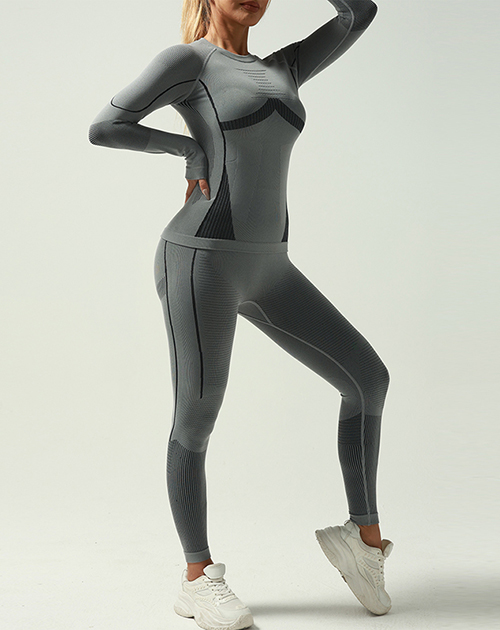
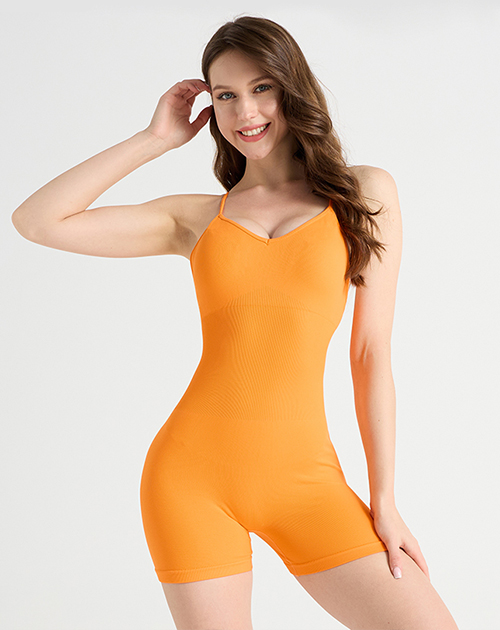
Yoga wear has become more than clothing used during a yoga session. It can appear in studios, gyms, outdoor spaces, travel settings, and everyday wardrobes. This wider use has changed the way retailers and buyers look at yoga clothing.
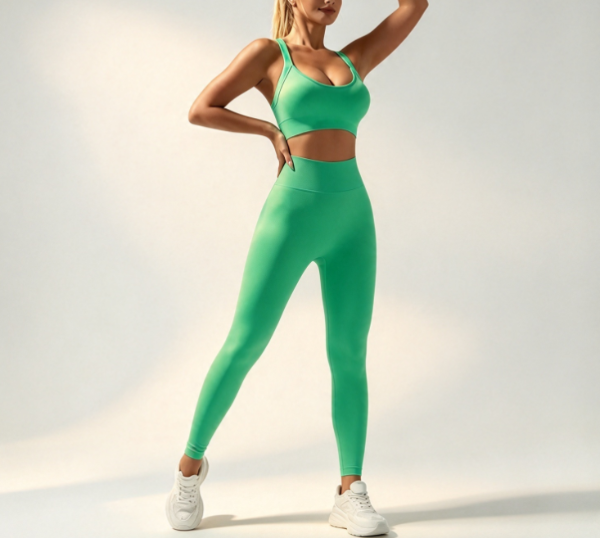
For businesses involved in Yoga Wear Wholesale, product selection is closely connected with customer preferences. Buyers need to consider more than garment appearance. Fabric feel, fit, colors, styles, product variety, and intended use can all affect how a collection is received.
A wholesale collection also needs to make sense as a group. One garment may attract attention, but a broader product range gives customers more ways to choose. This creates a closer connection between wholesale purchasing and the preferences of the people who will eventually wear the products.
Customer preference influences what people notice, try, and eventually decide to purchase. In yoga wear, these preferences can be especially varied because customers may have different activities, body shapes, style expectations, and clothing habits.
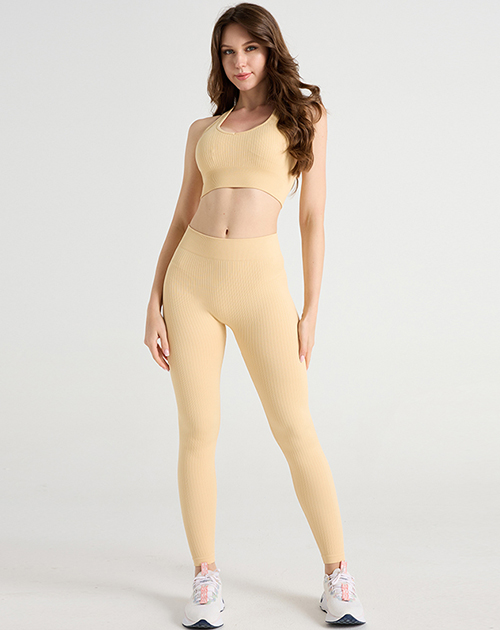
Some customers may prefer close-fitting leggings and simple tops. Others may look for relaxed garments that can move easily from yoga practice to everyday activities. Color preferences can also vary. Some people are drawn to neutral shades, while others may prefer stronger visual combinations.
For wholesalers and retailers, this creates a product selection challenge. A collection that focuses on only one style may not address the needs of every customer group.
Understanding customer preference does not mean following every short-term trend. It means looking for useful patterns in what customers want from their clothing.
| Customer Preference | Product Selection Consideration |
|---|---|
| Comfortable movement | Flexible and wearable garment styles |
| Simple styling | Clean colors and uncomplicated designs |
| Fashion-focused appearance | More varied colors and visual details |
| Everyday use | Versatile garments suitable for different settings |
| Different fit preferences | A broader range of garment shapes |
| Practical use | Useful details such as pockets or adjustable features |
This connection can help businesses build a collection with a clearer purpose. Instead of selecting products individually, buyers can consider how each item fits into the needs of the intended customer.
Product variety gives customers more room to make choices. However, variety does not simply mean adding as many products as possible.
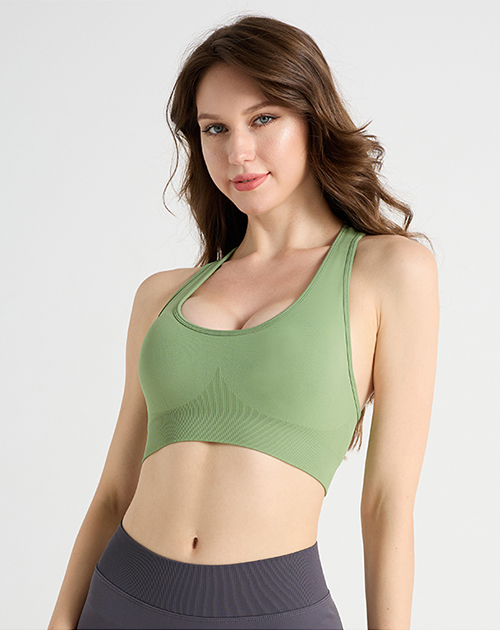
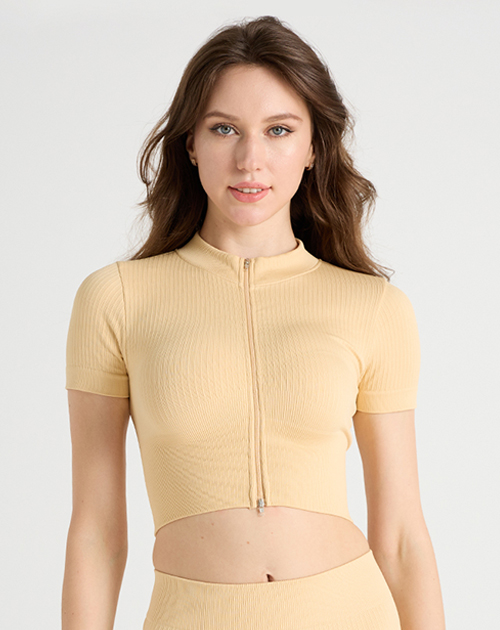
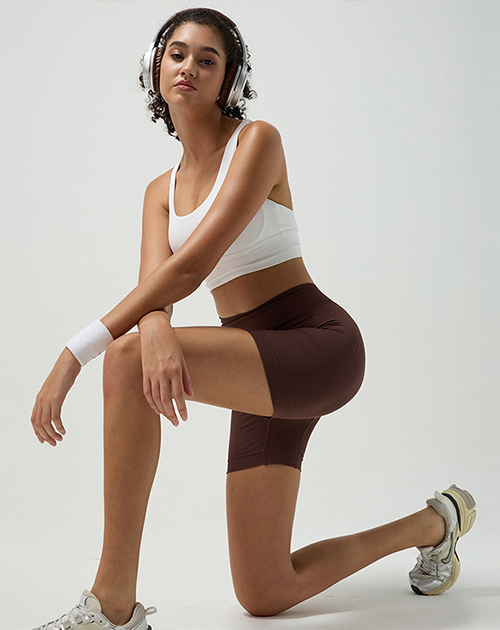
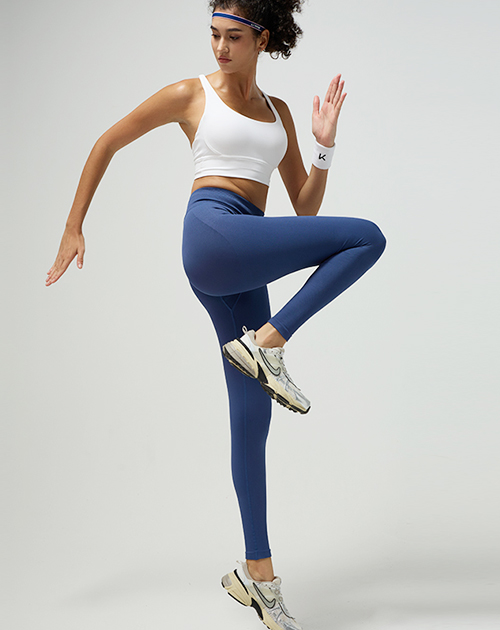
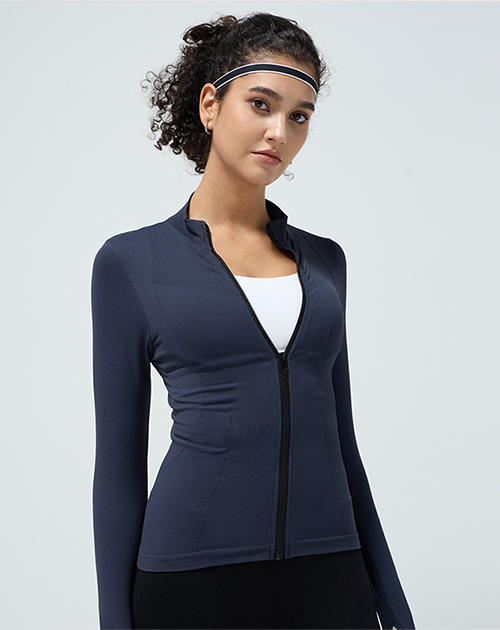
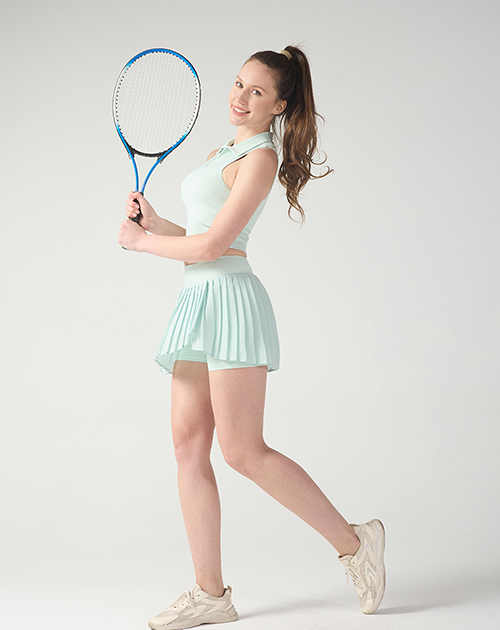
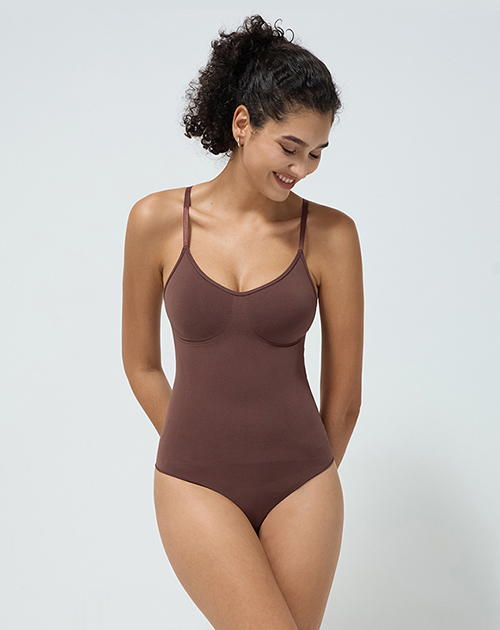
A useful wholesale collection can include different garment types that serve different purposes. Leggings, sports bras, yoga tops, jackets, loose-fit pants, and other pieces can each have a place within the same collection.
The relationship between these products also matters. A customer may want to combine a fitted top with relaxed pants. Another customer may prefer matching pieces. A retailer can therefore create more useful choices when products can work together.
Product variety can be considered through several areas:
A balanced collection can make it easier for customers to find something that matches their own habits.
This is also useful for wholesale buyers because products do not have to compete with each other. They can serve different roles within the same product range.
Fabric has a direct connection with how yoga clothing feels and performs during wear. Customers may not always describe their preferences in technical terms, but they can notice whether a garment feels soft, flexible, light, smooth, or comfortable.
For this reason, fabric selection should be considered alongside product design.
A fabric that feels suitable for one type of garment may not create the same experience in another. The relationship between material, garment shape, and intended use can change the way the finished product feels.
Buyers involved in Yoga Wear Wholesale may therefore consider fabric from several perspectives.
| Fabric Consideration | Customer Preference |
|---|---|
| Hand feel | Influences comfort during wear |
| Stretch | Supports natural body movement |
| Surface appearance | Affects the visual character of the garment |
| Weight | Influences how the garment feels on the body |
| Drape | Changes the way the garment falls |
| Color appearance | Shapes the overall visual impression |
| Care needs | Influences everyday convenience |
Fabric can also affect how a collection looks as a whole. Two garments with similar designs may create different impressions when made from different materials.
This makes material choice part of product selection rather than a separate production issue.
Fit and style are often closely connected. A change in shape can affect both comfort and appearance.
Yoga clothing needs to allow natural movement, but customers do not all define a comfortable fit in the same way. Some prefer garments that follow the body closely. Others may want additional space around the waist, hips, shoulders, or legs.
A wholesale buyer can consider several fit directions within a collection. This can create options without making the product range feel unrelated.
For example, a collection may include fitted leggings alongside relaxed pants. A close-fitting sports bra may be offered with a loose outer layer. These combinations allow customers to create different looks according to personal preference.
Style can also be shaped by smaller details. Waistbands, seams, straps, panels, and pockets can change the visual character of a garment.
The key is to make fit and design work together. A visually interesting garment still needs to feel appropriate when worn. At the same time, a comfortable garment can have a clear visual identity.
This balance matters to wholesale buyers because customer preferences often include both practical and visual expectations.
Color can influence the way customers perceive a product before they even try it on. It can make a collection appear calm, energetic, simple, modern, or casual.
Different customer groups may respond to different color directions. A retailer serving customers who prefer understated clothing may choose a collection built around softer and more neutral tones. Another retailer may want stronger color combinations to create a more active visual atmosphere.
Design details work in a similar way. Clean lines can create a simple appearance. Color blocking can add visual contrast. Small logo areas or labels can create product identity without dominating the garment.
Wholesale buyers can consider color and design together rather than selecting each garment separately.
| Design Element | Possible Customer Response |
|---|---|
| Neutral colors | Suitable for simple and flexible styling |
| Soft color combinations | Creates a relaxed visual feeling |
| Strong color contrast | Adds visual energy |
| Clean silhouettes | Supports a simple appearance |
| Color blocking | Creates a more distinctive look |
| Minimal details | Appeals to customers who prefer understated designs |
| Functional details | Adds practical value to the garment |
A collection with a clear visual direction can also make product selection easier for retailers. Customers can recognize relationships between different garments and combine them more naturally.
Yoga wear can be used in many situations. This wider use has changed the role of the product.
A customer may buy leggings for yoga but also wear them for walking, travel, stretching, or casual activities. A lightweight top may be used for exercise and later paired with another garment for everyday wear.
This creates an opportunity for wholesale buyers to think beyond a single activity.
| Use Situation | Product Selection Focus |
|---|---|
| Yoga practice | Movement and comfortable fit |
| Fitness activities | Flexible and practical styling |
| Walking | Easy everyday wear |
| Travel | Comfort and simple coordination |
| Casual activities | Versatile appearance |
| Layering | Compatibility with other garments |
Products with more than one possible use can fit into a wider range of customer routines.
This does not mean every yoga garment needs to serve every purpose. A product can still have a clear main use while offering styling flexibility for other situations.
The important point is that buyers should understand how their customers actually use clothing. Product selection becomes more relevant when it reflects real wearing habits rather than only the product category.
A customer-focused wholesale collection starts with a clear understanding of the intended market. Buyers need to think about who will wear the products and what those customers expect from yoga clothing.
Several questions can help guide the selection process:
These questions can help buyers move away from product selection based only on individual appearance.
A collection should have a reason for including each product. One garment may provide a basic everyday option. Another may add a different fit. A third may introduce a new color direction. Together, they can create a wider selection without losing a sense of connection.
This approach also gives retailers more flexibility when presenting products to customers.
Customer preferences are not fixed. Clothing habits can change as people combine exercise, work, travel, and leisure in different ways.
This makes flexibility important in wholesale purchasing. Buyers may need to review their product mix regularly and pay attention to how customers respond to different styles.
That does not require constant changes to the entire collection. Small adjustments can also create a different product direction.
A retailer might introduce additional relaxed styles while keeping familiar fitted products. Another may expand color choices while maintaining a simple design language. A business focused on everyday activewear may add garments that are easier to combine with casual clothing.
The wholesale model can support this kind of adjustment when buyers select products with a clear understanding of customer needs.
Communication with suppliers also plays a role. Buyers may need to discuss fabric preferences, design changes, product combinations, custom details, or new garment ideas.
A clear exchange of information can help connect customer feedback with future product development.
Yoga Wear Wholesale therefore sits between product supply and customer demand. The buyer chooses the products, but those choices are shaped by the people who will eventually wear them.
When product selection reflects comfort, fit, appearance, use, and personal style together, a wholesale collection can become more closely connected to everyday customer preferences. This relationship also gives buyers more room to adjust their product mix as customer expectations continue to develop.
Copyright © Jinhua Yongxing Knitting Co., Ltd.
 Seamless Yoga Sets


 English
 русский
 Español