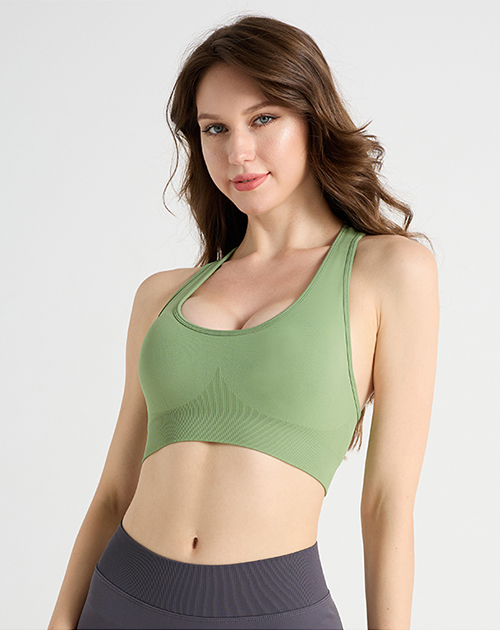
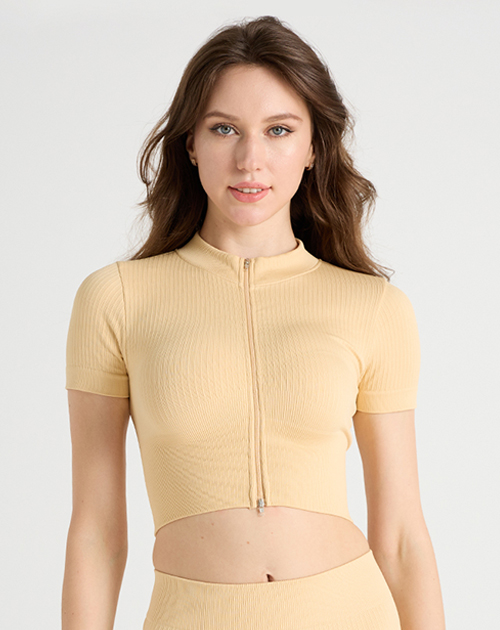
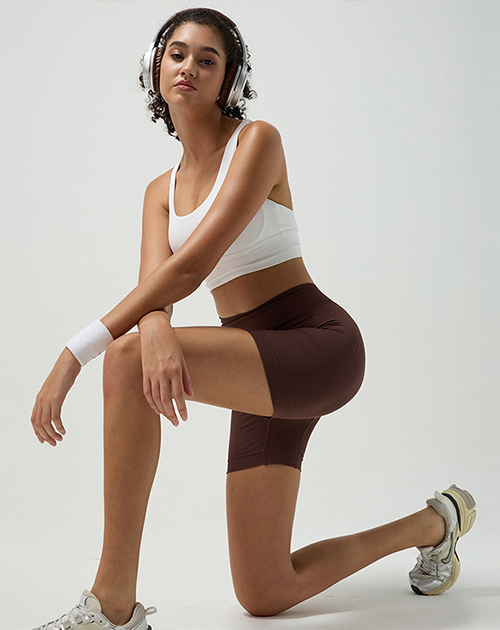
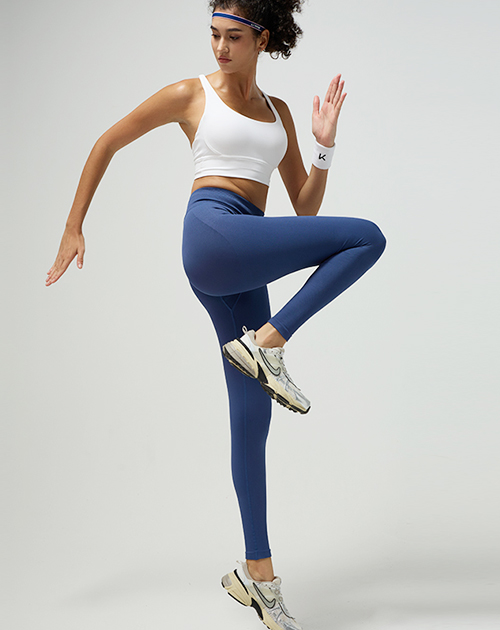
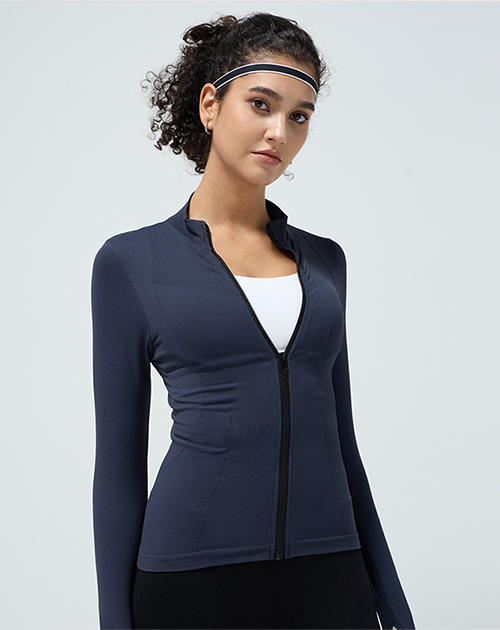
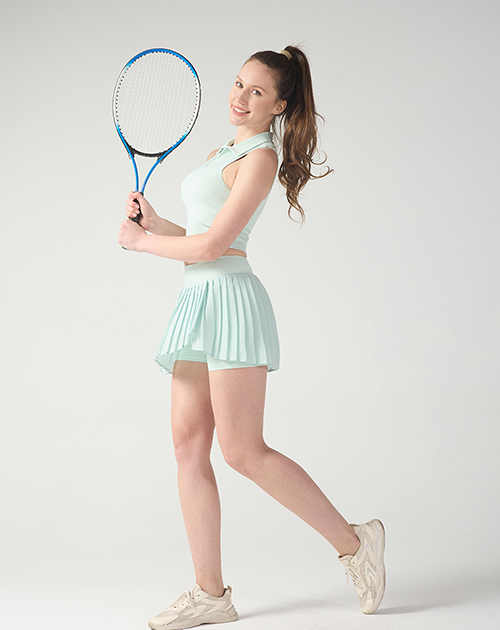
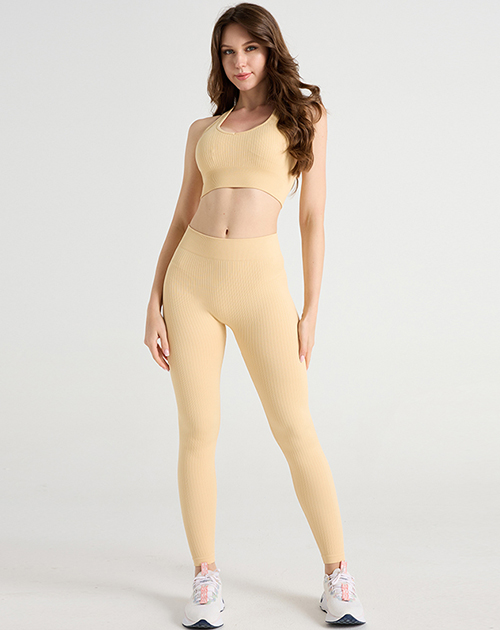
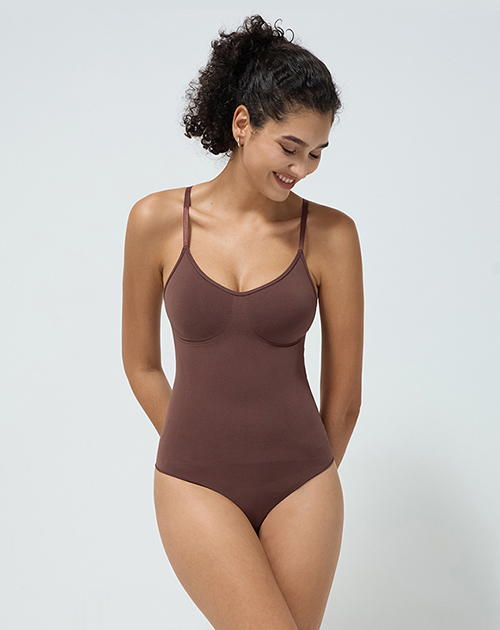
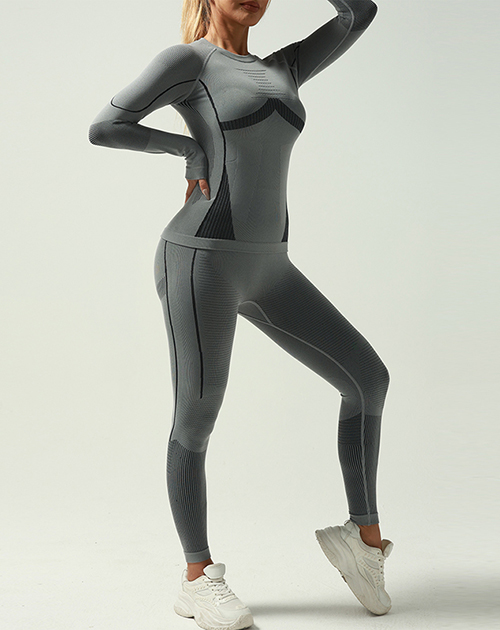
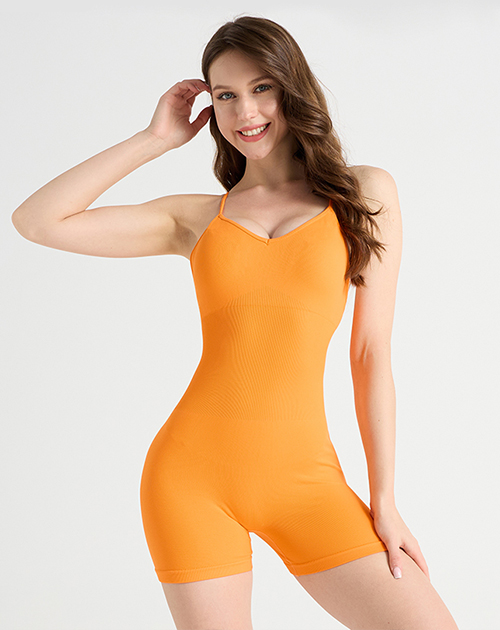
Yoga wear may look simple when it is hanging on a rack. A pair of leggings, a sports bra, or a loose top may have a clean shape and a limited number of details. Behind that simple appearance, however, there is a series of product development decisions.
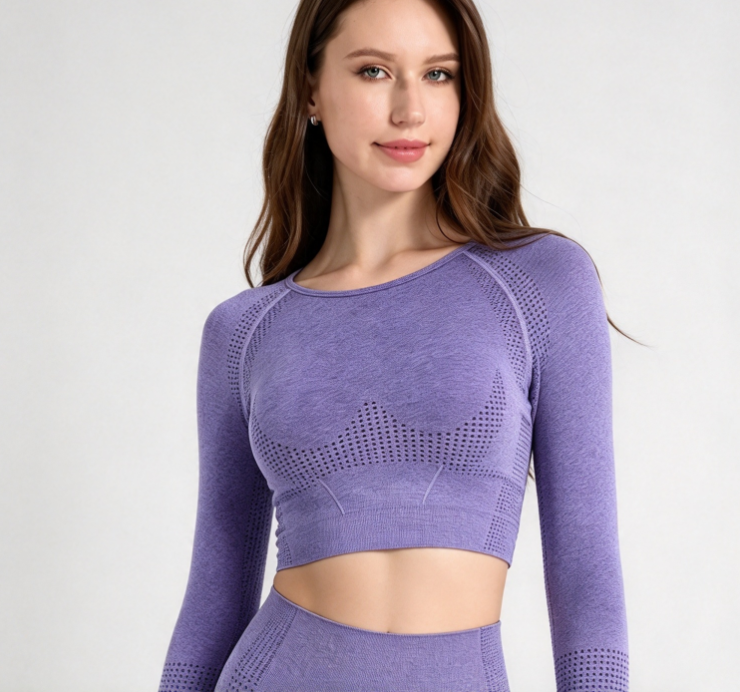
A Yoga Clothing Factory does more than turn fabric into finished garments. It may take part in material selection, design development, sample making, fit adjustment, production planning, quality checks, and packaging. Each stage can affect how the final garment looks and feels.
For brands, retailers, wholesalers, and other buyers, understanding this process can make communication easier. It also helps buyers understand why a yoga clothing product may need several rounds of development before it is ready for regular production.
Product development usually begins with a clear understanding of the intended garment. A factory needs to know what type of yoga wear is being developed and how it is expected to be used.
Different garments create different design needs. Leggings need to provide comfortable movement and a suitable fit. Tops may need a different balance between support, coverage, and ease of movement. Loose yoga clothing may focus more on relaxed wearing and visual style.
The intended customer also affects development. A garment designed for regular yoga practice may have different priorities from one designed for casual wear, travel, or general fitness.
| Development Consideration | Why It Matters |
|---|---|
| Product type | Defines the basic structure of the garment |
| Intended use | Helps determine functional and design needs |
| Target customer | Influences fit, style, and wearing preferences |
| Fabric choice | Affects comfort, appearance, and garment behavior |
| Product style | Creates the visual direction of the collection |
| Custom details | Helps reflect individual product requirements |
A factory may also review the design information supplied by the buyer. This can include drawings, reference samples, fabric preferences, color ideas, labels, packaging requirements, or other product details.
Clear information at this stage can reduce misunderstandings later. When the factory understands the purpose of the product, it has a better basis for developing the garment.
Fabric is closely connected with the wearing experience. It affects how a garment feels against the skin, how it moves with the body, and how it looks after being made into a finished product.
A Yoga Clothing Factory may consider several fabric characteristics during development. Stretch is important for garments that need to move with the body. Hand feel can influence everyday comfort. Surface appearance can change the visual character of the product.
Fabric also affects how a design behaves during production. A fabric with a soft and flexible feel may create a different garment shape from a firmer material. This means the fabric cannot always be treated as a separate decision from the design.
The factory and buyer may therefore discuss fabric and product structure together. This approach can help avoid situations where a selected fabric does not work well with the intended garment design.
Color is another part of the process. A fabric may look different depending on its surface, texture, and construction. The final appearance needs to be considered as part of the complete product rather than as an isolated color choice.
Once the basic product direction is clear, the factory can begin turning the idea into a physical garment.
A design drawing shows the intended appearance, but a sample allows the development team to see how that idea works in real life. The sample can reveal issues that are difficult to notice on a flat drawing.
The factory may develop the garment structure around the intended shape. This includes areas such as the waistband, neckline, sleeves, seams, panels, straps, and pockets.
A sample also provides an opportunity to review proportions. A design that looks balanced on paper may appear different when worn. Small changes in garment shape can influence the overall appearance.
The development process can involve several types of adjustments:
Shape adjustment
The garment may be changed to create a more suitable overall silhouette.
Fit adjustment
Areas that feel too loose, too tight, too long, or too short can be reviewed.
Construction adjustment
Seams, panels, straps, and other details may be changed to support the intended design.
Visual adjustment
Colors, lines, fabric combinations, and decorative details can be reviewed together.
Wearability review
The garment can be considered from the perspective of actual movement and everyday use.
This sample stage creates a bridge between an idea and a production-ready product.
Fit is one of the most noticeable parts of yoga clothing. A garment can have attractive colors and interesting details, but an unsuitable fit may affect the entire wearing experience.
Yoga involves movement in different directions. Clothing needs to work with the body rather than make movement feel restricted. This does not mean every yoga garment needs to have the same fit. Some products may be close-fitting, while others may have a relaxed shape.
A Yoga Clothing Factory may review the fit of several areas together instead of looking at only one measurement or garment section.
| Fit Area | Development Focus |
|---|---|
| Waist | Comfort and garment stability |
| Hip | Freedom of movement and overall shape |
| Leg | Balance between fit and mobility |
| Shoulder | Natural movement of the upper body |
| Armhole | Comfort during arm movement |
| Neckline | Coverage and visual proportion |
| Length | Relationship between fit and intended use |
Fit development can also depend on the fabric. A flexible material may sit differently from a less flexible one. The factory therefore needs to consider the relationship between material behavior and garment structure.
Sample fitting provides useful information. Adjustments can then be made before the product moves into regular production.
Yoga wear does not need complicated decoration to have a distinctive appearance. Small design decisions can change the character of a garment.
Color combinations are one common approach. A garment can use a single color for a clean appearance or combine several tones to create visual contrast.
Seam placement can also influence the design. Seams may follow the natural shape of the body or create visual lines across the garment. Panels can introduce changes in color, texture, or structure.
Functional details can become part of the visual design as well. A pocket, strap, waistband, or opening may have a practical purpose while also affecting the overall appearance.
| Custom Detail | Possible Role in Product Development |
|---|---|
| Waistband | Supports fit and creates a visual feature |
| Panels | Adds visual structure or material contrast |
| Straps | Supports garment structure and styling |
| Pockets | Adds practical value |
| Seam lines | Influences shape and visual direction |
| Labels | Connects the garment with the brand |
| Logo placement | Supports product identity |
| Color blocking | Creates visual contrast |
The key is to make these details work together. A garment can become visually busy when too many separate elements are added without a clear design direction.
A factory may therefore help buyers review whether each detail fits the overall garment. This is especially useful for custom yoga clothing, where the buyer may have a specific product concept but needs support turning that concept into a practical garment.
The first sample is rarely treated as the end of development. It gives the buyer and factory something physical to review.
The sample can be examined for appearance, fit, fabric feel, construction, and general usability. Buyers may compare it with the original design idea and identify areas that need adjustment.
Communication at this stage matters. A simple statement such as "the fit needs to be changed" may not provide enough information for useful revision. More specific feedback can help the factory understand what needs to change and why.
For example, the buyer may request a different waistband appearance, a more relaxed upper-body shape, a different pocket position, or a change in fabric feel. Each request can affect other parts of the garment.
This is why product development is often a process of interaction rather than a one-way transfer of instructions.
The factory can also identify practical concerns during sample review. Some design elements may be difficult to produce consistently. Others may need to be adjusted so that they work better with the selected fabric.
A useful review normally considers several questions:
This stage helps bring design expectations and production realities closer together.
After the sample has been reviewed and adjusted, the product needs to move from development into production planning.
The factory needs clear product information. This may include the approved design, selected fabric, colors, labels, packaging details, and other product requirements.
Production planning also considers how the garment will be assembled. Different garments contain different sections and details. A simple design may have a relatively direct production flow, while a more customized product may require additional preparation.
Consistency becomes important at this stage. Every finished garment should follow the approved product direction as closely as possible.
The factory may establish internal production references based on the approved sample. These references help workers understand how the garment should look and how its different parts should be handled.
Quality checks can take place throughout production rather than only at the end. This allows potential issues to be noticed while the production process is still underway.
Common areas of attention include:
These checks help connect the original development work with the finished garments.
Product development works better when the buyer and factory have a shared understanding of the product.
Buyers do not necessarily need to provide every production detail themselves. However, they should communicate the product concept clearly. Reference images, sketches, sample garments, fabric preferences, color ideas, and descriptions of intended use can all help.
It is also useful to separate essential requirements from flexible preferences. If a certain feature is central to the product, the factory should know that. If another detail can be adjusted based on production considerations, that can also be communicated.
| Buyer Information | Development Benefit |
|---|---|
| Product concept | Gives the factory a clear starting point |
| Reference design | Helps explain the desired appearance |
| Fabric preference | Provides direction for material selection |
| Fit expectation | Helps guide sample development |
| Color direction | Supports visual development |
| Custom details | Clarifies product requirements |
| Intended use | Connects design with wearing needs |
| Packaging needs | Helps prepare the finished product |
Communication should continue after the initial order information is provided. Sample review, revisions, production preparation, and quality checks all create opportunities for discussion.
A Yoga Clothing Factory can contribute more effectively when it understands not only what the buyer wants to produce, but also how the product is expected to be worn and presented.
This is particularly relevant for custom yoga wear. The development process may involve more discussion because the product is being created around a specific design direction rather than selected from a standard collection.
The relationship between design and production also becomes clearer during this process. A good product concept needs to work as a garment, not only as an image. Fabric, fit, construction, appearance, and intended use all need to connect.
For this reason, yoga wear development is not simply a matter of choosing a design and sending it to a factory. It is a gradual process in which an idea becomes a sample, the sample becomes a refined product, and the refined product is prepared for consistent production.
Copyright © Jinhua Yongxing Knitting Co., Ltd.
 Seamless Yoga Sets


 English
 русский
 Español