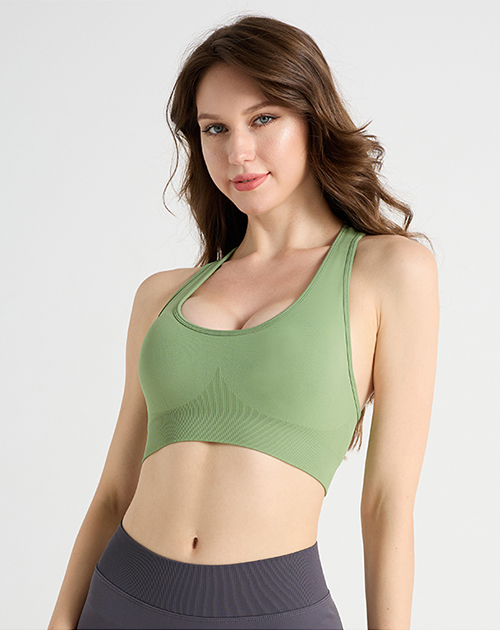
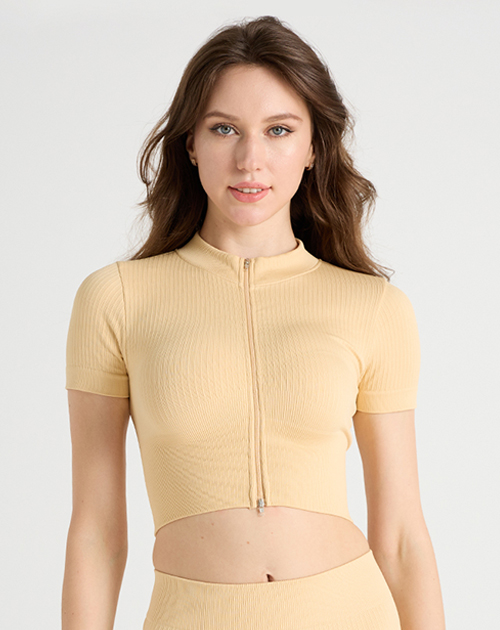
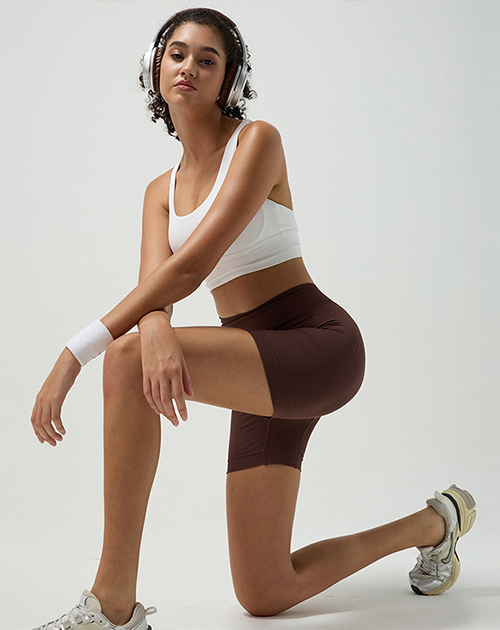
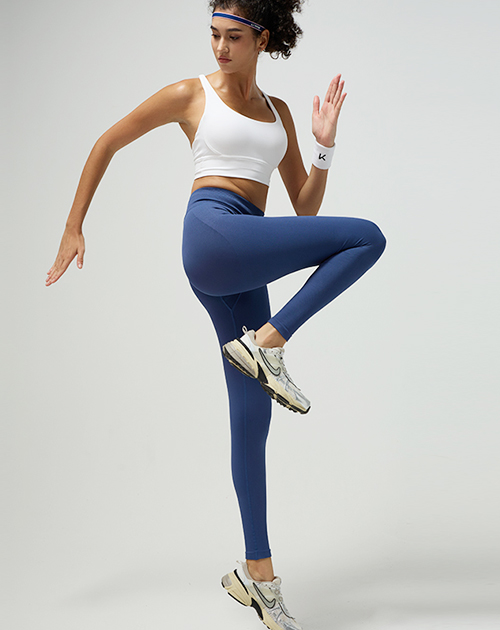
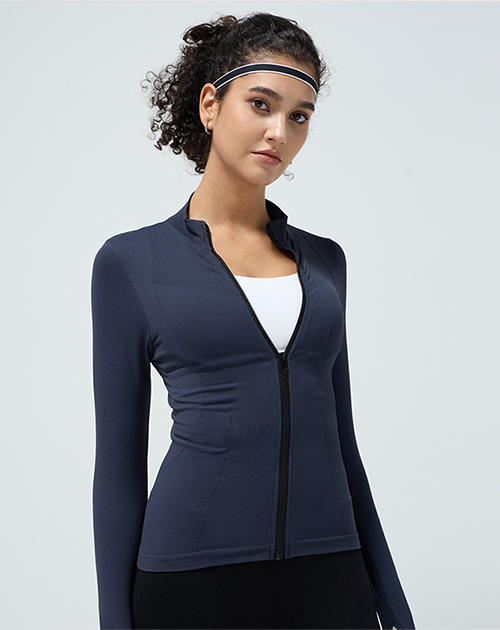
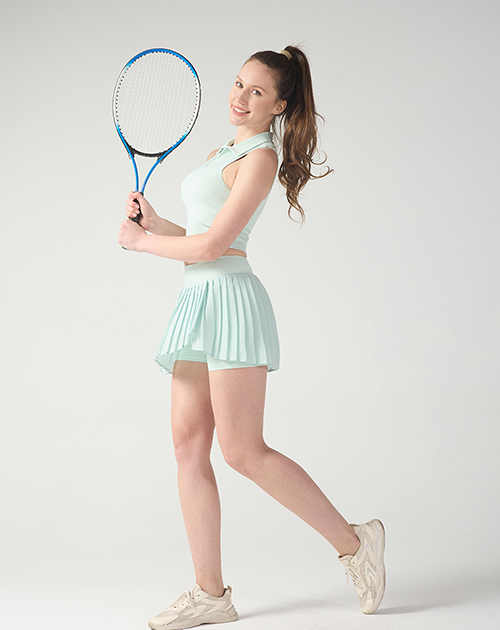
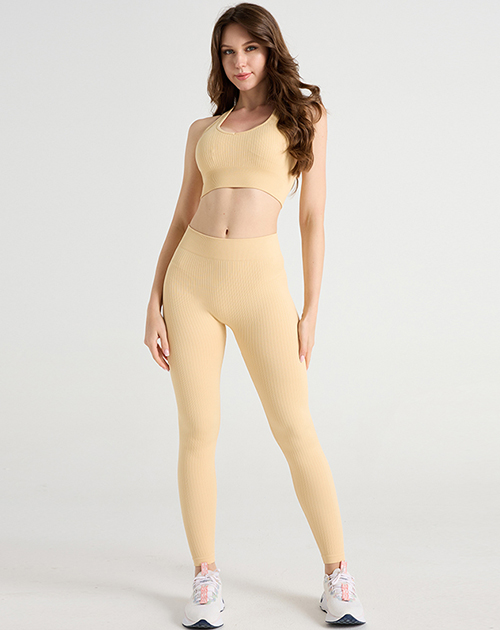
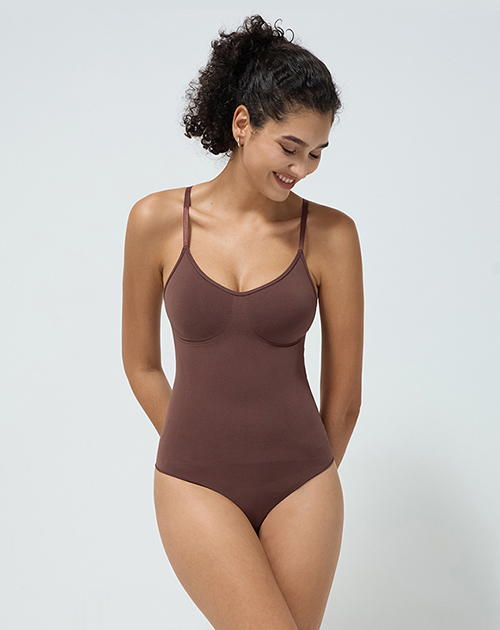
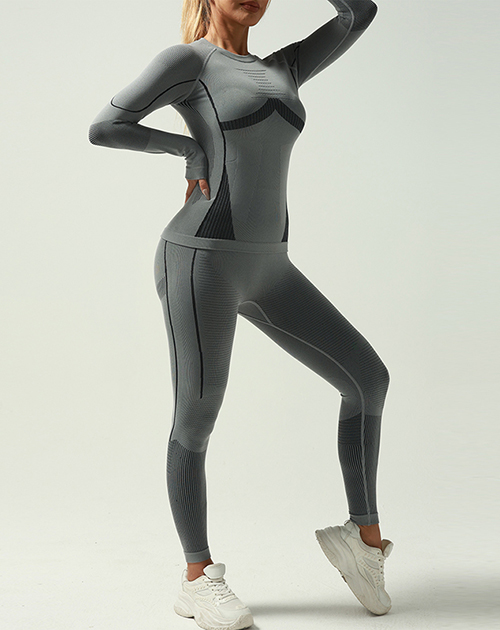
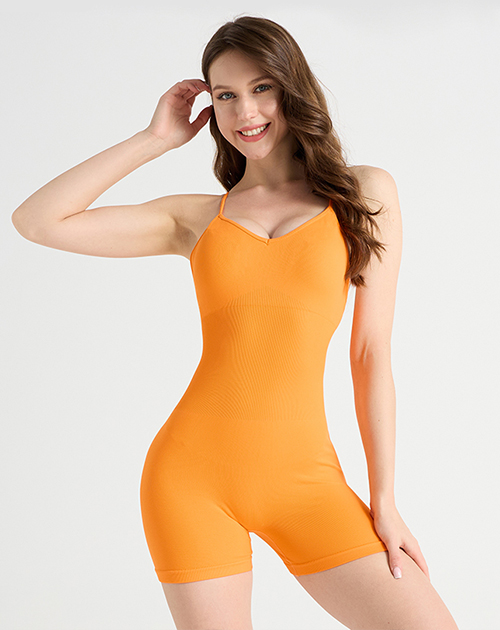
Yoga wear has moved beyond the idea of clothing designed only for exercise. For many users, yoga leggings, tops, sports bras, and outer layers are now part of a wider daily wardrobe. People may wear the same outfit during a studio session, on a walk, while traveling, or during a casual day outside.
This change has created new expectations for activewear. A garment needs to feel comfortable during movement, but appearance also matters. The cut, fabric, color, details, and overall styling can influence how a piece fits into a user's lifestyle.
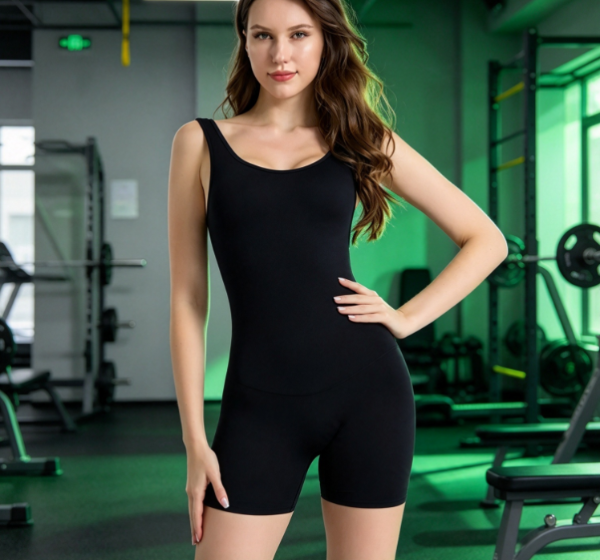
Custom Yoga Wear responds to these changing needs by allowing product developers to work with both functional and visual requirements. Instead of treating comfort and appearance as separate concerns, the design process can consider them together.
For yoga wear brands, retailers, fitness businesses, and other buyers, this approach creates more room to develop products around a specific audience. The focus can move from simply choosing an existing garment to creating a product with a more defined purpose and identity.
Yoga involves movement, stretching, balance, and changes in body position. Clothing therefore needs to work with the wearer rather than restrict movement. Comfort is also important during longer sessions, when an unsuitable garment can become distracting.
At the same time, people do not always separate workout clothing from everyday clothing. A garment may be selected because of its appearance as much as its practical use. A clean silhouette, coordinated color, or distinctive detail can make the product more appealing beyond the studio.
This creates an interesting challenge for designers. Adding too many decorative details may affect comfort or movement. Focusing only on function may result in a product that looks similar to many other items on the market.
Custom design provides a way to consider these needs at the same time.
| Product Consideration | Functional Role | Fashion Consideration |
|---|---|---|
| Fabric | Supports comfort during movement | Contributes to texture and overall appearance |
| Fit | Allows the body to move naturally | Creates the desired silhouette |
| Color | Can support different use occasions | Helps establish a visual identity |
| Construction | Supports comfortable wear | Influences the garment's shape and details |
| Design details | Can serve a practical purpose | Adds character to the product |
| Styling | Supports different activities | Helps connect the garment with everyday fashion |
The relationship between these elements is what makes yoga wear different from simply adding a logo to an existing product.
Comfort begins with the relationship between the garment and the body. Yoga wear needs to allow movement without creating unnecessary pressure or distraction. The choice of fabric, garment construction, fit, and placement of details can all influence the experience.
Fashion introduces another layer. Designers need to think about how the garment looks when worn. A product may need a simple appearance for one collection or a more distinctive visual direction for another.
These goals can work together when they are considered during the early stages of product development.
For example, a designer may choose a particular fabric because it feels suitable for movement while also creating a desired visual texture. A fitted silhouette may support the intended activity while also giving the garment a clean appearance.
Color can work in a similar way. A neutral shade may suit a minimalist collection, while stronger color combinations may create a more expressive style. The important point is that appearance should not be added randomly after functional decisions have already been made.
A more integrated approach considers how each design element contributes to the complete garment.
This is one reason yoga wear can be useful for brands developing a specific product concept. The garment can be planned around the relationship between how it feels, how it moves, and how it looks.
Fabric is one of the most important decisions in yoga wear development. It directly touches the skin and influences how the garment feels during movement.
Different fabrics can create different experiences. Some may have a softer feel, while others may create a smoother appearance. Some may be more suitable for close-fitting garments, while others may work better for relaxed styles.
The fabric also contributes to the visual character of the product. A matte surface can create a different impression from a more reflective surface. Texture can also change how colors and garment shapes appear.
This makes fabric selection both a functional and a fashion decision.
| Fabric Consideration | Design Impact |
|---|---|
| Hand feel | Influences everyday wearing comfort |
| Stretch | Supports movement and garment fit |
| Surface appearance | Changes the visual character of the garment |
| Weight and drape | Affects how the garment sits on the body |
| Care requirements | Influences product use and maintenance |
| Color response | Affects the final appearance of the collection |
For yoga wear, the fabric should be selected according to the intended product rather than treated as a standard choice for every design.
A garment intended for active movement may have different needs from a lightweight layer designed for everyday wear. Understanding the intended use can help designers create a more suitable combination of fabric and styling.
Fit is often discussed as a comfort issue, but it also has a strong visual role.
The shape of a garment affects how the body appears when the product is worn. A close-fitting design can create a streamlined look. A relaxed garment can produce a more casual impression. The position of seams, waistlines, straps, and panels can also influence the overall silhouette.
For yoga wear, fit needs to support movement while maintaining the intended appearance. These two requirements can overlap.
A garment that moves naturally with the body may also look more balanced when worn. At the same time, a visually attractive cut may not be suitable if it limits movement or creates discomfort.
This is why custom yoga wear design benefits from considering fit as part of the complete product concept.
Designers can also use fit to create differences between product categories. A collection might include close-fitting leggings, relaxed tops, lightweight layers, or supportive pieces. Each garment can have its own role while maintaining a consistent visual direction.
The result is not simply a collection of separate garments. The pieces can work together as part of a broader wardrobe.
Customization allows designers to work beyond basic colors and logos. Small design decisions can have a noticeable effect on the identity of a garment.
Seam placement is one example. Seams can follow the natural structure of the garment while creating visual lines. Panels can also be used to introduce color changes or subtle differences in texture.
Straps, waist details, pockets, hems, and other elements can serve both practical and visual purposes. A pocket can provide storage while also becoming part of the garment's design. A carefully placed panel can change the appearance of a basic silhouette without adding unnecessary decoration.
The key is balance.
Too many details can make a garment look complicated. Too few may make it difficult to distinguish from similar products. Custom yoga wear gives designers the opportunity to decide which details actually support the product concept.
| Custom Element | Possible Design Role |
|---|---|
| Color combinations | Establishes a recognizable visual direction |
| Seam placement | Shapes the garment and creates visual lines |
| Panels | Adds contrast or changes the appearance of the silhouette |
| Waist details | Influences both fit and styling |
| Straps | Supports garment structure and visual balance |
| Pockets | Adds practical value while contributing to design |
| Labels and logos | Connects the product with its brand identity |
These details can be developed according to the intended customer rather than selected simply because they are available.
Activewear has become a competitive product category, and visual identity can help a collection communicate its purpose.
Brand identity does not have to mean placing a large logo on every garment. It can appear through a consistent choice of colors, silhouettes, fabric textures, details, and overall styling.
Custom yoga wear gives brands more control over these elements. A company can develop a collection around a particular design direction rather than relying entirely on standard products.
For example, one collection may focus on understated colors and simple shapes. Another may use stronger visual contrasts and more expressive details. Both can serve different audiences while maintaining a clear product concept.
The identity should also make sense across multiple garments. A pair of leggings, a sports top, and an outer layer should be able to feel related even when their individual functions are different.
This is where product planning becomes important. Customization works more effectively when individual design decisions are connected to a larger collection strategy.
Yoga wear increasingly overlaps with casual clothing. People may choose activewear for travel, errands, relaxation, or informal social activities.
This creates opportunities for products that do not look limited to a single activity.
A pair of leggings can be designed for movement while still fitting naturally into a casual outfit. A lightweight jacket can work before and after exercise. A simple top can be worn during yoga and later paired with other everyday clothing.
This does not mean that every yoga garment needs to become streetwear. The important idea is versatility.
Designers can consider different wearing situations when developing custom products. A garment may need to remain comfortable during exercise while also having a shape and appearance suitable for other settings.
| Use Situation | Product Design Focus |
|---|---|
| Yoga practice | Freedom of movement and comfort |
| Walking | Easy everyday wear |
| Travel | Practicality and flexible styling |
| Casual activities | Simple appearance and easy matching |
| Layering | Compatibility with other garments |
This broader view can influence fabric selection, fit, color, and garment details.
It also changes how customers may evaluate yoga wear. Instead of asking only whether a garment works during exercise, they may consider how easily it fits into the rest of their wardrobe.
Custom yoga wear development works more smoothly when design decisions are connected from the beginning. A product should have a clear purpose before details are selected.
Brands can start by identifying the intended user and the situations in which the garment will be worn. This helps clarify whether the product should focus more heavily on studio use, everyday wear, or a combination of both.
The design team can then consider the relationship between fabric, fit, color, construction, and details.
A practical development process may include several stages:
This process helps prevent fashion and function from becoming two separate design tasks.
Custom yoga wear is therefore not simply about changing the color of an existing garment or adding a brand mark. It involves making connected decisions about materials, fit, appearance, functionality, and the role of the product within a wider collection.
As yoga clothing continues to overlap with everyday activewear, these design decisions can become increasingly interconnected. A garment may need to support movement in one setting and still feel natural in another. That is where the combination of function and fashion becomes part of the product itself.
Copyright © Jinhua Yongxing Knitting Co., Ltd.
 Seamless Yoga Sets


 English
 русский
 Español