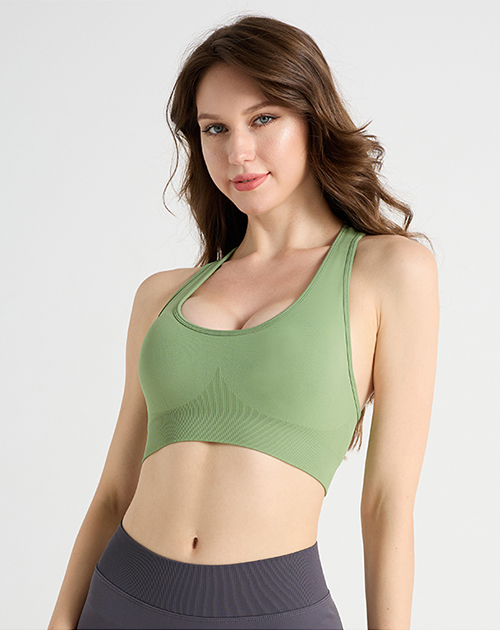
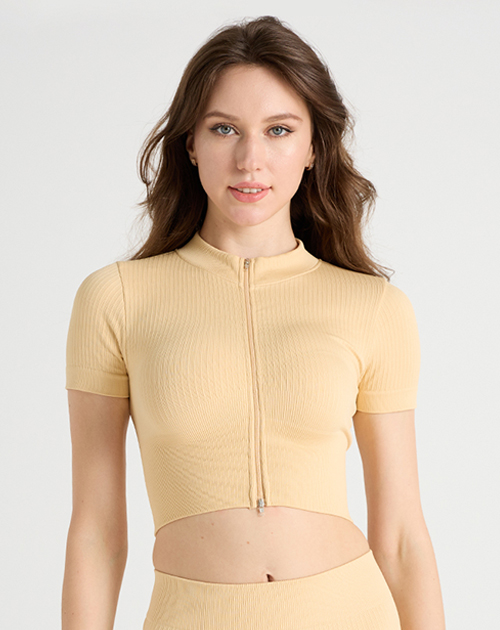
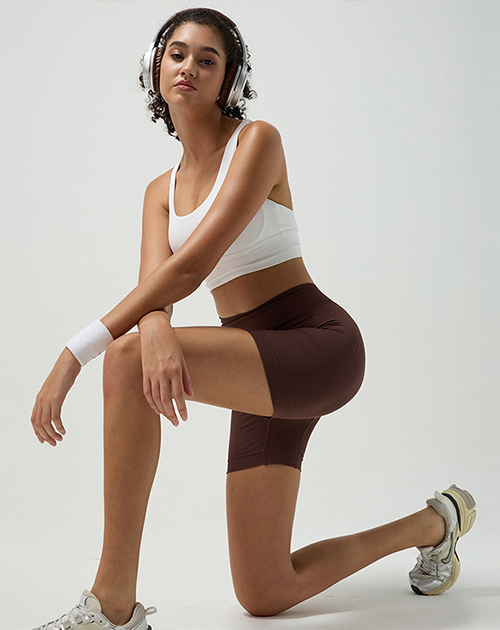
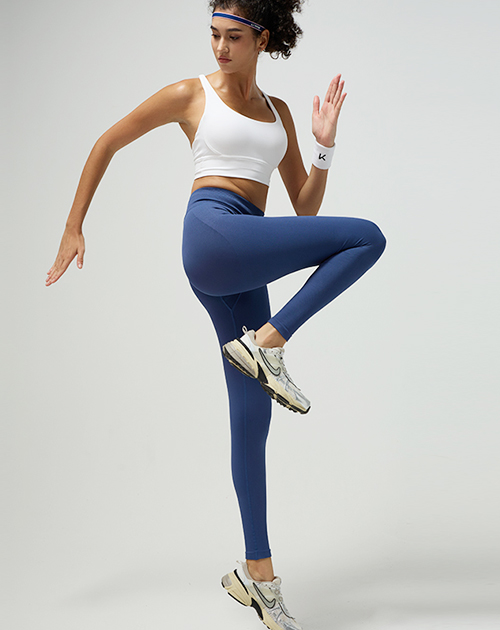
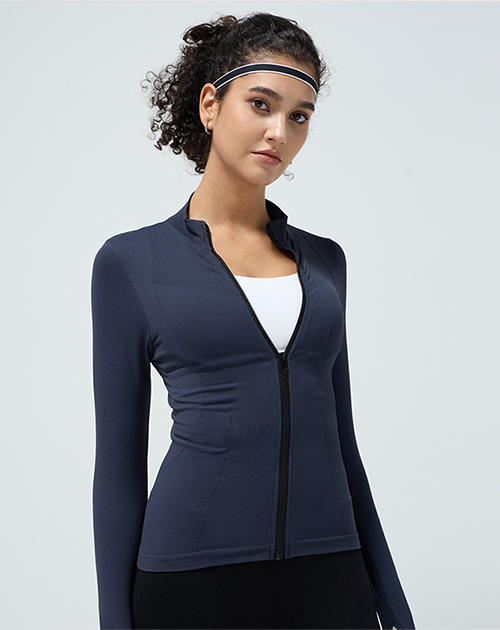
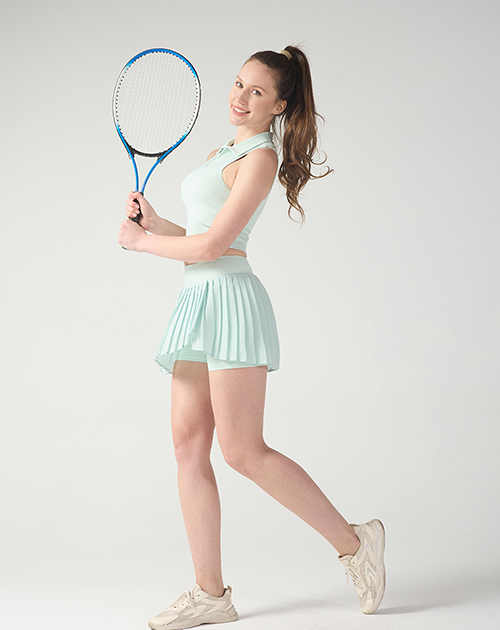
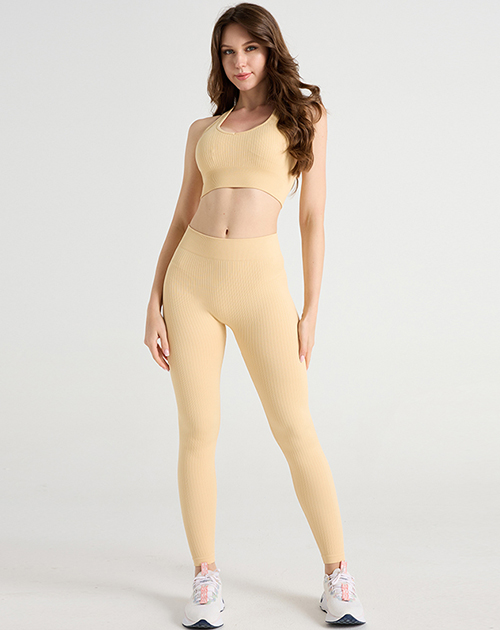
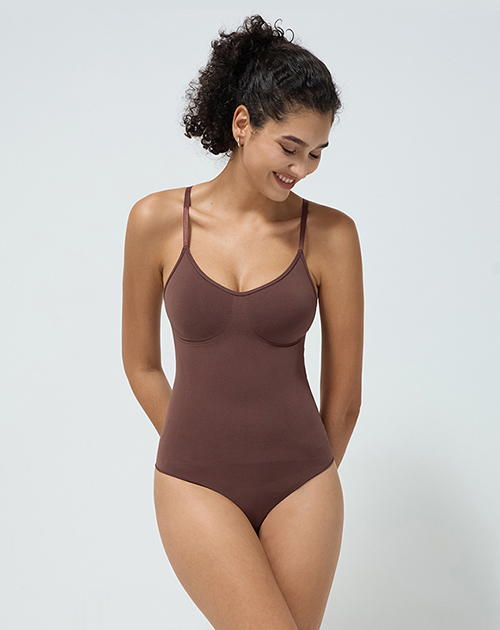
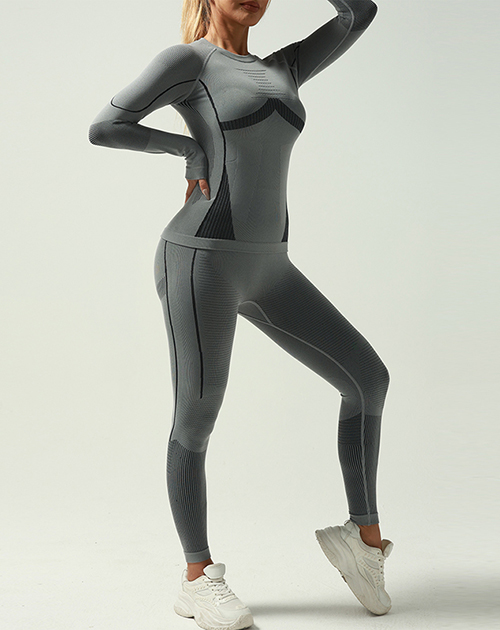
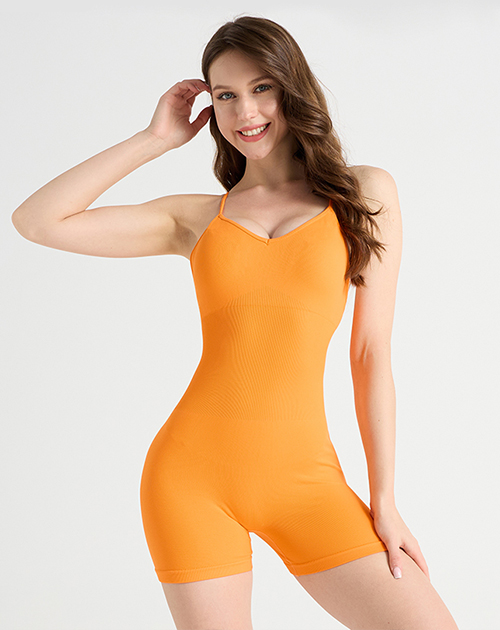
The size of sportswear affects much more than appearance. During exercise, clothing needs to stay in position while allowing the body to bend, stretch, lift, and move without unnecessary restriction. A garment that fits differently from the body's shape can create pressure in some areas while becoming loose in others.
A close fit can be useful for sports clothing, but tightness alone does not indicate a suitable size. Excess pressure around the chest, waist, shoulders, or thighs may make movement uncomfortable. Loose fabric can also create problems when it shifts during repeated movement or gathers around joints.
Fit becomes particularly relevant when clothing is worn for active exercise. Body movement changes the position of fabric, and the same garment can feel different when standing still compared with running, stretching, or bending.
Several basic points can be considered before selecting a size:
Sportswear also changes shape during use. Stretch fabric can follow body movement, while less flexible material may require additional room around areas that bend frequently. The construction of the garment can affect how much freedom is available even when the listed size appears appropriate.
A suitable size is therefore related to both body dimensions and movement requirements. Static appearance provides only part of the information needed for a practical fit.
Accurate measurements provide a more useful starting point than relying only on a familiar clothing size. Different garments can use different sizing systems, and a size that fits one type of clothing may not provide the same fit in another design.
Measurements should be taken with the body in a natural standing position. The measuring tape should remain close to the body without being pulled tightly. Heavy clothing underneath can also affect the result, so light clothing or direct measurement is generally more suitable.
For many sports garments, useful measurements include:
The measurement location matters. For example, waist measurement should correspond to the area where the garment is intended to sit rather than a random point above or below the natural waist.
Body proportions can also affect fit. Two people with a similar chest measurement may have different shoulder widths, torso lengths, or hip proportions. A single measurement cannot describe the entire shape of the body.
When measurements fall between available size categories, the intended activity and garment construction become relevant. A highly flexible garment may accommodate movement differently from a structured garment with limited stretch.
Size information should also be checked against the specific garment rather than assumed from previous purchases. Changes in cut, fabric, waistband construction, sleeve shape, or leg opening can alter the way clothing sits on the body.
Good measurement practice includes:
These steps reduce the chance of selecting a size based only on habit or appearance.
Garment design changes the way a size feels on the body. An athletic top with a shaped torso can sit differently from a loose training shirt, even when both are intended for exercise. Lower‑body garments also vary in waistband position, leg width, and length.
The shoulder area deserves attention in fitted tops. A shoulder seam positioned too far inward can restrict arm movement, while a seam placed too far outward may allow excessive fabric movement.
The chest and torso need enough room for normal breathing and movement. A garment that pulls strongly across the chest when the arms are raised may not be suitable for activities involving repeated upper‑body movement.
Lower‑body clothing has its own requirements. The waistband should remain in place without digging into the skin. Around the hips and thighs, fabric needs enough flexibility for walking, squatting, stretching, or other repeated movements.
Important design areas include:
A fitted design does not necessarily require every section to press tightly against the body. Different areas may need different amounts of room because body movement is not uniform.
Fabric direction can also influence the result. Stretch along one direction may provide freedom for certain movements, while limited stretch in another direction can make the same garment feel restrictive.
For a Fitness Sports Suit, size selection should take both the body and the garment structure into account. The listed size provides a reference, while the actual construction determines how that size behaves during movement.
Exercise changes the requirements for clothing fit. A garment used for walking may not need the same range of movement as one used for activities involving repeated stretching, bending, jumping, or rapid changes in body position.
Upper‑body movement is particularly important for activities involving frequent arm motion. A suitable garment should allow the shoulders to move without pulling strongly across the chest or upper back.
Lower‑body movement requires attention to the waist, hips, thighs, and knees. Squatting or stretching can expose areas that appear comfortable while standing. Fabric may pull upward, the waistband may shift, or seams may press against the skin.
The intended activity can be considered through several simple questions:
Activities with frequent stretching may benefit from flexible fabric and sufficient room around moving joints. Exercise involving repeated running or jumping may require closer attention to garment stability and friction.
A Fitness Sports Suit should also remain comfortable as body temperature rises. Sweat can make fabric heavier, increase rubbing, and change how the garment feels against the skin. A size that seems suitable before exercise may feel different after extended movement.
The goal of size selection is not simply a close visual fit. The garment needs to accommodate the actual movements associated with the intended activity while remaining stable and comfortable throughout use.
Try touching your toes in a pair of jeans versus a pair of leggings, and the difference in fabric behavior becomes obvious right away. Stretch fabric moves with the body, following a lunge or a reach without much resistance. Firmer material behaves differently — it needs extra room built into the pattern around joints and muscles that flex often, otherwise a squat or a high kick pulls the fabric tight in ways that feel restrictive.
Stitching and trim play a role that's easy to overlook. A waistband might sit comfortably while you're standing at the gym counter, then dig into your side the moment you drop into a squat. Cuffs behave the same way — a sleeve opening that seems fine during a bicep curl can start pressing against the forearm once you're doing overhead presses for several sets in a row.
| Fit Area | Check During Movement | Possible Issue |
|---|---|---|
| Shoulders | Arm lifting and rotation | Pulling near seams |
| Chest | Stretching and bending | Fabric tension across the front |
| Waist | Bending and sitting | Rolling or pressure |
| Hips | Squatting and stepping | Restricted movement |
| Legs | Walking and stretching | Riding up or bunching |
Fabric also changes with use. A shirt that fit evenly on day one might loosen around the shoulders after a few months of washing, or a waistband might lose some of its grip after repeated stretching in the dryer. That gradual shift explains why a garment that felt right at purchase sometimes needs a second look later on.
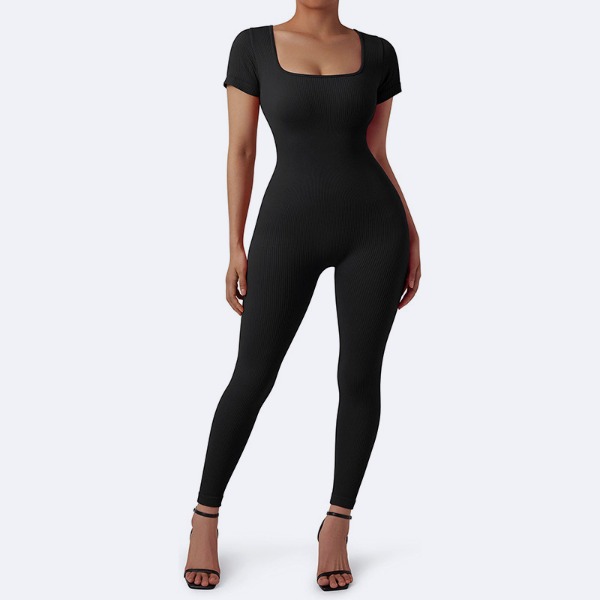
Standing in front of a mirror only tells half the story. Raising both arms overhead — the way you would during a pull‑up or an overhead press — often reveals tension building near the shoulder seams that a still pose never shows. Bending forward, similar to picking up a dumbbell off the floor, tests whether a waistband stays put or creeps away from the skin.
Lower‑body checks matter just as much. A few squats can show whether fabric bunches behind the knee or pulls tight across the thigh. Walking a short distance, or even jogging in place, tests whether pant legs stay steady or start riding up with each stride.
Watch for these signs during a quick movement check:
A five‑minute movement test at home — squats, lunges, arm raises — often catches problems that a standing mirror check misses entirely. For a Fitness Sports Suit meant for varied movement, that kind of check matters more than a quick glance in a fitting room.
Grabbing a size based on an old T‑shirt from a different brand is a common shortcut, and it often backfires. Cuts vary between brands and even between product lines from the same company, so a medium in one waistband style can fit completely differently from a medium with a different construction.
Focusing on a single measurement causes trouble too. A shirt might sit fine around the chest yet feel tight across the shoulders the moment you reach for something overhead. Pants show a similar pattern — comfortable at the waist but snug through the hips, or the reverse.
Visual judgment adds another layer of confusion. A snug‑looking outfit might photograph well but pinch during a workout, while a looser cut might look relaxed yet bunch up awkwardly mid‑movement.
Frequent sizing mistakes include:
Looking at the body as a whole — shoulders, chest, waist, hips, legs together — gives a more reliable picture than checking any one spot alone.
Discomfort that sticks around past the first few minutes of wear is a practical signal worth paying attention to. Pressure that builds near the shoulders, waist, or thighs partway through a workout often points to a sizing mismatch rather than something you'll simply adjust to.
Constant fidgeting with clothing during exercise is another clue. Pulling a waistband back into place, tugging a sleeve down, or noticing pant legs gather at the ankle repeatedly during a run all suggest the cut doesn't match how your body actually moves.
Body shape shifts over time with changes in training routine, and fabric itself ages with wash cycles and regular wear. A suit that fit well a year ago might stretch differently now, or lose some of its original shape.
Reasons to revisit sizing include:
Choosing a size works better as an ongoing check than a one‑time decision. Measurements give a starting point, but fabric stretch, construction, and how the body actually moves during a workout show whether that size still makes sense.
Copyright © Jinhua Yongxing Knitting Co., Ltd.
 Seamless Yoga Sets


 English
 русский
 Español