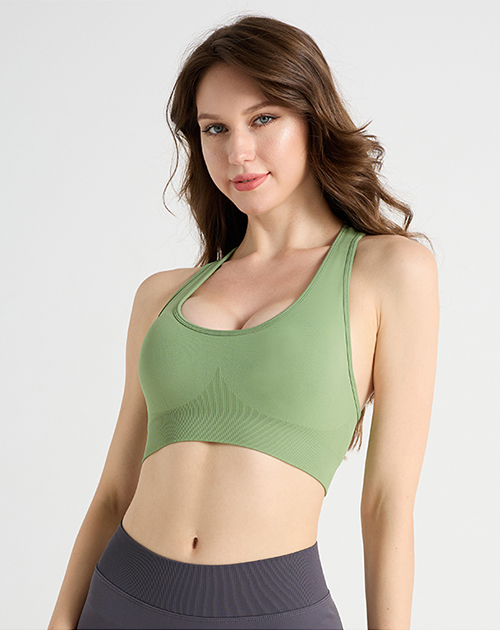
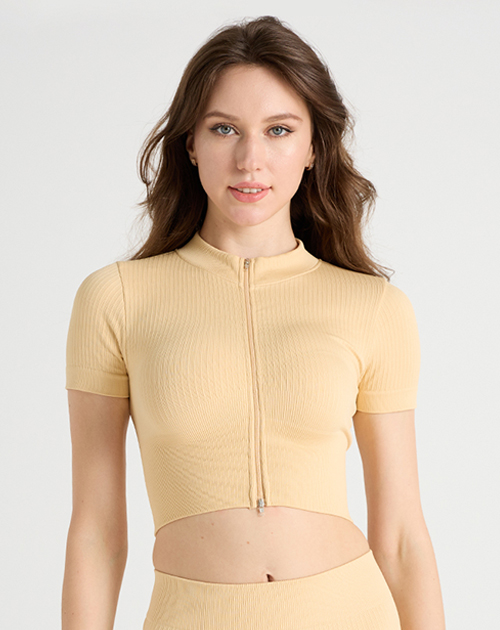
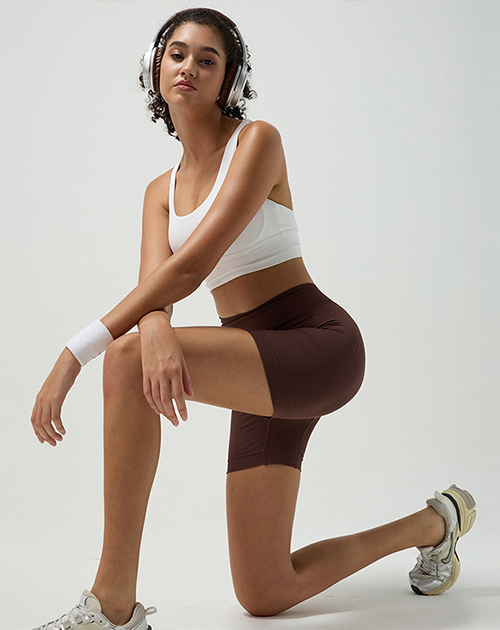
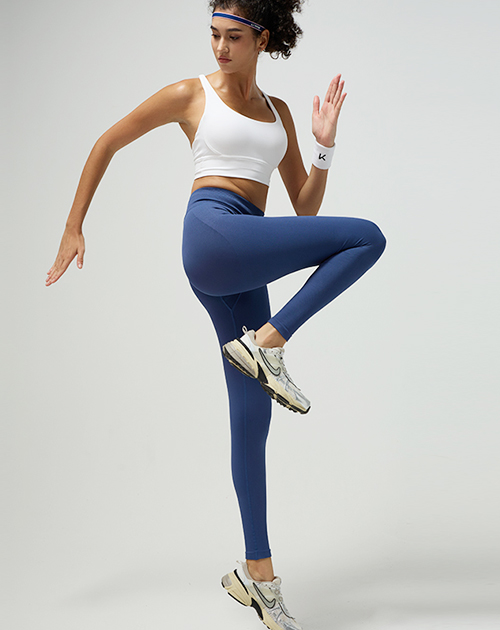
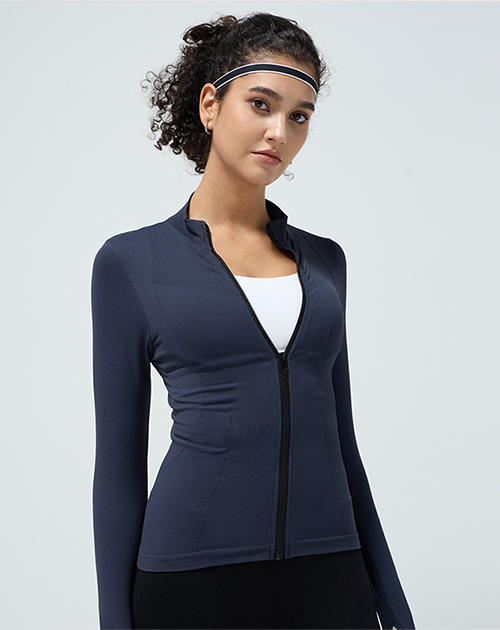
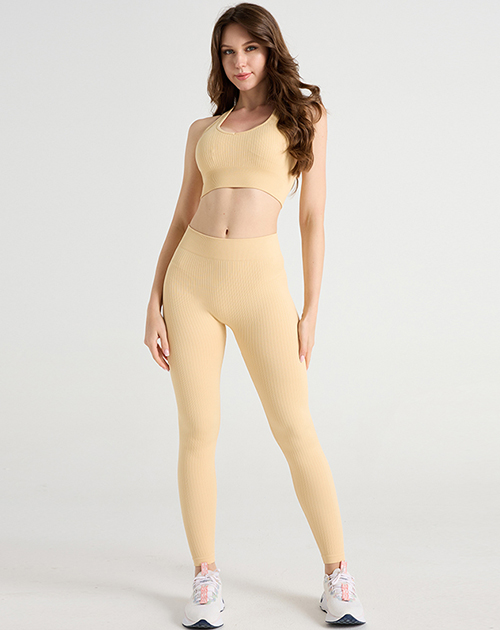
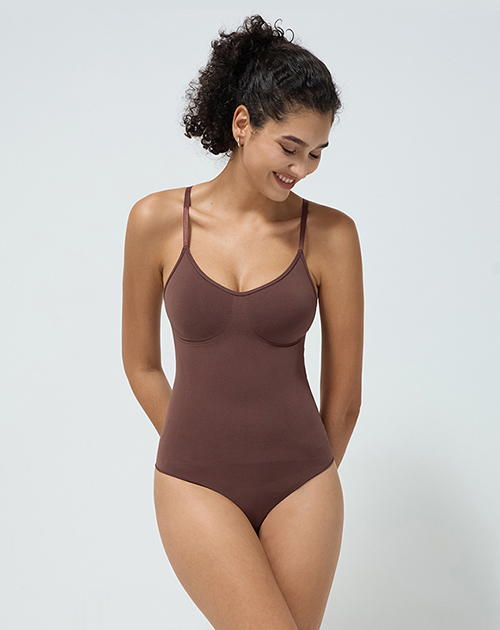
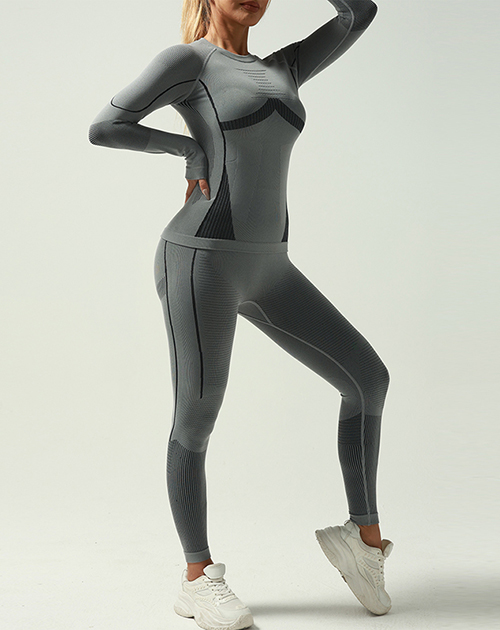
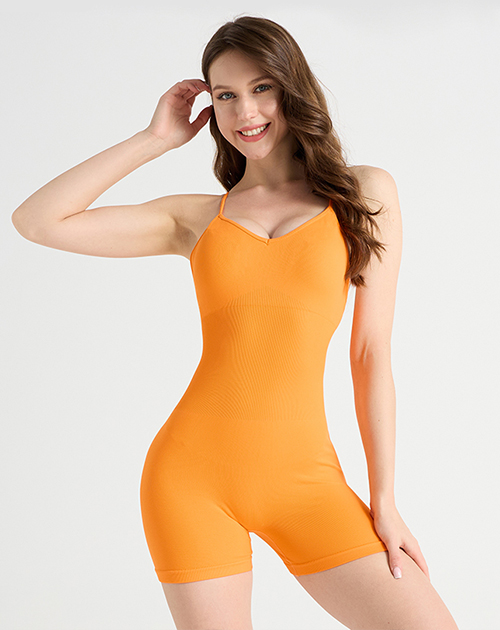
Garments designed to shape or support the torso are worn during many activities, including exercise. They sit against the midsection and sometimes extend higher up the rib cage. That placement puts them in direct contact with the part of the body that moves when a person breathes.
Breathing is not a small mechanical action. It involves the diaphragm dropping, the rib cage expanding, and the abdominal wall moving outward and back. Anything that presses against those areas has the potential to change how easily that motion happens.
The question of whether a Fitness Body Shaper affects breathing during exercise does not have a single answer. The effect depends on how much compression the garment applies, where it sits, how it fits, and what kind of activity is being performed. Some wearers notice nothing. Others find that breathing feels different, particularly during demanding exercise. Working through the mechanics helps clarify when and why that difference appears.
At rest, breathing is largely automatic and requires little effort. During exercise, the demand for oxygen rises, and the breathing system has to work harder to meet it.
The diaphragm sits at the base of the chest cavity. When it contracts, it moves downward, creating space for the lungs to expand. The rib cage lifts and widens at the same time. Air flows in. When the diaphragm relaxes, it moves back up, and the rib cage returns to its resting position. Air flows out.
During exertion, both the rate and depth of breathing increase. The diaphragm works harder, and the muscles between the ribs contribute more. The abdominal muscles also play a role, particularly during forceful exhalation. All of these structures move within the torso, and their movement depends on having room to expand.
Any external pressure on the torso region can influence how freely that movement occurs. The diaphragm needs space below the lungs. The rib cage needs room to lift and widen. The abdominal wall needs to move outward as the diaphragm descends. When something presses against those areas, the body may compensate by changing the pattern of breathing.
These garments apply compression around part of the torso. The pressure may be concentrated at the waist, extend across the abdomen, or cover a larger area including the lower ribs. The materials used — often elastic fabrics with varying stretch — determine how much pressure is applied and how it changes as the body moves.
Intended purposes vary. Some wearers use them for posture support, others for shaping, and some for increased sweating during activity. The compression level differs across garment types, from light pressure that sits close to the body to firmer compression that produces a noticeable squeeze.
Fit and sizing play a large role in how much pressure the wearer experiences. A garment that matches body measurements applies pressure as designed. One that is smaller than the intended size applies more, and one that is larger applies less. The same garment can feel different depending on where it sits on the torso and how the wearer's build interacts with its cut.
Where the garment ends matters as well. A low‑waist design that stops below the ribs affects the abdomen but leaves the rib cage free. A higher‑cut design that covers the lower ribs applies pressure to an area directly involved in breathing. The difference in placement changes which structures are affected.
Diaphragm movement depends on space below the lungs. Firm compression across the upper abdomen can limit how far the diaphragm descends. When that movement is restricted, the body may rely more on the rib cage to draw air, which changes the breathing pattern.
Rib cage expansion requires the muscles between the ribs to lift and widen the chest. Compression that wraps around the lower ribs can resist that expansion. The effect is more noticeable during exertion, when the rib cage needs to move further than at rest.
Abdominal muscle engagement changes when external pressure is applied. The abdominal wall normally moves outward as the diaphragm descends. A garment that holds the abdomen in place alters that movement, and the muscles may work differently as a result.
Posture changes can accompany garment wear. A shaper that encourages a straighter posture may shift the position of the rib cage and diaphragm. That shift affects breathing mechanics, sometimes in ways the wearer does not notice until activity increases.
Individual differences matter here. Torso length, build, and natural breathing pattern all influence how much a garment affects the breathing process. A person who breathes primarily with the diaphragm may notice restriction differently than one who relies more on chest movement. The same garment can produce different experiences across wearers.
| Breathing Element | Function | How Pressure Affects It |
|---|---|---|
| Diaphragm | Descends to draw air in | Limited space below the lungs |
| Rib cage | Lifts and widens during inhale | Resistance to expansion |
| Abdominal wall | Moves outward with the diaphragm | Restricted movement alters muscle use |
| Posture | Positions the torso for breathing | Shifts rib cage and diaphragm alignment |
| Breathing rate | Increases with exercise intensity | Compensation may change rhythm |
Compression level sets the starting point. Light pressure that sits close to the body leaves more room for movement. Firmer compression produces a more noticeable restriction. The difference shows up during exertion, when the breathing system needs to expand beyond its resting range.
Garment height determines which structures are affected. A design that stops below the rib cage leaves the diaphragm and lower ribs free. One that extends over the lower ribs applies pressure to an area directly involved in drawing air. Higher coverage does not automatically cause problems, but it places pressure closer to the structures that move during breathing.
Material elasticity affects how the garment behaves as the body changes shape. A fabric that stretches with movement allows the torso to expand during inhale. One that holds its shape firmly resists that expansion. The same compression level feels different depending on how the material responds.
Fit accuracy shapes how pressure is distributed. A garment sized to the wearer's measurements applies pressure as intended. One that is smaller concentrates pressure at specific points, which can create localized restriction. One that is larger may shift position during activity, producing uneven pressure that changes as the wearer moves.
Exercise type influences how noticeable the effect becomes. Steady‑state activity allows the breathing pattern to settle into a rhythm. Interval training or high‑intensity work demands rapid changes in breathing rate and depth, which places greater demand on the structures involved. Activities that involve breath control, such as certain forms of yoga or weightlifting, add another layer of consideration.
Duration of wear matters as fatigue accumulates. A garment that feels comfortable at the start of a session may feel more restrictive as the body tires and breathing becomes more labored. Extended wear during demanding activity increases the chance that restriction becomes noticeable.
Individual breathing patterns vary from person to person. Some rely more on diaphragm movement, others on chest expansion. A garment affects these patterns differently, which is part of why experiences differ across wearers.
High‑intensity activity requires rapid air exchange. The breathing system has to move more air in less time, which means the diaphragm and rib cage need to work through a wider range of motion. Compression that limits that range becomes more noticeable as intensity rises.
Exercises that involve deep breathing place demand on the same structures. Activities requiring slow, controlled inhales to full lung capacity test how freely the rib cage can expand. A garment that resists that expansion may make full breaths harder to achieve.
Movements that expand the rib cage fully — reaching overhead, extending the spine, or opening the chest — pull against the garment's compression. The resistance is felt at the limits of the movement rather than at rest.
Prolonged sessions allow fatigue to accumulate. Breathing muscles tire like any other muscle, and a garment that adds resistance to their work may accelerate that fatigue. The effect builds over the course of a session rather than appearing at once.
Heat buildup adds another factor. Compression garments can increase skin temperature and reduce airflow across the torso. That additional thermal load raises cardiovascular demand, which in turn increases breathing requirements. The garment's mechanical effect and its thermal effect can combine.
Positions that press the garment against the torso — bending forward, seated rows, or exercises performed lying down — change how pressure is distributed. A garment that fits comfortably while standing may press differently when the body bends or compresses.
A common observation is a sensation of tightness around the midsection, particularly during deeper breaths. The feeling is described as pressure rather than pain, and it tends to be more noticeable during exertion than at rest.
Some wearers note a change in breathing rhythm. The body may shift toward shorter, more frequent breaths when deeper expansion is restricted. Others find they need to consciously adjust their breathing to compensate.
The difference between light activity and vigorous exercise is frequently mentioned. A garment that feels fine during a walk may feel different during running or interval training. The change corresponds to the increased demand for air movement.
Comfort levels vary across garment types. A low‑compression design worn for light activity produces different feedback than a firm‑compression design worn for a workout. Neither is inherently better or worse — the experience depends on what the wearer expects from the garment and how it fits.
Tolerance differs across individuals. Some wearers notice little effect regardless of activity. Others find restriction becomes apparent quickly. Body shape, torso length, and natural breathing pattern all contribute to these differences.
A few practical steps help reduce the chance that a garment interferes with breathing during exercise.
These steps are not complicated, but they require attention to how the garment feels during activity rather than only how it fits at rest. The difference between the two conditions is where most issues appear.
Paying attention to breathing during warm‑up provides a useful baseline. If breathing feels unrestricted at low intensity but becomes labored quickly as effort rises, the garment may be contributing. Adjusting fit, compression level, or wear duration often resolves the issue without giving up the garment entirely.
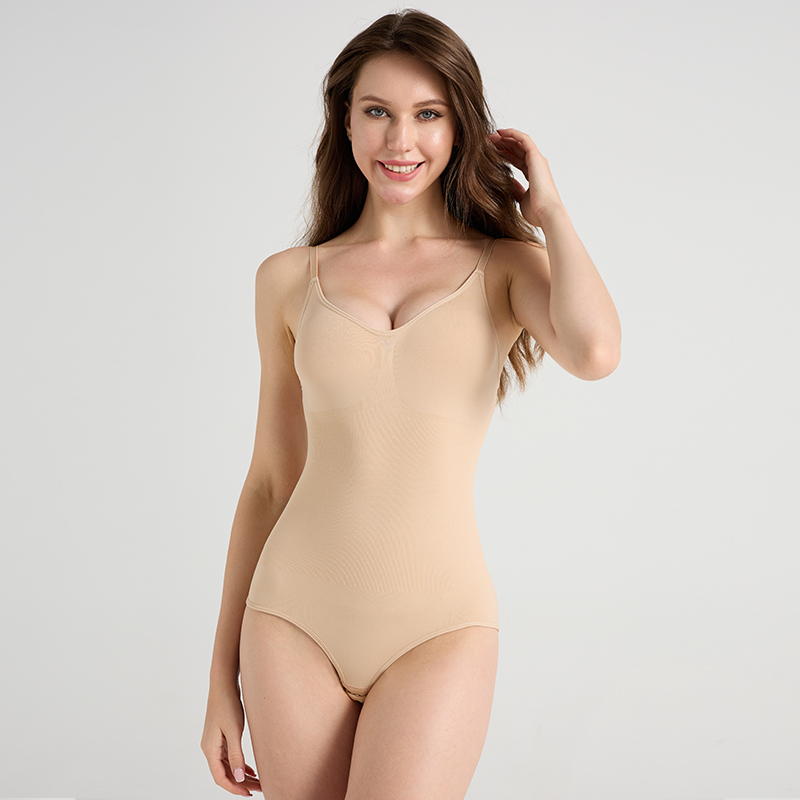
A Fitness Body Shaper applies pressure to the torso, and the torso houses the structures that move during breathing. That overlap means the garment can influence how easily the diaphragm descends, how freely the rib cage expands, and how the abdominal wall moves.
Whether that influence becomes noticeable depends on several factors. Compression level, garment height, material elasticity, and fit accuracy all shape how much pressure is applied and where. The type of exercise, the duration of wear, and the individual's natural breathing pattern determine how that pressure is experienced.
Comfortable breathing during exercise remains possible with a garment that fits well and suits the activity. The key lies in matching the garment to the demands being placed on the body rather than treating all compression garments as equivalent.
A Fitness Body Shaper is one variable among many that affect breathing during exercise. Fit, activity type, and individual tolerance all play a role. Paying attention to how breathing feels during activity, and adjusting garment choice accordingly, keeps the focus on the workout rather than on the garment.
Copyright © Jinhua Yongxing Knitting Co., Ltd.
 Seamless Yoga Sets


 English
 русский
 Español