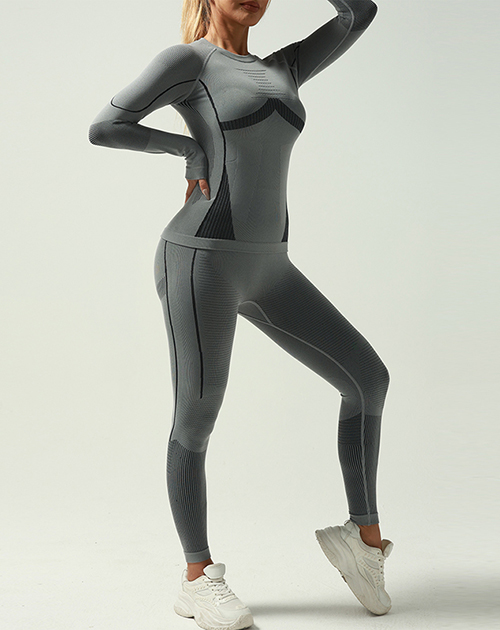
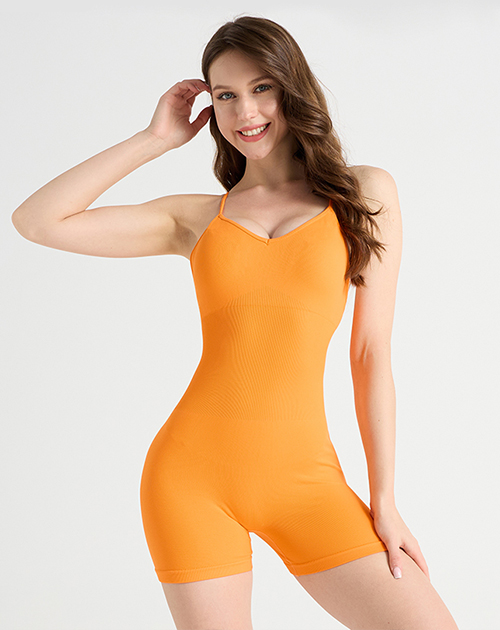
Body shaping garments can change how heat, moisture, and pressure are distributed around the covered areas. A garment designed to increase sweating may make the skin feel warmer and wetter during wear. As a session continues, those conditions can become less comfortable, particularly in a warm room or during physical activity.
Wearing time is not simply a matter of keeping the garment on until discomfort appears. Several conditions develop gradually. Moisture can remain against the skin, friction can increase around seams or edges, and compression can feel different as the body moves.
A reasonable wearing approach depends on the garment itself and the conditions surrounding it. Fit, fabric construction, room temperature, activity level, and individual tolerance all influence how a session feels.
Several practical points deserve attention before wearing begins:
A longer session does not automatically provide a better experience. Heat and moisture can continue to build even when the garment initially feels comfortable. Regular attention to physical sensations is more useful than following a fixed duration without considering changing conditions.
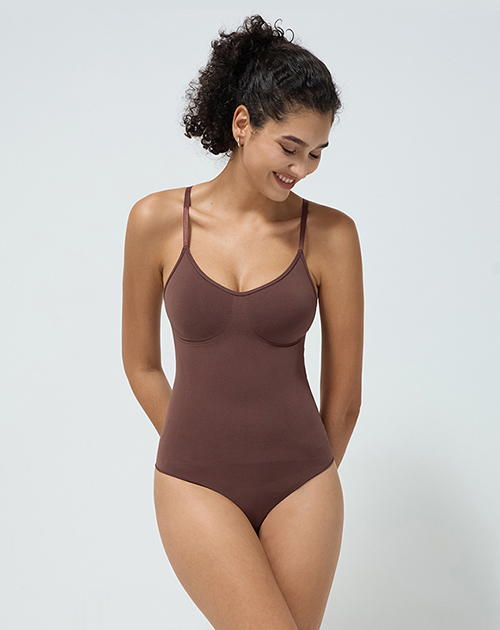
A Sweat Body Shaper generally covers a large area of the torso or another body region and is designed to retain warmth around the skin. Reduced air movement inside the garment can make sweating more noticeable.
Sweat itself is part of the body's natural cooling process. When moisture evaporates from the skin, heat can leave the body. A garment that keeps moisture close to the skin may change how quickly that cooling occurs.
The result depends heavily on the surrounding environment. In a cool and well-ventilated space, discomfort may develop more slowly. In a warm or poorly ventilated setting, heat can accumulate more quickly.
Compression introduces another factor. A close-fitting garment can create pressure around the abdomen, waist, hips, or other covered areas. When the fit is appropriate, movement may remain comfortable. Excessive tightness can instead create pressure, rubbing, or restricted movement.
Skin condition can also change during a session. Warm, damp areas may become more vulnerable to friction. Repeated rubbing from seams, edges, or fabric can cause redness or irritation, especially when moisture remains on the skin.
Common sensations during wear can include:
These sensations are not necessarily signs of a problem by themselves. Their intensity and progression matter. A mild feeling of warmth may be manageable, while increasing dizziness, unusual weakness, breathing difficulty, or painful pressure calls for the garment to be removed.
There is no single wearing period that suits every situation. The same garment can feel different when worn during light household activity, outdoor movement, or exercise.
Fit is an important starting point. A garment that is too tight may create unnecessary pressure before sweating becomes significant. A loose garment may shift during movement, increasing friction around certain areas.
Environmental heat also changes the experience. Higher surrounding temperatures can make the body work harder to release heat. Limited ventilation may add to the problem by reducing the movement of cooler air around the skin.
Activity creates another difference. Sitting quietly produces a different level of heat and sweat from walking, exercise, or other physical work. The greater the physical effort, the faster body temperature and moisture levels may change.
Individual tolerance varies as well. Some people become uncomfortable with heat or pressure sooner than others. Previous experience with similar clothing does not guarantee the same response under different environmental conditions.
| Factor | Possible Effect During Wear | Practical Consideration |
|---|---|---|
| Garment fit | Changes pressure and friction | Check comfort before activity |
| Room temperature | Influences heat buildup | Avoid excessively warm surroundings |
| Physical activity | Can increase heat and sweating | Adjust wear according to exertion |
| Ventilation | Affects heat release | Allow air movement where possible |
| Skin condition | Influences irritation risk | Avoid wearing over irritated skin |
| Hydration | Relates to fluid loss through sweating | Keep fluids available |
Health conditions can also affect tolerance to heat, sweating, or compression. Anyone with a condition that may be affected by heat exposure or tight clothing may need individual medical advice rather than relying on general wearing practices.
Activity changes how quickly heat and sweat accumulate under close-fitting clothing. A garment that feels manageable while sitting may become uncomfortable during exercise because body heat and moisture increase at a different rate.
During light activity, changes may develop gradually. Walking, standing, or routine household movement can still produce sweating, especially in warm surroundings, but the physical demand may remain relatively moderate.
Exercise requires more caution. Increased movement creates friction between the garment and skin, while rising body heat can make moisture accumulate faster. A garment that retains warmth may also make cooling less comfortable during extended physical effort.
Warning signs during activity should be taken seriously. The garment should be removed when physical condition changes in a concerning way, particularly when symptoms include:
Resting in a cooler environment and replacing lost fluids may be appropriate when excessive sweating has occurred. Continued exercise should not be used as a reason to ignore signs of heat-related discomfort.
The practical approach is to treat wearing time as flexible rather than fixed. Activity level, temperature, ventilation, fit, and physical response can all change during a single session. A comfortable starting condition does not guarantee the same condition later.
Physical discomfort can change gradually during a wearing session. Warmth may become stronger, sweat may remain against the skin, and pressure around the waist or abdomen may become less comfortable as movement continues.
Some signs deserve immediate attention. Dizziness, unusual weakness, nausea, faintness, or difficulty breathing are not normal indicators of effective garment use. Continued wear under such conditions can place additional stress on the body.
Skin reactions also provide useful information. Redness that fades soon after removing the garment may result from pressure or friction. Persistent redness, burning, itching, swelling, or broken skin requires a different response, particularly when the same reaction occurs repeatedly.
Pressure should also be monitored during movement. Numbness, tingling, sharp discomfort, or restricted movement can indicate that the garment is too tight or positioned poorly.
Useful warning signs include:
Removing the garment allows heat and moisture to escape and removes the source of pressure or friction. A cooler environment and rest may be appropriate when heat-related discomfort develops.
Medical attention may be appropriate when symptoms are severe, persistent, or continue after the garment has been removed and the body has had time to recover.
Comfort starts with the fit. The garment should remain close to the body without creating painful pressure or interfering with ordinary movement. Tightening the garment simply to increase sweating can create additional friction and pressure without providing a useful reason to continue wearing it.
Fabric condition matters as well. Sweat-soaked material can become heavier and remain against the skin. Damp areas around folds or seams may increase rubbing during movement.
A few simple adjustments can make wearing conditions easier to manage:
Activity can also be adjusted according to physical response. Light movement may be manageable under conditions that make strenuous exercise uncomfortable. Reducing activity can lower heat production, while removing the garment provides greater freedom for normal cooling.
The garment should not be treated as a substitute for rest. Sweating can increase fluid loss, while heat retention can make physical effort feel harder. A pause is appropriate when the body begins to signal that conditions have become uncomfortable.
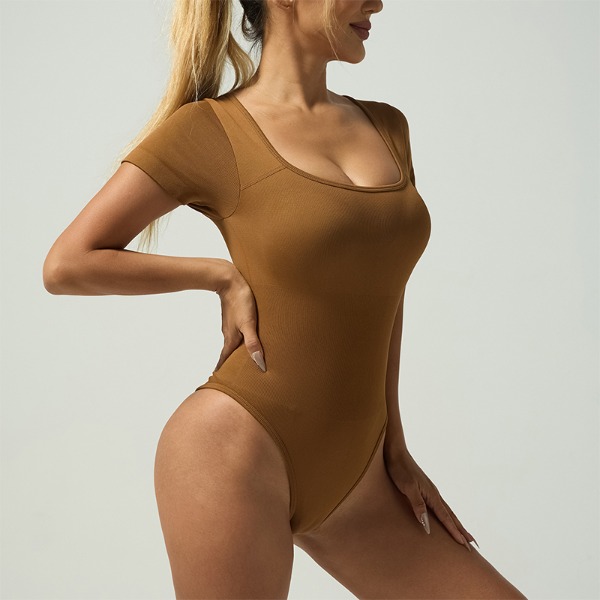
Extended wear is less suitable when the surrounding conditions already create substantial heat or when the skin is not in good condition. A warm environment combined with close-fitting clothing can make heat management more difficult.
Existing skin irritation also deserves attention. Covering an area that is already red, inflamed, scratched, or damaged can increase friction and moisture exposure. Allowing the skin to recover is preferable to adding another source of pressure or rubbing.
Heavy physical activity presents another concern. Exercise naturally increases body heat and sweating. Adding a garment that retains warmth can change the body's ability to release heat comfortably.
Extended wear may also be inappropriate when the garment interferes with:
Certain health conditions can affect tolerance to heat, sweating, or compression. Medical advice is appropriate when there is uncertainty about whether close-fitting or heat-retaining clothing is suitable for a particular condition.
A session should also end when the garment becomes uncomfortable even without obvious symptoms. Comfort is not merely a cosmetic issue. It can provide an early indication that pressure, heat, moisture, or friction has reached an unsuitable level.
Sweat and skin oils remain on fabric after wearing, making cleaning an important part of garment care. Leaving damp material folded or stored can create unpleasant odors and may affect fabric condition.
Care instructions supplied with the garment should guide washing, drying, and storage. Different fabrics and elastic components can respond differently to heat, detergents, and mechanical stress.
After a wearing session, practical care can include:
Drying conditions matter. Excessive heat can affect elastic materials, while incomplete drying can leave moisture trapped within folds or thicker fabric sections.
The garment should also be checked for changes in shape. Stretched elastic, damaged seams, rough fabric, or weakened closures can alter the fit and create uneven pressure during later use.
Clean fabric does not remove the need to consider wearing conditions. Fit, temperature, activity, skin condition, and physical response remain relevant each time the garment is worn. Proper care simply helps keep the material in a condition that supports predictable contact with the skin.
Copyright © Jinhua Yongxing Knitting Co., Ltd.
 Seamless Yoga Sets


 English
 русский
 Español