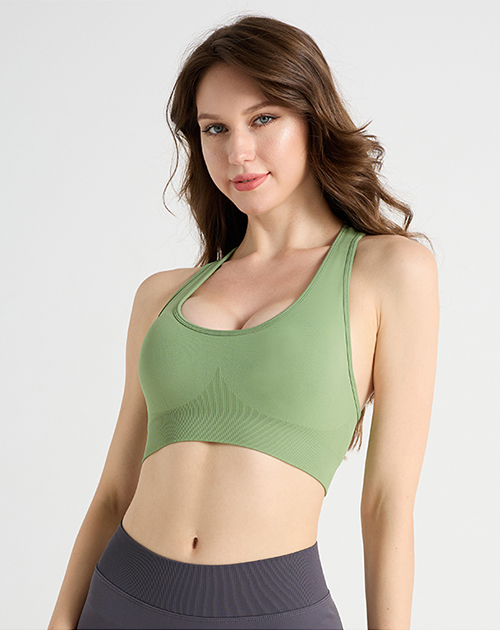
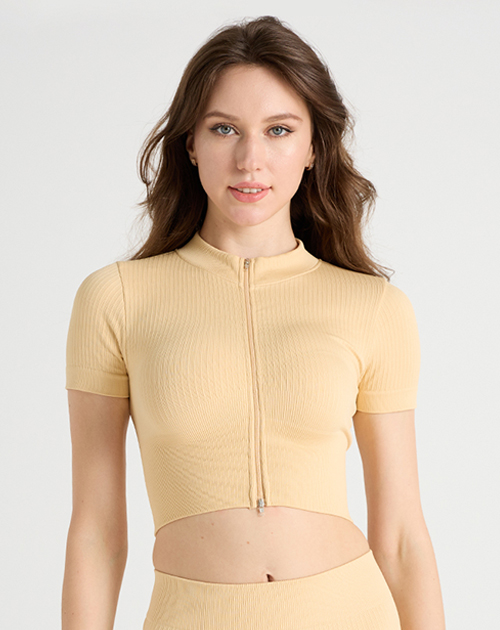
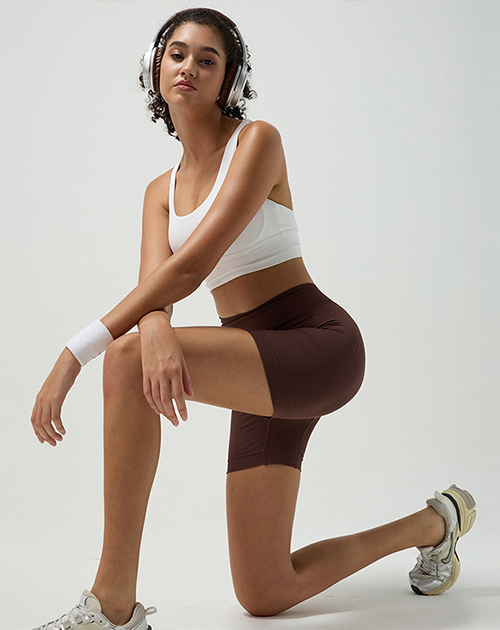
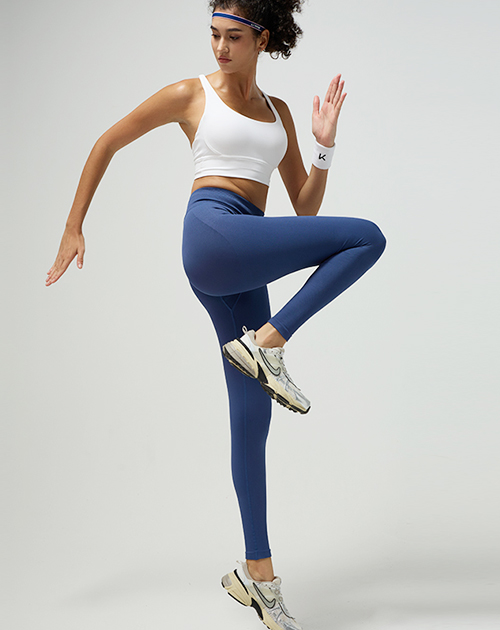
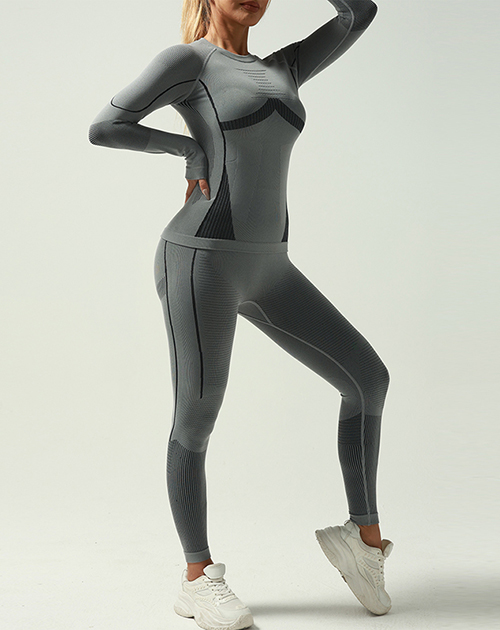
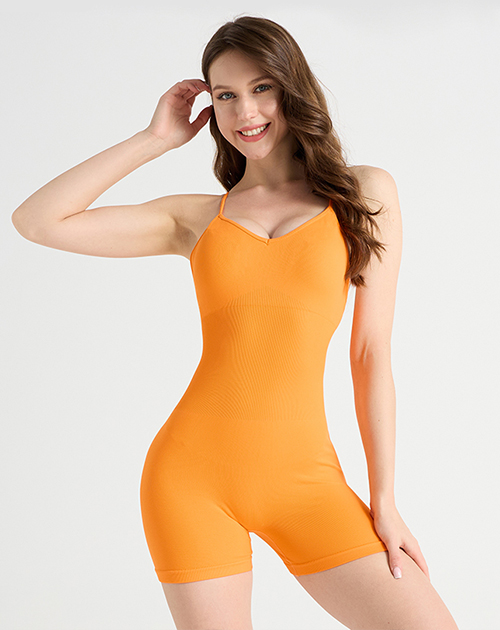
Sports clothing is washed frequently because it comes into contact with sweat, skin oils, and moisture during physical activity. Many people use fabric softener as part of a regular laundry routine, mainly to give clothing a smoother hand feel and a softer surface. For everyday garments, that treatment may fit the purpose of the fabric.
Sportswear has a different set of needs. A garment designed for active use needs to allow air to move through the fabric while helping moisture move away from the skin. Its performance depends partly on the arrangement and condition of the fibers. A layer left behind by fabric softener can interfere with those functions, especially when the same washing habit is repeated over time.
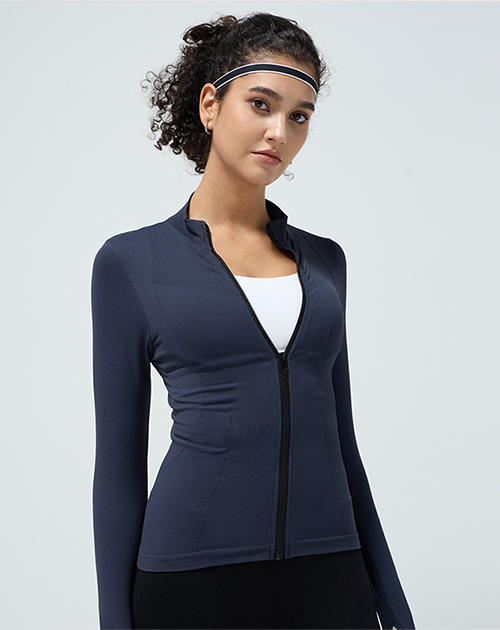
For a Breathable Sports Top, fabric care therefore involves more than keeping the garment clean and comfortable to touch. Washing choices can also affect how the material handles air, moisture, odor, and stretch.
During exercise, clothing has to deal with a changing environment. Body heat rises, perspiration reaches the fabric, and movement creates constant contact between skin and clothing. A suitable sports fabric needs to respond to those conditions without becoming excessively wet or heavy against the body.
Air movement plays an important role in that process. Small spaces within a textile allow air and moisture to move through the material. Fiber arrangement, fabric construction, and surface condition all have an effect on how easily that movement takes place.
Regular laundry can gradually change the surface condition of a garment. Detergent removes dirt and body oils, while rinsing carries away much of the material released during washing. Fabric softener works differently. Rather than focusing mainly on removing unwanted substances, it is intended to leave a softer, smoother feel on the fibers.
For sportswear, adding a lasting surface residue may create a conflict with the original purpose of the fabric. A soft touch does not necessarily mean that air and moisture can move through the material in the same way.
Several functions are connected:
When residue builds up on the surface, more than one of these functions may be affected at the same time.
Many sports garments use synthetic fibers because they can be formed into lightweight fabrics with stretch, smoothness, and moisture-handling properties. Such fibers have a surface that interacts directly with washing products.
Fabric softener is designed to make fibers feel smoother by leaving conditioning substances on them. After washing, part of that material can remain attached to the fiber surface. With repeated use, the surface may become increasingly covered by residue.
A simple way to view the difference is to consider the purpose of each laundry product:
| Laundry Action | Main Purpose | Possible Effect on Sports Fabric |
|---|---|---|
| Washing | Remove sweat, oils, and dirt | Cleans the fiber surface |
| Rinsing | Carry away loose residues | Helps reduce leftover washing substances |
| Fabric softening | Improve softness and surface feel | May leave conditioning residue |
| Air drying | Remove remaining moisture | Helps the garment return to a dry state |
The concern is not simply that a softener touches the fabric once. Repeated application can leave more material on fibers that are intended to remain relatively open for air and moisture movement.
A smoother hand feel can also create a misleading impression. Clothing may feel pleasant when handled while its moisture movement is becoming less efficient during wear. For sportswear, surface feel and functional behavior need to be considered separately.
Manufacturers therefore have to consider how fiber selection, fabric structure, finishing, and care instructions work together. A fabric cannot be viewed only in its unused condition because washing and wearing gradually become part of its real service environment.
Breathability is closely connected to the small spaces found between fibers and within the textile structure. Air does not need a large open hole to pass through clothing. Instead, it moves through many small paths distributed across the fabric.
Fabric softener can leave a waxy-feeling layer over synthetic fibers. Such residue may cover parts of those small pathways and reduce the space available for air and moisture to move. As the surface becomes less open, the fabric may no longer behave exactly as it did before repeated washing with softener.
For active clothing, the effect can be noticeable in the way moisture remains around the body. Warm, damp air needs to move away from the skin. A fabric that allows less movement can make that process slower, creating a heavier or warmer feeling during exercise.
Several factors can influence the actual result, including fabric construction, fiber type, amount of residue, washing conditions, and how often softener is used. Not every garment will respond in exactly the same way.
That distinction matters when discussing a Breathable Sports Top. Breathability is not a single feature controlled by one ingredient or one treatment. It comes from the relationship between the fibers, the spaces within the fabric, and the surface condition maintained through use and care.
Air movement and moisture movement are closely related, yet they are not the same function. A sports garment needs to deal with liquid sweat as well as humid air around the body.
When sweat reaches the fabric, the material needs to spread and move moisture across or through its structure. A relatively open fiber surface gives moisture more opportunity to travel away from the skin. Once moisture reaches the outer part of the garment, evaporation becomes easier when surrounding air can circulate.
A softener residue may interfere with that process by making the fiber surface less receptive to moisture movement. The coating can behave more like a barrier than a clean textile surface, allowing moisture to remain near the skin rather than move through the garment as intended.
The difference can be understood through everyday clothing behavior:
For a Breathable Sports Top, moisture management is therefore part of the reason fabric softener needs careful consideration. The issue does not come from softness itself. It comes from adding a surface treatment that may interfere with a textile function based on moisture movement.
Odor in sports clothing is often connected with substances left behind after wear. Sweat itself does not fully explain the smell that can develop in repeatedly worn garments. Skin oils, perspiration, and microorganisms associated with odor can remain around fibers, especially when washing does not remove them effectively.
Fabric softener adds another layer to the situation. A waxy residue can hold onto oily substances around the fiber surface, making complete removal more difficult during later washes. Instead of helping the garment stay clean between uses, repeated residue may create a surface where unwanted substances remain attached.
A common cycle can develop:
Exercise → sweat and skin oils reach the fabric → washing removes part of the residue → softener leaves a conditioning layer → oily substances may remain attached more easily → odor becomes harder to remove.
Repeated washing does not automatically break that cycle when the same softening product continues to be applied.
For sportswear, odor control therefore begins with proper cleaning rather than simply adding fragrance or softness. A garment that smells fresh immediately after washing may still retain substances that become noticeable again when heat and moisture return during the next workout.
Care practices that support thorough cleaning and rinsing are more closely aligned with the needs of active clothing. Avoiding unnecessary surface residue also gives the fabric a cleaner surface for handling sweat and body oils during later use.
Sports clothing often needs to move with the body. Stretchable fibers help a shirt expand during movement and return toward its original shape after use. For garments used in running, training, cycling, fitness, and other active settings, keeping that stretch behavior in good condition matters for both movement and fit.
Fabric softener can become a concern when it is used repeatedly on clothing containing elastic materials. Conditioning substances remain around the fibers after washing, and long-term exposure to unsuitable laundry products may affect the condition of some stretch fibers.
Changes may appear gradually rather than after a single wash. A garment may start to feel different around the shoulders, waist, sleeves, or other areas that experience frequent stretching. Recovery after movement may also become less consistent, making the original shape harder to maintain.
Several washing habits can add stress to elastic sports clothing:
Care labels remain important because different fabrics and garment constructions can respond differently to washing conditions. A Breathable Sports Top containing stretch fibers should not be treated exactly like a loose cotton shirt simply because both garments can be placed in the same washing machine.
Good sportswear care starts with removing unwanted substances rather than adding a coating to the fabric. Sweat, body oils, dirt, and detergent residue all need to be handled during washing, while unnecessary treatments can be avoided.
Checking the care label before washing provides a practical starting point. Washing temperature, cycle selection, drying instructions, and restrictions on certain laundry products can vary according to the fabric and garment structure.
A few simple habits can also reduce unnecessary wear:
Use an Appropriate Amount of Detergent
More detergent does not necessarily mean cleaner clothing. Excess detergent can remain in the fabric when the washing and rinsing process is not suitable for the garment. Using an amount that matches the washing instructions can make rinsing easier and reduce unwanted residue.
Skip Routine Fabric Softener
Sportswear generally does not need a soft coating to perform its intended functions. Leaving the fibers free of unnecessary conditioning residue can help maintain the original surface condition.
Give the Garment Enough Rinsing
Rinsing removes substances loosened during washing. A suitable rinse cycle can be useful for sports clothing, especially when garments have absorbed sweat and body oils.
Avoid Excessive Heat
High heat can place additional stress on some synthetic and elastic fibers. Following the drying instructions can help reduce unnecessary changes in shape and stretch.
Dry Clothing Promptly
A damp sports shirt left in a closed laundry basket can develop an unpleasant smell even before the next washing cycle. Moving the garment to a suitable drying area soon after washing gives moisture a chance to leave the fabric.
For a Breathable Sports Top, these habits focus on maintaining the fabric rather than adding another surface treatment.
Some households use white vinegar or baking soda when they want to reduce odor or deal with washing residue without conventional fabric softener. Both have different roles, so they should not simply be treated as interchangeable substitutes.
White vinegar is commonly used during rinsing because its mild acidic nature can help with certain mineral and detergent residues. It may also help reduce some unwanted odors. Care still needs to be taken with garment instructions, since not every fabric or finish is intended for every household treatment.
Baking soda is generally added during washing rather than rinsing. Its cleaning environment can help with certain odor-related substances and may be useful when sports clothing has developed a persistent smell.
Neither option should be viewed as a universal solution. The fabric, dye, elastic components, printed areas, and care instructions all matter. Using a household ingredient simply because it is considered mild does not remove the need to check whether the garment can tolerate it.
A practical approach is to focus on the actual problem. When clothing has a normal sweat smell, proper washing and drying may be enough. When odor remains after regular cleaning, reviewing the washing method is often more useful than continually adding fragrance or softening products.
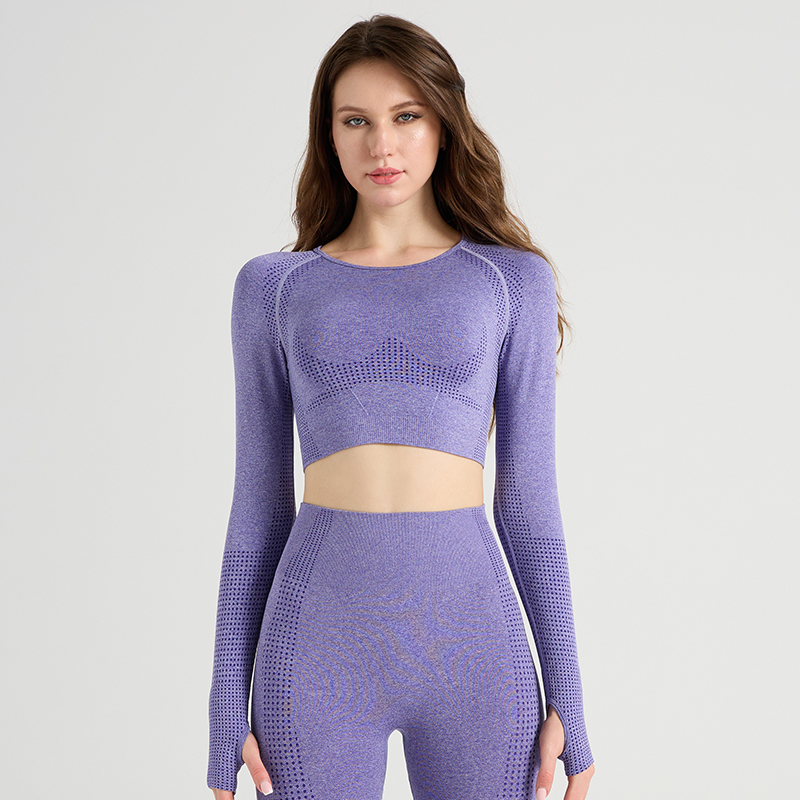
Sportswear cleaning has different requirements from the washing of ordinary household clothing. Synthetic fabrics can hold sweat, skin oils, and odor-related substances around their fiber surfaces. Their smooth structure can also respond differently to washing products compared with natural fibers.
Cleaning products intended for active clothing generally focus on removing substances associated with exercise while limiting unnecessary residue. The purpose is not simply to make fabric feel soft after washing. Keeping the fiber surface relatively clean can support the way the textile handles moisture and air during later wear.
The choice of washing product also needs to match the garment. A lightweight training shirt, a stretch garment, and a thicker outdoor layer may have different care requirements. Washing instructions provided with the clothing remain the practical reference.
For manufacturers, cleaning behavior is becoming part of the broader fabric design discussion. A material may perform well when new, yet its condition can change through repeated washing, drying, stretching, and exposure to sweat. Considering those conditions during development can help create care instructions that match actual use.
A sports garment is exposed to more than physical movement during its service life. Washing becomes part of the same process. Every cleaning cycle can affect the fiber surface, moisture behavior, stretch, and general condition of the fabric.
Avoiding fabric softener removes one source of unnecessary residue. Proper washing helps clear sweat and body oils. Suitable drying reduces prolonged exposure to moisture and excessive heat. Together, these choices can help preserve the conditions needed for the garment to function as intended.
| Fabric Function | What Can Affect It During Use | Useful Care Focus |
|---|---|---|
| Air movement | Surface residue and fabric condition | Avoid unnecessary coatings |
| Moisture movement | Oil, sweat, and residue | Wash thoroughly and rinse well |
| Odor control | Trapped body oils and moisture | Clean soon after use and dry properly |
| Stretch and shape | Heat, repeated stress, and unsuitable treatments | Follow care instructions |
For the sportswear industry, care instructions are therefore more than a label added after production. Fiber choice, fabric construction, finishing methods, and washing guidance all influence how a garment behaves throughout regular use.
A Breathable Sports Top needs its fabric structure to remain suitable for air and moisture movement, while stretch garments also need to retain their intended shape. Fabric softener may make a garment feel smoother in the hand, yet that short-term feeling does not necessarily support those functions.
Choosing a suitable washing method keeps the focus on removing what the garment collects during exercise. That approach is more closely aligned with the needs of functional sports clothing, where the condition of the fiber surface can influence how the fabric behaves from one workout to the next.
Copyright © Jinhua Yongxing Knitting Co., Ltd.
 Seamless Yoga Sets


 English
 русский
 Español