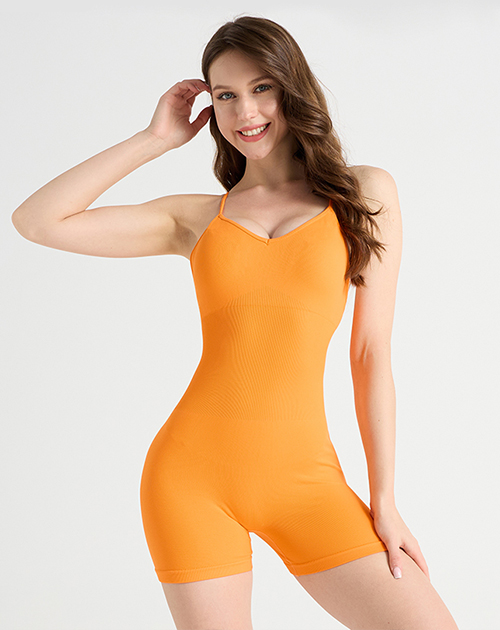
Fabric has a direct effect on how sports clothing feels during movement. As physical activity continues, sweat appears on the skin and moisture gradually builds up inside the garment. A suitable fabric needs to help manage that moisture while allowing enough air movement for the clothing to remain comfortable.
A Quick Dry Sports Shirt is designed around this basic need. The fabric does not simply need to become dry after washing. During exercise, moisture needs to move away from areas where it collects and spread across a larger surface so evaporation can take place more easily.
Fiber type plays a part in that process, although fiber alone does not determine the final result. Yarn arrangement, fabric thickness, surface texture, and the way the material is knitted or woven can all change how moisture behaves.
A sports shirt may also feel different depending on the surrounding conditions. Indoor exercise can create a warm and relatively stable environment, while outdoor activities may involve moving air, changing temperatures, or higher humidity. The same fabric can therefore feel different from one setting to another.
Several fabric characteristics are closely related to moisture management:
Drying speed is only one part of the picture. A fabric may spread moisture across its surface while also needing to remain flexible and breathable. For sportswear manufacturers, balancing these characteristics is often more practical than focusing on a single fabric property.
That balance starts with the way moisture moves through the material. Once the basic process is clear, different fabric technologies become easier to compare.
Sweat does not always remain in one place. When the fabric structure allows moisture to spread, a larger area becomes available for evaporation. The process can make a garment feel less damp during activity, particularly when combined with reasonable airflow.
The structure of the fibers influences how water interacts with the material. Some synthetic fibers have relatively low moisture absorption compared with natural fibers. Rather than holding large amounts of water inside the fiber itself, the fabric can allow moisture to move along the surface.
Surface texture also matters. A smooth, tightly packed material behaves differently from a more open structure. Small spaces between yarns can create pathways for air and moisture movement.
Another approach involves changing the surface characteristics of the fabric. A specially treated surface may encourage moisture to spread instead of remaining in small wet areas. Once moisture is distributed over a wider area, evaporation can take place across more of the garment.
The moisture path can be viewed in three simple stages:
Contact
Sweat reaches the inner side of the fabric.
Movement
Moisture travels through or along the fabric structure.
Evaporation
Air movement and surrounding conditions help moisture leave the outer surface.
Each stage depends on the others. A material that moves moisture well may still feel uncomfortable when airflow is restricted. Likewise, an open fabric may allow air to pass through while providing less control over moisture movement.
Fabric manufacturers therefore consider several factors when developing sports clothing materials. Fiber selection, yarn construction, knitting pattern, surface treatment, and finishing processes can all influence the final fabric behavior.
For a Quick Dry Sports Shirt, these choices affect more than drying after exercise. They influence how the garment responds while the body is actively producing heat and moisture.
Polyester is widely used in sports clothing because its physical characteristics can suit garments that need to manage moisture and remain relatively light. The fiber generally does not absorb water in the same way as many natural fibers, allowing moisture to remain more available for movement across the fabric surface.
That behavior can be useful during exercise. When sweat reaches the inner surface, the fabric can help move moisture across the material rather than holding large amounts inside the individual fibers.
The final fabric still depends heavily on construction. Polyester yarn can be knitted into different structures, and the resulting fabrics may have noticeably different textures and airflow. A lightweight open knit will not feel the same as a denser structure made from the same basic fiber.
Fabric finishing can add another layer of control. Surface treatments may change how water interacts with the material, encouraging moisture to spread across the surface. Such treatments are selected according to the intended use and the desired hand feel.
For manufacturers working with polyester sportswear, several points need to stay connected:
Polyester can also be combined with other fibers. Blending changes the feel and behavior of the finished fabric, which may be useful when a garment needs a balance between moisture management, softness, flexibility, or durability.
The choice of polyester structure should therefore follow the garment's intended activity. A shirt for active indoor exercise may have different fabric requirements from clothing intended for outdoor movement. The same fiber family can support different designs when the fabric construction changes.
From there, airflow becomes another important part of the drying process. Moisture movement and evaporation are closely connected, and the fabric structure determines how easily air can pass through the garment.
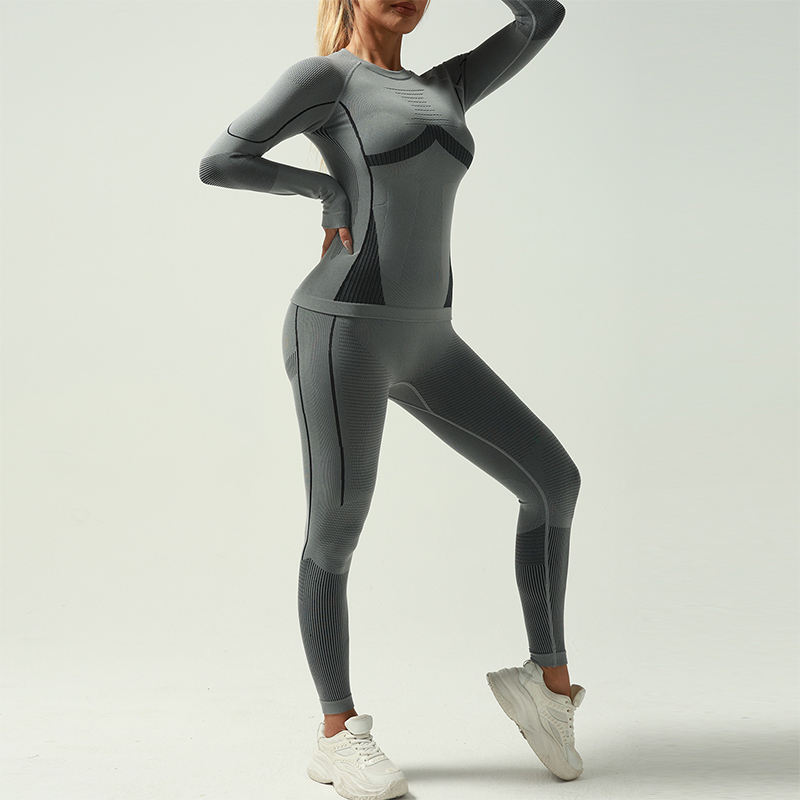
A fabric needs space for air to move. When the structure is too dense, moisture may remain against the skin or within the fabric for longer. A more open construction can allow air to pass through, helping moisture evaporate under suitable conditions.
Knitted fabrics are commonly used in sportswear because the loops in the structure can provide flexibility and varying degrees of openness. Changing the knitting pattern can create areas with different levels of airflow and stretch.
Mesh sections offer another approach. Open areas allow more direct air movement, making them useful in parts of a garment where heat and moisture tend to build up during exercise. Such sections may appear around the back, under the arms, or in other areas where ventilation is useful.
Fabric thickness also changes the experience. A thin material generally allows air and heat to move more readily than a dense, heavy structure. However, reducing thickness alone does not automatically create a suitable sports fabric. Comfort, durability, coverage, and stretch still need consideration.
| Fabric Feature | Effect on Moisture Related Wear Experience |
|---|---|
| Open knit | Allows moisture to spread and air to pass Lighter, more ventilated feel |
| Mesh area | Creates additional airflow Useful where heat can build up |
| Dense knit | Holds a more compact structure Can provide a different level of coverage |
| Smooth surface | Helps moisture move across the fabric May feel different against the skin |
| Stretch structure | Moves with the body Supports freedom of movement |
Airflow also depends on garment construction. Even breathable fabric can perform differently when it is tightly fitted against the body or covered by another layer. Seams, panels, and garment shape influence how much air reaches the fabric surface.
For that reason, fabric technology cannot be separated entirely from clothing design. Fiber selection provides one part of the solution, while the fabric structure determines how moisture and air move through the finished garment.
Moisture management is only one part of sportswear construction. During exercise, the garment also needs to follow repeated body movements without creating unnecessary restriction. A fabric that dries reasonably well may still feel unsuitable when it limits movement around the shoulders, waist, arms, or legs.
Stretch comes from the fiber itself, the way yarns are arranged, or the construction of the fabric. Some knitted structures can extend naturally because of their looped form. Other fabrics use elastic fibers to provide additional recovery after stretching.
The amount of stretch needed depends on the activity. A garment worn for steady movement may not require the same flexibility as clothing used for exercises involving frequent bending, reaching, or changes in body position.
Stretch can also affect airflow. When fabric stretches across the body, the spaces within the structure may change. A loose fabric can allow more air to circulate, while a tightly stretched surface may behave differently.
For sportswear manufacturers, several factors often need to be considered together:
A balance between flexibility and structure helps the clothing remain practical during repeated movement. Excessive looseness may change the way moisture moves across the surface, while a very close fit can reduce the amount of air between the fabric and skin.
The choice also depends on where stretch is needed. Some garments use more flexible fabric around areas with frequent movement and a different structure elsewhere. Panel construction can therefore become part of the fabric strategy rather than relying on one material throughout the garment.
That approach becomes particularly relevant when a complete sports outfit is being considered. Different parts of the body experience heat, movement, and moisture in different ways, so a matching set does not necessarily need identical fabric throughout.
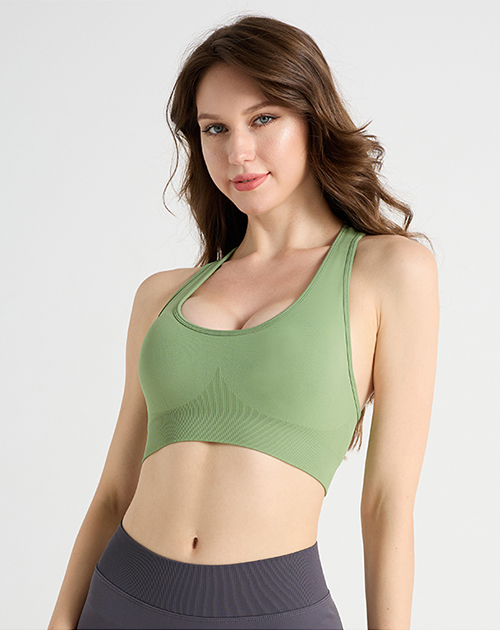
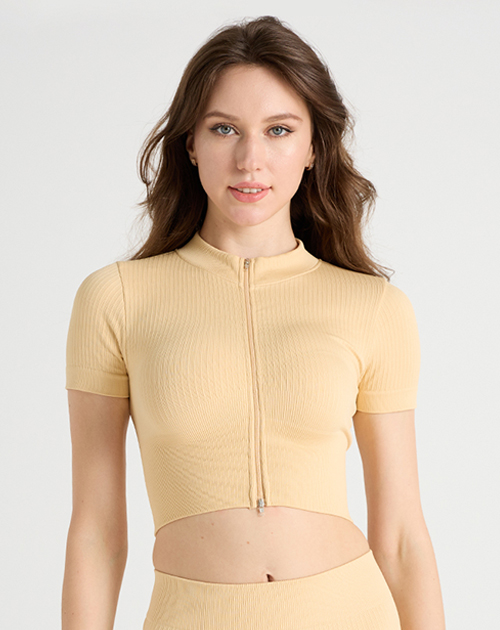
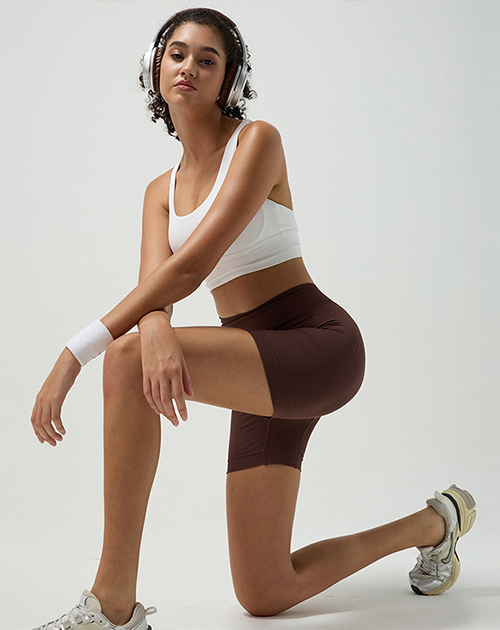
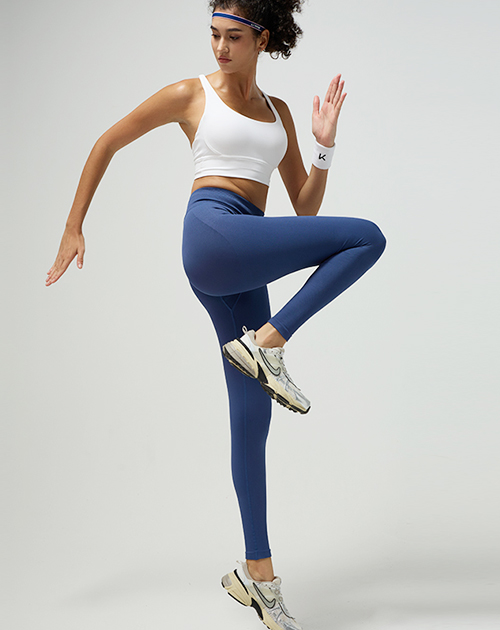
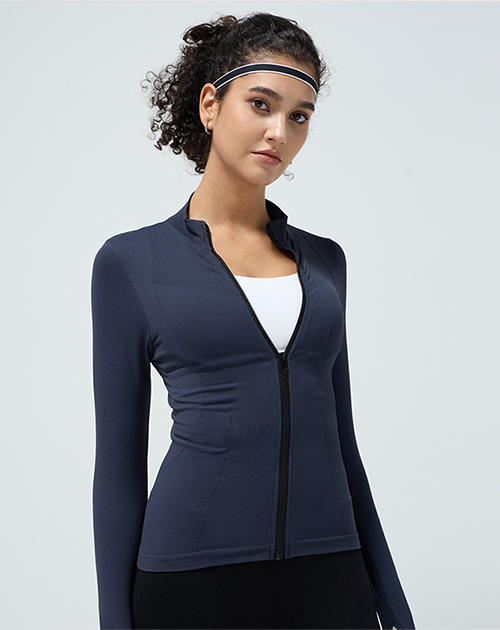
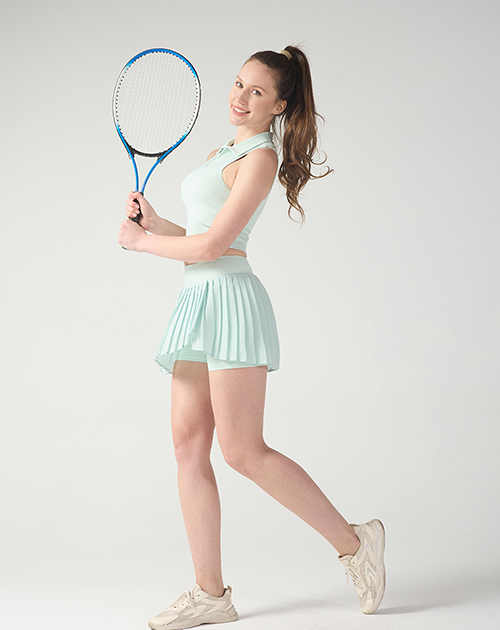
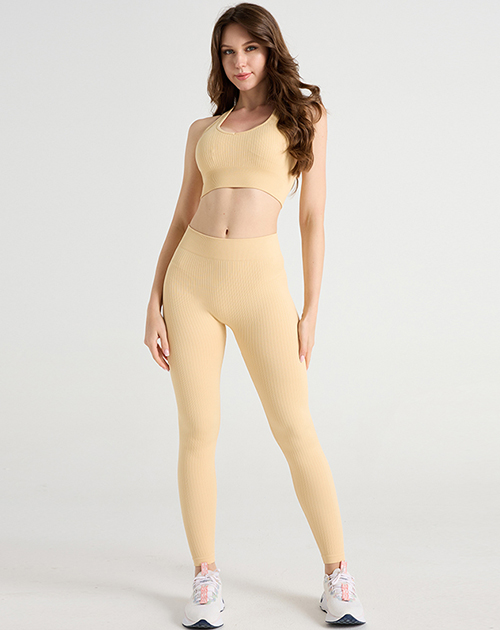
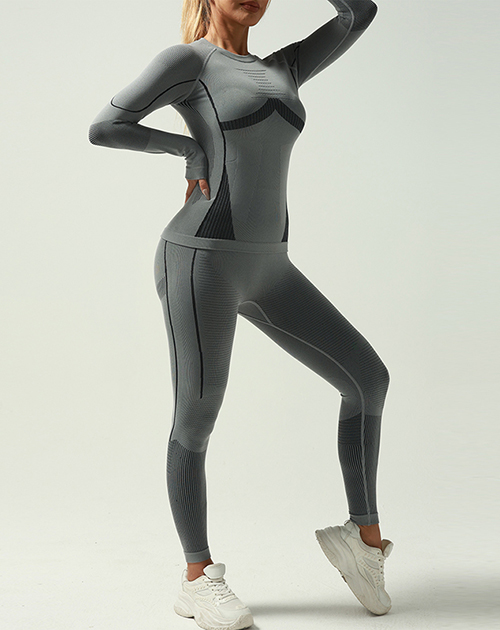
A Fitness Sports Suit usually combines several garment sections, and each section can have a slightly different job. The upper body may produce noticeable heat during active movement, while the lower section needs to allow repeated bending and leg movement.
Using the same material everywhere can simplify production, though a mixed construction may provide different physical characteristics in different areas. For example, a more open fabric can be placed where airflow matters, while a denser material can be used where additional coverage or structure is needed.
The relationship between the upper and lower garments also affects comfort. When both pieces move with the body, there is less need for constant adjustment during exercise. Waist areas, cuffs, shoulder sections, and side panels may require different degrees of flexibility.
Moisture distribution is another consideration. Sweat does not appear evenly across the body. Areas covered by close-fitting fabric can become warmer, while exposed or highly ventilated sections may dry at a different rate.
A practical fabric arrangement may involve:
Upper body
Breathable construction around areas where heat and moisture accumulate.
Movement zones
Flexible material around shoulders, hips, knees, or other frequently moving areas.
Contact areas
A surface that remains reasonably comfortable during repeated skin contact.
Outer sections
Fabric selected according to airflow, coverage, and the surrounding environment.
A Fitness Sports Suit therefore involves more than choosing a fabric with a quick-drying label. Construction, garment shape, panel placement, and activity type all influence how the material performs during use.
Washing and care also need consideration. Repeated laundering can affect surface treatments, elasticity, and fabric feel. A material intended for regular exercise should be considered in relation to its expected care routine rather than only its condition when new.
Once the relationship between fabric and garment construction is clear, comparing different quick-dry materials becomes a more practical task. Instead of focusing on one claimed feature, several everyday characteristics can be considered together.
Different fabrics can provide similar functions through different structures. One material may rely on fiber characteristics, while another may use an open knit or surface treatment to encourage moisture movement.
Touch and weight are easy to notice during a fabric comparison. A lightweight material may feel less restrictive during exercise, while a denser fabric can provide a different level of coverage. Neither characteristic should be considered separately from the intended activity.
Drying behavior also needs context. A fabric may spread moisture effectively across its surface, though surrounding humidity and airflow still influence how quickly that moisture leaves the garment.
Durability is another practical concern. Sports clothing is washed frequently and exposed to repeated stretching. A suitable fabric needs to retain its intended structure through normal care and use.
The following areas can help organize a fabric comparison:
A Quick Dry Sports Shirt intended for indoor exercise may have different requirements from one used during outdoor training. Indoor clothing may place greater attention on airflow and lightweight comfort, while outdoor use can involve additional concerns related to temperature and layering.
The construction of the garment should remain part of the comparison. Two fabrics with similar fiber content can feel quite different when knitted into different structures. Fabric density, yarn arrangement, surface finish, and panel design all influence the final result.
Cost considerations can also enter production planning, although material price alone does not describe whether a fabric fits the intended application. Processing requirements, sewing behavior, care instructions, and expected garment use may affect the practical choice.
A more complete comparison looks at how the fabric behaves as part of a finished garment rather than as a loose material sample.
Different forms of exercise create different demands on clothing. Running involves repeated leg and arm movement, while gym training can include bending, lifting, stretching, and changes in posture. Outdoor activities add another variable because weather and airflow can change during use.
A Quick Dry Sports Shirt used for running may need a fabric that moves moisture away from areas where sweat accumulates while allowing air to circulate during continuous movement. A shirt for strength training may place greater attention on flexibility around the shoulders, chest, and back.
Indoor fitness creates another situation. The surrounding environment may remain relatively stable, so breathable construction and comfortable skin contact can become important considerations.
Outdoor exercise can require a broader view. A garment may be worn alone during warm conditions or combined with other layers in cooler weather. Fabric thickness, airflow, flexibility, and moisture behavior then need to work within the complete clothing arrangement.
For a Fitness Sports Suit, matching the material to the activity can involve several questions:
No single fabric structure needs to serve every activity in the same way. Sportswear development instead involves matching material characteristics with the conditions under which the clothing will actually be used.
That approach also helps manufacturers decide where different fabric constructions may be useful within the same garment. A breathable panel, flexible section, or denser area can each have a practical purpose when placed according to movement and moisture patterns.
Fabric technology continues to develop through changes in fibers, yarn construction, surface treatments, and garment design. For sportswear production, the useful question is not simply whether a fabric is described as quick drying. The more relevant consideration is how its structure handles moisture, airflow, movement, care, and the conditions surrounding the activity.
Copyright © Jinhua Yongxing Knitting Co., Ltd.
 Seamless Yoga Sets


 English
 русский
 Español