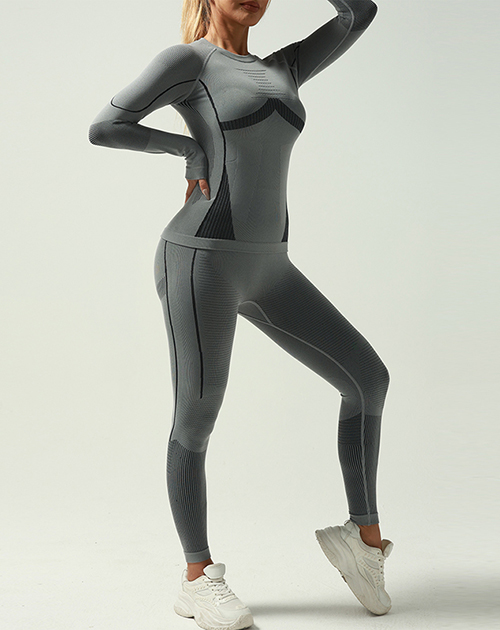
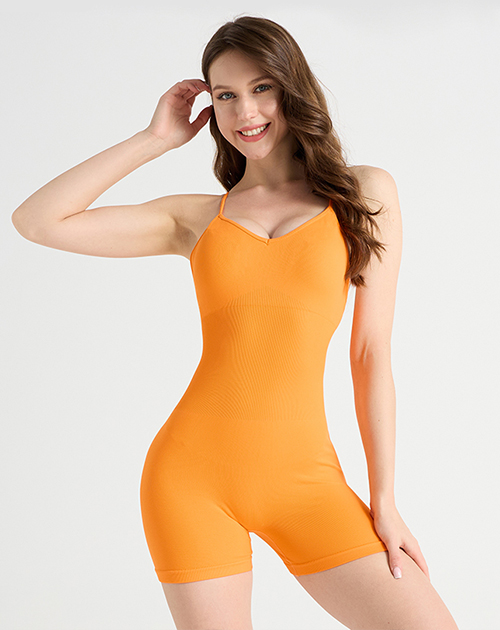
Tennis clothing has gradually moved beyond the simple idea of making a garment suitable for playing on a court. Movement, comfort, appearance, and everyday practicality can all influence how a piece of sportswear is designed. A skirt used for tennis needs enough freedom around the legs for running and turning, while the overall shape still needs to look neat when standing, walking, or resting between activities.
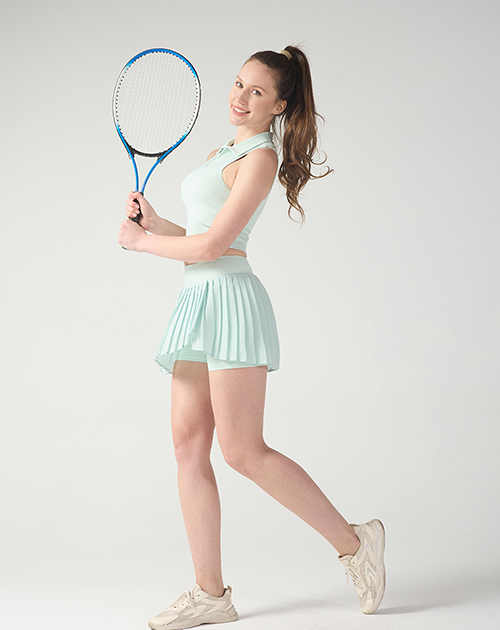
An Activewear Tennis Skirt brings these considerations together through fabric selection, waist construction, skirt shape, inner layers, and small functional details. Each part affects how the garment feels during movement, while the relationship between those parts determines whether the clothing remains comfortable throughout use. Style therefore does not need to sit apart from practical design. A clean outline, suitable fabric, and carefully arranged inner structure can support both purposes within the same garment.
Tennis involves repeated changes in body position. A player may move forward, step sideways, turn quickly, reach for a ball, or stop suddenly, and each movement changes how clothing sits around the waist and legs. A skirt designed only around its appearance may feel restrictive during active movement, while a design focused only on movement may lose the clean shape expected from sportswear.
Skirt length has an obvious influence on movement. A shorter hem can leave more room around the legs, while a longer shape may provide additional coverage. Neither approach works in exactly the same way for every wearer, so the structure needs to create enough space without allowing the garment to shift unnecessarily during activity.
The waist also connects appearance with function. A smooth waistband can create a tidy outline around the upper body, while the construction underneath needs to remain comfortable during repeated movement. Excessive pressure around the waist can become distracting during exercise, whereas insufficient support may allow the garment to move out of position.
Style can also come from relatively simple choices:
Such details show why appearance and practical use are closely connected. When the shape, fabric, and internal construction are considered together, functional elements can remain part of the design rather than appearing as additions made after the visual concept has been decided.
Fabric has a direct relationship with how a garment moves against the body. During tennis, clothing needs to follow repeated leg and hip movement without creating unnecessary resistance. A material that feels comfortable while standing may behave differently during running, bending, or stretching, so fabric selection needs to consider the way the garment will actually be used.
Softness can influence the initial wearing experience, while breathability becomes relevant during physical activity. A fabric that allows air to move through the garment can help reduce the heavy or enclosed feeling that may develop during continuous exercise. Surface texture also matters because areas around the waist, inner thighs, and seams can experience repeated contact with the skin.
Flexibility is another consideration. A skirt needs to change shape naturally as the body moves, especially around the hips and upper legs. Excessive stiffness can make the garment feel less natural, while a fabric with suitable flexibility can follow movement more easily.
Fabric appearance also contributes to style. Smooth surfaces can create a simple visual effect, while textured materials may give the garment a different character. The choice should still match the intended use because appearance alone does not determine whether a material works comfortably during active movement.
| Design Element | Practical Role | Effect on Overall Style |
| Fabric flexibility | Allows natural body movement | Helps maintain a relaxed skirt shape |
| Fabric surface | Influences skin contact and visual texture | Changes the overall appearance |
| Waist material | Supports comfortable fitting | Shapes the upper outline |
| Inner layer | Adds coverage during movement | Keeps the outer skirt visually clean |
| Seam placement | Connects different garment sections | Can create structure without heavy decoration |
Care also matters when choosing fabric. Sports clothing is often washed after use, so the material needs to suit ordinary cleaning and drying routines. A fabric that looks attractive when new may not provide the same wearing experience after repeated care, making durability and maintenance part of practical design decisions.
Once the fabric has been selected, garment structure determines how that material behaves during movement. A skirt may have enough flexibility on its own, yet still feel restrictive when the pattern does not provide sufficient room around the legs. Good structure therefore begins with understanding how the lower body moves rather than simply creating a visually appealing outline.
The skirt hem needs enough freedom for stepping and turning. When the wearer moves sideways, the fabric shifts across the legs rather than staying in one fixed position. A suitable shape allows that movement to happen without excessive pulling around the hips or unnecessary exposure during active motion.
An inner layer can provide another form of support. Shorts beneath the outer skirt can offer additional coverage and allow the wearer to move with less concern about the outer layer shifting. Such a structure can also influence the way the skirt hangs, so the inner and outer parts need to work together rather than being treated as separate garments.
Seam placement has a similar effect. Seams located near areas with frequent movement can become noticeable when the garment bends or stretches. Keeping structural connections in suitable positions can help reduce rubbing and maintain a smoother feel.
The waist, inner layer, and outer skirt also need to move as a group. When one part is too loose or too restrictive compared with the others, the balance of the garment can change during activity. A well-considered structure therefore does not rely on a single feature; comfort comes from how several small choices interact.
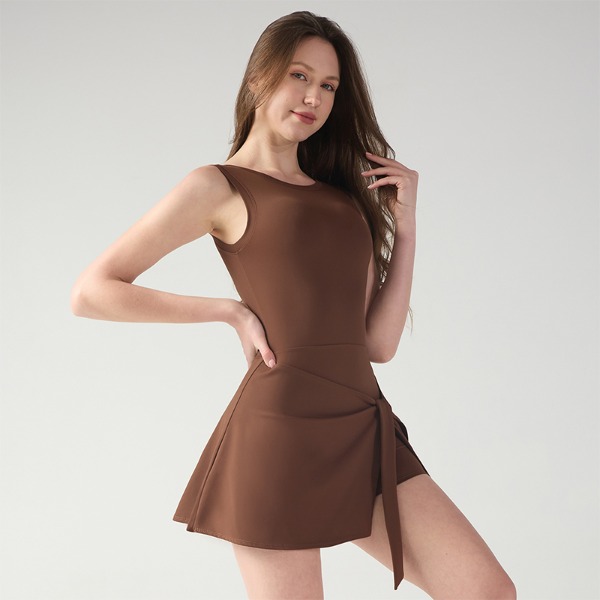
Sportswear is often worn outside the court as well, which creates a need for designs that do not look limited to one activity. A tennis skirt can retain practical features while using a simple visual language that works with casual tops, lightweight jackets, or other everyday clothing.
Color is one part of that balance. Plain shades can create a straightforward appearance, while carefully placed contrast can add visual interest without making the garment feel overly decorative. The same principle applies to lines and panels. A seam can define the shape of a garment while also helping connect separate fabric sections.
The skirt silhouette has a particularly visible role. A shape that follows the body too closely may restrict movement, while an overly loose outline can change the intended appearance during activity. A moderate amount of space around the lower body can provide freedom while keeping the garment visually organized.
Decorative details should also have a reason to exist. Small design elements can add character, although each additional component may affect weight, comfort, production, or maintenance. Keeping the relationship between decoration and function clear helps prevent the garment from becoming unnecessarily complicated.
Style can therefore emerge from practical construction rather than being added separately. A shaped waistband, a balanced hem, an integrated inner layer, and carefully placed seams can all contribute to appearance while serving a useful purpose during movement. That connection becomes even more important around the waist and inner layers, where comfort and garment stability meet directly.
A skirt can look comfortable while standing and feel quite different once movement begins. The waistband is one reason. During running, bending, or turning, it needs to stay in place without pressing too tightly against the body. Its width, flexibility, and fabric choice all affect that balance.
An inner layer adds another practical element. Shorts beneath the outer skirt can provide coverage when the fabric moves, especially during wider steps or quick changes in direction. The two layers need to work together rather than pulling against each other. Too much fabric can feel restrictive, while too little room around the legs may limit natural movement.
Comfort also depends on body shape. Waist, hip, and leg proportions vary, so a useful pattern needs enough flexibility to accommodate normal movement without losing its intended shape.
Pockets are useful only when their position works with the way the garment is worn. A poorly placed pocket can change how the skirt hangs or become noticeable during movement.
For tennis clothing, pocket placement needs to consider running, bending, and turning. The opening should remain reasonably secure, while the pocket itself should not create a bulky area around the hip.
Material choice matters here as well. A flexible fabric may need a different pocket construction from a firmer material. Stitching around the opening needs to hold its shape without making that area unnecessarily stiff.
A simple pocket can therefore serve a practical purpose while remaining part of the overall visual design. Its size, position, and shape should follow the needs of the garment rather than being added as an isolated feature.
Good clothing design still needs to survive the transition from pattern to finished garment. Cutting, stitching, waistband construction, and the connection between inner and outer layers can all change how the skirt feels during use.
A Sports Shorts Factory producing active clothing needs to consider fabric behavior during cutting and sewing. Different materials may respond differently when joined together, especially around areas that move frequently.
Construction quality also affects appearance. An uneven waistband or poorly positioned seam can change the way the garment sits, even when the original design is well planned. Useful production checks can therefore include:
Such details may seem small, yet they influence the finished clothing directly. Practical design only works when production keeps the intended relationship between each part.
Sizing affects more than comfort. A tight waist can restrict movement, while excessive looseness may allow the garment to shift during activity. Changing the skirt length alone cannot solve either problem.
Waist, hip, and leg space need to work together. Inner shorts also require enough room for normal movement without becoming loose enough to interfere with the outer skirt.
Fabric flexibility changes how a garment feels as well. Similar measurements can produce different results when materials respond differently to stretching and movement. Pattern development therefore needs to consider both garment shape and fabric behavior.
An Activewear Tennis Skirt can combine practical construction with a clean appearance when useful features are considered from the beginning. Fabric, waistband, inner layer, pockets, seams, and skirt shape all influence how the finished garment looks and feels.
Production remains part of that process. A Sports Shorts Factory needs to turn the intended shape into consistent cutting, stitching, fitting, and finishing without losing the movement space built into the design.
Style does not need to compete with practical use. A simple silhouette, comfortable fabric, suitable inner coverage, and carefully placed details can allow sports clothing to remain useful on the court while fitting naturally into casual settings as well.
Copyright © Jinhua Yongxing Knitting Co., Ltd.
 Seamless Yoga Sets


 English
 русский
 Español