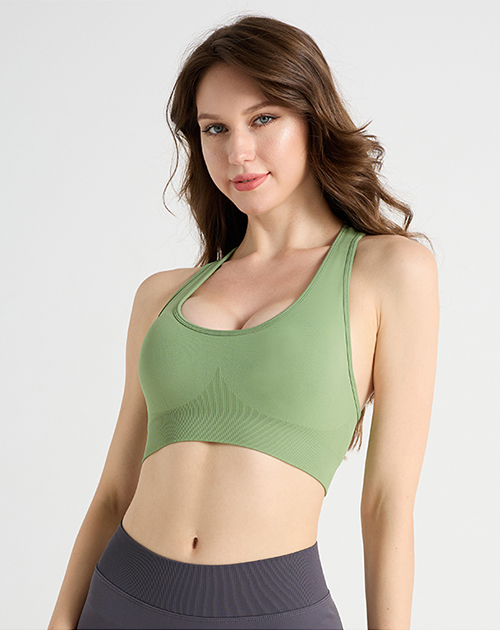
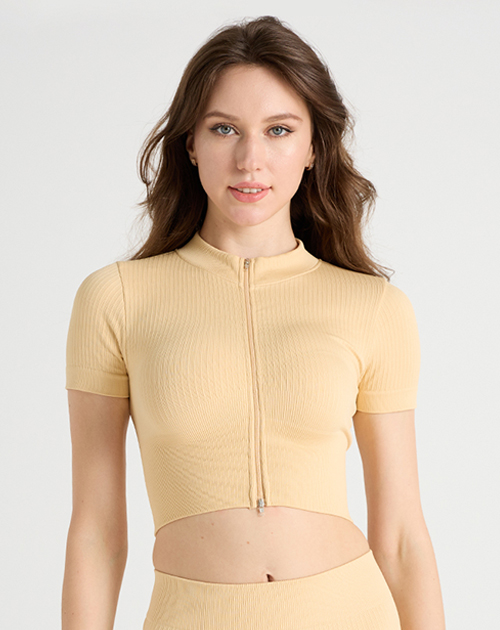
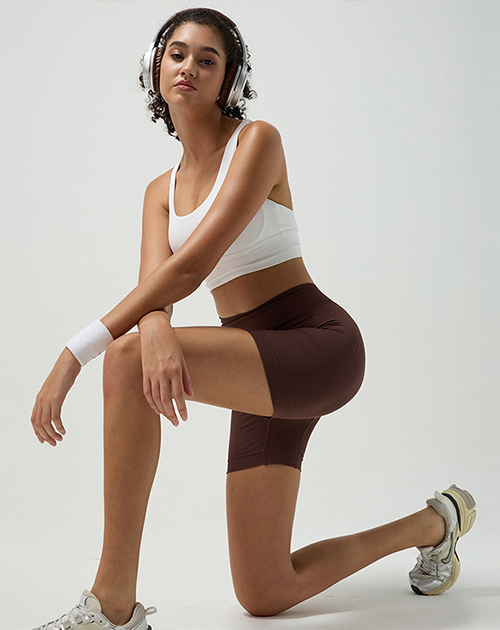
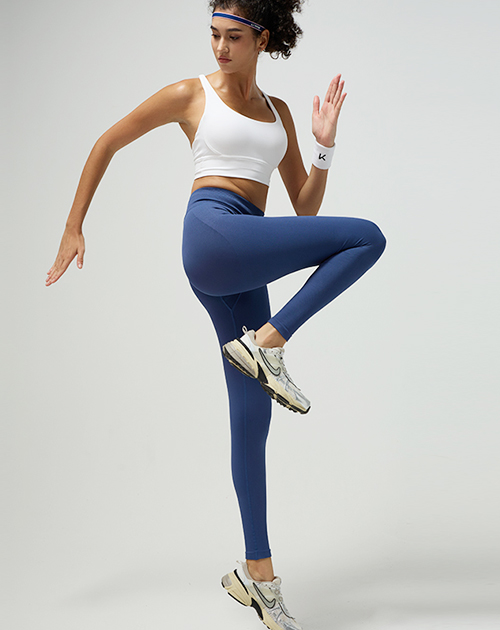
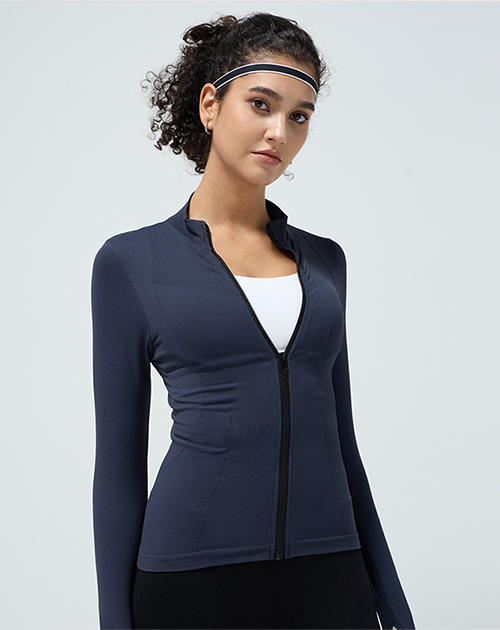
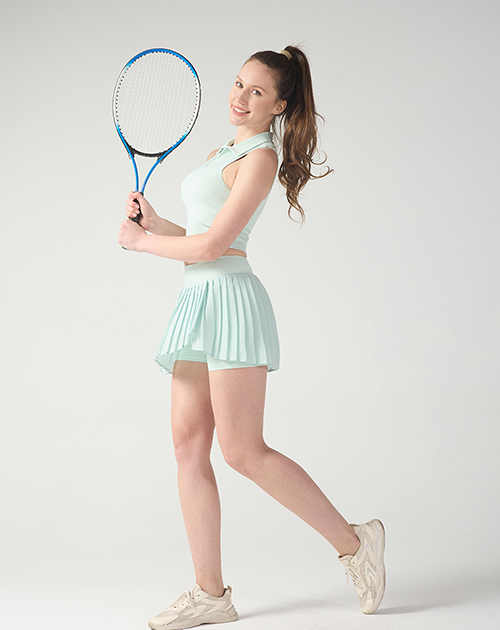
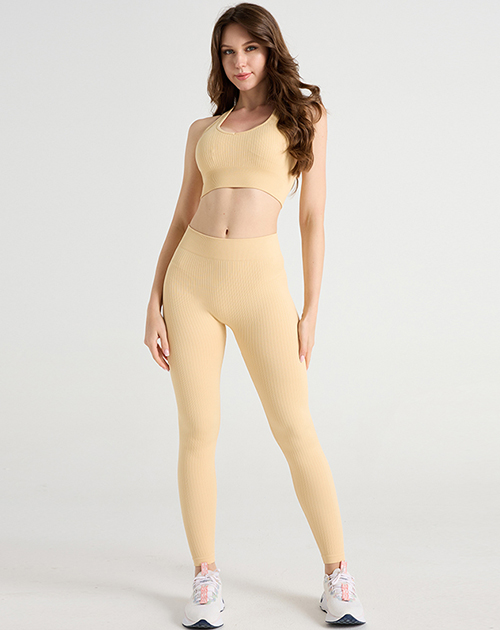
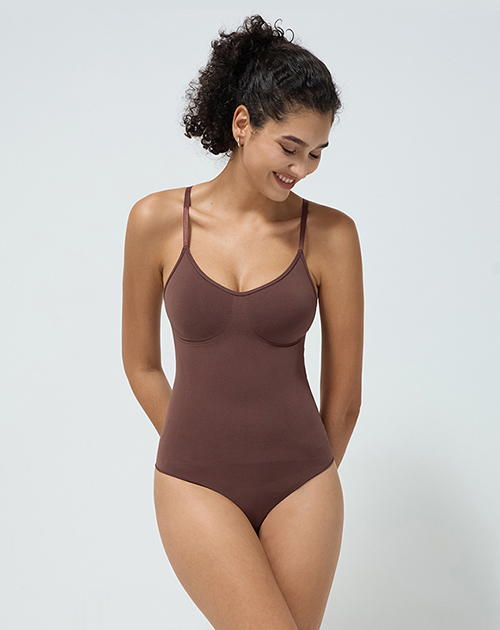
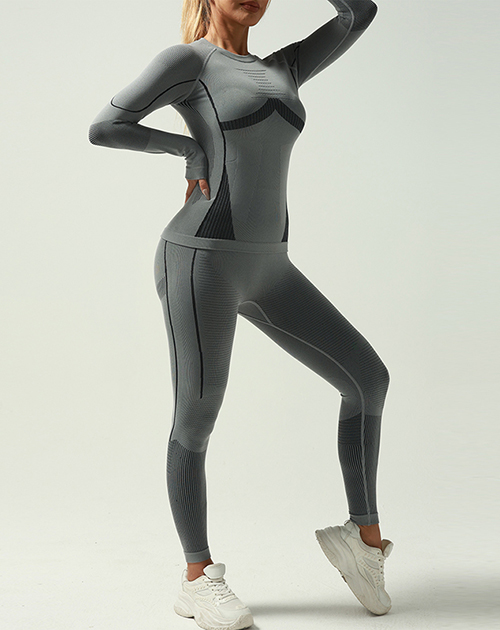
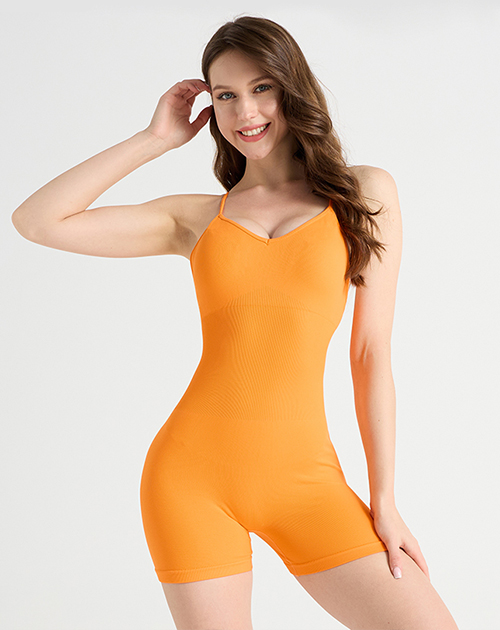
A workout suit does not need to feel tight simply because it is made for exercise. Clothing that stays close to the body can be useful during movement, yet close contact alone does not tell whether a garment fits properly. A waistband may feel comfortable while standing and become restrictive during a squat. A pair of leggings may feel loose at rest and shift around the knees after repeated bending.
Movement provides a better reference than appearance. When arms, legs, hips, and the waist move freely, clothing has enough room to follow the body. When fabric pulls sharply, rolls down, or needs constant adjustment, the fit may not match the activity.
For a Fitness Sports Suit, a balanced fit usually means secure contact without unnecessary pressure. Workout clothing should move with the body rather than make the body adapt to the clothing.
Exercise changes the shape and position of the body from one movement to another. During a squat, for example, the hips and thighs move into a deeper position while the waistband changes position around the waist. During an overhead stretch, fabric around the shoulders and upper back needs additional room. A garment that feels fine in a standing position may behave quite differently once movement starts.
Fit also affects friction. Clothing that moves back and forth against the skin can become uncomfortable during repeated exercises. A garment that is too tight can create pressure around areas such as the waist, thighs, or shoulders. Neither problem is necessarily obvious during a short fitting session.
A simple movement check can reveal more than looking in a mirror:
A suitable Fitness Sports Suit should remain reasonably stable during such movements. Small changes in fabric position are normal, especially with flexible materials. Constant pulling, rolling, slipping, or pressure deserves more attention.
Comfort also changes during longer exercise sessions. Sweat can make fabric feel different, while repeated movement can reveal pressure that was barely noticeable during fitting. A useful size decision therefore needs to consider movement over time rather than relying only on the first impression.
No workout places the same demands on clothing. Stretching requires room around joints and muscles, while faster exercises place greater emphasis on keeping fabric in position. Strength exercises bring another concern because bending and repeated changes in body position can put considerable tension on waistbands and leg openings.
For slower stretching activities, a garment that allows easy movement around the hips, shoulders, and legs may feel more practical. Tight fabric can become distracting when a movement requires a wide range of motion.
Strength training needs a balance between flexibility and stability. Clothing that is too loose may move during squats or lunges, while clothing with insufficient stretch can pull across the hips and thighs.
Fast‑paced exercise creates a different concern. Loose fabric can swing or shift as the body changes direction. A closer fit may reduce unnecessary movement, provided enough flexibility remains for natural motion.
| Workout Type | Movement Character | Fit Consideration |
|---|---|---|
| Stretching | Wide and slow body movement | Allow room around joints |
| Squats and lunges | Repeated bending of hips and knees | Check waist and thigh flexibility |
| Strength exercises | Controlled movement with changing positions | Keep clothing stable without restriction |
| Fast‑paced exercise | Frequent movement and direction changes | Reduce unnecessary fabric movement |
| Light fitness activity | Moderate and varied movement | Prioritize general comfort |
Workout clothing can therefore be chosen according to movement rather than a simple preference for tight or loose garments. A suit that works well for stretching may not feel equally comfortable during repeated running or jumping.
Tight clothing and well‑fitting clothing are not the same thing. A close‑fitting garment can remain comfortable when its fabric stretches with movement. Problems arise when the garment reaches its limit too quickly.
Deep bending often reveals excessive tightness around the waist and hips. During a squat, fabric may pull downward from the waist or create strong tension across the thighs. An upper garment may restrict shoulder movement when both arms are raised.
Pressure can also become noticeable at seams, waistbands, leg openings, or other edges. A garment that leaves clear pressure marks after a short period of wear may deserve a closer size check, especially when similar pressure appears during ordinary movement.
Another useful sign is fabric behavior. When stretched fabric becomes extremely taut and loses its ability to follow the body's movement, the garment may be working beyond its comfortable range.
A quick fit check can focus on several areas:
Choosing a smaller size solely to create a closer appearance can therefore be misleading. Body shape, fabric stretch, garment cut, and exercise type all affect how tight a suit feels during actual use.
Loose clothing is not automatically unsuitable for exercise. Extra room can be useful during relaxed activities, especially when freedom of movement matters more than close body contact. Trouble starts when fabric moves so much that it interferes with ordinary exercise.
A loose waistband may slide during squats. A wide leg opening can shift when the knees bend repeatedly. Extra fabric around the upper body may rise during stretching or become caught against equipment.
Frequent movement of clothing can also increase friction. During walking or repeated leg movement, fabric that repeatedly slides across the skin may become uncomfortable. Sweat can make such movement more noticeable.
A practical check involves repeating a few ordinary exercises rather than simply walking around a fitting room. Several squats, arm raises, or stretches can show whether clothing stays in place.
Useful signs include:
A relaxed fit can work well for certain workouts, especially where slower movements and comfort are priorities. A looser garment becomes less practical when constant adjustment is needed.
The useful question is therefore not whether workout clothing should be tight or loose in general. A better question is whether the garment remains comfortable, stable, and flexible throughout the movements involved.
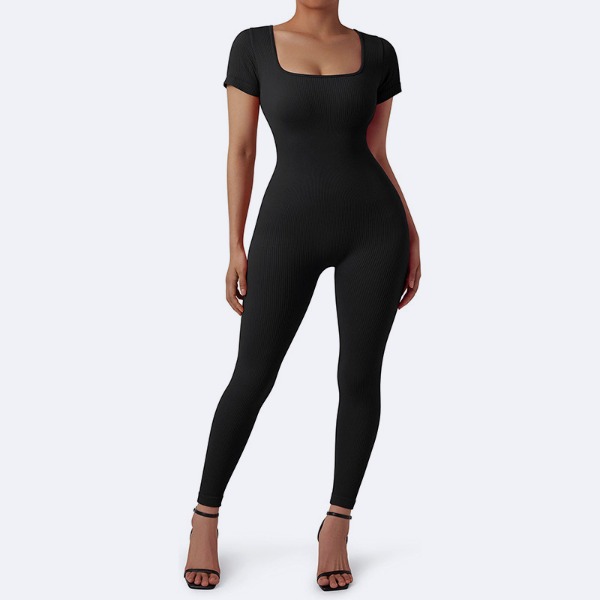
A Fitness Body Shaper needs a slightly different approach because shaping garments usually sit closer to the body. Close contact may provide a feeling of support around the waist, abdomen, hips, or thighs, yet greater pressure does not automatically mean a better fit.
Movement is particularly important when checking shaping clothing. A garment may feel secure while standing and become restrictive once the body bends. Sitting, squatting, walking, and twisting can reveal pressure that is difficult to notice in a stationary position.
Waist comfort deserves careful attention. During bending, the abdomen changes position, and a waistband that already feels tight at rest may become noticeably restrictive. Similar problems can occur around the thighs when the legs move repeatedly.
Fabric should also recover its shape after stretching. When a garment remains heavily stretched during ordinary exercise, pressure can continue throughout the workout rather than changing naturally with body movement.
A Fitness Body Shaper can be checked through several simple movements:
Support should feel steady rather than painful or distracting. A shaping garment that requires constant adjustment may not have the right size or cut for the intended activity.
Exercise clothing also needs enough freedom for normal breathing and body movement. Choosing a smaller garment solely for stronger shaping can create unnecessary pressure without improving practical comfort.
For workout use, a useful fit is one that follows changes in posture instead of resisting them. Body contact matters, yet flexibility remains equally important. The right balance depends on the exercise, the fabric, and the areas that require support.
Fabric stretch changes how a Fitness Sports Suit feels once movement begins. A garment may seem snug while standing still, then feel quite different during a squat, forward bend, or wide leg movement. For that reason, fabric cannot be judged only by how it feels when the body is in a relaxed position.
A stretchable fabric should follow ordinary body movement without creating a pulling sensation around the waist, hips, shoulders, or thighs. During a squat, for example, the material around the hips needs to move with the body rather than press sharply against one area. During an arm raise, fabric around the shoulders and upper back needs enough flexibility to move without riding upward.
Fabric recovery also affects fit. Material that stretches during exercise and returns to its original shape can help clothing remain stable during repeated movements. Material with poor recovery may gradually feel looser after repeated bending or extended wear. Washing and drying methods can also change how fabric behaves over time, so the original fitting may not remain exactly the same.
A useful fitting check involves several movements rather than a single stretch. Squats, walking, bending, twisting, and arm raises can reveal whether the fabric is working with the body or creating unnecessary resistance.
Size selection is not simply a matter of checking the waist measurement. Two garments with a similar waist size can feel quite different around the hips, thighs, chest, or shoulders because clothing patterns and body proportions vary.
A suitable Fitness Sports Suit should remain in place while still allowing ordinary movement. During a squat, the waistband should stay reasonably stable without digging into the waist. Around the thighs, fabric should move with the legs rather than forming a tight band. For an upper garment, raising both arms can show whether the shoulder and back areas have enough room.
Standing in front of a mirror can provide useful information about general fit, although movement gives a clearer picture. A garment that looks smooth while standing may become restrictive once the body bends or twists.
Another useful check is sitting down. Waistbands sometimes feel comfortable while standing and become noticeably tighter when the hips bend. Sitting, walking, and changing posture can therefore reveal pressure that is easy to miss during a static fitting.
The suitable size is generally the one that maintains contact where support is needed while leaving enough room for natural movement. Choosing a smaller size simply to create a closer appearance can change that balance.
Body shape affects clothing fit because garments are made around general proportions rather than one identical body structure. A person with a narrower waist and wider hips may experience a different fit from someone with a straighter body shape, even when both wear the same labeled size.
For a Fitness Body Shaper, the difference can be more noticeable because the garment usually stays closer to the waist, abdomen, hips, or thighs. A good fit needs to follow those areas without creating concentrated pressure.
Waistbands provide a simple example. A waistband that fits comfortably around the waist may still feel too tight when the hips are wider. In another case, a waistband may fit the hips while leaving excess space around the waist. Neither situation necessarily means the clothing is unsuitable, yet the difference should be considered when judging stability.
Leg length can also change the way workout clothing sits. A longer or shorter leg section may alter where fabric gathers around the knees or ankles. Shoulder width has a similar effect on tops, particularly during arm movements.
Body shape therefore makes overall balance more useful than relying on one measurement. Waist, hip, thigh, shoulder, and leg areas all contribute to how clothing behaves during exercise.
Workout clothing does not remain in exactly the same position throughout an exercise session. Body posture changes, fabric stretches, moisture builds up, and repeated movement can gradually alter how a garment feels.
During walking, the waistband may remain almost unchanged. Repeated squats can place more movement around the hips and thighs. Floor exercises create another situation because fabric may press against the body from different directions. Fast movements can also reveal whether loose sections tend to move away from the body.
Sweat can affect the feeling of fabric as well. Damp material may feel heavier or stick more closely to the skin. A garment that already feels slightly loose can start shifting more noticeably, while clothing with excessive pressure may become less comfortable during extended activity.
A practical fitting test should therefore include the movements expected during actual exercise. Five minutes of ordinary movement can reveal problems that are difficult to notice during a quick fitting. Attention can be given to waistband movement, fabric bunching, pressure points, and areas that require repeated adjustment.
Stable clothing does not need to feel rigid. A useful balance allows fabric to move while keeping important areas reasonably in place.
The right fit depends on several factors working together rather than one simple rule about tight or loose clothing. Workout type sets the basic requirement, while body shape, fabric stretch, support level, and garment construction affect the final feel.
For stretching activities, freedom around the hips, shoulders, and knees matters greatly. Strength exercises require clothing that stays in position through repeated changes in posture. Faster activities place greater importance on reducing unnecessary fabric movement.
A few practical points can help with the decision:
Fitness Body Shaper clothing requires the same attention to movement, with additional care around areas designed to stay close to the body. A close fit should provide steady contact rather than constant pressure.
A Fitness Sports Suit does not need to be very tight to remain stable, while loose clothing does not automatically create better freedom. A workable fit keeps the garment in position, allows normal movement, and remains comfortable as exercise continues. The balance can vary according to the activity, body shape, fabric behavior, and length of wear.
Copyright © Jinhua Yongxing Knitting Co., Ltd.
 Seamless Yoga Sets


 English
 русский
 Español