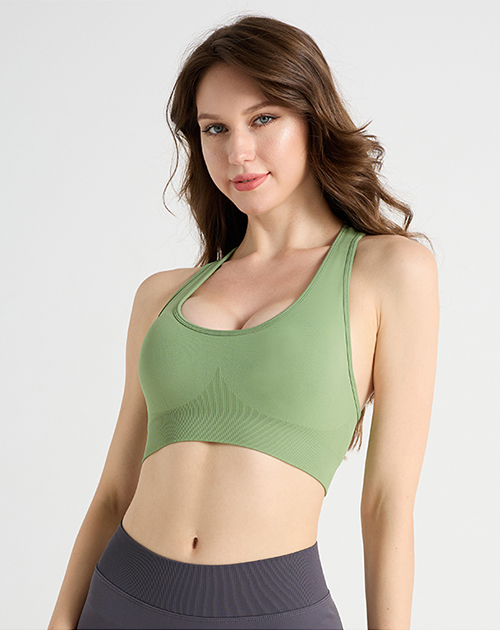
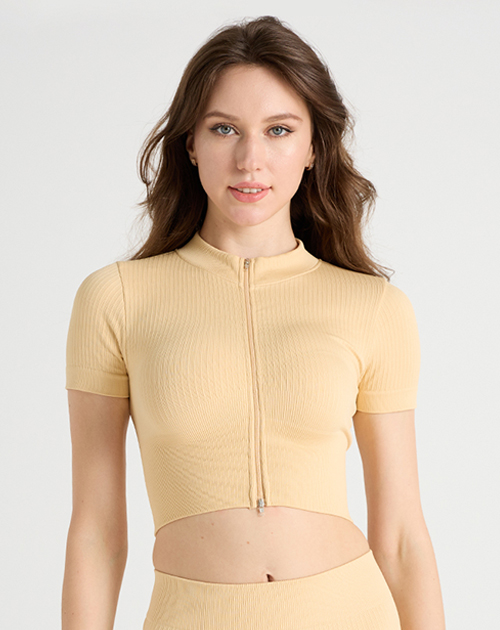
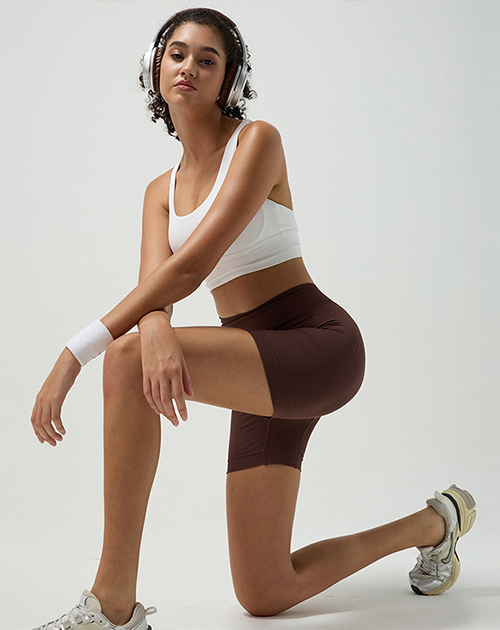
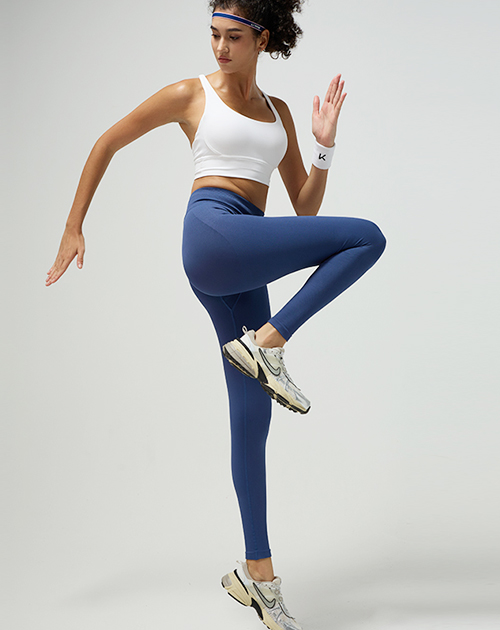
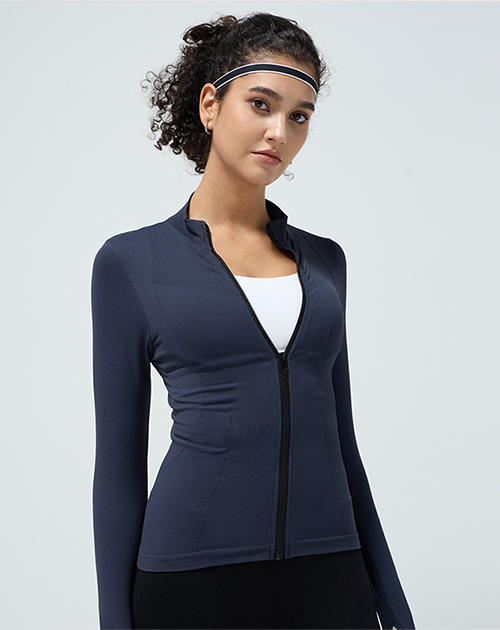
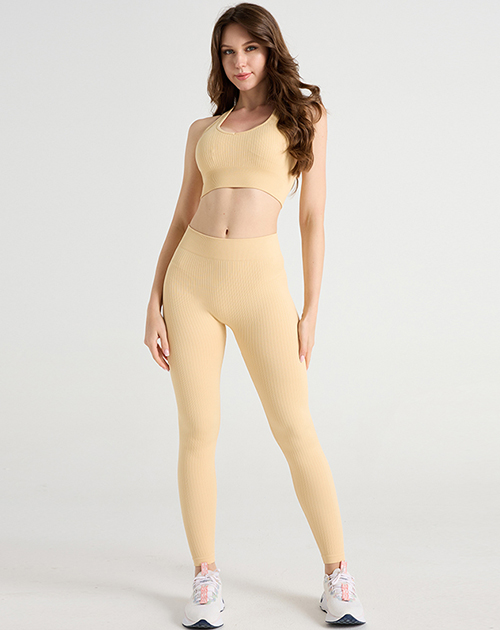
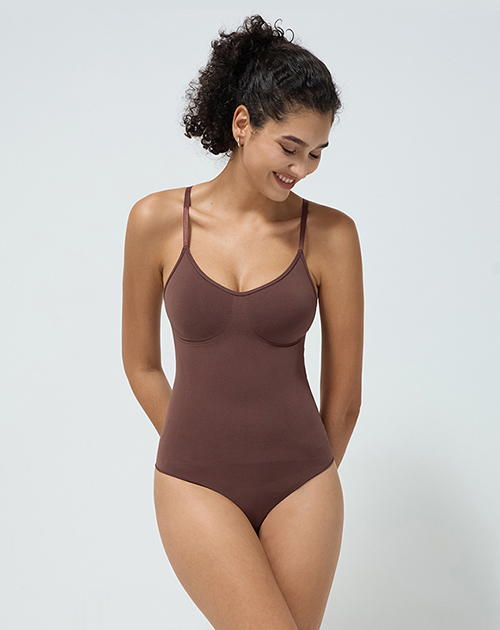
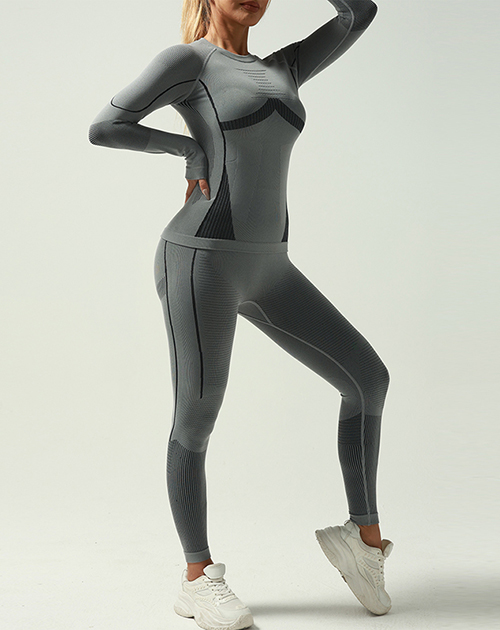
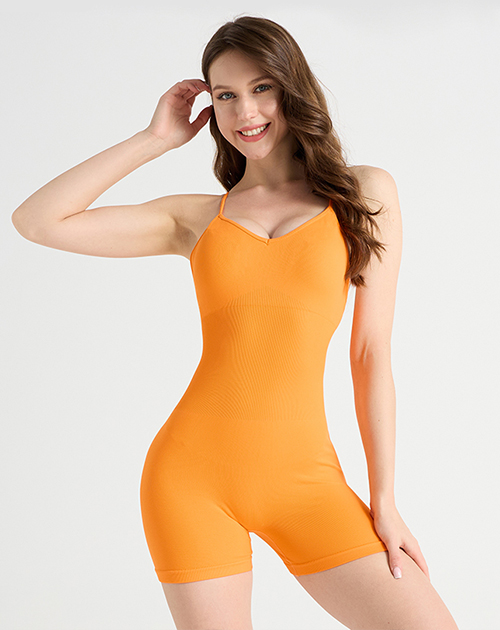
A Sweat Body Shaper is worn close to the skin during movement, so its inner surface often comes into direct contact with sweat, skin oil, and small amounts of dirt. Exercise can also create heat and moisture around areas covered by fabric. Once a workout ends, part of that moisture may remain inside the garment even when the outer surface looks clean.
Regular washing helps remove material left behind during wear. Sweat itself is not simply water. It contains substances released from the body, while skin oil and other residues can also transfer onto clothing. Leaving a worn garment in a bag or closed space gives moisture and residue more time to remain in the fabric.
Cleaning frequency should relate to actual use rather than appearance alone. Someone wearing a shaping garment during a short period of light activity may produce little moisture, while a longer workout can leave the inner fabric noticeably damp. Different conditions create different care needs.
A close‑fitting garment also moves with the body. Areas around the waist, back, underarms, and other contact points can experience repeated rubbing during exercise. Washing removes accumulated residue and gives the fabric a fresh starting condition for its next use.
For daily care, several simple habits can make a difference:
Regular care does not need to be complicated. What matters is avoiding long periods of moisture and residue staying against the fabric.
Sweat left on clothing gradually dries as moisture moves away from the skin. Drying, however, does not mean every residue has disappeared. Some substances can remain on the fibers after the water has evaporated, especially around areas that received more moisture during exercise.
Odor can become noticeable when worn clothing is stored without cleaning. A closed sports bag provides little airflow, so moisture may remain for some time. Even when a garment feels dry later, odor can still develop from material left on the fabric.
Repeated use without proper washing can also affect how clothing feels against the skin. Residue may make a surface feel less fresh, while repeated rubbing during exercise can make the issue more noticeable. A close‑fitting garment has relatively frequent contact with the body, so fabric condition matters during regular wear.
Moisture can also affect storage. Folding or packing a garment while it is still damp keeps moisture trapped between layers. A small amount of dampness around seams or thicker areas may take longer to disappear than moisture on an open fabric surface.
A simple example can be seen after exercise. A garment may be removed and left on a chair for a while, appearing dry later in the day. Someone may assume no washing is necessary because no visible mark remains. Yet sweat residue can still be present, particularly around areas that had prolonged contact with the body.
For that reason, visual cleanliness is not always enough to judge whether a garment should be washed. The amount of sweat, length of wear, contact with the skin, and storage conditions provide a more useful basis for making a decision.
Washing a Sweat Body Shaper after every use is generally a sensible choice when the garment has been worn during noticeable sweating. Regular exercise leaves moisture and body residue on fabric, so cleaning after use helps prevent repeated buildup.
A different approach may be reasonable after very light activity where little or no sweat reaches the garment. Even then, checking the inner surface and allowing the clothing to air properly can help determine whether another wash is needed before the next use.
Wear conditions can be considered in three simple groups:
Washing after every use does not mean treating every garment in exactly the same way. Fabric composition, construction, and care instructions still matter. Some garments may need gentle washing, while others may have specific instructions concerning water temperature, drying, or detergents.
The practical question is therefore not simply whether a garment looks dirty. A better approach is to consider what happened during wear. Noticeable sweat, long contact with the skin, repeated movement, and damp storage all suggest that cleaning should take place before another workout.
For people who use shaping clothing frequently, establishing a simple routine can also make care easier. Removing the garment from the sports bag, checking its condition, washing it as required, and allowing it to dry fully can become part of the normal post‑exercise process.
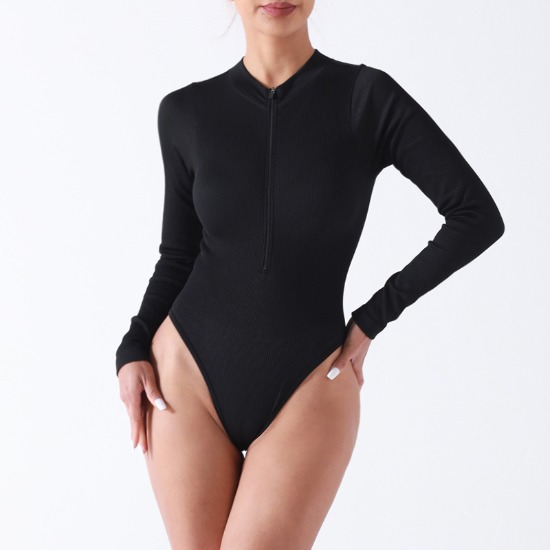
A Fitness Sports Suit is designed around movement, so its fabric and construction may differ from clothing worn mainly for everyday activities. Exercise creates repeated stretching, body movement, heat, and contact with sweat. Clothing used for such conditions needs to be cared for according to its actual construction.
Ordinary loose clothing may have more space between fabric and skin, while sports clothing often stays closer to the body. A close fit means sweat can remain against the inner surface for longer during exercise. Areas covered by the garment may also receive more friction as the wearer bends, stretches, walks, or performs other movements.
Shaping garments add another consideration because elastic areas need to retain their intended fit during repeated use. Rough washing, strong rubbing, or forceful twisting can place unnecessary stress on fabric and seams.
Care should therefore focus on both cleanliness and physical condition. Washing removes sweat and residue, while gentle handling reduces avoidable strain during the cleaning process.
A suitable routine for sports clothing may include:
Another difference involves storage after exercise. A normal shirt that remains dry may be placed in a wardrobe without much concern. Damp sports clothing placed in a closed bag creates a different situation. For a Fitness Sports Suit, removing moisture promptly is therefore part of ordinary garment care.
Not every part of a Sweat Body Shaper receives the same amount of moisture during exercise. Body contact, movement, and heat vary across different areas, so cleaning attention can be directed toward sections where sweat tends to collect.
Underarm areas often experience noticeable moisture during exercise. The back and waist can also remain warm because of close fabric contact. Inner sections around the abdomen and other areas held firmly against the skin may collect residue as well.
Seams deserve attention because their structure can create small spaces where moisture and residue remain longer. Edges and elastic sections may also receive repeated contact with the skin and movement during exercise.
During washing, there is no need to scrub every section with the same force. A gentle, complete cleaning process is more suitable for clothing that contains stretchable areas.
Before putting a garment away, a quick check can focus on:
Such checks help connect cleaning with actual use. A garment that has absorbed sweat deserves different attention from one that was worn briefly without much physical activity.
Proper care also involves observation over time. Changes in fabric feel, looseness, damaged seams, or unusual surface wear may indicate that washing, drying, storage, or general handling needs adjustment. Cleanliness and garment condition are related parts of everyday clothing care rather than separate concerns.
A Sweat Body Shaper is usually easier to care for when it is washed soon after a sweaty workout. Leaving it inside a closed sports bag can keep moisture around the fabric and seams for too long. Taking it out after exercise gives the garment a chance to breathe before washing.
Care instructions should be checked before cleaning, especially when the garment contains elastic sections. Gentle washing is generally preferable to strong rubbing or forceful twisting, which can put extra strain on stretchable areas.
A simple washing routine may include:
There is no need to use an aggressive cleaning method simply because the garment was worn during exercise. Proper handling helps keep the fabric comfortable while removing residue from daily use.
Washing removes sweat, while proper drying takes care of the moisture left behind. A garment that remains damp for too long can develop an unpleasant smell, especially when folded or stored in a closed space.
Good airflow can make drying easier. Hanging the garment or placing it in an open, suitable area allows moisture to leave gradually. High heat may not suit every fabric, so drying instructions should be followed rather than relying on strong heat.
Before storage, check the waistband, seams, folds, and thicker areas. Moisture can remain in such places even when the outer surface feels dry.
Some everyday habits can make clothing care harder than necessary. Leaving sweaty clothing in a sports bag is one common example. Another is putting it away before it has dried completely.
Rough handling can also affect a shaping garment over time. Strong twisting, pulling, or scrubbing may place unnecessary stress on elastic sections and seams. Using an unsuitable cleaning product can create similar problems.
A few simple habits are worth avoiding:
Cleaning frequency depends largely on how the garment was used. Noticeable sweating usually gives a clear reason to wash the garment before another workout. Light activity may leave much less moisture, so checking the fabric can help determine the next step.
| Use Condition | Care Approach |
|---|---|
| Light Movement | Check Moisture and Odor |
| Regular Exercise | Wash After Use |
| Heavy Sweating | Clean Promptly Before Storage |
| Before Storage | Wash and Dry Fully |
Washing after every use is a practical habit when regular exercise leaves sweat on the inner surface. Appearance alone is not always enough to judge cleanliness, since residue can remain after moisture has dried.
A Fitness Sports Suit may combine close‑fitting fabric, stretchable sections, and repeated movement, so care should cover cleanliness as well as garment condition.
After exercise, a useful routine is simple:
Remove → Check → Wash → Rinse → Dry → Store
Remove the worn garment from the bag, check areas that received more sweat, and wash according to the care instructions. Once rinsed, allow it to dry completely before storage.
Regular inspection also helps. Loose seams, worn elastic, rough fabric, or changes in fit can signal that handling or washing habits need attention.
For a Sweat Body Shaper, washing after a sweaty workout is generally a sensible part of routine care. Light use may call for a condition‑based approach, while damp clothing should not be left packed away. Clean washing, gentle handling, complete drying, and suitable storage work together to keep sports clothing ready for its next use.
Copyright © Jinhua Yongxing Knitting Co., Ltd.
 Seamless Yoga Sets


 English
 русский
 Español