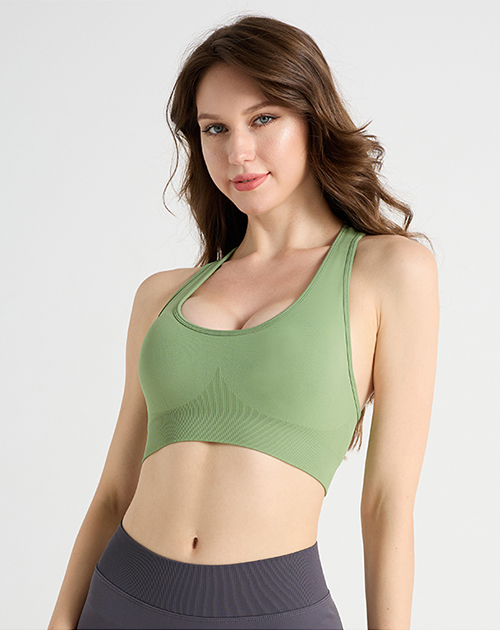
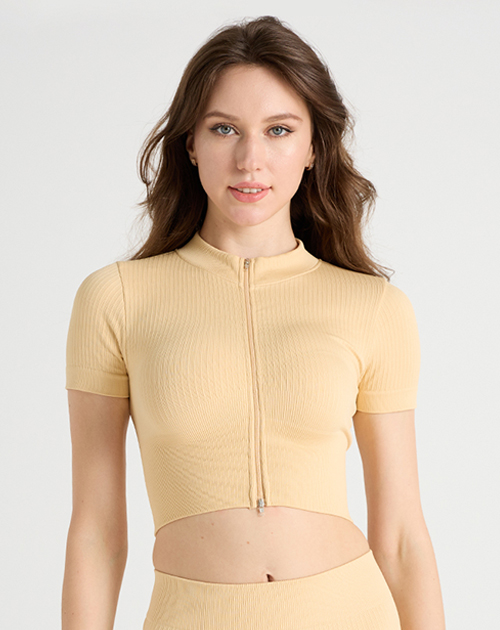
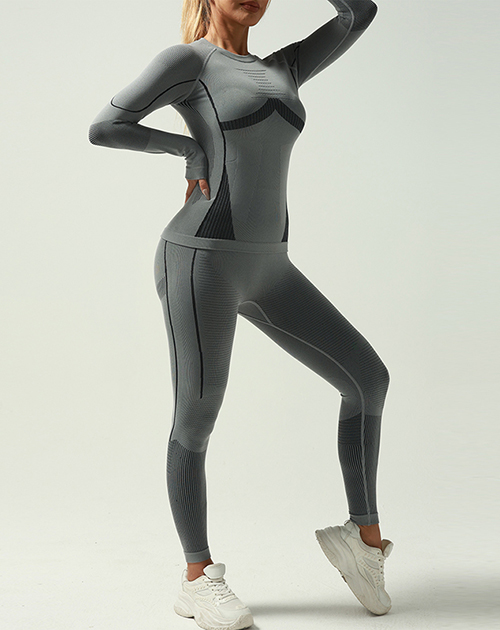
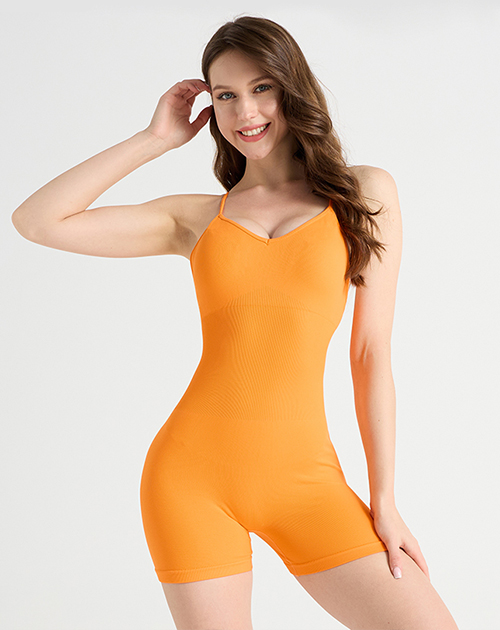
Shaping clothing is often linked with workouts and active routines, yet many people also consider wearing a fitted layer beneath ordinary clothes. A shirt, dress, skirt, or pair of relaxed trousers can sometimes work well with an inner layer, especially when comfort and a neat clothing fit matter during everyday activities.
Daily wear brings different demands from exercise. Walking between places, sitting for long periods, bending down, working at a desk, or spending time outdoors can all change how clothing feels against the body. A garment that feels comfortable during movement may feel different after several hours of sitting.
Fit is only one part of the situation. Fabric, stretch, seam placement, ventilation, garment thickness, and the cut of outer clothing all affect how an outfit behaves. Clothing also needs to stay in place during ordinary movement without creating unnecessary pressure.
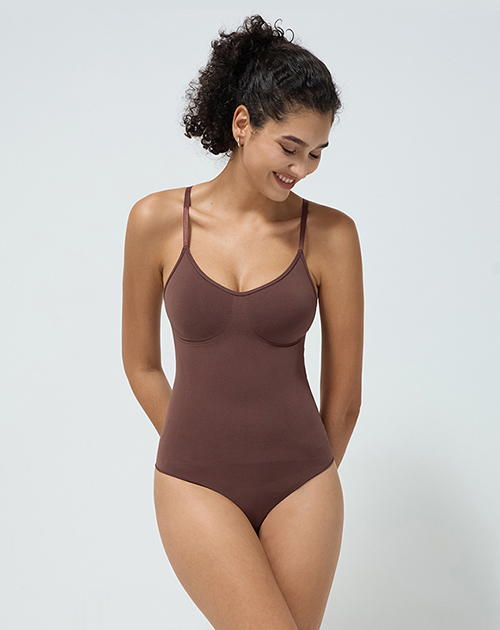
A Fitness Body Shaper can therefore be considered for daily outfits when its construction suits the activity and the clothing worn over it. Personal comfort remains an important part of that choice.
A comfortable fit should allow ordinary body movement without making sitting or walking feel difficult. Too much pressure around the waist, hips, shoulders, or legs can become noticeable during a long day, even when the garment feels fine for a shorter period.
Fabric plays a quiet role in everyday comfort. Stretch allows clothing to follow body movement, while breathable material can feel more pleasant during warm conditions. Thickness also changes how an inner layer interacts with outer clothing.
Seams deserve attention because they may rub against the skin or leave visible lines beneath thinner fabrics. Waistbands and leg openings can have a similar effect when outer clothing presses against them.
Several practical details are worth checking before wearing a fitted layer for daily activities:
Comfort can change with the activity. Someone spending much of the day moving around may have different needs from someone sitting at a desk or traveling for several hours. Choosing clothing according to the actual routine makes more sense than judging it from appearance alone.
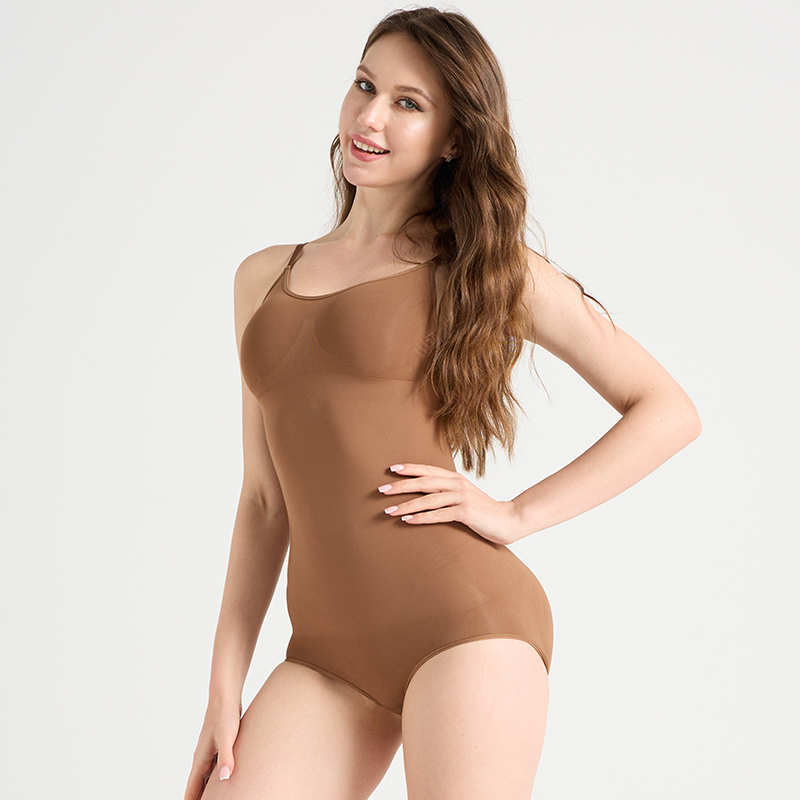
An inner layer changes the way outer clothing sits on the body, even when the difference is small. Loose shirts and relaxed trousers generally leave more room, while close‑fitting garments can make seams, edges, or fabric transitions easier to notice.
Thin outer fabrics require extra attention. A seam that remains invisible beneath a thicker shirt may become noticeable beneath a lightweight dress or skirt. Smooth surfaces can make layering easier, although garment construction still needs to match the outer fabric.
Length also matters. An inner garment ending close to a trouser waistband can create extra material around the waist. A longer design may sit differently around the hips and upper legs, depending on how outer clothing is cut.
Waistbands can create another point of pressure. When both layers have firm bands in the same area, sitting or bending may feel less comfortable. A relaxed outer waistband can provide more room for movement.
| Outer Clothing | Layering Consideration |
|---|---|
| Loose shirt | Usually leaves room around the body |
| Relaxed trousers | Allows more space around waist and legs |
| Fitted dress | Seams and edges may become visible |
| Lightweight skirt | Fabric thickness needs attention |
| Structured jacket | Can provide more coverage around an inner layer |
Trying an outfit while standing gives only part of the picture. Walking, sitting, reaching, and bending can reveal whether the two layers move comfortably together.
Everyday clothing with a little extra room tends to make layering easier. A loose shirt with relaxed trousers, for example, allows an inner garment to remain close to the body without placing another tight layer over it.
Dresses can also work well, although fabric weight and cut need to be considered. A smooth inner layer may sit quietly beneath a dress with enough room through the waist and hips. Lightweight material can reveal seams more easily, so checking the outfit under normal lighting can help.
Skirts offer another flexible option. A comfortable inner layer beneath a skirt can work for walking, shopping, commuting, or other routine activities, provided the waistband and inner garment do not press against each other.
Casual combinations can include:
No outfit behaves exactly the same way for every wearer. Body movement, weather, fabric choice, and daily activity can all change the experience.
Fabric becomes more noticeable during extended wear. A flexible material can follow ordinary movement, while poor airflow may make an outfit feel warmer after several hours.
Moisture can also change how a fitted garment feels. Walking outdoors, commuting, or carrying out active tasks may create more body heat than sitting quietly. A material that keeps moisture close to the skin may then feel less pleasant.
Construction matters in less obvious ways. Seams positioned near areas that bend repeatedly can cause rubbing, while narrow edges may press against the skin when another garment sits over them.
Thickness should also suit the outer clothing. A heavier inner layer may change how a thin shirt or dress hangs, while a lighter construction can sit more quietly underneath.
For a Fitness Body Shaper, everyday comfort comes from several details working together rather than one feature alone. Fit, fabric, seam placement, movement, and outer clothing all have a role in deciding whether an inner layer feels suitable throughout a normal day.
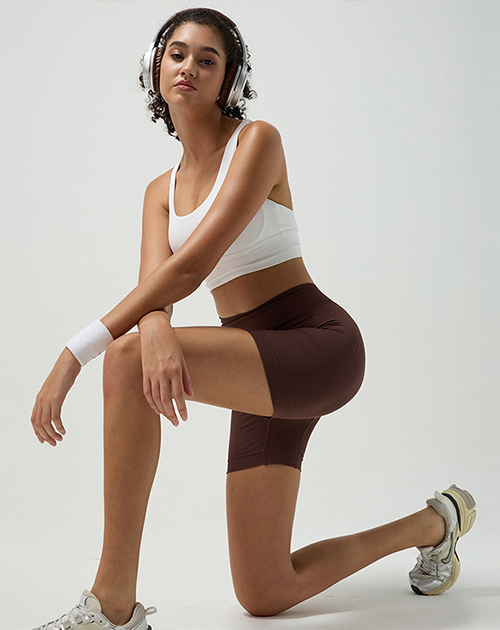
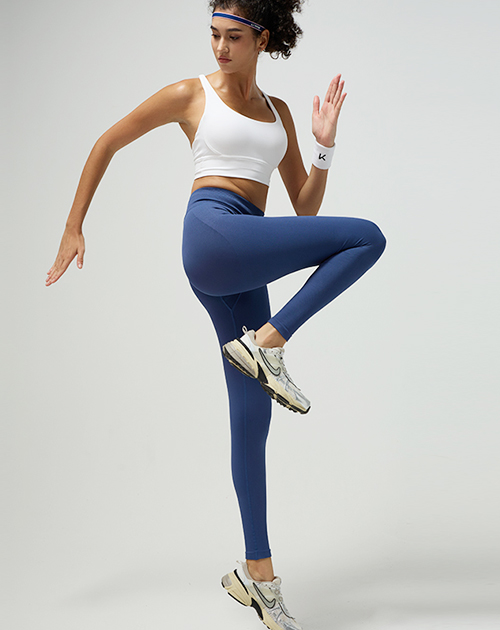
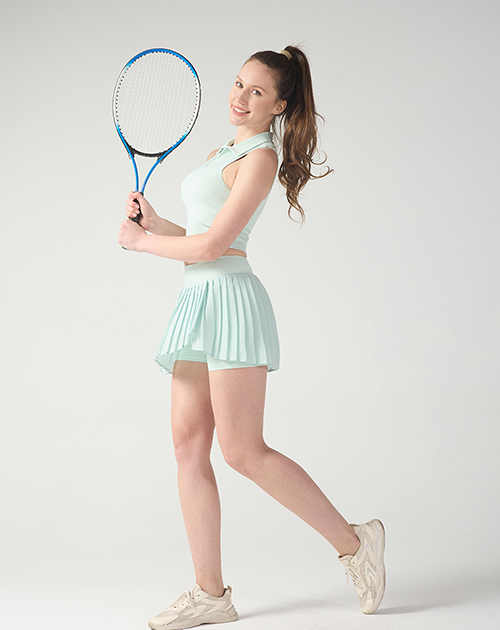
Sports clothing is usually made with movement in mind, so wearing it during an active day may feel quite natural. A walk to work, a shopping trip, travel, or outdoor errands can involve enough movement for flexible clothing to be useful.
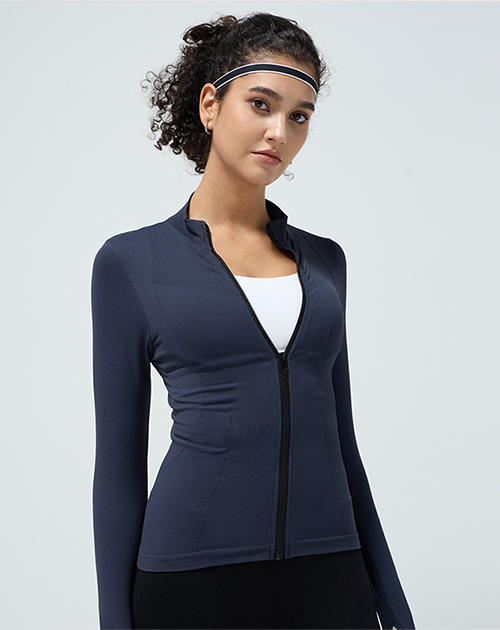
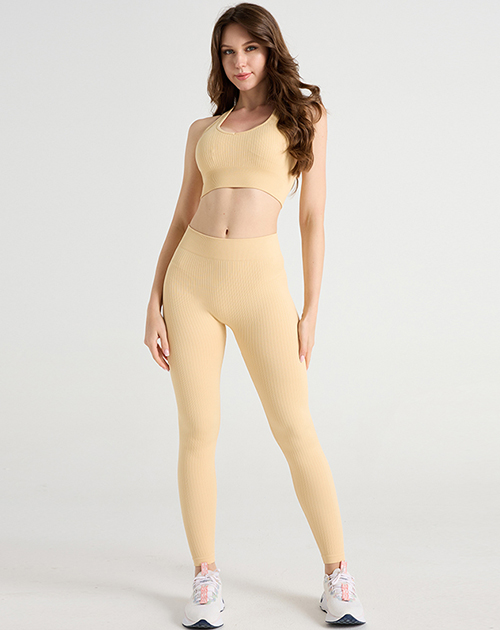
A Fitness Sports Suit may feel different from ordinary casual wear because fabric and garment cuts often sit closer to the body. Such a fit can work during active routines, although long periods of sitting may bring a different set of comfort needs.
Layering changes the experience as well. Wearing sports clothing on its own allows more air around the body than placing a jacket or another fitted garment over it. Several close layers can make a person feel warmer and may reduce freedom around the waist, shoulders, or legs.
Active clothing can fit naturally into situations such as:
More formal settings may call for another clothing arrangement. A person spending much of the day seated may also prefer a softer or less restrictive combination. Clothing designed around exercise does not necessarily need to be worn only during workouts, although comfort still depends on how and where it is used.
Short‑term comfort can sometimes hide problems that appear later. A waistband may feel fine while standing, then become uncomfortable after sitting for several hours. Similar changes can occur around seams, leg openings, shoulders, or areas where fabric receives repeated movement.
Trying normal movements before wearing a fitted garment for a full day can help. Sit down, walk around, bend, stretch, and reach for something placed above shoulder level. Small adjustments in fit often become easier to notice during movement than while standing still.
Weather has an effect too. Warm surroundings can make close‑fitting clothing feel heavier, particularly when several layers are worn together. Cooler weather may allow extra layers without creating the same level of heat.
Outer clothing should leave enough room for natural movement. Two garments that are each comfortable on their own can feel different when worn together, especially around the waist, hips, thighs, or shoulders.
Before choosing an outfit for extended wear, consider:
Persistent discomfort is worth paying attention to. Changing the fit or choosing another clothing combination may be more practical than continuing to wear something that feels uncomfortable.
Daily outfits vary widely, so an inner fitted layer may need to be adjusted according to the clothing worn over it. Loose casual pieces generally offer more room, while fitted trousers and close‑cut dresses leave less space for additional fabric.
A relaxed shirt paired with loose trousers can provide an easy setting for layering. Extra room around the waist and legs allows both garments to move without pressing tightly against each other.
Office clothing needs a little more attention to appearance. Smooth inner fabric can sit more quietly beneath a shirt or dress, while thin outer material may reveal seams, edges, or changes in texture.
Jackets provide another option when layering. A lightweight outer layer can add coverage without greatly changing movement. Several fitted layers, on the other hand, may create pressure around areas that bend or move frequently.
Color can influence how visible an inner garment appears. Strong contrast may show around an open neckline, sleeve, waistband, or thin section of outer fabric. Similar tones can make transitions less noticeable.
A simple way to plan an outfit is to check three parts together:
Looking at all three together usually gives a clearer idea of whether an outfit will remain comfortable from morning through the later part of the day.
Regular wear gradually exposes clothing to stretching, washing, sweat, and friction. Small changes may appear around seams or edges long before the overall garment looks noticeably different.
A quick check after use can help catch such changes. Pay particular attention to areas that receive repeated tension, including waist sections, leg openings, shoulder areas, and seams.
Moisture should not be left trapped in fabric for long periods. Clothing used during active routines can be washed according to its care instructions and allowed to dry properly before storage.
Care labels provide useful guidance for washing and drying. Strong washing conditions or unsuitable heat may affect stretch and fabric texture, which can change how an inner layer fits beneath other clothing.
Simple care habits include:
Fit can change gradually through repeated use. A garment that once felt comfortable may later sit differently around the waist, hips, shoulders, or legs. Checking comfort from time to time helps keep daily clothing choices practical.
For anyone considering a Fitness Body Shaper beneath ordinary outfits, comfort should remain part of the decision alongside appearance. Normal walking, sitting, bending, and reaching should still feel natural, while fabric and outer clothing need to work together rather than compete for space.
Daily dressing can remain flexible. A loose shirt may suit one routine, while a dress, skirt, or relaxed pair of trousers may work better for another. Matching clothing to activity, weather, fabric, and personal comfort creates a more natural approach to wearing fitted layers beyond exercise.
Copyright © Jinhua Yongxing Knitting Co., Ltd.
 Seamless Yoga Sets


 English
 русский
 Español