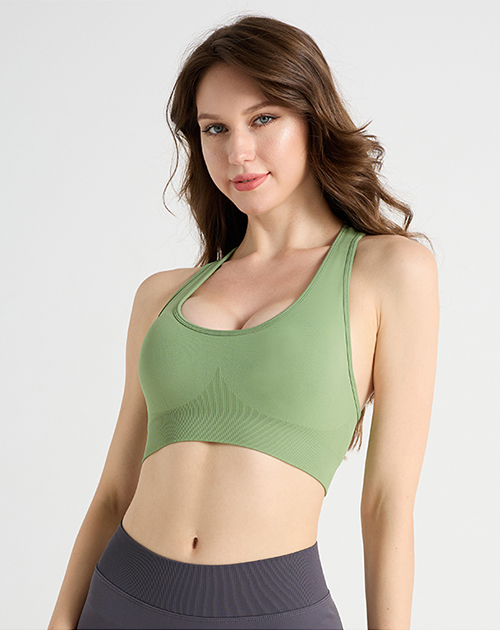
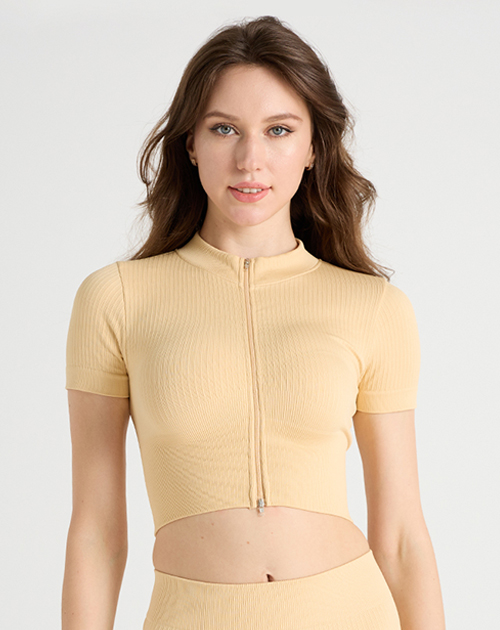
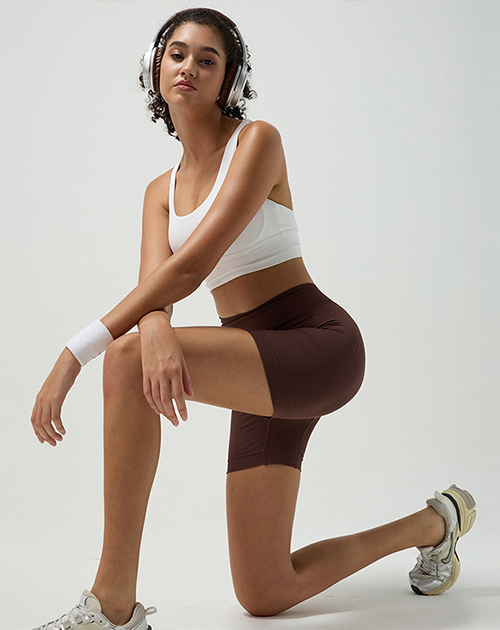
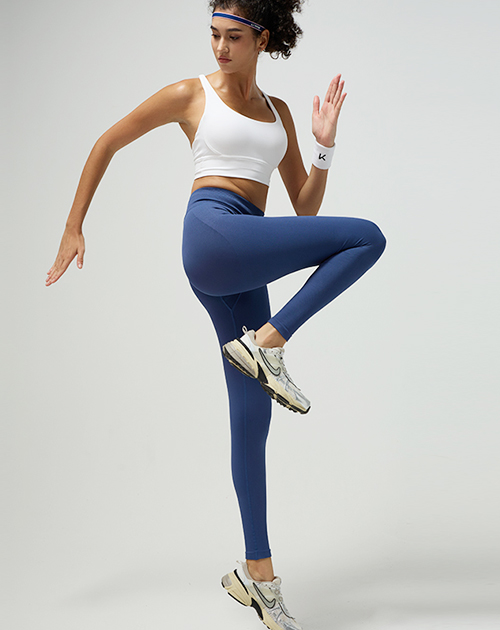
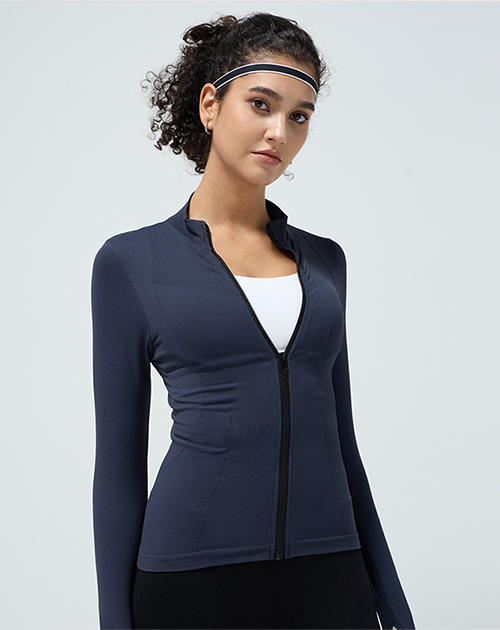
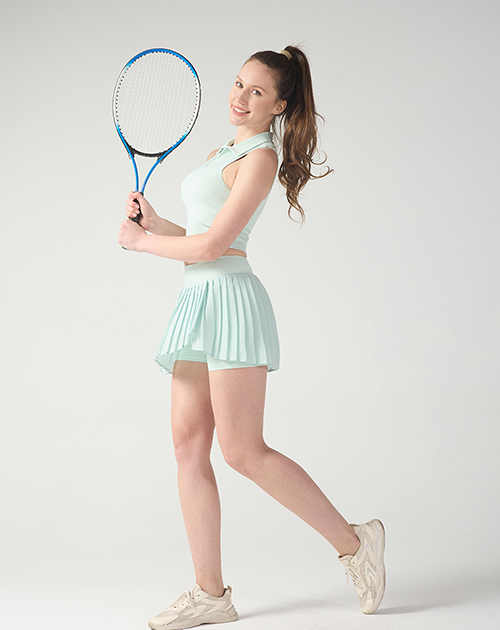
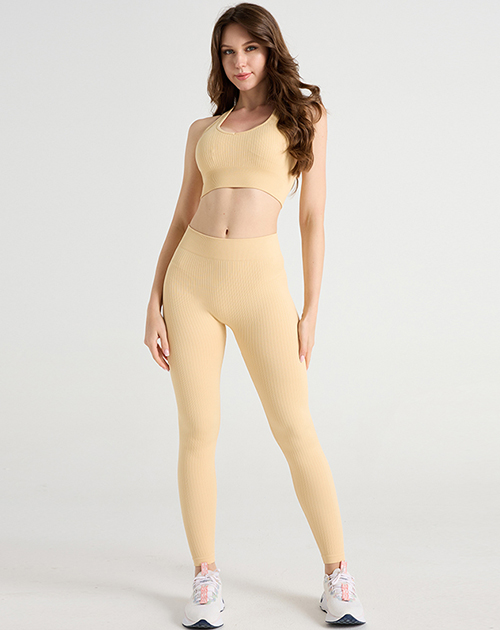
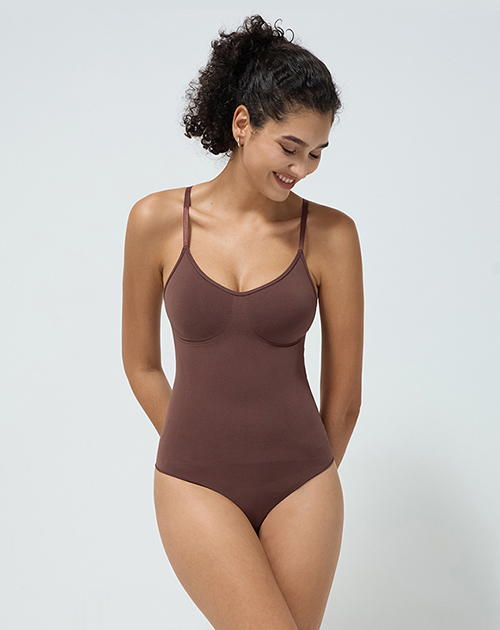
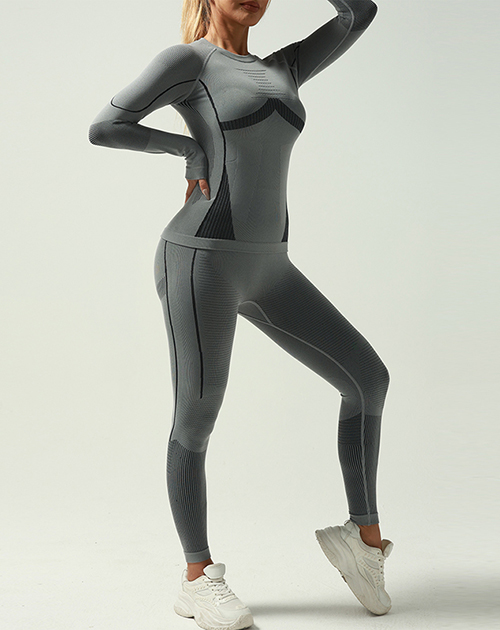
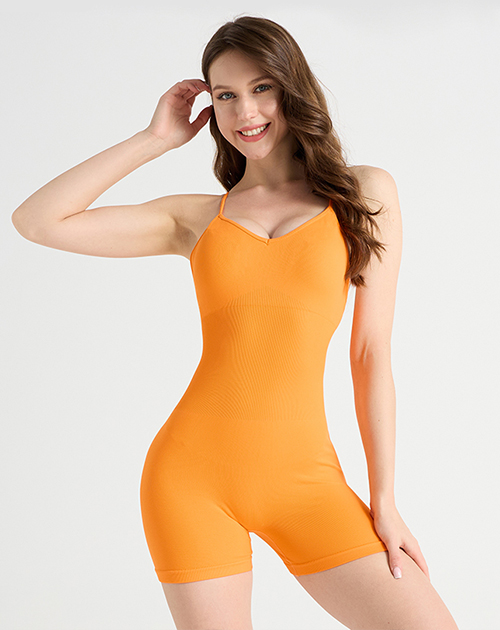
Workout clothing has gradually become part of the way people manage comfort during physical activity. Movement creates friction, body temperature rises, and perspiration can collect around areas where fabric stays close to the skin. Clothing that shifts, rubs or holds too much moisture may become distracting during repeated movements.
Fit and fabric both influence the experience. Guidance on exercise clothing commonly recommends choosing materials and shapes according to the activity, with enough flexibility to allow natural movement.
A Sweat Body Shaper sits within a category of close‑fitting exercise clothing designed around body coverage, shaping and sweat‑related comfort. Its role should be viewed in practical terms rather than as a replacement for exercise itself. A garment can change how heat and perspiration feel against the body, while actual physical changes still depend on exercise, nutrition and ordinary body processes.
During a workout, several clothing details can affect comfort:
Loose clothing may move repeatedly during running or bending, while a close‑fitting garment tends to remain nearer to the body. A suitable balance is important because excessive tightness can create another source of discomfort.
Exercise type also changes clothing needs. Walking, stretching, strength training and faster cardio involve different patterns of movement, so one garment design may not feel the same across every activity.
Perspiration is a normal part of physical activity. As exercise continues, body heat rises and sweat reaches the skin. Clothing then determines how much moisture remains close to the body, how quickly it spreads through the fabric and how easily surrounding air can help it dry.
A garment designed to encourage sweating may hold more heat around covered areas. Such construction can create a warmer sensation and increase local perspiration. Increased sweating should not be confused with increased fat loss, since sweat mainly represents water released during temperature regulation.
Moisture management works differently from heat retention. Many workout fabrics are designed to move moisture away from the skin and help it spread across the outer surface, where evaporation can occur more readily.
For a sweat‑focused garment, the relationship between heat, moisture and fit becomes more noticeable. A close layer can reduce air movement between skin and fabric, while material structure determines how dampness feels during activity.
Such differences become easier to notice during longer sessions. A damp waistband, wet inner layer or fabric that repeatedly sticks to the skin can create friction and distraction. Smooth construction and suitable fabric stretch may reduce some of those problems.
Sweat management therefore involves several separate factors rather than one simple feature:
Body heat → perspiration → fabric contact → moisture movement → evaporation or retained moisture
A garment that increases warmth may feel different from ordinary moisture‑wicking sportswear. Neither approach suits every workout condition. Exercise in a warm environment places different demands on clothing than activity in a cooler room.
Hydration also remains important during sweating. Clothing can influence how perspiration feels, yet it cannot replace normal fluid intake or sensible exercise habits.
Close‑fitting clothing can change how fabric behaves during movement. Running, bending, stretching and repeated bodyweight exercises involve frequent changes in posture, so loose material may shift around the waist, hips or legs.
A close fit can keep fabric nearer to the body and reduce repeated adjustments. Compression‑style clothing may also create a feeling of support around covered areas, although the sensation should not be treated as proof of improved physical performance.
Fit remains more important than simply choosing tighter clothing. A garment that presses too strongly around the waist or restricts movement can become uncomfortable during exercise. Guidance for workout clothing similarly recommends enough freedom of movement and warns against clothing that interferes with activity.
Different parts of a garment need different levels of flexibility. Areas around the waist may require stable contact, while the hips, thighs, shoulders or torso need enough stretch for ordinary movement.
For example, during a squat, the waist and hip areas change position at the same time. During stretching, fabric needs to extend without creating excessive pressure. During running, repeated movement makes fabric stability more noticeable.
A practical fit check can focus on a few simple questions:
Proper sizing matters because body‑shaping clothing relies on close contact. A smaller size does not automatically create a better exercise experience. Excess pressure can increase heat and friction while reducing freedom of movement.
Body shaping and exercise performance are related only in limited ways. A shaping garment can change how the body looks under clothing and create a more contained feeling around covered areas. Such effects are mainly connected with garment construction and fit.
Compression panels, elastic sections and structured waist areas can influence how clothing sits around the body. During movement, stable fabric may feel different from loose sportswear because fewer folds form around active areas.
A Sweat Body Shaper may therefore serve two clothing purposes at the same time: shaping the appearance of the body and providing a close‑fitting layer for exercise. Neither function should be confused with direct fat reduction.
Sweating also needs careful interpretation. More perspiration does not mean that more body fat has been removed. Temporary changes in body weight after heavy sweating are largely associated with fluid loss, which is restored through normal hydration.
For that reason, responsible sportswear communication should focus on tangible clothing characteristics:
A shaping garment can be part of a workout outfit without becoming the focus of the workout itself. Exercise intensity, movement quality and suitable hydration remain separate considerations.
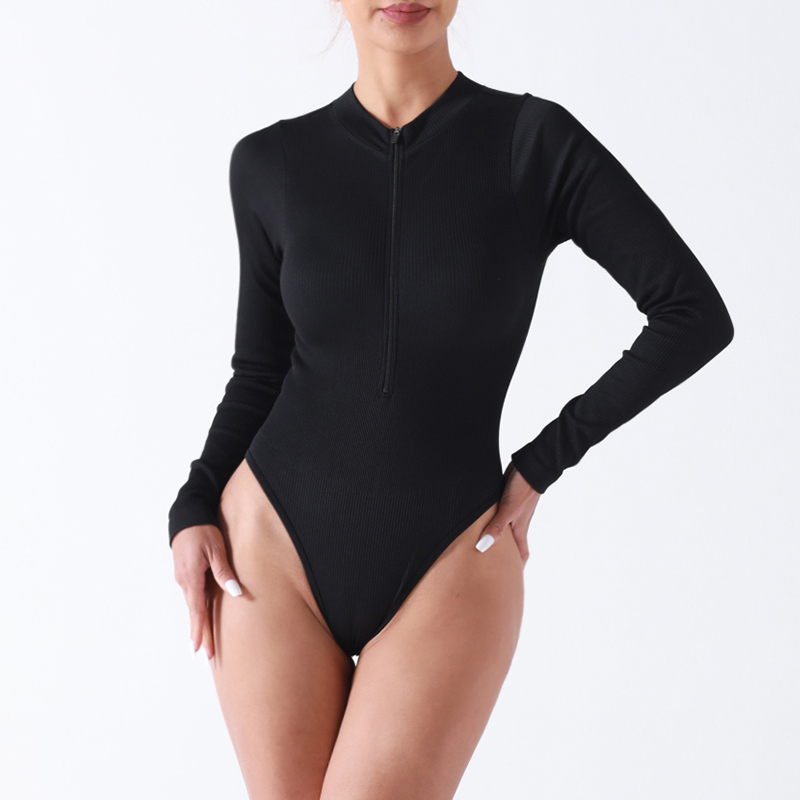
A workout outfit needs to move with the body rather than become another source of distraction. A Fitness Sports Suit may combine several clothing functions within one garment, including close fitting, stretch, sweat handling and coverage.
Fabric selection has a direct effect on comfort during exercise. Clothing intended for physical activity commonly uses materials that help move perspiration away from the skin and dry with less delay. Fit also needs to leave enough room for natural movement, especially around joints and areas that bend repeatedly.
Support should also be considered separately from tightness. A garment can stay close to the body without placing excessive pressure around the waist, chest or legs. Too much pressure may make bending, stretching or breathing uncomfortable, particularly during longer sessions.
Seam placement matters in a similar way. A seam positioned across a frequently moving area can rub against the skin, while smoother construction may reduce friction. Flexible fabric can also help a garment follow changes in posture instead of pulling against the body.
Different activities create different clothing demands:
A suitable combination depends on activity, environment and personal comfort rather than a single clothing feature.
Choosing a sweat‑focused shaping garment requires attention to fit before appearance. A close‑fitting design should remain in place during movement without creating excessive pressure.
A simple fitting check can help identify potential problems before a workout begins:
| Workout Need | Clothing Feature to Consider |
|---|---|
| Heavy sweating | Moisture management |
| Frequent movement | Flexible fabric |
| Long wearing time | Comfortable fit |
| Repeated bending | Stretch around active areas |
| Warm surroundings | Air circulation |
| Daily washing | Easy‑care material |
Waist pressure deserves particular attention. A waistband that feels acceptable while standing may become uncomfortable during bending or seated movement. Testing several ordinary movements can reveal whether fabric pulls, rolls or presses against the body.
Breathing should also remain comfortable. Exercise naturally changes breathing patterns, so clothing around the torso should not create unnecessary restriction. A garment intended for shaping should still allow normal movement throughout a workout.
Skin contact provides another useful point of inspection. Sweat combined with repeated rubbing can cause discomfort, especially around seams and tightly covered areas. Smooth seams and suitable sizing can reduce some friction.
Fabric condition after washing also matters. Exercise clothing is exposed to sweat, repeated stretching and frequent cleaning, so care instructions need to match ordinary use. Proper washing and drying can help maintain fabric shape and reduce lingering moisture.
Clothing can influence comfort during exercise, although it remains only one part of a workout routine. A shaping garment may provide a close‑fitting feel and help keep fabric stable, while the actual training effect comes from physical activity itself.
Heat management deserves attention when a garment is designed to encourage sweating. Extra warmth may increase perspiration, especially around covered areas. Sweat helps the body regulate temperature, so heavy exercise in warm surroundings requires sensible attention to hydration and signs of overheating.
A Sweat Body Shaper should therefore be used according to the activity and surrounding conditions. A short indoor session may create a different experience from outdoor exercise in warm weather. Garment thickness, coverage and ventilation can all affect how heat feels during movement.
During exercise, several signs may suggest that clothing needs adjustment:
Stopping to adjust clothing can be more practical than continuing through persistent discomfort. Exercise garments should support ordinary movement rather than force the body into a particular position.
Post‑workout care also has a role. Perspiration left in fabric for a long period can create an unpleasant wearing environment. Washing according to the garment's care instructions and allowing it to dry properly can help maintain its condition.
Sweat management and body shaping involve different functions, even when both appear in one garment. A shaping structure controls how fabric sits around the body, while moisture‑related construction influences how perspiration behaves within the material.
A close fit can keep fabric near the skin, which may make moisture more noticeable when perspiration increases. Fabric structure then becomes important because moisture can either remain concentrated around one area or spread through a wider surface.
Breathability adds another layer to the discussion. Air circulation around the body can influence how quickly heat and moisture are perceived. Exercise clothing guidance commonly recommends considering both fabric and fit according to the activity and surrounding conditions.
For a Fitness Sports Suit, balancing shaping, stretch and moisture handling can therefore be more useful than focusing on one feature alone.
A garment intended for active use needs to move as the body moves. A garment intended mainly for appearance may follow a different design priority. Combining both purposes requires careful attention to:
Fit → Stretch → Sweat handling → Movement → Comfort
Such a sequence keeps the role of sportswear realistic. Clothing can improve the wearing experience and help manage fabric movement, while exercise itself remains responsible for the physical training process.
A Sweat Body Shaper can be part of a workout wardrobe where close fitting, sweat handling and shaping are useful for the intended activity. Suitable sizing, reasonable exercise conditions and regular garment care remain important for maintaining comfort during repeated use.
Copyright © Jinhua Yongxing Knitting Co., Ltd.
 Seamless Yoga Sets


 English
 русский
 Español