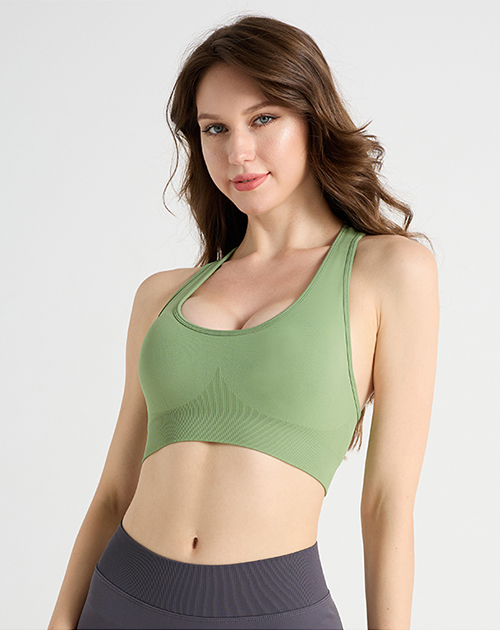
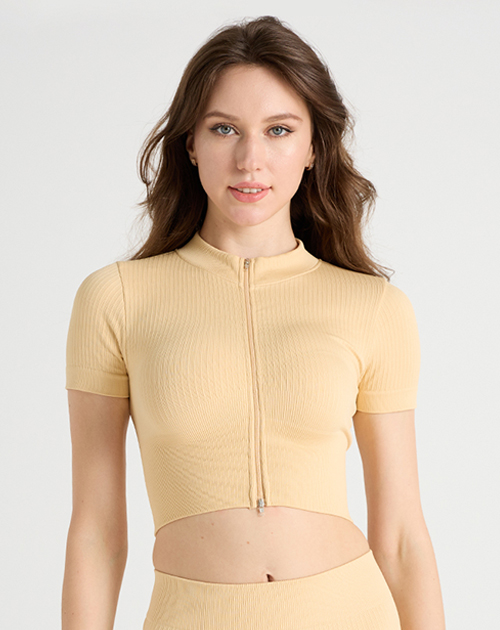
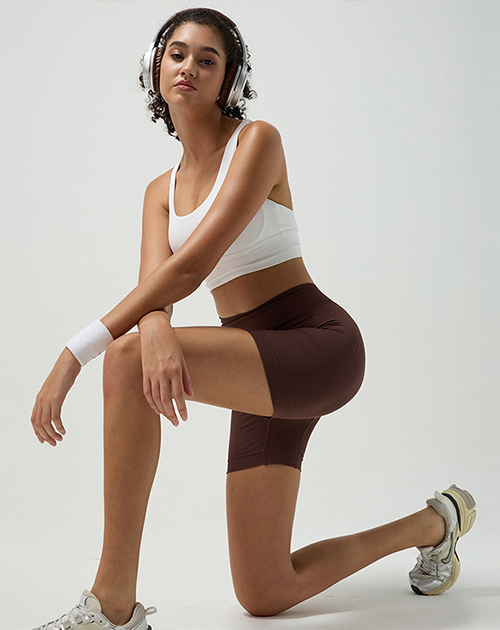
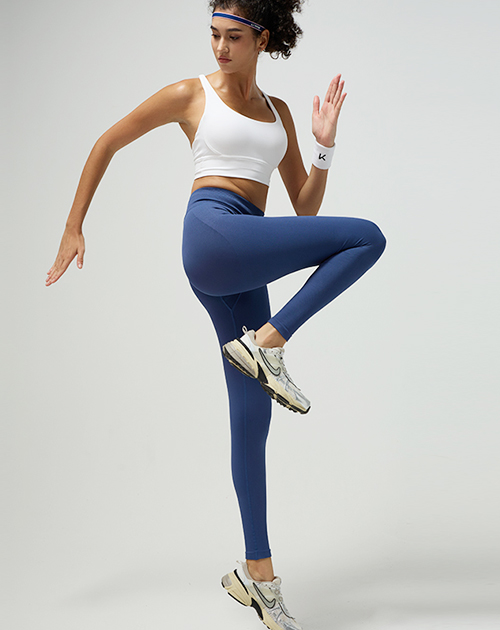
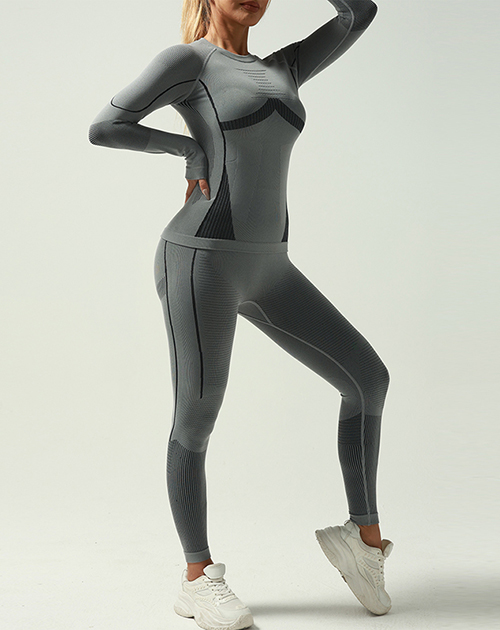
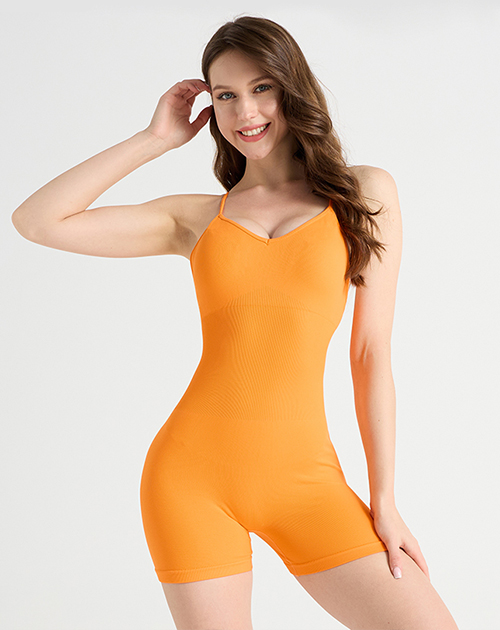
Sports clothing has to deal with sweat, body movement, friction, and changes in temperature during exercise. Fabric choice can affect how comfortable a shirt feels once physical activity starts, especially when moisture builds up around the skin.
Polyester is often used for active clothing because its fibers can move moisture toward the outside of a fabric rather than holding all of it close to the body. Once moisture reaches an exposed surface, evaporation can take place more easily, depending on airflow and surrounding conditions.
Recycled polyester can be processed into yarn and used in a similar way. Recycled content alone does not decide whether a garment will dry quickly. Knitting structure, fabric thickness, yarn arrangement, surface texture, and garment design all have a part in the final behavior.
A useful way to look at sports fabric is to follow what happens to moisture during wear. Sweat reaches the inner surface, spreads through the fabric, moves toward the outer side, and then evaporates into surrounding air. Each stage can be affected by the way a textile is made.
For practical sportswear design, attention is often given to:
Fiber selection is therefore only one part of the process. A recycled polyester yarn placed in a dense fabric may behave differently from similar yarn used in a lighter knitted structure.
Drying starts with moisture movement. When sweat reaches a shirt, water may stay in a small area or spread across a larger section of fabric. Wider spreading can increase contact between moisture and surrounding air, creating more opportunity for evaporation.
Recycled polyester can be made into yarn for fabrics designed around such movement. Yarn form and fabric structure influence how easily moisture travels from the inner surface toward the outside.
Fabric thickness matters as well. A thicker construction can hold more moisture within its structure, while a lighter material may release moisture more readily. A suitable choice still depends on the purpose of the garment, since clothing for outdoor activity may require a different construction from a lightweight indoor training shirt.
Air conditions also change drying behavior. Moving air can carry moisture away from the fabric surface, while humid or still surroundings can slow evaporation. As a result, a shirt may behave differently during outdoor exercise and indoor activity even when the fabric remains unchanged.
For a Quick Dry Sports Shirt, recycled polyester works as part of a wider material system. Fiber source, yarn construction, fabric structure, garment fit, and surrounding air all influence how quickly moisture leaves the clothing.
Fabric construction can change how a sports shirt handles moisture. Two garments made from similar polyester material may feel different because their thickness, knitting structure, and surface finish are not identical.
A lighter fabric generally contains less material for moisture to remain within. An open knitted structure can also create more room for air movement. Surface texture may encourage moisture to spread over a wider area, giving evaporation more space to occur.
Garment design adds another layer. A shirt that fits closely against the skin can behave differently from one that leaves more room for air circulation. Areas such as the back and underarms may need greater attention because heat and perspiration often build up during movement.
| Fabric Feature | Influence on Daily Wear |
|---|---|
| Thickness | Affects moisture retention |
| Knit Structure | Influences airflow and spreading |
| Surface Texture | Changes moisture distribution |
| Garment Fit | Affects contact and air movement |
| Fabric Finish | Can alter surface interaction |
No single feature decides drying performance. Material, construction, fit, and environmental conditions work together. For sportswear production, keeping those factors connected can help create clothing suited to actual movement rather than relying on fiber type alone.
Breathability concerns air movement around and through clothing. During exercise, body heat rises and perspiration increases, creating a need for moisture release and ventilation.
A Breathable Sports Top can use fabric structure, garment openings, fit, and panel placement to encourage air movement. Areas around the back, chest, and underarms may experience different levels of heat, so one fabric structure across an entire garment is not always necessary.
Quick drying and breathability are related, though they are not identical. Air may pass through a fabric that still holds moisture, while another fabric may move moisture outward without allowing much air through.
Activity also changes airflow. Running creates repeated body movement and outdoor air contact, while indoor training may take place in warmer, less ventilated surroundings. Fabric selection therefore needs to match how and where clothing will be used.
Recycled polyester can form part of such designs, while fabric construction remains an important factor in determining how clothing behaves during exercise.
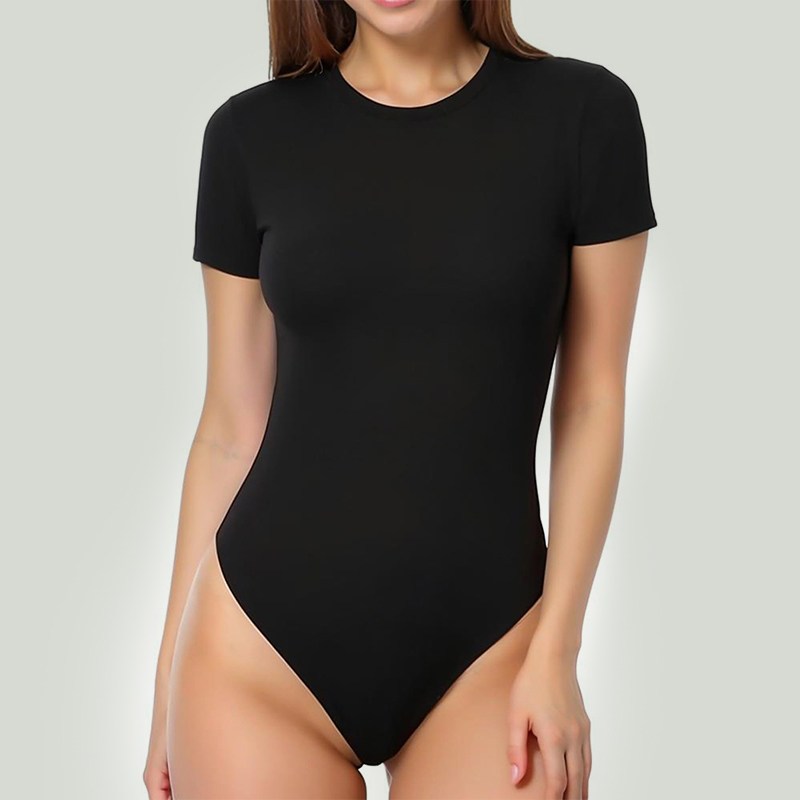
Sports clothing is used in very different conditions, so fabric requirements can change from one activity to another. Running often involves continuous movement and steady sweat release, while light exercise may place greater attention on flexibility and a comfortable surface feel.
Cycling brings longer periods of movement and airflow, whereas indoor training can create a warmer environment around the body. Hiking may involve changing weather, contact with bags, and changes between active movement and rest.
A Quick Dry Sports Shirt made with recycled polyester can suit different activities when fabric structure and garment construction are selected according to actual use. Fiber content alone does not determine how a shirt behaves during exercise.
Several design factors can change the wearing experience:
Outdoor clothing may need a balance between ventilation and coverage. Indoor exercise may place greater attention on heat release and moisture movement. Garment design can respond to those differences without changing the basic fiber type.
Comfort comes from more than softness. A sports shirt needs to move with the body while keeping unwanted friction and moisture contact under control.
Fabric stretch can make arm and shoulder movement easier during exercise. Seam placement also matters because repeated rubbing can become noticeable during longer periods of activity. A smooth inner surface may feel different from a textured one, particularly when clothing becomes damp.
Garment fit influences airflow and moisture contact as well. A close‑fitting shirt can keep fabric near the skin during movement, while a looser cut may allow more air between the body and garment.
Material construction can also vary across different sections. A breathable area may be useful around places where heat tends to build up, while a denser section can provide more coverage in areas exposed to friction.
For a Breathable Sports Top, comfort therefore depends on several connected choices rather than one fabric characteristic. Recycled polyester may provide the fiber base, while knitting, cutting, sewing, and finishing determine how that material behaves as finished clothing.
Washing changes the condition of clothing over time. Water, detergent, movement inside a washing machine, drying temperature, and repeated folding can gradually affect fabric surfaces and garment structure.
A sports shirt that depends on a particular surface treatment may experience changes as washing continues. Fabric without a special surface treatment can also change through normal wear, especially around areas exposed to repeated rubbing.
Care instructions can therefore influence long‑term fabric behavior. Excessive heat may affect some garments, while unsuitable washing methods can change stretch or surface feel. Following the care requirements provided for a garment helps maintain its intended condition.
Drying method matters as well. Natural air drying, machine drying, and drying in direct sunlight create different conditions. Actual care needs depend on fabric construction and garment instructions.
For manufacturers, repeated washing is relevant during product development because quick drying should not be considered only during the initial use of a garment. Fabric behavior after regular care provides a more practical view of how a sports shirt may perform during everyday use.
Recycled polyester has become part of textile production as manufacturers look at different sources of polyester fiber. Material can be processed into usable yarn and then incorporated into fabrics for clothing.
Production involves several stages, and each stage can influence the final textile. Fiber preparation affects yarn formation, yarn construction affects knitting or weaving, and fabric structure affects moisture movement, airflow, and surface feel.
A recycled fiber does not automatically create a particular fabric performance. Production teams still need to consider yarn quality, fabric construction, dyeing, finishing, cutting, and sewing.
Material sourcing can also influence production planning. Consistent fiber characteristics help manufacturers maintain more stable fabric behavior, while changes in raw material may require adjustments during yarn or fabric production.
Environmental considerations are part of the wider discussion around recycled textiles, although claims need to reflect actual production conditions rather than rely on the presence of recycled content alone.
For sportswear makers, recycled polyester can therefore be viewed as one material route within a larger production process. Performance depends on how the material is processed and how the finished garment is designed.
Choosing sports clothing involves matching fabric behavior with the activity and wearing conditions. A runner, cyclist, gym user, or outdoor walker may place different demands on the same type of garment.
| Consideration | What To Check |
|---|---|
| Drying | How moisture moves away from the body |
| Breathability | How easily air can circulate |
| Fabric Structure | Thickness, density, and surface design |
| Movement | Stretch and garment fit |
| Comfort | Surface feel and moisture contact |
| Care | Washing and drying requirements |
| Activity | Indoor or outdoor use and movement level |
Material source remains relevant, although it should be considered together with fabric construction and garment design. Recycled polyester may work well within a suitable textile structure, while an unsuitable construction can limit the expected benefit.
A Quick Dry Sports Shirt needs to function as a complete garment rather than simply as a collection of fibers. Moisture movement, airflow, fit, surface feel, washing behavior, and activity all interact during actual use.
For manufacturers, such connections can guide fabric selection and garment development. Recycled material, breathable construction, and practical garment design can be considered together, allowing sportswear to respond more naturally to the conditions in which it will be worn.
Copyright © Jinhua Yongxing Knitting Co., Ltd.
 Seamless Yoga Sets


 English
 русский
 Español