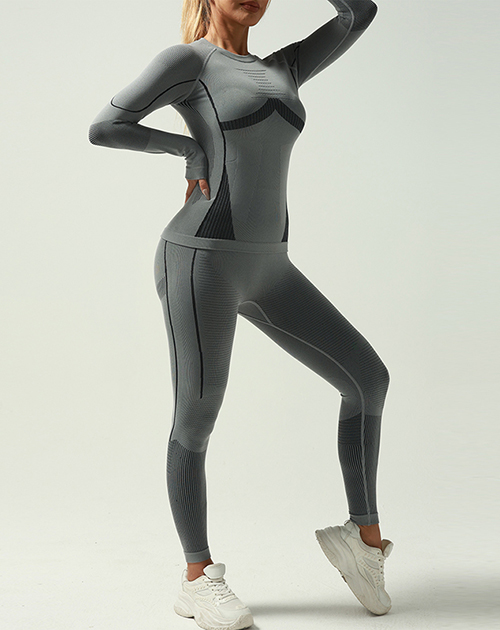
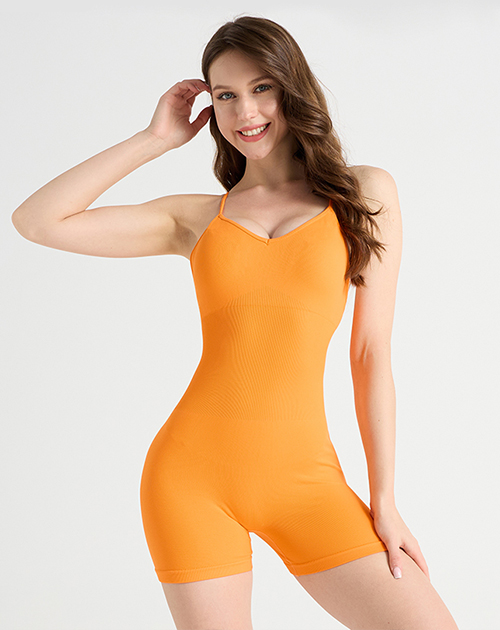
Evening exercise changes the clothing requirements compared with daytime activity. Reduced natural light makes movement harder for surrounding road users to notice, while exercise can cause heat and moisture to build up close to the skin. A suitable garment therefore needs to deal with comfort and visibility at the same time.
Fabric color has some value during dim conditions, especially when a light‑colored surface contrasts with the surroundings. Color alone, however, may become difficult to notice when illumination is poor. Reflective areas can provide another layer of visibility because they react when exposed to light from vehicles, bicycles, or other sources.
Placement matters as much as the presence of reflective material. A small reflective section hidden beneath an arm may contribute little while the arm is moving. Details positioned across the shoulders, sides, chest, back, or sleeves can create a more recognizable outline as the wearer moves.
Activity type also affects clothing needs. A person walking at a steady pace may generate less heat than someone running, while cycling can create greater airflow around the body. Clothing selection therefore needs to consider both movement and surrounding conditions.
A practical check before purchase can focus on four areas:
A garment that addresses only one of those areas may feel unsuitable once actual activity begins.
Breathability refers to how easily air and moisture can move through a fabric structure. During exercise, body heat rises and perspiration increases. When moisture remains against the skin, clothing can begin to feel heavy or cling to the body.
Fabric construction has a direct effect on that experience. A lightweight material with an open structure may allow greater airflow, while a dense construction can restrict movement of air. Ventilation panels may be placed around areas where heat tends to build up, such as the back or under the arms.
Moisture handling should not be confused with airflow. A fabric can allow air movement while still holding moisture close to the skin. Another material may move moisture away from the body while providing less ventilation. Practical comfort comes from how both properties work together.
| Feature | Practical Effect During Exercise | What to Check |
|---|---|---|
| Breathable fabric | Allows heat and air to move | Fabric structure and ventilation |
| Moisture handling | Reduces wet feeling against skin | Drying behavior |
| Lightweight construction | Reduces heavy feeling during movement | Fabric thickness |
| Ventilation areas | Releases heat from warm zones | Placement and coverage |
| Reflective details | Improves visibility under external light | Position and surface area |
Weather also changes the value of breathability. Warm and humid surroundings can make ventilation more noticeable, while cooler air may reduce the need for extensive airflow. A garment designed for one environment may feel different when used in another.
Fit plays a part as well. A very loose shirt may allow air to move around the body, while an excessively loose cut can shift during running or cycling. A close fit can remain stable during movement, although fabric breathability becomes more important when less air can circulate between clothing and skin.
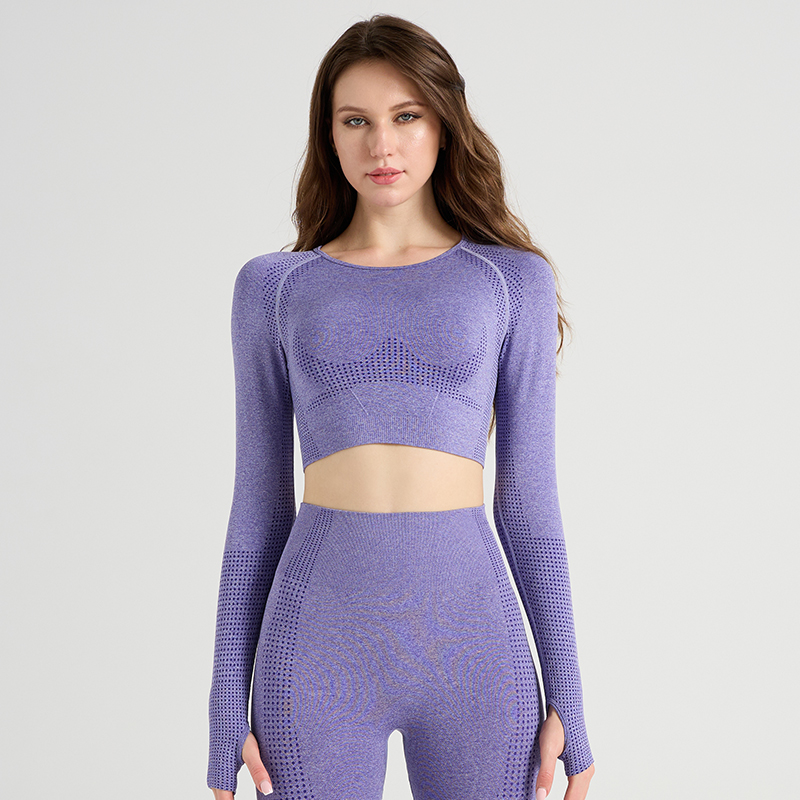
Visibility during evening activity should not depend entirely on bright fabric. A vivid color may be noticeable under street lighting and still become difficult to distinguish in darker surroundings. Reflective details provide a different function by becoming more visible when external light reaches them.
Position deserves careful attention. Reflective material placed across the back can help from behind, while side details may make lateral movement easier to recognize. Shoulder and sleeve placement can create visible movement as the arms swing naturally.
A useful design can therefore distribute visibility features across several areas rather than concentrating everything on one section. Such placement may help create a clearer outline during running or walking.
Movement changes how reflective details appear. A fixed strip across the chest may remain visible from one direction, while reflective sections on sleeves can produce repeated movement as the arms swing. Side panels can provide another visual cue when a person crosses a road or path.
When checking a garment, consider:
Reflective surfaces can vary in appearance during normal indoor lighting. A garment may look relatively plain before external light reaches the reflective areas, then appear noticeably different under a direct light source.
Visibility also depends on the surroundings. Street lamps, vehicle headlights, buildings, trees, and other objects can affect how easily clothing is seen. Clothing cannot replace safe behavior around roads, so visibility features should be treated as one part of outdoor safety rather than a complete solution.
A comfortable fit should allow the body to move without pulling at the shoulders, chest, or waist. Running involves repeated arm movement, while cycling places the upper body in a different position. Walking may involve less intense movement, yet garment shifting can still become uncomfortable over time.
Arm openings need enough room for natural movement. Tight openings can restrict the shoulder area, while excessively loose openings may allow the garment to move around during activity.
Neck construction deserves attention as well. A collar that presses against the skin may become more noticeable as perspiration increases. Soft contact around the neckline can reduce irritation during repeated movement.
Seams influence comfort in a similar way. Rough or poorly positioned seams may rub against the skin, particularly beneath the arms or around the shoulders. Seam placement should work with the intended movement rather than crossing areas that experience constant friction.
Fabric stretch can help with movement, although stretch alone does not determine whether a garment feels comfortable. Recovery after movement, fabric weight, seam placement, and overall cut all contribute to how clothing behaves during exercise.
For low‑light outdoor activity, construction has another role. Reflective details need to remain attached securely during repeated movement and washing. Loose edges or damaged sections can reduce their useful surface area and affect the appearance of the garment.
A good fit can therefore be assessed through movement rather than appearance alone. Raising both arms, turning the shoulders, bending the upper body, and taking several walking or running movements can reveal whether clothing stays in place without unnecessary tension.
Sweat management becomes more noticeable as exercise continues. Moisture sitting against the skin can make a shirt feel heavier, while damp fabric may remain uncomfortable once activity slows down. Breathability helps air move through clothing, whereas quick drying focuses on how readily moisture leaves the fabric.
A Quick Dry Sports Shirt can use a fabric structure that spreads moisture across a wider surface area, allowing evaporation to occur more readily. Fabric weight, weave, surface texture, and ventilation all influence how quickly a damp garment feels dry.
Quick drying does not mean that a garment will remain completely dry during exercise. Heavy sweating can exceed the rate at which moisture leaves the fabric. For that reason, airflow still matters, especially during running or outdoor training.
Clothing design can combine both functions by placing more open fabric around warm areas while using a moisture‑managing material across areas that remain in close contact with the body. Such an arrangement can reduce the feeling of trapped heat without making the entire garment highly open.
Care also affects drying behavior. Fabric softener, excessive heat, or residue from repeated washing can change the way a fabric absorbs and releases moisture. Following the garment care instructions helps preserve its original handling characteristics.
Activity changes how a shirt needs to behave. Running creates repeated movement and noticeable heat buildup, so airflow, moisture handling, and stable fit become important. A loose garment may move excessively with each stride, while a close‑fitting design can remain steadier during faster movement.
Walking places different demands on clothing. Movement tends to be gentler, although evening walkers may spend more time near roads or shared paths. Visibility from the front, rear, and side can therefore receive more attention during selection.
Cycling creates another set of conditions. Forward movement generates airflow, while the upper body remains in a relatively fixed position. Reflective details on the back and sides can be useful because visibility may need to be maintained from different directions.
Outdoor training can involve short periods of high activity followed by rest. During active periods, ventilation and moisture control become noticeable. During rest, damp clothing can cool quickly when exposed to outdoor air, so fabric behavior still matters after exercise slows down.
| Activity | Main Clothing Concern | Useful Feature |
|---|---|---|
| Running | Heat and repeated movement | Breathability and stable fit |
| Walking | Long wear and low‑light visibility | Comfortable fabric and reflective areas |
| Cycling | Body position and road awareness | Back and side visibility |
| Outdoor Training | Changing activity levels | Moisture handling and ventilation |
Weather should remain part of the decision. Warm conditions may call for greater airflow, while cooler evenings may require a balance between ventilation and warmth. A single shirt construction may not feel the same across every season or activity.
Shopping decisions become easier when clothing is judged through actual use rather than appearance alone. A shirt may look suitable on a hanger while feeling restrictive during movement or becoming uncomfortable after sweating.
Several points can be checked before purchase:
Reflective coverage should be considered carefully. A large reflective surface is not automatically necessary for every activity. Placement around moving areas can provide useful visual cues while leaving enough fabric available for airflow.
Color can support visibility as well. Light or contrasting colors may stand out under certain surroundings, while reflective details serve a different purpose under direct light. Combining both approaches can make clothing easier to notice in changing outdoor conditions.
Adding reflective material changes part of the garment surface. Designers therefore need to consider where such elements are placed so that visibility does not interfere unnecessarily with ventilation or flexibility.
Large solid areas may cover sections that could otherwise provide airflow. Smaller strips, panels, or patterned details can create visible points while leaving ventilated areas open. Placement around shoulders, sleeves, and sides can work with natural body movement.
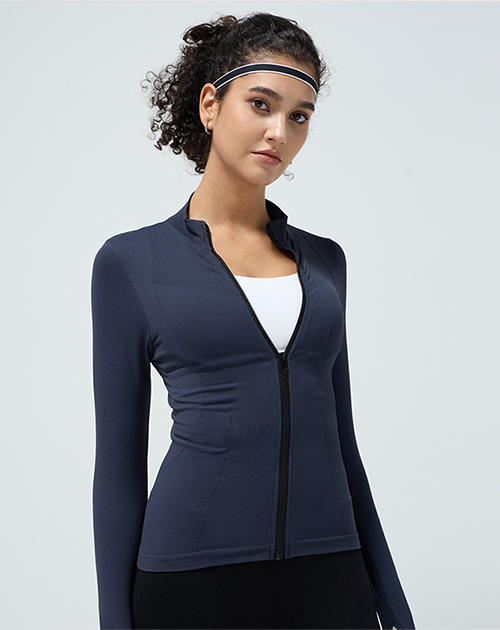
A Breathable Sports Top intended for evening activity needs more than an airy fabric. Reflective details, fit, moisture handling, seam construction, and fabric weight all contribute to how the garment performs during actual movement.
Balance can be considered through three basic questions:
Answering those questions together gives a clearer picture than focusing on one feature.
Comfort can change during an activity as well. A shirt may feel cool at the beginning, become warm after sustained movement, then feel damp during a slower period. Clothing that handles changing conditions can remain more practical throughout the session.
Regular washing gradually affects fabric and attached visibility elements. Friction during washing can wear surfaces, while unsuitable heat may affect synthetic fibers or reflective sections. Care instructions should therefore be followed rather than treating sports clothing like ordinary casual garments.
Drying also matters. Excessive heat can alter fabric shape, while leaving damp clothing in a closed space can create an unpleasant odor. Air drying in a suitable environment can help preserve fabric condition.
Reflective areas deserve a visual check after repeated use. Peeling edges, cracking surfaces, or loose sections indicate that visibility details may no longer sit as intended.
Seams should be checked as well, especially around shoulders, arm openings, and side areas where movement creates repeated stress. Early inspection can identify loose stitching before a small problem affects garment use.
A Quick Dry Sports Shirt can retain its moisture‑handling characteristics more effectively when fabric care remains consistent, while a Breathable Sports Top benefits from keeping ventilation areas clean and unobstructed.
For evening sportswear, comfort and visibility work together rather than serving separate purposes. Fabric structure controls airflow and moisture, fit supports movement, and reflective placement helps clothing remain noticeable under suitable lighting conditions. Care and regular inspection keep those features working together during repeated outdoor use.
Copyright © Jinhua Yongxing Knitting Co., Ltd.
 Seamless Yoga Sets


 English
 русский
 Español