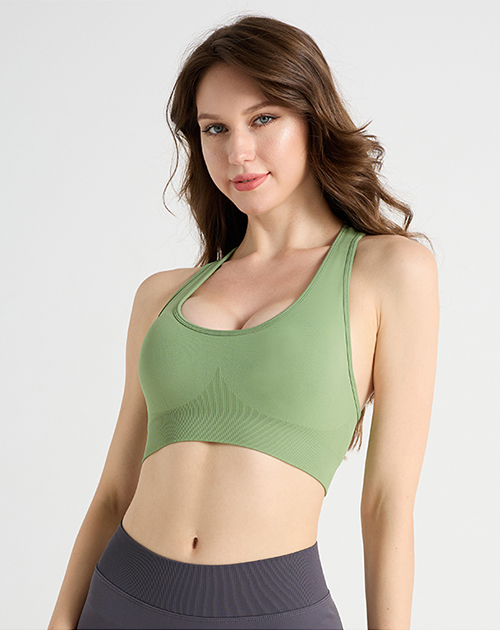
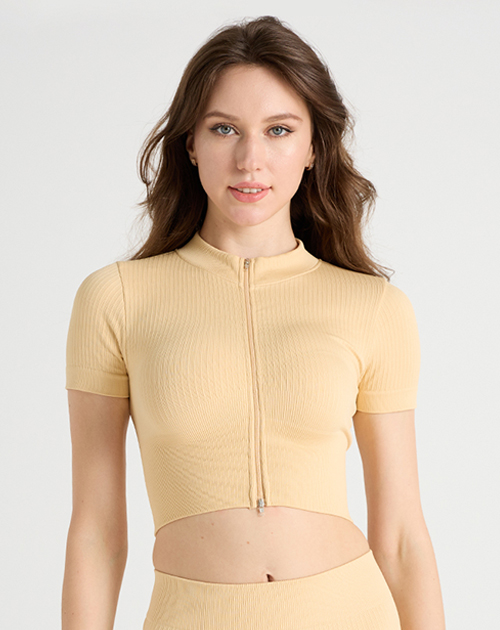
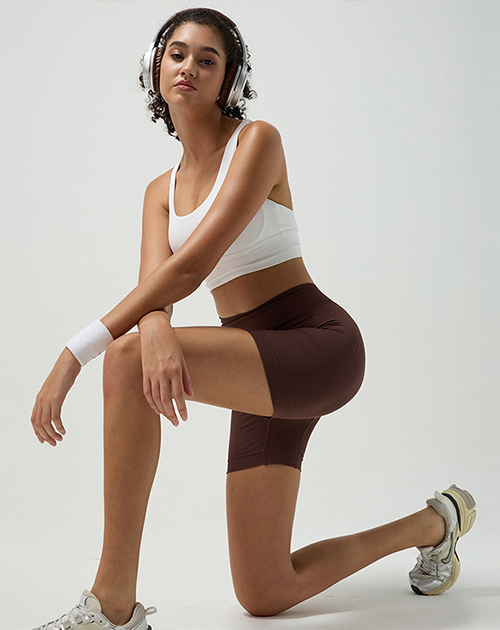
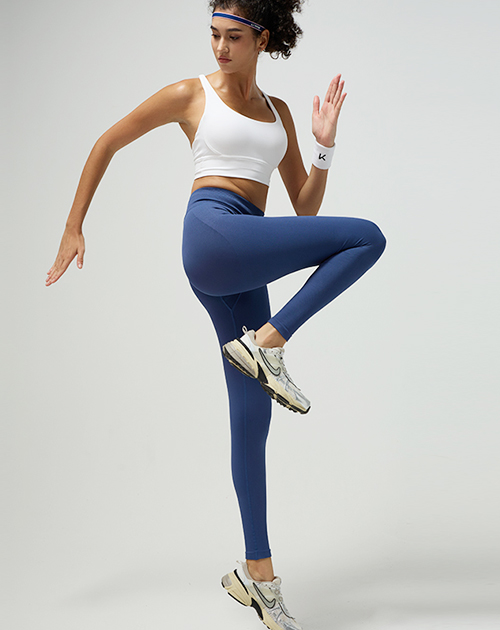
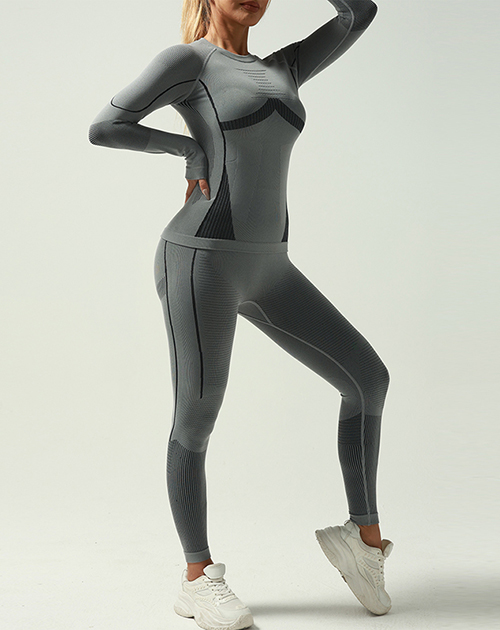
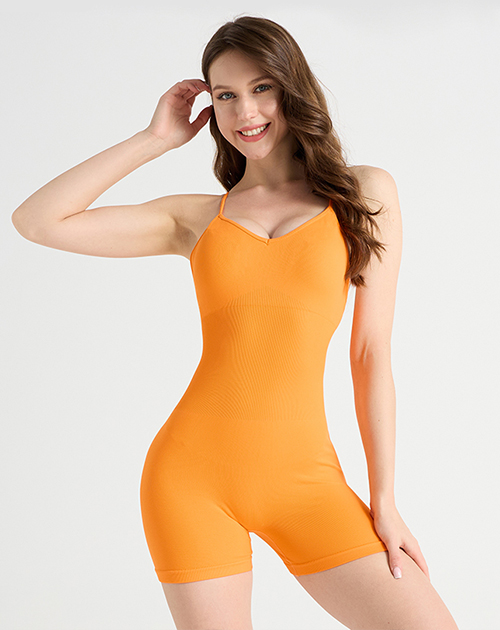
Chafing often starts with a small amount of rubbing between skin and fabric. During short periods of exercise, such contact may cause little discomfort. Longer training sessions create more repeated movement, so a minor source of friction can gradually become harder to ignore.
Thighs are particularly exposed because both legs move repeatedly during running, cycling, squatting, stretching, and other activities. Fabric can shift slightly with every movement, creating repeated contact around the inner thigh, lower hip, and nearby areas.
Moisture can change the feeling further. Sweat leaves skin damp, while fabric may remain close to the body for an extended period. A combination of movement, moisture, pressure, and repeated contact can make irritation more noticeable as training continues.
Clothing design therefore has a direct role in reducing unnecessary movement. A close‑fitting garment can stay nearer to the body's natural movement path, while a smoother construction can reduce rough contact points.
Several factors usually work together:
No single feature determines comfort during long training. Garment construction, fit, fabric surface, moisture handling, and edge design all contribute to how clothing behaves during movement.
Traditional garments often join separate fabric sections through stitched seams. A seam may create a raised area where fabric layers meet, and repeated movement can bring that area into contact with the skin.
A seamless structure approaches garment construction differently. With fewer conventional seams across high‑contact areas, there may be fewer raised lines rubbing against the body.
For Seamless Tight Shorts, reducing unnecessary seam placement can be especially relevant around the inner thigh. Legs move close together during many forms of training, so a bulky construction in that area may become noticeable after repeated movement.
Seamless construction does not mean every part of a garment has no structural joining. Waist areas, openings, and other sections still need to maintain shape and stability. The main difference lies in how fabric sections are formed and where joining points are placed.
A smoother contact surface can provide several practical benefits:
Fabric movement also matters. When a garment shifts less during exercise, skin is exposed to fewer repeated changes in contact position.
Fit affects how fabric follows the body. Loose clothing can move independently from the legs, while an overly tight garment may create pressure around the waist, thighs, or leg openings.
A suitable fit sits between those two conditions. Fabric should remain close enough to follow movement without creating unnecessary pressure.
During a squat, for example, fabric stretches around the thighs and hips. During running, both legs move forward and backward repeatedly. Cycling creates another movement pattern, with the thighs working through a narrower range while the body remains in a relatively fixed position.
A well‑planned garment needs to respond to such changes rather than remain shaped only for a standing position.
Poor fit can create several problems:
Fit also affects friction indirectly. When fabric moves together with the body, there may be less sliding between skin and clothing. Less sliding can help reduce repeated rubbing during long sessions.
Fabric texture has a direct relationship with how clothing feels against skin. A rough surface may become more noticeable when the same area repeatedly contacts the body during exercise.
A smooth surface tends to create a different sensation, especially around areas exposed to continuous movement. Surface construction also affects how sweat and moisture are held between fabric and skin.
Softness alone does not determine suitability. A garment also needs enough structure to remain stable during movement. Very flexible fabric may feel comfortable initially, yet excessive movement can create folds that increase contact in certain areas.
For training garments, designers therefore need to consider several properties together:
Surface Feel + Stretch + Recovery + Stability + Moisture Handling
A balanced combination allows fabric to move with the body while maintaining a relatively consistent contact surface.
Fabric thickness can also influence comfort. A bulky layer may increase pressure where skin and clothing meet, while a lighter construction may move differently during exercise. Production decisions need to account for the intended training activity rather than treating every sports garment in the same way.
Sweat changes the environment between skin and clothing. During long training, moisture can accumulate around areas where fabric remains close to the body, especially around the inner thighs and waist.
Wet skin may feel more sensitive to repeated rubbing. At the same time, damp fabric can change its weight, texture, and movement. Such changes may become more noticeable as exercise continues.
Moisture management therefore needs to work alongside garment construction. A smooth seam layout cannot fully solve discomfort caused by persistent moisture, while moisture‑handling fabric cannot compensate for poorly positioned seams or unstable fit.
Good clothing design considers both conditions together.
For longer training sessions, useful design considerations include:
Drying behavior also matters after exercise. A garment that remains wet for a long period may become less comfortable during later use or storage, so fabric selection and care instructions need to work together.
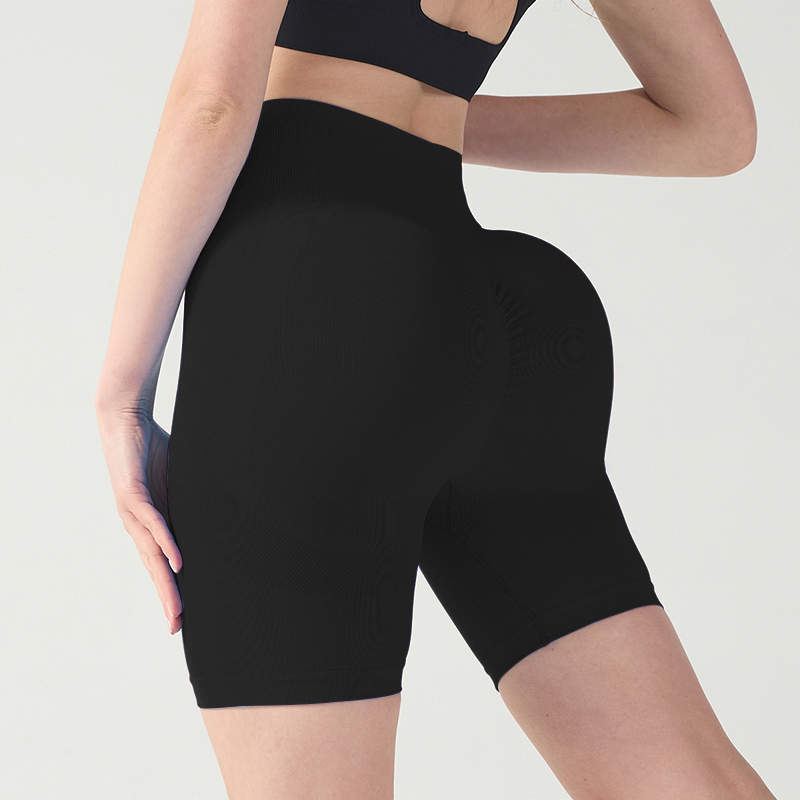
Waistbands and leg openings may look like small details, although both can influence comfort during long periods of movement.
A waistband needs to remain stable when the body bends, stretches, or changes position. Excess movement can cause repeated rubbing around the waist and upper hip. Excess pressure can create another form of discomfort.
Leg openings have a similar challenge. During running or squatting, fabric can gradually move upward when the opening does not remain stable against the thigh. Repeated adjustment may then become necessary, interrupting training and creating additional contact between fabric and skin.
Edge construction should therefore match the intended activity.
A suitable opening generally needs to:
Such details become more important as training duration increases. A small edge problem that seems insignificant during a short workout may become much more noticeable after repeated movement.
Movement changes constantly during training, so clothing needs to follow the body rather than move against it. Running brings repeated forward and backward leg action, while squats place more stretch around the hips and thighs. Cycling creates another pattern, with repeated leg rotation and a relatively fixed seated position.
A garment that works comfortably in one activity may behave differently during another. Placement of seams, fabric stretch, waistband stability, and leg opening design all influence how much adjustment occurs during exercise.
Seamless Tight Shorts can reduce some unnecessary contact by keeping construction smoother around areas that move frequently. Less bulk around the inner thigh can make repeated leg movement feel more natural, especially when both thighs move close together.
| Training Activity | Common Contact Area | Design Focus |
|---|---|---|
| Running | Inner thigh and waistband | Stable fit and smooth contact |
| Squatting | Hip and upper thigh | Flexible stretch |
| Cycling | Inner thigh and seat area | Low fabric movement |
| Stretching | Hip and leg opening | Even expansion |
| Mixed training | Several areas | Balanced fit and movement |
Stretch needs to work in more than one direction. During a deep squat, fabric expands around the hips and thighs, then needs to return toward its original shape when the body rises. During running, repeated leg movement creates another cycle of stretching and recovery.
Poor recovery can lead to fabric becoming loose in areas exposed to frequent movement. Loose material may gather against skin and create new friction points. A stable fit therefore depends not only on initial sizing, but also on how the garment behaves after repeated use.
Long‑term comfort depends partly on how clothing changes after repeated wear and washing. A garment may feel smooth when new, while frequent stretching, washing, drying, and folding can gradually affect its surface and shape.
High‑contact areas deserve particular attention. Inner thighs, waist sections, and leg openings experience repeated movement during training, so construction needs to remain stable around those locations.
Seam reduction does not remove the need for structural strength. Areas that hold the waistband, shape the legs, or connect different sections still need suitable construction.
Several signs can indicate that a garment has changed:
Care practices also influence garment condition. Excessive heat, unsuitable washing methods, or rough handling may affect elasticity and surface feel. Clear care guidance can therefore support longer use without relying on complicated maintenance.
Durability should also be considered from a production perspective. A design intended for repeated training needs testing across movement, washing, stretching, and drying conditions rather than checking appearance alone.
A Fitness Shorts Supplier needs to consider chafing from a production perspective rather than treating it as a single fabric issue. Garment structure, pattern shape, edge treatment, fabric behavior, and finishing all influence how clothing feels during movement.
Pattern development plays an important role. A flat pattern may look suitable when laid on a table, yet body movement changes the shape considerably. Testing on moving bodies can reveal folds, pressure points, and areas where fabric shifts unexpectedly.
Seam placement also deserves careful review. Removing seams without considering garment stability can create other problems, so construction needs to balance smooth contact with structural support.
Production checks can focus on several areas:
A Fitness Shorts Supplier may also need to consider the intended training environment. Running apparel, cycling apparel, and general gym clothing can have different movement requirements, even when all use a similar close‑fitting form.
Quality checks become more meaningful when they reflect actual use. Looking only at finished appearance may miss problems that become visible after repeated movement.
Laboratory or production checks can provide useful information, although actual movement often reveals details that are difficult to see from a stationary inspection.
A garment may remain smooth while standing, then form a fold when the wearer bends the legs. A waistband may appear stable during walking and shift during repeated squats. Such changes show why movement‑based assessment matters.
Testing can include several simple actions:
During each movement, attention can remain on fabric shifting, edge movement, pressure, and skin contact. Testing does not need to focus only on appearance. Comfort‑related observations can provide useful information for later pattern adjustment.
Repeated movement also helps identify whether a garment remains stable after stretching. A design that performs well during one movement may need further adjustment when several activities are combined.
Frequent clothing adjustment can interrupt training and may also create repeated rubbing. Pulling a leg opening back into position, moving a waistband, or smoothing gathered fabric all indicate that clothing has moved away from its intended position.
A close‑fitting design can reduce such movement when sizing, stretch, and edge construction work together. Seamless construction can support the same goal by reducing bulky joining areas around frequent contact zones.
Comfort therefore comes from several small design decisions rather than one isolated feature.
A useful design relationship can be viewed as:
Stable Fit → Less Fabric Movement → Fewer Repeated Contact Changes → Lower Friction
The sequence does not mean discomfort can always be prevented. Body shape, training intensity, moisture, weather, and personal sensitivity vary between users. Garment design can reduce avoidable sources of rubbing while leaving room for individual differences.
Chafing remains closely connected with ordinary garment construction. As training routines include longer sessions and varied movements, designers need to consider how fabric behaves throughout an activity rather than focusing only on how clothing looks before exercise begins.
Smooth construction, suitable stretch, moisture handling, stable waistbands, and controlled leg openings can work together to create a more consistent wearing experience.
Future development can therefore focus on practical questions:
Such questions keep design work connected to real training conditions.
For manufacturers and suppliers, reducing chafing is not simply a matter of removing seams. A useful result comes from coordinating construction, fit, fabric surface, moisture behavior, and movement. When those elements are considered together, clothing can remain closer to the body's movement pattern and reduce unnecessary rubbing during extended exercise.
Fitness Shorts Supplier production decisions can therefore influence comfort well beyond the cutting and sewing stage. Pattern development, material selection, edge construction, movement testing, and quality checks all contribute to how a finished garment behaves during repeated training.
Copyright © Jinhua Yongxing Knitting Co., Ltd.
 Seamless Yoga Sets


 English
 русский
 Español