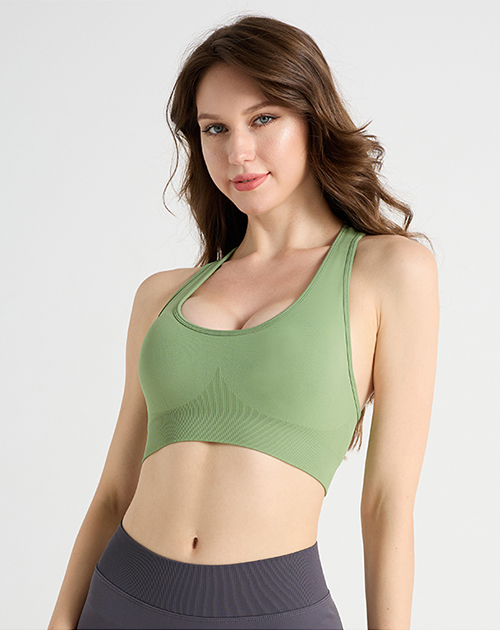
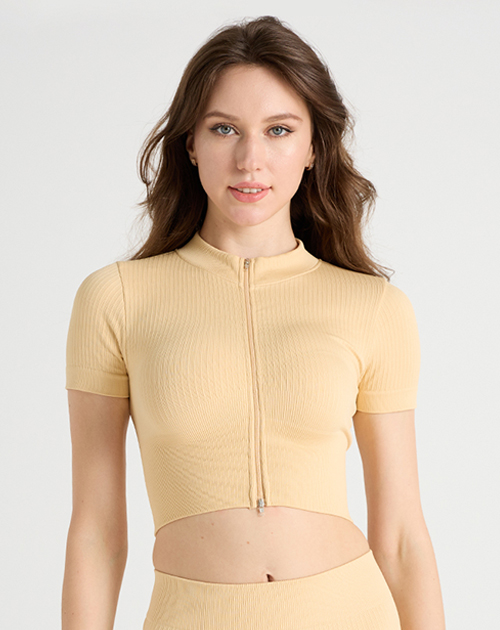
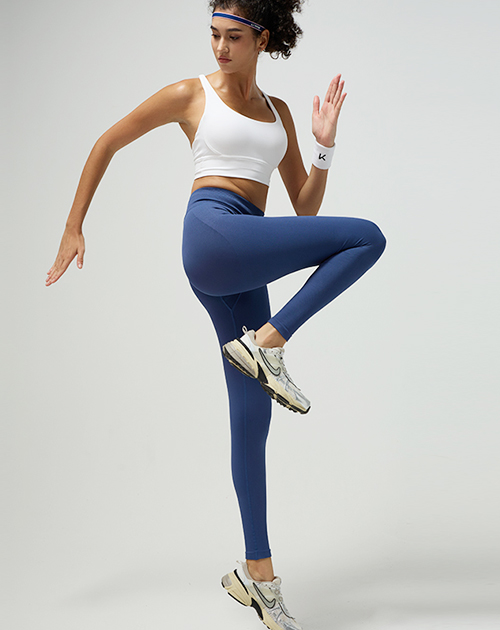
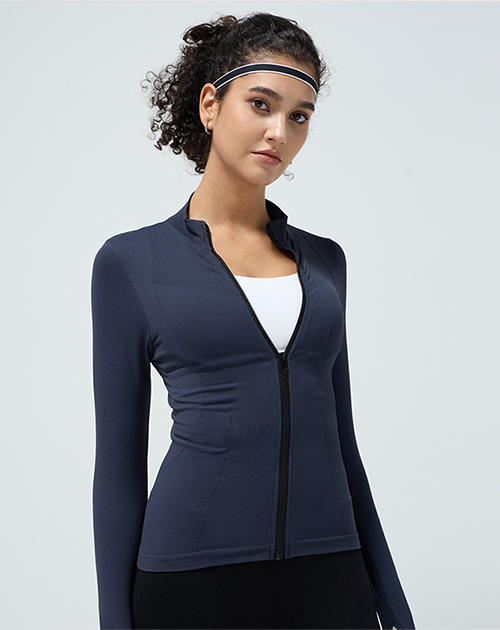
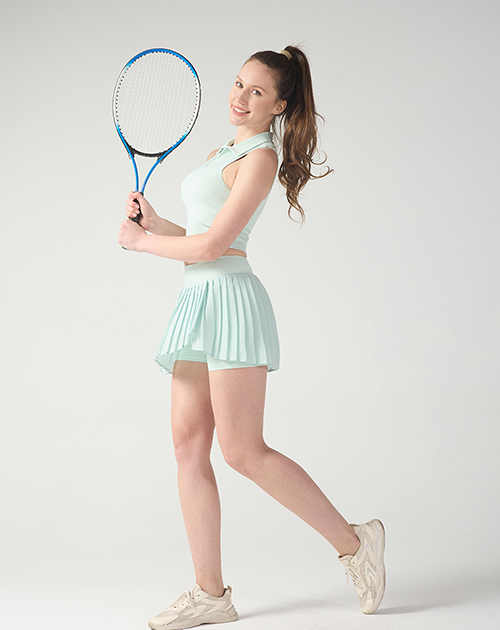
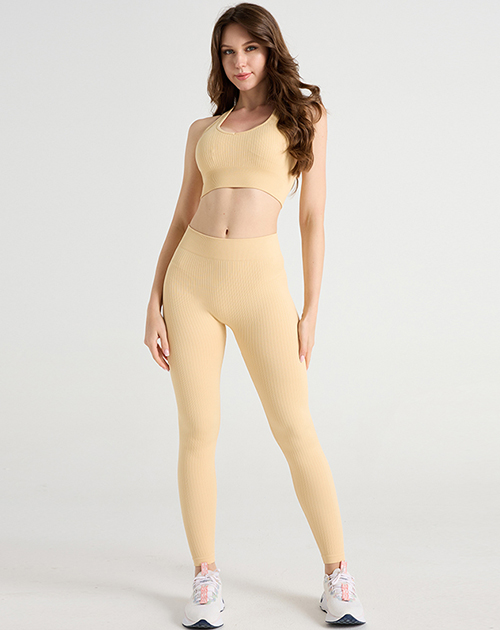
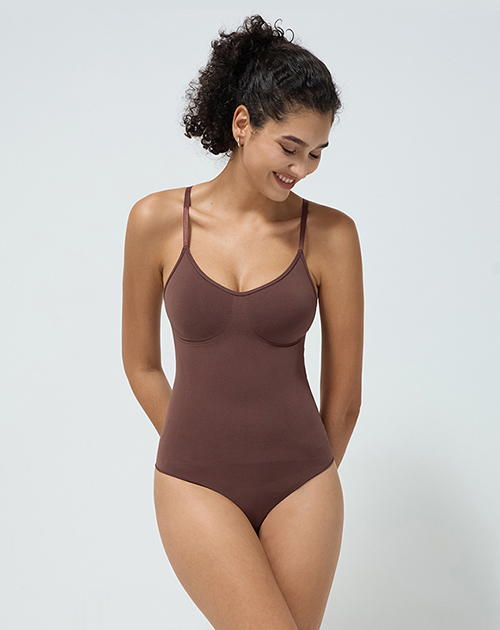
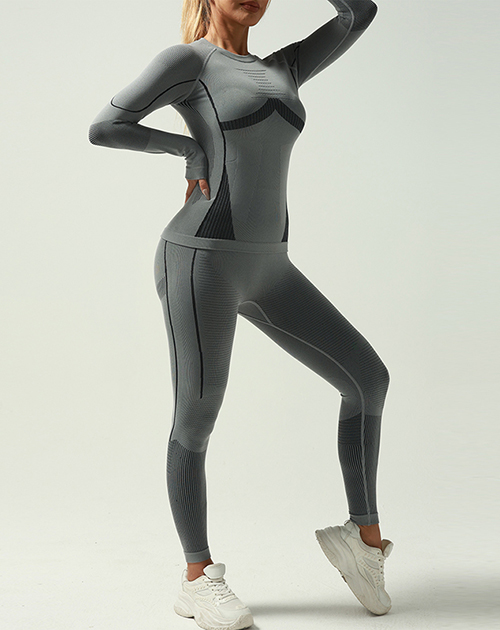
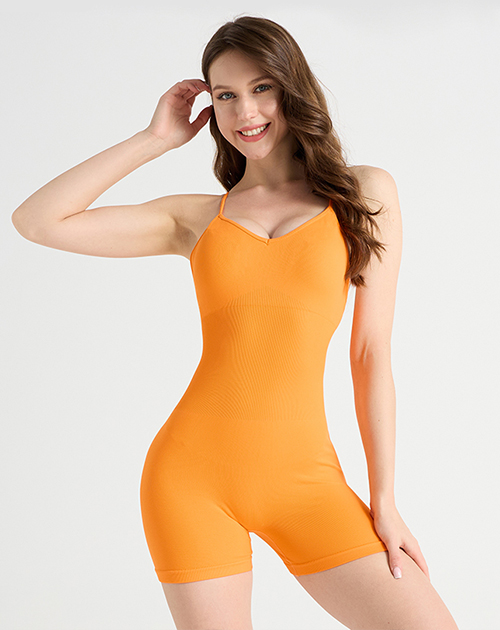
During exercise, clothing has to deal with a steady change in moisture. Skin becomes warm, perspiration reaches the fabric, and movement creates contact between the garment and the body. A material that handles moisture well can make clothing feel different from ordinary casual wear.
A Quick Dry Sports Shirt often uses synthetic fibers because many synthetic materials can move moisture across the fabric surface rather than holding large amounts of liquid inside the fiber. Once moisture reaches the outer surface, surrounding air can help it evaporate.
Cotton behaves differently. Cotton fibers readily absorb water, which can make a wet garment feel heavier and remain damp for longer. Such behavior is not necessarily a problem for everyday clothing. Activewear, however, has different requirements because sweating and repeated movement happen at the same time.
Synthetic fiber selection also gives fabric makers room to adjust yarn arrangement, thickness, surface texture, and stretch. Material choice therefore works together with fabric construction rather than acting as a single feature.
Cotton has a familiar soft feel and can absorb moisture readily. Once sweat enters the fiber structure, fabric may hold that moisture for some time.
During light activity, such behavior may be acceptable. A short walk or relaxed movement may not create enough perspiration to make damp fabric uncomfortable. More active exercise can create a different experience.
As moisture accumulates, several changes may occur:
Cotton absorbs rather than simply moving moisture along its surface. Absorption can be useful for some types of clothing, although sportswear often needs moisture to leave the skin area and reach a surface where evaporation can occur.
Cotton blends can change that behavior. Mixing fibers allows manufacturers to combine different fabric characteristics, creating garments that sit between traditional cotton clothing and synthetic activewear.
Synthetic fibers used in sportswear are often selected for their interaction with moisture. Rather than relying mainly on absorption, fabric construction can encourage liquid to spread through small spaces between yarns and across the outer surface.
A useful way to picture the process is to think about a wet spot on fabric. When moisture stays concentrated in one place, evaporation can be slower. When moisture spreads across a wider area, more fabric surface becomes available for contact with moving air.
Fiber shape, yarn arrangement, fabric texture, and finishing can all affect that movement.
Polyester and nylon are commonly used in activewear because their moisture behavior differs from cotton. Neither fiber automatically creates quick-drying clothing on its own. Garment design still matters.
For practical use, moisture movement involves several stages:
Airflow plays an important role throughout the process. A fabric can move moisture effectively while remaining slow to dry in a humid, still environment.
Sweating is part of normal body temperature control during exercise. Clothing becomes part of that process because fabric sits close to the skin and receives perspiration continuously.
A damp shirt can change how movement feels. Wet fabric may cling to the body, rub against skin, or create a heavier sensation as moisture accumulates.
Drying speed also matters during activities with repeated movement. Running, cycling, gym training, and outdoor exercise can produce changing levels of sweat, so clothing needs to handle moisture over an extended period of activity.
Several environmental conditions influence drying:
A lightweight fabric in moving air may dry relatively quickly, while a similar material in humid and still surroundings can remain damp for longer.
Quick drying therefore should not be viewed as a property that exists independently of the environment. Fabric design creates the conditions for moisture movement, while air and temperature influence evaporation.
A sports shirt can use synthetic fiber while still behaving differently from another garment made from a similar material. Fabric structure has a major role in shaping moisture movement.
Yarn arrangement affects how much open space exists inside the fabric. Surface texture can influence how moisture spreads. Fabric weight affects how much material must dry after becoming wet.
Fit also changes the experience. A loose garment allows more air to move around the body, while close-fitting clothing maintains more contact with the skin. Both approaches can work for different activities.
Quick-drying design usually combines several elements rather than relying on fiber choice alone.
| Fabric Feature | Effect on Moisture Behavior |
|---|---|
| Fiber type | Influences how moisture interacts with fabric |
| Yarn arrangement | Affects movement through fabric spaces |
| Surface texture | Can influence moisture spreading |
| Fabric weight | Changes how much material needs to dry |
| Garment fit | Affects skin contact and airflow |
| Fabric thickness | Influences moisture retention and evaporation |
Such factors help explain why two shirts with similar fiber content may produce noticeably different drying behavior during use.
Cotton and synthetic fibers serve different material needs. Cotton is valued for its natural feel and moisture absorption, making it common in everyday clothing.
Synthetic fibers are often chosen when moisture needs to move through a garment rather than remain concentrated within it. Such behavior can suit activewear where sweating is expected.
A simple comparison shows the basic difference:
Cotton
Synthetic sports fibers
Neither material is suitable for every situation. Casual clothing, training clothing, outdoor wear, and lounge clothing can have different priorities.
Material choice should therefore follow the intended use rather than a general assumption that one fiber works for every garment.
Fiber provides the basic material behavior, while fabric structure determines how individual fibers work together. A shirt made from moisture-friendly fiber can still dry slowly when fabric is dense, heavy, or poorly ventilated.
Knitting methods can create spaces that allow air and moisture to move through fabric. A more open structure may support airflow, while a denser structure can provide a different feel and level of coverage.
Surface area matters as well. Moisture spread across a larger fabric area has more contact with surrounding air, giving evaporation more opportunity to occur.
For that reason, quick-drying clothing involves a chain of material decisions:
Each stage can affect what happens after sweat reaches the shirt. A change at one stage may alter how quickly moisture moves through the finished garment.
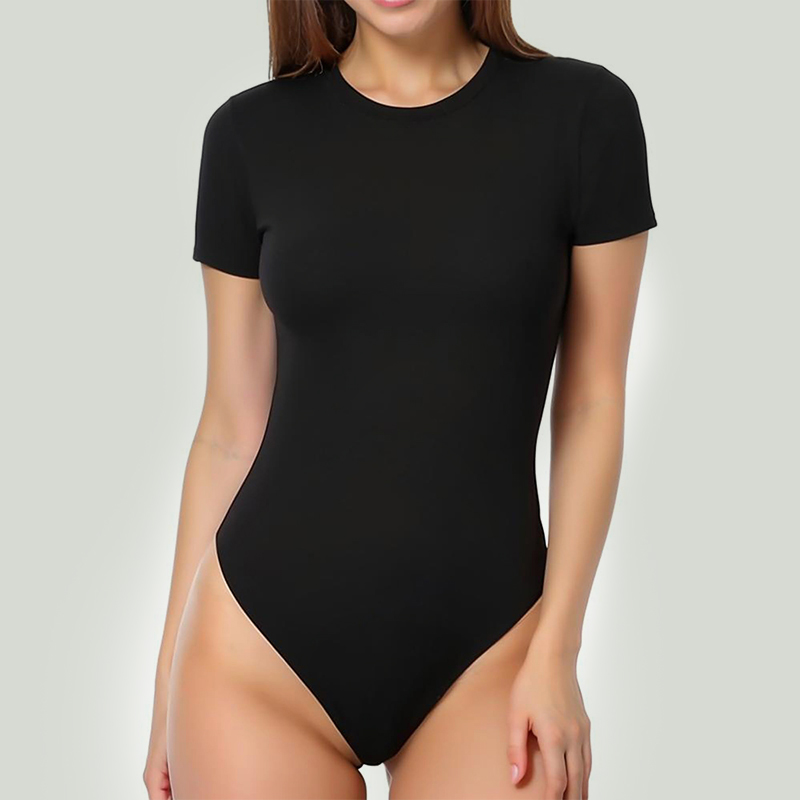
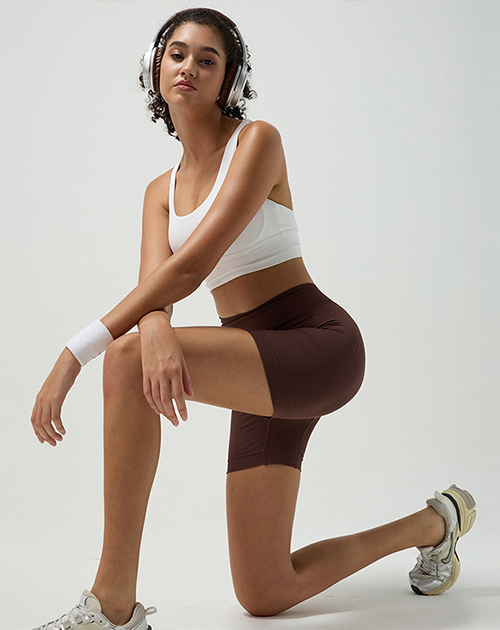
Moisture management is not limited to upper-body clothing. Quick Dry Yoga Shorts face similar conditions during stretching, training, cycling, and other forms of physical activity.
Shorts remain in contact with areas where perspiration can build during movement. Fabric needs to handle moisture while allowing the wearer to bend, stretch, and change position.
Synthetic fibers can support that requirement through a combination of moisture movement and stretch. Fabric structure also influences how quickly damp areas spread and dry.
Fit becomes especially important for shorts. Excess fabric can affect movement, while very close contact can increase the amount of moisture held against the skin. A balanced construction can allow movement while giving moisture a path toward the outer surface.
Quick-drying behavior in shorts therefore follows the same general principle as shirts: fiber choice matters, while fabric construction and garment design determine how that material performs during actual use.
Fiber choice affects moisture handling, although drying also depends on the surrounding environment. Humid air slows evaporation, while moving air can help damp fabric release moisture more easily.
Fabric weight matters as well. A light structure has less moisture to release, while heavier fabric can stay damp for longer. Garment fit also changes airflow. Loose clothing allows more air around the body, whereas close-fitting sportswear stays near the skin.
Exercise intensity creates another difference. Gentle stretching may produce limited sweat, while running or extended training can leave larger areas of fabric damp.
Practical factors include:
Quick drying therefore depends on material, fabric construction, and the conditions around the wearer.
Cotton still suits light exercise and casual sportswear where rapid moisture release is not a major concern. Soft hand feel and familiar comfort remain useful for everyday clothing.
During heavier activity, absorbed moisture can make cotton feel heavier and slower to dry. A cotton blend can provide another option by combining cotton with synthetic fibers.
Fabric structure also changes moisture behavior. Yarn arrangement, thickness, and surface texture can influence how quickly damp areas release moisture.
Material choice should match the activity rather than follow a simple rule. A shirt for casual walking does not need the same moisture handling as clothing used during long training sessions.
Fiber content alone cannot determine drying behavior. Yarn arrangement, fabric thickness, surface texture, and garment construction also play important roles.
A Quick Dry Sports Shirt may use a moisture-friendly fiber together with a structure that encourages airflow. Surface design can help spread sweat, while garment panels may improve ventilation around warm areas.
For Quick Dry Yoga Shorts, stretch and moisture handling need to work together. Fabric must follow body movement while allowing damp areas to release moisture during exercise.
Similar fibers can therefore produce different results when fabric structures differ.
Sweat concentrated in one area can leave a damp feeling against skin. Spreading moisture across a wider fabric surface gives surrounding air more contact with the liquid.
Fabric structure can create pathways for moisture to move across or through the material. Evaporation still depends on humidity, airflow, and temperature.
A useful way to view the process is:
Fabric supports moisture movement rather than removing sweat on its own.
Activity should guide fabric selection. Running, cycling, stretching, and casual exercise create different moisture and movement conditions.
Consider several points before choosing a garment:
A close-fitting garment may support movement, while a looser design can allow more air circulation. Neither approach suits every situation.
Care habits can influence how sportswear handles moisture. Detergent residue, body oils, and fabric softener buildup may change surface behavior over time.
Following garment care instructions helps maintain fabric condition. Excessive heat can also affect some synthetic materials.
After exercise, allowing damp clothing to dry rather than leaving it in a closed space can reduce lingering moisture.
Simple habits include:
Synthetic fibers are widely used in activewear because their structure can support moisture movement, stretch, and lightweight fabric construction.
Polyester and nylon can be formed into fabrics that spread moisture toward the outer surface. Fabric makers can also adjust yarn arrangement and surface texture according to the intended use.
Cotton remains suitable for situations where softness and moisture absorption are useful. Synthetic fibers become practical when drying behavior and repeated movement receive greater attention.
A Quick Dry Sports Shirt therefore depends on more than fiber selection. Yarn structure, fabric design, garment fit, airflow, and activity all influence how clothing behaves during exercise.
Similar considerations apply to Quick Dry Yoga Shorts, where moisture handling needs to work alongside flexibility and movement.
Fiber choice matters, although drying also depends on the surroundings and garment design. Humid air slows evaporation, while moving air helps moisture leave the fabric. A thin shirt may dry sooner than a heavier one because less material holds moisture.
Fit also changes how clothing feels during exercise. Loose fabric allows more air around the body, while close-fitting sportswear stays nearer to the skin. Activity level has an effect as well, since light stretching creates different moisture conditions from running or longer training.
A practical view of quick-drying clothing includes several factors:
No single factor controls drying on its own. Material and surroundings work together during use.
Cotton remains suitable for casual exercise and activities where sweating is limited. Softness and familiar hand feel make it useful for everyday clothing.
During heavier exercise, absorbed moisture may stay in cotton fibers for longer. A damp shirt can then feel heavier and remain close to the skin.
Blended fabrics offer another option. Cotton can be combined with synthetic fibers to change moisture behavior while retaining some of cottons natural feel.
For sportswear, fabric choice should follow the activity rather than a fixed preference. Running, stretching, outdoor exercise, and relaxed movement create different clothing needs.
Fiber content does not tell the whole story. Yarn arrangement, fabric thickness, surface texture, and garment fit also affect moisture movement.
A Quick Dry Sports Shirt may use a fabric structure that gives moisture a path toward the outer surface. Airflow can then support evaporation.
Garment construction also affects movement. Shoulder areas, side sections, and lower parts of a shirt may experience different levels of stretching and body contact.
Similar considerations apply to Quick Dry Yoga Shorts. Stretch supports bending and changing positions, while fabric structure helps manage moisture during movement.
Two garments made from similar fibers can therefore behave differently when their construction varies.
Sweat concentrated in one area can create a damp feeling against skin. Spreading moisture across a wider fabric surface gives surrounding air more opportunity to support evaporation.
Fabric structure can help guide moisture through spaces between yarns. Once moisture reaches a broader outer surface, drying can become easier under suitable conditions.
Humidity and airflow still matter. A moisture-friendly fabric cannot dry quickly when surrounding air is already damp and still.
Activity type should guide fabric selection. A shirt used for relaxed stretching may not need the same moisture handling as clothing worn during running or longer training.
Useful questions include:
Such questions connect material choice with actual use rather than focusing only on fiber names.
Care can influence how sportswear behaves over repeated use. Detergent residue, body oils, and fabric softener buildup may change how moisture interacts with a fabric surface.
Following care instructions helps preserve fabric structure. Excessive heat may affect some synthetic materials, while storing clothing while damp can leave unwanted odors.
Simple habits include:
Proper care supports consistent fabric behavior without changing its basic material properties.
Synthetic fibers are widely used in activewear because fabric makers can adjust their structure for moisture movement, stretch, airflow, and weight.
Polyester and nylon, for example, can be formed into fabrics that spread moisture across a surface rather than holding large amounts inside the fiber. Such construction suits clothing used during regular exercise.
Cotton remains useful where softness and moisture absorption fit the activity. Synthetic fibers become practical where drying behavior and repeated movement require greater attention.
A Quick Dry Sports Shirt therefore depends on more than fiber selection. Yarn arrangement, fabric structure, garment fit, and surrounding conditions all influence how clothing handles sweat.
Quick Dry Yoga Shorts follow a similar principle, with added attention to stretch and movement.
Sportswear development increasingly considers several fabric properties together. Moisture movement, airflow, stretch, weight, surface feel, and care requirements can all influence garment design.
Rather than relying only on fiber composition, fabric construction has become an important part of how activewear handles sweat during movement.
Synthetic fibers remain common because they allow different approaches to moisture management and flexible garment construction. Cotton continues to have a role in casual and lighter activities where absorption and softness suit the intended use.
Copyright © Jinhua Yongxing Knitting Co., Ltd.
 Seamless Yoga Sets


 English
 русский
 Español