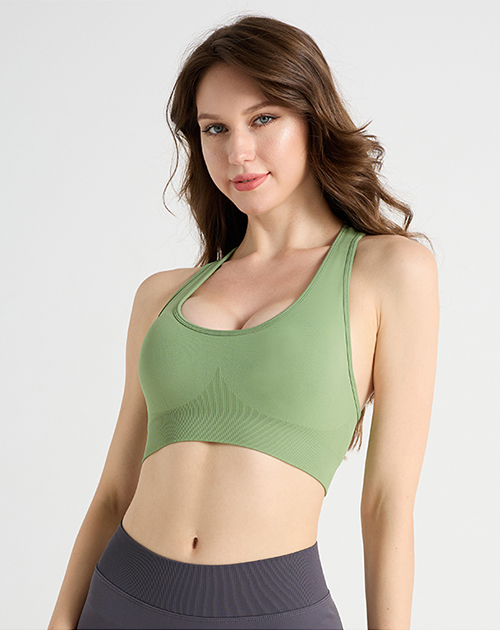
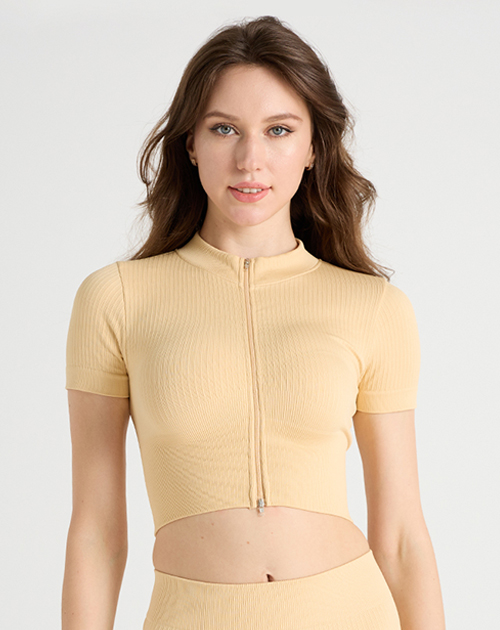
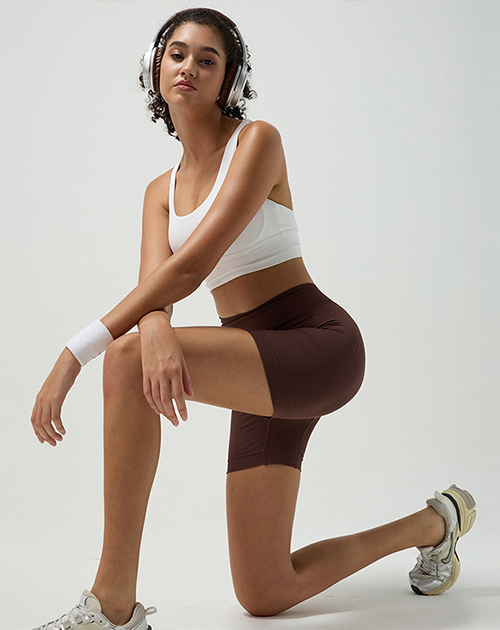
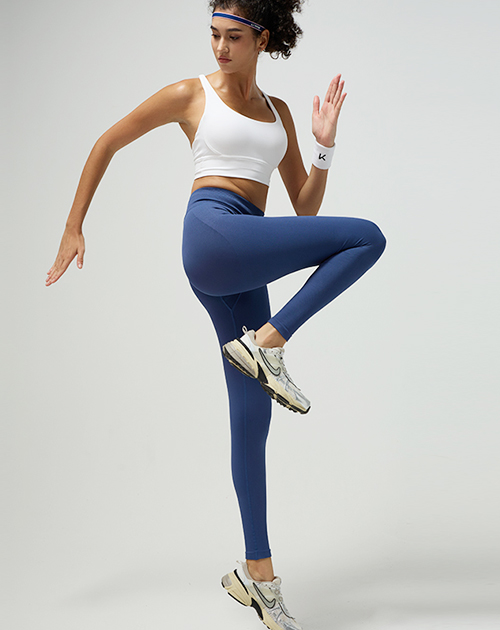
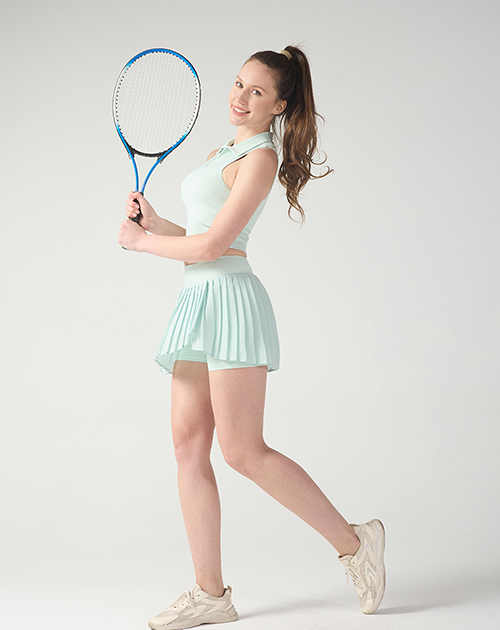
A skirt made for tennis has to deal with movement in a way that an everyday skirt does not. Running across a court, changing direction, bending down and reaching for a ball can place repeated demands on fabric and garment structure.
An Activewear Tennis Skirt is therefore shaped around movement, comfort and practical coverage. A casual skirt usually has a different purpose, with greater attention given to appearance, everyday matching and ease of wear during ordinary activities.
Visual style can make both garments look similar. A short pleated skirt, for example, may appear suitable for either sportswear or casual clothing. Construction underneath the surface often reveals a clearer difference.
For sports use, designers generally need to consider:
Daily clothing does not face the same combination of demands. Walking, sitting, shopping or commuting still require comfort, although movement tends to be less sudden and less repetitive.
Purpose therefore influences design from the beginning, affecting fabric selection, garment shape, inner layers and finishing details.
Tennis involves repeated changes in body position. A player may move sideways, stop quickly, lower the body or extend a leg while keeping the upper body balanced. A skirt designed for such use needs enough space for movement without becoming difficult to control.
Skirt width plays a role here. A narrow shape can restrict leg movement, while a wider structure allows more room as the body changes position. Pleats can provide additional movement space without requiring a loose overall silhouette.
Waist construction also matters. During running and bending, clothing can shift from its original position. A suitable waistband helps keep the garment in place while allowing the waist and hips to move naturally.
Casual skirts can use a wider range of structures because everyday movement is usually less demanding. A firm waistband, narrow opening or heavier fabric may be comfortable during normal activities while feeling restrictive during active play.
Garment shape therefore needs to match the intended movement pattern rather than simply the visual style.
Fabric influences how a skirt feels during movement. Stretch, airflow, moisture handling and fabric weight can all change the way clothing behaves during exercise.
Sportswear generally needs fabric that can move with the body. A rigid material may pull around the hips or thighs when a wearer bends or takes a long step. Flexible fabric allows greater movement without creating as much tension across the garment.
Moisture is another consideration. Physical activity can produce heat and perspiration, so fabric that allows air movement can contribute to a more comfortable wearing experience. A heavy material may behave differently once moisture is absorbed, particularly during repeated movement.
Casual skirts have broader fabric options. Structured materials can work well when shape and appearance are more important than repeated athletic movement. Soft fabrics may also be selected for daily comfort without needing to handle rapid changes in body position.
| Design Area | Tennis Skirt | Casual Skirt |
|---|---|---|
| Fabric movement | Flexible during active movement | Depends on daily use |
| Moisture needs | Considered during exercise | Usually linked to ordinary wear |
| Weight | Often kept manageable for movement | Wider range of fabric weights |
| Structure | Built around body movement | Built around style and comfort |
Fabric selection consequently affects more than touch. It changes how the skirt responds when the wearer runs, bends, sits or changes direction.
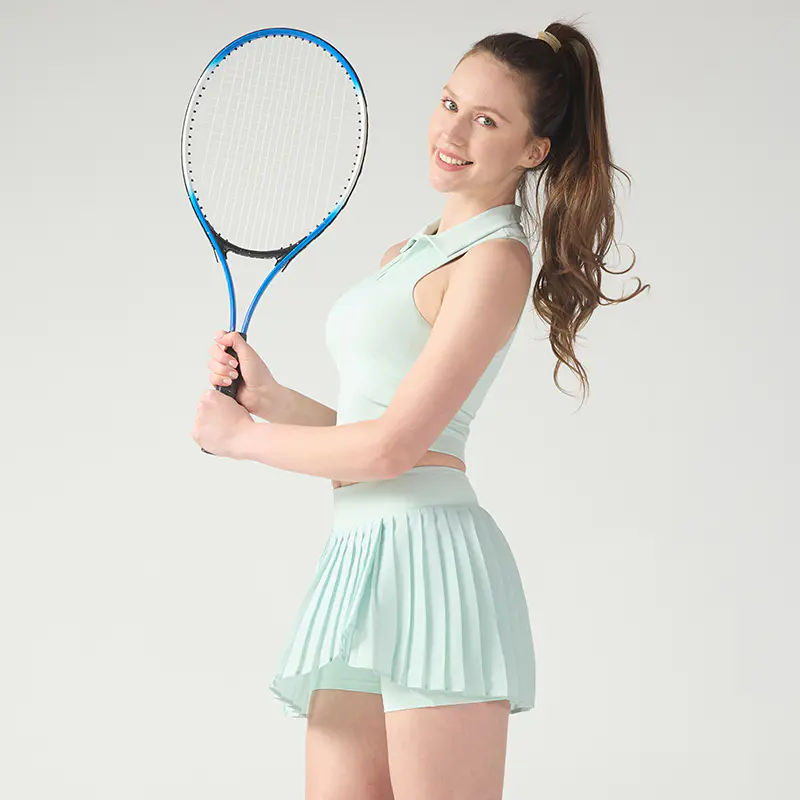
One noticeable difference between sports skirts and many casual skirts is the inner short layer. During tennis, players frequently bend, stretch and move across the court, making coverage an important part of garment design.
Built-in shorts remain under the outer skirt during movement. Such construction allows the wearer to move without having to manage a separate garment layer.
The inner section can also support comfort during quick movements. When a player reaches sideways or lowers into a ready position, the outer skirt may shift naturally. An inner layer helps maintain coverage while allowing the legs to move freely.
Casual skirts may include lining for comfort, shape or opacity, although lining does not necessarily provide the same function as an inner short. A casual garment can rely on a different construction because daily activities place different demands on coverage.
For manufacturers, joining the outer skirt and inner layer also creates additional production considerations. Waist seams, leg openings and fabric stretch need to work together so that one part does not restrict another.
A waistband has a simple appearance, yet its construction can strongly influence how a garment behaves during exercise. Running and repeated bending can cause clothing to move, especially when the fabric and waist structure do not work well together.
An elastic waist can provide flexibility while helping the skirt remain positioned around the body. A structured waistband may provide a different wearing feel and can suit garments intended for ordinary use.
Comfort depends on balance. Excessive pressure around the waist can become noticeable during extended activity, while insufficient support may allow the garment to shift during movement.
For a Fitness Sports Suit, waistband design can vary according to the type of exercise. Activities involving running, stretching or repeated body movement generally require clothing that follows the body rather than resisting it.
Tennis skirts sit within that wider sportswear category, although court movement creates its own requirements. A suitable waistband needs to accommodate repeated motion without becoming a distraction during play.
Pockets may look like a small design detail, yet their position can influence how a sports skirt behaves during movement. Tennis players may need a convenient place for small items or balls, so storage needs to remain accessible without interfering with running or bending.
A pocket placed too close to an active part of the leg can create unwanted movement. Extra fabric may shift during a quick change of direction, while a poorly positioned opening can make access inconvenient during play.
Casual skirts have different storage needs. A pocket may be designed around everyday items such as keys, cards or a phone, with less concern about movement across a court. Pocket depth, opening direction and placement can therefore follow ordinary walking and sitting patterns.
For sports garments, designers often consider several points together:
Pocket construction also affects production. Additional seams and layers need to be joined without creating bulky areas that could become noticeable during movement.
Skirt length has a direct relationship with movement and appearance. A shorter garment can leave more room around the legs, while a longer shape may provide greater coverage during ordinary wear.
Shape matters as well. Pleated, A-line and straighter designs can behave differently when the wearer moves. Pleats may open during a wide step and return toward their original position afterward, while a straighter shape may follow the body more closely.
For tennis use, movement around the thighs and hips deserves particular attention. A skirt that looks comfortable while standing may feel different once the wearer begins running or bending.
Casual skirts have more freedom in this area because the design can focus on appearance, matching and everyday comfort. A narrow silhouette can work for walking or sitting even when it would not provide the same freedom during active exercise.
Length and shape also influence how a garment interacts with its inner layer. When built-in shorts are present, the outer skirt needs enough space to move naturally over them without creating unnecessary friction or bunching.
Exercise changes the conditions around the body. Physical movement creates heat, while perspiration can make clothing feel heavier or less comfortable when fabric does not release moisture easily.
Sports clothing therefore needs to consider airflow and fabric behavior during continued activity. A material that feels comfortable while standing may feel different after extended movement, especially around areas where fabric remains close to the skin.
An Activewear Tennis Skirt can use lightweight and flexible materials to support movement, while its inner layer may require a slightly different construction. Both parts need to work together so that moisture does not make the garment feel restrictive.
Casual skirts usually face less intense heat and moisture during ordinary activities. Fabric selection can consequently place greater attention on texture, appearance and seasonal use.
Ventilation also depends on garment structure. Loose areas can allow greater air movement, while close-fitting sections may retain more warmth. Designers need to balance coverage with freedom of movement rather than treating airflow as a separate feature.
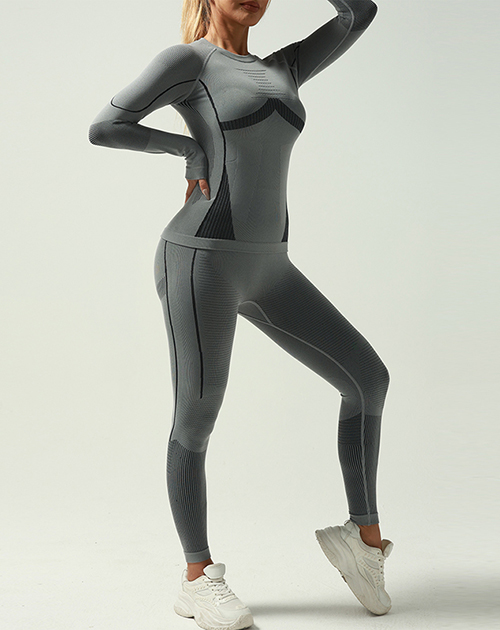
A Fitness Sports Suit is designed for a broader range of exercise activities. Training, stretching, gym sessions and general fitness can involve different movement patterns, so clothing may need to adapt to several forms of exercise.
Tennis clothing has a more specific movement environment. Sideways movement, quick stops, repeated bending and reaching can influence skirt length, inner coverage and pocket placement.
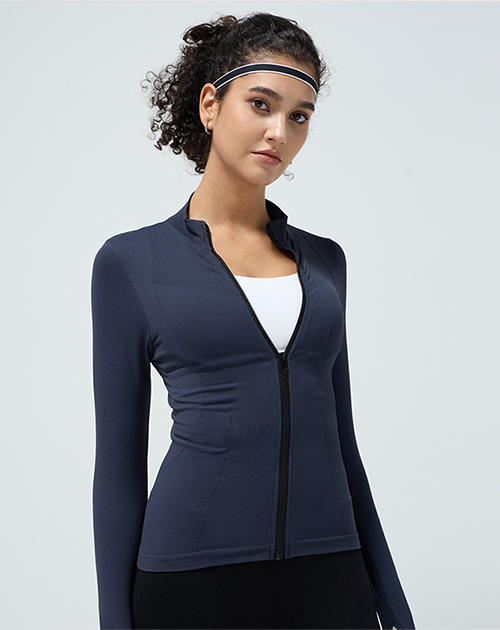
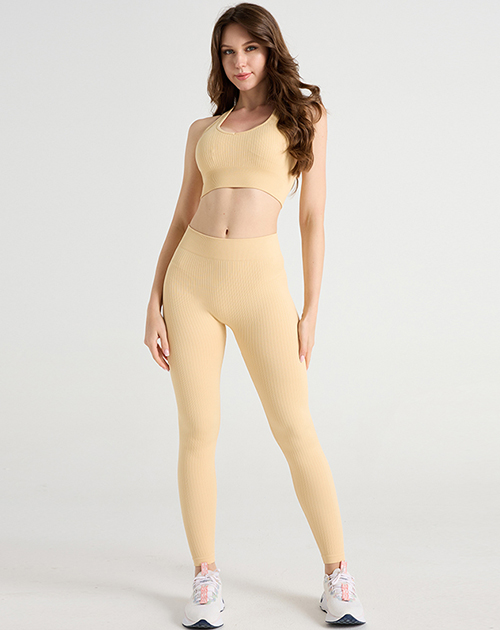
A sports suit may combine a top and bottom as one coordinated outfit, while a tennis skirt normally functions as a separate lower garment. Such a difference affects how the clothing handles body movement and layering.
| Clothing Type | Main Use | Design Consideration |
|---|---|---|
| Tennis skirt | Court movement | Leg freedom and coverage |
| Fitness sports suit | General exercise | Flexible movement across activities |
| Casual skirt | Everyday wear | Comfort and appearance |
| Sports skirt with inner shorts | Active use | Movement and coverage |
Overlap between categories is common. A person may wear a tennis skirt for walking or light exercise, while a general sports garment may be used for casual activities.
Even with similar fabrics and shapes, intended use still influences construction choices. Sportswear needs to perform through movement, while casual clothing can place greater emphasis on styling and daily convenience.
Garment performance depends partly on how separate components are cut and joined. Fabric selection alone cannot determine how a finished skirt behaves.
Waist construction, outer skirt panels, inner shorts and pockets need to work as one structure. Uneven seams can affect comfort, while excessive material around the inner layer may restrict movement.
Cutting also influences how fabric stretches. A panel positioned in a suitable direction can move more naturally with the body, while an unsuitable arrangement may create tension during bending or stepping.
Production checks can focus on several practical areas:
Testing through simple body movements can reveal issues that are difficult to identify while a garment is lying flat. Walking, bending and stretching provide different information about fit and construction.
For manufacturers working with sports clothing, production planning therefore needs to connect fabric properties with garment structure. A well-selected material may still feel uncomfortable when combined with unsuitable seams or restricted panel shapes.
Visual appearance can make the two categories difficult to separate. Pleats, short lengths, simple waistbands and light fabrics can appear in both sports and casual clothing.
Function becomes easier to identify through construction details. An inner short, flexible waistband, movement-friendly fabric and strategically placed pockets suggest a garment designed around active use.
Casual clothing may use similar visual elements for style rather than movement. A pleated skirt can create a particular shape, while a sports skirt may use pleats to provide additional space when the wearer moves.
Fabric can also provide clues. A structured casual material may hold its shape during walking, while a flexible sports fabric can respond more easily to repeated movement.
Looking at a garment only from the outside can therefore give an incomplete picture. Inner construction, seam placement and fabric response often reveal how the clothing was designed to function.
Sports clothing is no longer limited to a single activity. A skirt designed around tennis movement can also suit walking, casual outings or light exercise, provided its construction fits the situation.
Such crossover has encouraged designers to consider both active movement and everyday appearance. A garment may retain an inner short and flexible waist while using a shape that works with ordinary clothing.
Fitness Sports Suit designs can also move in the other direction, with flexible materials and practical structures becoming familiar in daily clothing.
Still, intended use remains relevant. Clothing designed for court movement may provide features that are unnecessary for casual wear, while a casual skirt may lack the inner coverage or movement allowance expected during exercise.
For manufacturers, the changing boundary creates a need to balance appearance, comfort and practical function. Fabric, cut, inner construction and finishing details all contribute to how a garment performs across different settings.
An Activewear Tennis Skirt therefore differs from a casual skirt through a combination of small structural decisions rather than a single visible feature. Movement, coverage, fabric behavior, waist construction, storage and production methods work together to define how each type of garment is used.
Copyright © Jinhua Yongxing Knitting Co., Ltd.
 Seamless Yoga Sets


 English
 русский
 Español