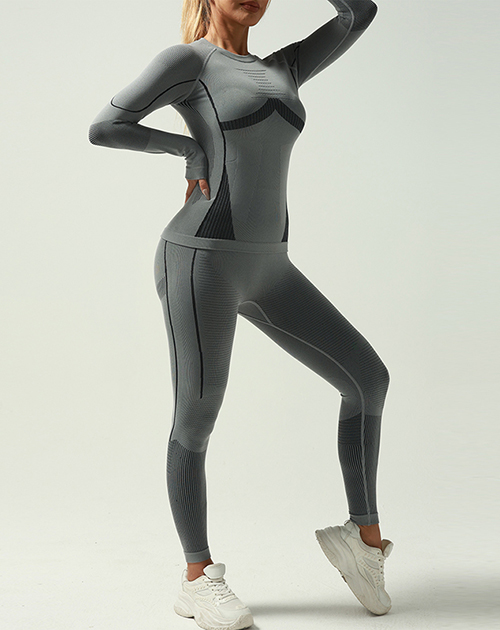
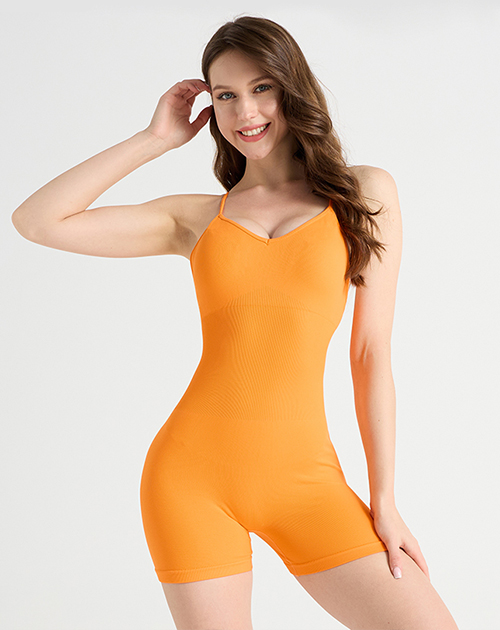
Clothing does more than cover the body while you're working out — it shapes how heat escapes, how comfortable you feel, and how freely you can actually move. The layer sitting right against your skin drives all three of those things at once.
When muscles work hard, the body heats up, and that extra warmth has to go somewhere. Clothing that traps heat close to the skin forces the body to work harder just to stay cool, while clothing that lets heat escape supports what the body's already trying to do naturally. Usually this becomes obvious within the first few minutes of any real workout.
Moisture complicates things further. Sweating is the body's cooling mechanism, but sweat only cools you down once it evaporates. Fabric that traps sweat against the skin slows that evaporation and blunts the cooling effect — leaving you damp, uncomfortable, and running hotter than you should be. The workout itself starts feeling harder than it actually is.
Regular cotton t‑shirts do a fine job for everyday life. They're comfortable, cheap, and everywhere. But they weren't built with exercise in mind — athletic fabrics were developed specifically for that purpose. Understanding the gap between the two means looking closely at how each material actually behaves once the body starts working.
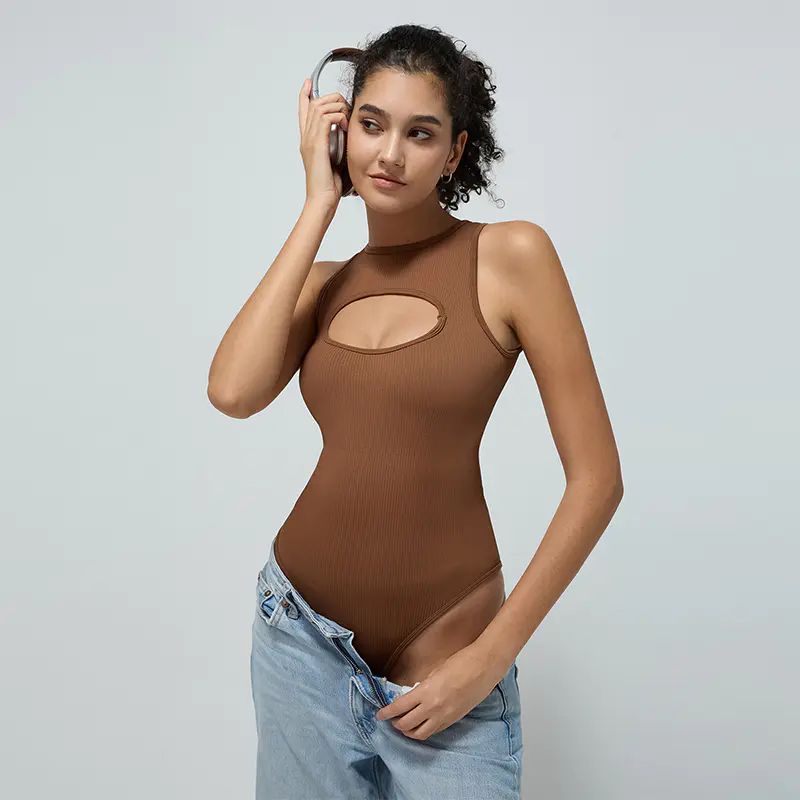
Breathability comes down to how easily air and moisture pass through a fabric's structure. A breathable material lets air flow through it, carrying heat and moisture away from the body as it goes — and the fabric's underlying structure is really what determines how well that happens.
Every fabric is built from fibers arranged in some kind of pattern, and the gaps between those fibers are where air movement actually happens. Fiber type, gap size, and how the fabric is woven or knitted all shape airflow together. Some materials let air move through freely; others block it almost entirely.
Moisture travels through fabric in two distinct ways — either through the gaps between fibers, or along the fibers themselves. Breathable fabrics are designed to encourage that second path, pulling moisture from the skin toward the outer surface where it can actually evaporate.
A handful of things determine how breathable a given fabric ends up being:
Without that breathability, moisture just sits against the skin and builds up. The fabric turns wet and heavy, air can't reach the skin to help with evaporation, and the body's whole cooling system loses its effectiveness — leaving the wearer stuck feeling hot and sticky.
Cotton comes from plants, and its fibers feel soft and comfortable against skin — which is exactly why cotton t‑shirts sit in nearly everyone's closet. People reach for them out of comfort and familiarity more than anything else.
The trouble starts with how readily cotton fibers absorb water. They soak up a lot of moisture, and when the body starts sweating, cotton pulls that sweat in quickly. The fabric gets wet, and that moisture stays trapped in the fibers rather than moving away from the skin the way you'd want.
Wet cotton actually affects skin temperature in a specific, sometimes surprising way. As sweat evaporates off the fabric's surface, it cools the material — and that cooling transfers straight to the skin underneath. In cool weather, a wet cotton shirt can chill you down fast. In hot weather, that same wet fabric just stays heavy and uncomfortable instead.
Cotton changes character once it gets damp, too. It clings to the skin, loses its soft feel entirely, and the water it's absorbed adds real weight that drags the fabric down. You feel both the dampness and the added heaviness with every step or swing — a combination that makes physical activity noticeably less pleasant than it needs to be.
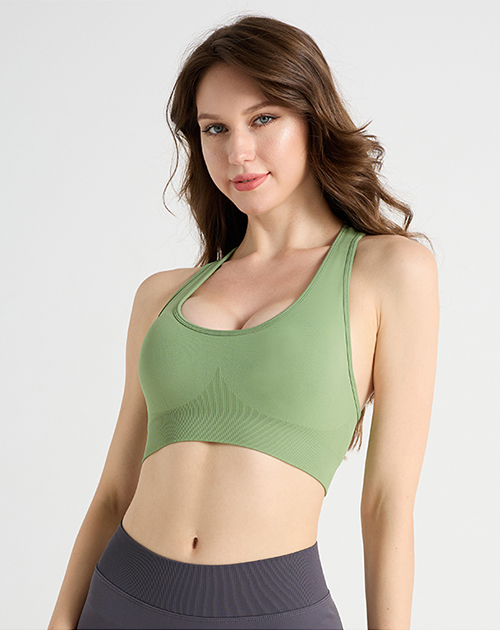
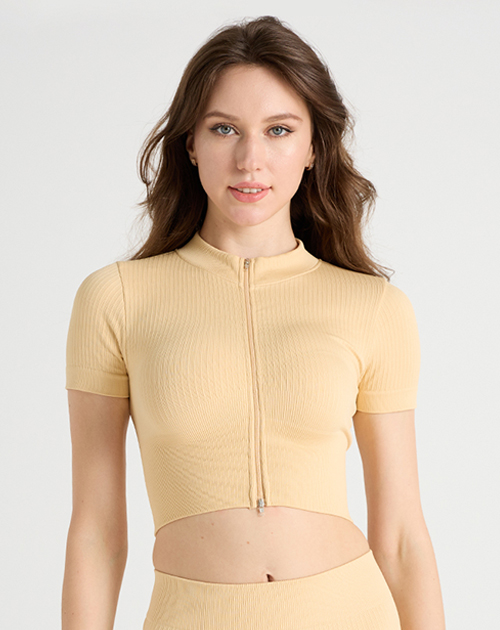
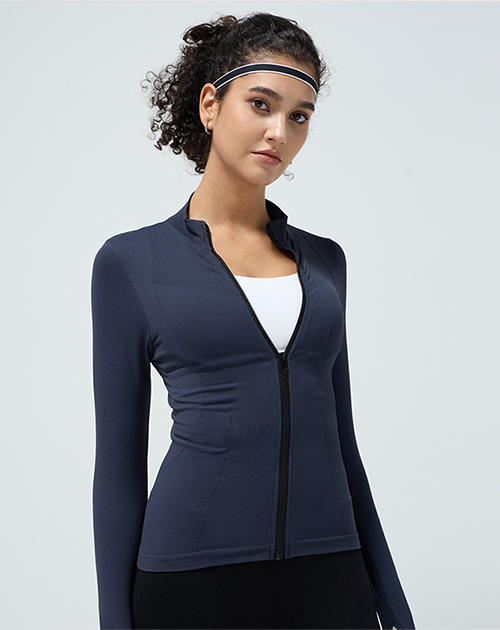
A Breathable Sports Top sets itself apart from everyday clothing through several deliberate design choices, all working together to manage moisture and temperature while you're moving.
The fibers behind most activewear are synthetic — polyester and nylon show up constantly. These materials simply don't absorb much water to begin with, so they don't hold moisture against the skin the way cotton does. Instead, water spreads across the fiber surfaces and evaporates from there.
Construction plays a real role too. Plenty of activewear knits use specific patterns that carve out space for air and moisture to move through, and the resulting fabric tends to run lighter and more open than a typical cotton knit — choices that support airflow directly rather than as an afterthought.
A few features tend to show up consistently in sports tops built for breathability:
Moisture management is really just a term for how a fabric handles sweat — moving it away from the skin, spreading it out, and letting it evaporate. Different materials go about that process quite differently.
Cotton absorbs sweat straight into its own structure, and that moisture just stays there. Evaporation happens slowly from fibers that are already saturated, so the wearer stays damp for longer than they'd like. Because cotton doesn't actively push moisture to the surface, skin ends up staying in direct contact with wet material the whole time.
Activewear fabrics work almost the opposite way — they don't absorb moisture into their structure at all. Instead, sweat gets pushed out to the fabric's outer surface, spreads across it, and evaporates relatively quickly. Skin stays drier throughout, simply because the moisture keeps moving away from the body instead of sitting against it.
| Property | Regular Cotton T‑Shirt | Breathable Sports Top |
|---|---|---|
| Moisture absorption | High, soaks into fibers | Low, stays on surface |
| Evaporation speed | Slow, moisture held inside | Fast, spread across surface |
| Skin feel during activity | Wet and clinging | Relatively dry |
| Weight when wet | Heavy, holds absorbed water | Light, does not retain water |
| Temperature effect | Can become cold when wet | Stays closer to body temperature |
Fabric that holds moisture against the skin tends to cause chafing and general discomfort over time. Fabric that actively moves moisture away keeps that comfort intact for much longer — and the longer the activity stretches on, the more that difference tends to show.
Fabric weight has a real impact on how clothing feels once you're actually moving. Heavy fabric drags downward with every motion, while light fabric moves along with the body instead of fighting it — and that difference becomes especially noticeable during activities involving repeated motion, like running or cycling.
Cotton t‑shirts get heavier as they get wet, since the moisture they absorb just adds onto the fabric's base weight. A shirt that feels perfectly light when dry can turn noticeably heavier once it's saturated with sweat, and that added weight ends up dragging on the shoulders and torso throughout the activity.
Activewear fabrics — including what you'll find in a Quick Dry Sports Shirt — hold their weight steady even when damp. Because the fibers themselves don't absorb water, the fabric simply doesn't gain weight from sweat the way cotton does. It stays light through the whole session, whether it's five minutes in or fifty.
Thickness matters here too, separate from weight. Thicker fabrics resist bending and stretching, while thinner, more flexible materials follow the body's movement without pushing back. A Breathable Sports Top leans on lighter materials specifically so movement stays unrestricted — letting the wearer reach, bend, and stretch without the fabric getting in the way.
Drying time is essentially a measure of how long a garment stays wet, and for cotton, that stretch of time can run considerably long. Moisture absorbed deep into saturated fibers takes a while to evaporate, which means the wearer often stays wet for a significant chunk of the activity rather than just the beginning.
A quick‑drying garment tells a different story. Moisture spreads out across the fabric's surface where it meets more air, and that increased surface area speeds evaporation up considerably. The fabric ends up drying while the activity is still happening, rather than staying soaked the entire time — so the wet stage passes fairly quickly instead of lingering.
Moisture that sticks around on the skin creates problems that go beyond simple discomfort, too. Wet skin becomes more prone to friction, and wet fabric rubbing against it causes irritation that can develop into rashes over time. The longer that moisture hangs around, the more likely those problems actually show up.
For anything extended — running, cycling, hiking — drying time turns from a minor detail into a genuine practical concern. A garment that dries fast supports comfort across the entire duration of the activity, while one that stays wet just becomes a problem that keeps compounding the longer things go on.
Odor in clothing traces back to bacteria, not sweat itself — sweat on its own doesn't actually smell. Bacteria living on the skin break down components in sweat and produce the odors people associate with a hard workout, and fabric type plays a real role in how much of that odor develops.
Cotton fibers happen to create a pretty comfortable environment for bacteria. They hold moisture and warmth right against the skin, conditions bacteria thrive in, letting them multiply fairly quickly. More time wet generally means more odor by the end of a session.
Synthetic fabrics carry bacteria too, but under different conditions. A Quick Dry Sports Shirt doesn't retain moisture nearly as long, which leaves bacteria with less to work with. As the fabric dries out quickly, that window for bacterial growth shrinks considerably.
Not every synthetic fabric handles this the same way, though. Some activewear includes specific treatments designed to reduce bacterial growth directly, while others simply lean on their quick‑drying properties to limit odor passively. Either way, the fabric tends to stay cleaner overall because it's not holding onto moisture for extended periods.
A few odor‑related patterns tend to hold true between the two fabric types:
Cotton and synthetic activewear fabrics age quite differently under real use. Laundering, sweat exposure, and everyday mechanical wear all affect each material in distinct ways over time.
Cotton fibers weaken both from moisture and from friction, and repeated washing gradually breaks down that fiber structure further. The fabric thins out, loses its shape, and eventually develops holes — becoming less comfortable and less effective well before most people expect it to.
Synthetic fibers used in activewear tend to hold up considerably better by comparison. They resist the effects of moisture, don't weaken from perspiration the way cotton does, and recover their shape more reliably after stretching. A Breathable Sports Top will often genuinely outlast a cotton t‑shirt under comparable use.
Body oils and sunscreen interact with synthetic fabrics differently than they do with cotton, too. Some activewear materials can trap those oils over time, which means they sometimes need more specific cleaning care — though staying on top of regular laundering generally keeps the fabric performing well regardless.
Durability also connects directly to the activity itself. Cotton holds up fine for low‑impact use but shows wear considerably faster under high‑movement sports, where the constant stress of running, climbing, and stretching works against the fabric relentlessly. Synthetics simply handle that kind of stress better across the board.
Different activities place very different demands on clothing. High‑intensity exercise generates more sweat and more repetitive movement, while low‑intensity or casual activities barely stress the fabric at all.
For anything involving sustained effort and real sweating, a Breathable Sports Top makes practical sense. It handles moisture effectively, stays light even when wet, dries quickly, and keeps the wearer comfortable across the whole session rather than just the first few minutes.
For casual or low‑intensity activity, cotton can hold up perfectly fine. A short walk on a cool day, some light stretching, brief activity that doesn't work up much of a sweat — cotton's limitations barely register under those conditions.
Environmental factors matter too. Hot, humid weather makes moisture management considerably more important, while cold weather raises the risk of chilling once fabric gets wet. A Quick Dry Sports Shirt addresses both situations at once, simply by keeping moisture moving away from the skin rather than letting it sit.
A few things worth weighing when picking fabric for a given activity:
Ultimately, the right fabric just needs to match what the activity actually demands. An everyday cotton t‑shirt does its job well for everyday tasks, while a Breathable Sports Top earns its place once the body starts genuinely working.
Copyright © Jinhua Yongxing Knitting Co., Ltd.
 Seamless Yoga Sets


 English
 русский
 Español