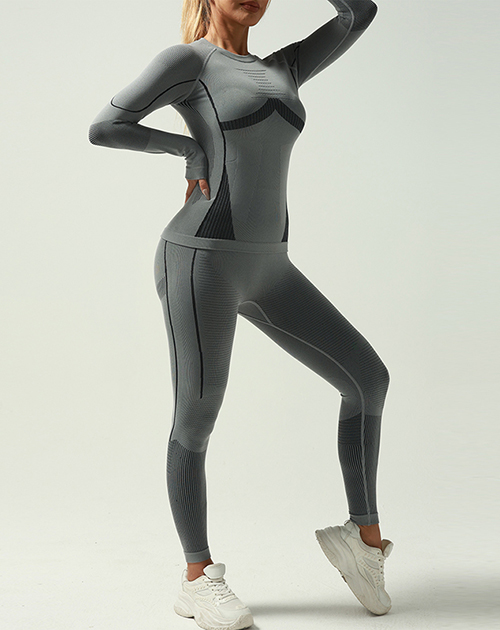
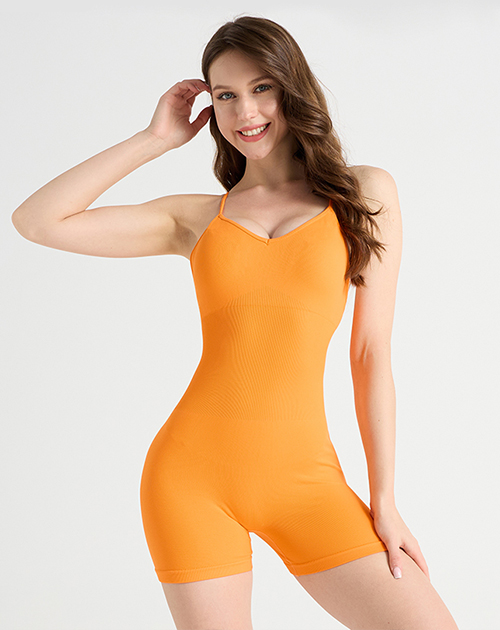
Exercise changes the way clothing behaves. Fabric that feels comfortable while sitting at home may feel completely different after several minutes of movement. As body temperature rises, sweat begins to spread across the skin, and clothing stays in constant contact with the body. Once moisture builds up, comfort often changes as well.
Many people pay attention to shoes before starting a workout, while clothing receives less consideration. In reality, garments also influence the overall experience. Heavy fabric can hold moisture for a long time. Poor airflow may create a warm and sticky feeling. Clothing that stretches poorly may interrupt natural movement.
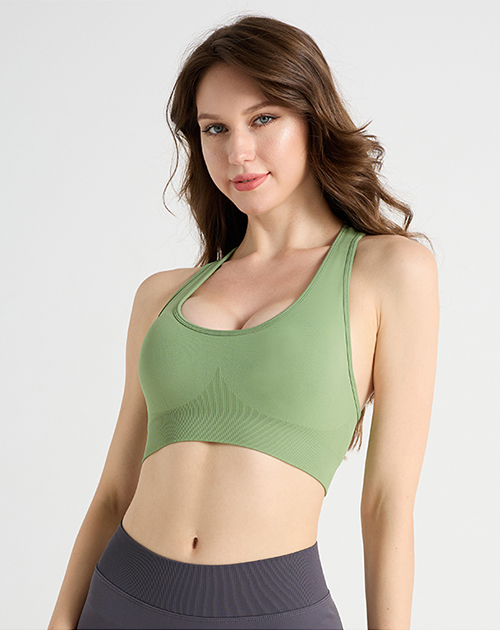
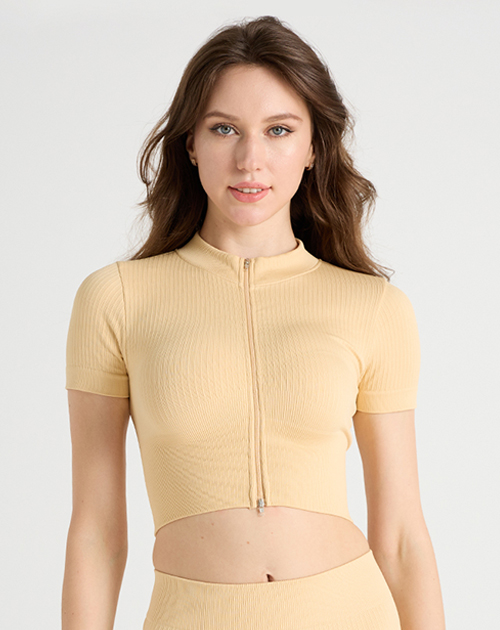
A Quick Dry Sports Shirt is designed with daily exercise in mind. Rather than simply covering the body, it helps deal with moisture created during movement while allowing air to circulate through the fabric. Drying speed is only one part of its role. Breathability, flexibility and wearing comfort all work together.
Several conditions often appear during exercise.
A garment that adapts to those changes usually feels more comfortable from beginning to end. Comfort is not created by one feature alone. Fabric, construction and fit all contribute to the final wearing experience.
Another reason functional sportswear receives more attention today is the variety of exercise habits. Some people enjoy morning walks, others spend time stretching indoors, while many combine several activities throughout the week. Clothing that performs reasonably well in different situations becomes a practical choice for everyday use.
Sweat is a natural response during physical activity. Moisture helps regulate body temperature, although clothing reacts differently once perspiration begins to increase.
Fabric that absorbs large amounts of moisture often feels heavier over time. Damp material may cling to the skin, making movement feel less natural. During rest periods, wet clothing can also create a cool feeling as body temperature gradually returns to normal.
Moisture management follows a different approach. Instead of allowing sweat to remain in one place, fabric encourages moisture to spread across a wider surface where it can dry more easily.
Daily exercise may feel different when clothing remains relatively dry.
Environmental conditions also influence the experience. Indoor training often limits natural airflow, while outdoor exercise may involve sunshine, wind or changing temperatures. Clothing that handles moisture efficiently adapts more easily across different surroundings.
Comfort rarely depends on dramatic changes. Small improvements often become noticeable after a workout continues for a longer period. Moisture management belongs to that category. It works quietly in the background, although its effect becomes easier to notice once perspiration increases.
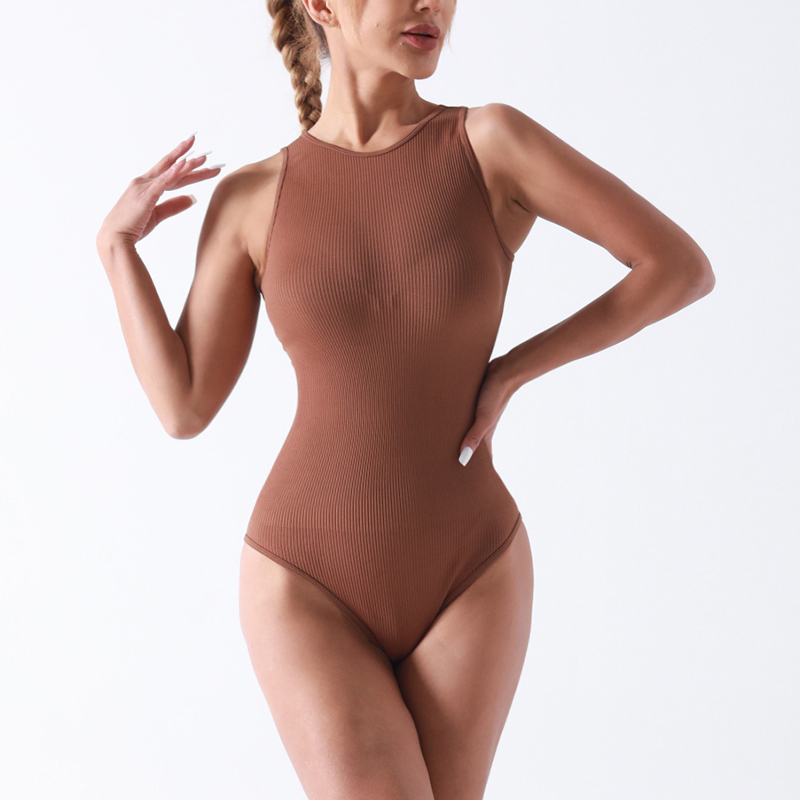
Sportswear is built from many small details instead of one special function. Fabric, sewing methods and garment shape each contribute to how clothing performs during movement.
| Design Feature | Purpose | Daily Benefit |
|---|---|---|
| Breathable fabric | Allows air to move through clothing | Helps reduce heat buildup |
| Lightweight construction | Reduces unnecessary weight | Makes movement feel easier |
| Stretchable material | Follows body movement | Supports bending and stretching |
| Smooth seam design | Reduces rubbing | Improves wearing comfort |
Breathability works together with moisture movement. Air passing through fabric supports evaporation and helps clothing feel fresher during activity.
Flexibility is equally important. Running, stretching, lifting or simple walking all require clothing that moves naturally with the body. Fabric that feels stiff may interrupt smooth movement even during light exercise.
Construction details also deserve attention. Seams placed in areas with frequent movement may create friction after extended wear. A smoother construction often improves comfort without changing the appearance of the garment.
Weight influences wearing experience as well. Lighter clothing generally feels less noticeable during exercise, allowing attention to remain on movement rather than on adjusting the garment.
Rather than relying on one feature, practical sportswear combines several simple design ideas into a balanced whole.
Fabric remains the foundation of sports clothing. Every movement, every stretch and every drop of perspiration interacts with the material long before other design details become noticeable.
Different fabrics respond differently during exercise. Some retain moisture for a longer period. Others move moisture away more easily while allowing air to circulate through the material. Texture also changes how clothing feels against the skin, especially during longer sessions.
Repeated washing gradually changes fabric as well. Sportswear used regularly needs to keep its shape and flexibility after everyday care. Stable fabric helps clothing remain comfortable over a longer period instead of changing noticeably after repeated use.
Material selection often focuses on several practical qualities.
A Quick Dry Sports Shirt combines those characteristics rather than depending on a single advantage. Moisture management, breathability and flexibility support each other throughout different forms of exercise.
Seasonal conditions also influence fabric performance. Warm weather often increases perspiration, making ventilation more important. Cooler conditions may require clothing that works comfortably under an additional layer without feeling bulky.
Clothing cannot change the intensity of exercise. Proper material, however, can make movement feel more natural by reducing unnecessary distractions. That practical role explains why fabric selection continues to receive attention whenever sportswear is designed for regular physical activity.
Fabric performance alone cannot determine whether sportswear feels comfortable. Shape, cutting, and overall fit also influence movement throughout an exercise session.
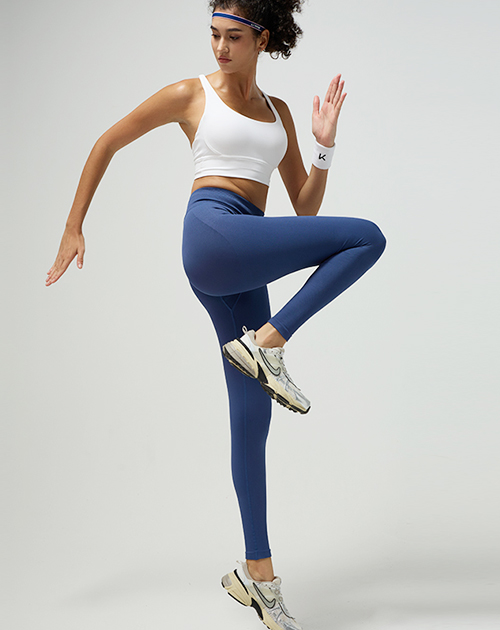
Running, stretching, squatting, and reaching all change the position of the body. Clothing that follows those movements naturally usually requires less adjustment along the way.
Different fits serve different purposes.
Choice often depends on the activity instead of fashion preference. Gentle stretching does not create the same movement pattern as jogging or circuit training, so clothing requirements naturally change.
Attention to detail also matters. Shoulder construction affects arm movement. Sleeve length influences flexibility. Hem design can change how the shirt behaves while bending or lifting. Small structural differences often become noticeable only after wearing the garment for a longer period.
A comfortable fit allows exercise to remain the main focus rather than repeated clothing adjustment.
Sports clothing performs more effectively when every piece supports the same purpose. Moisture management, flexibility, and breathability become more balanced when upper and lower garments share similar functional characteristics.
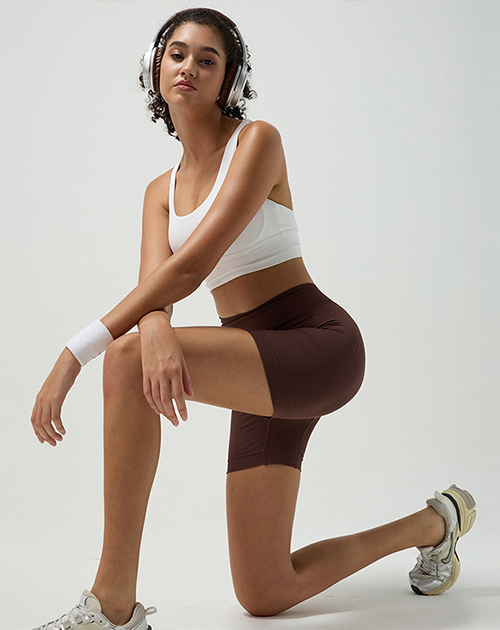
A Quick Dry Sports Shirt mainly helps keep the upper body comfortable as perspiration develops. Quick Dry Yoga Shorts allow unrestricted movement around the hips and legs while helping moisture leave the fabric more easily.
A practical clothing combination may look like this:
Matching clothing does not mean every item needs identical material. Similar moisture‑handling ability usually creates a more balanced wearing experience from beginning to end.
Movement also becomes more natural when garments respond in a similar way. Upper‑body clothing remains comfortable during arm motion, while lower‑body clothing follows leg movement without unnecessary restriction.
Such combinations fit many common exercise routines without becoming limited to one particular sport.
Physical activity takes place in many different environments. Indoor training rooms, neighborhood parks, walking paths, and home exercise spaces all create different conditions.
Indoor workouts often generate noticeable body heat because air circulation may be limited. Clothing capable of moving moisture away from the skin helps reduce the feeling of damp fabric during longer sessions.
Outdoor activities introduce changing weather. Wind, sunlight, shade, and temperature shifts all influence how clothing feels while moving. Fabric that dries more easily adapts better as surroundings change.
Common situations include:
Workout length also changes clothing requirements. Short sessions may create only light perspiration, while longer activities place greater importance on breathability and moisture movement.
Layering is another practical consideration during cooler seasons. Clothing that remains light and dries easily usually feels more comfortable beneath a jacket without creating unnecessary bulk.
Instead of serving one type of exercise, functional sportswear adapts to many everyday movement habits.
Comfort often begins with selecting clothing that matches actual exercise habits. A garment suitable for relaxed walking may not provide the same experience during repeated stretching or higher‑intensity movement.
Several practical points deserve attention before making a choice.
Material care influences long‑term performance. Regular washing gradually changes every fabric. Following suitable care methods helps preserve flexibility, shape, and moisture management for a longer period.
Daily comfort should also remain part of the decision. Clothing that feels soft before exercise generally continues to feel comfortable during movement. Fabric texture, seam construction, and overall fit all contribute to that experience.
Choosing sportswear becomes easier when practical use remains the main consideration rather than appearance alone.
Sports clothing has gradually become part of everyday active living. Walking, light fitness, stretching, and outdoor recreation all place similar demands on garments, even though movement patterns differ.
A Quick Dry Sports Shirt supports exercise by helping moisture move through the fabric while allowing air to circulate around the body. Combined with Quick Dry Yoga Shorts, everyday sportswear becomes more suitable for different activity levels and changing environments.
Comfort develops through many small details instead of one noticeable feature. Fabric influences airflow. Garment construction affects movement. Proper fit reduces unnecessary restriction. Moisture management helps clothing remain comfortable as exercise continues.
Every activity creates a slightly different environment for the body. Clothing that responds naturally to those changes often provides a steadier wearing experience from warm‑up to the end of a workout. Practical design, suitable materials, and comfortable construction together shape the everyday value of functional sportswear.
Copyright © Jinhua Yongxing Knitting Co., Ltd.
 Seamless Yoga Sets


 English
 русский
 Español