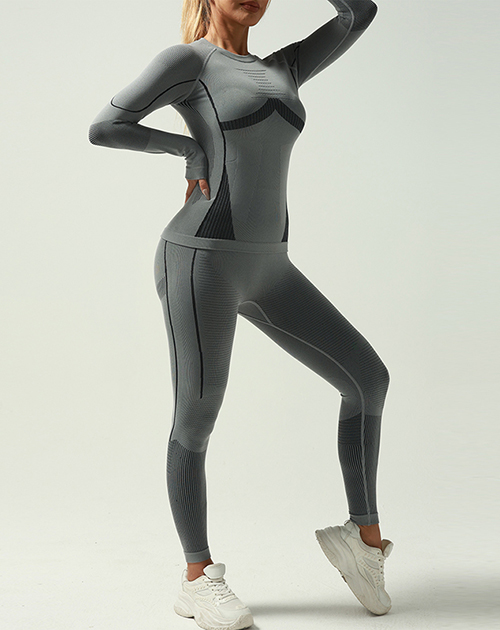
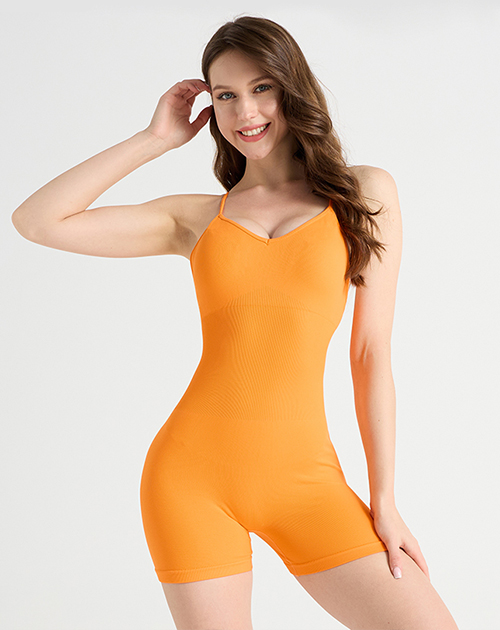
Walk into any gym and look around the room. Some people wear shorts that cling to the skin. Others wear shorts that hang away from the body. The difference might look like a matter of taste at first glance, but it tends to affect how the workout actually feels.
Tight shorts tend to stay against the legs and move with the body. Loose shorts tend to let fabric swing and air circulate a bit more. Each style tends to suit certain activities better than others. One person's preference probably won't work the same way for someone else doing a different kind of workout.
The choice also tends to depend on how the wearer feels in the shorts. Some people like the secure feeling of fitted fabric. Others prefer the freedom of loose material. The right pair tends to keep the wearer focused on the exercises rather than on adjusting clothing between sets.
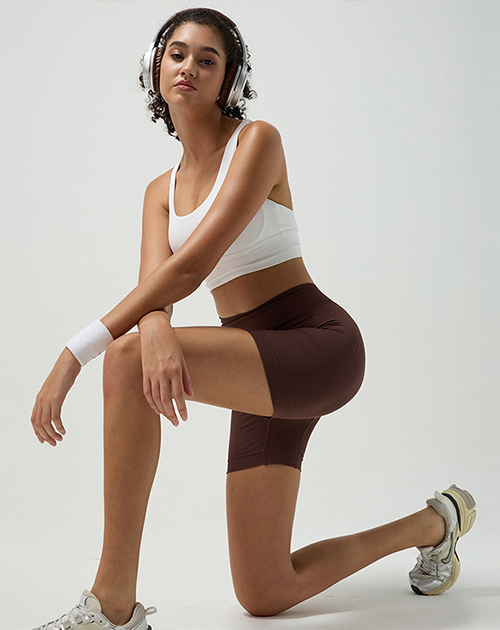
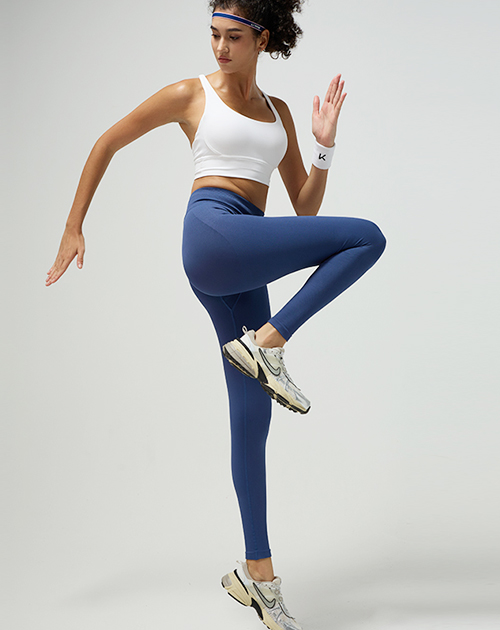
High-intensity workouts tend to involve running, jumping, and quick changes of direction. Clothing needs to stay in place through most of that movement. Fitness Tight Shorts tend to hold the fabric against the body, so nothing shifts or bunches up too much. The wearer probably won't need to stop and pull down the legs or adjust the waistband as often.
The materials used in tight shorts tend to pull sweat away from the skin. The fabric tends to move moisture to the outer surface where it can evaporate. The wearer tends to stay a bit drier than they would in loose, absorbent fabric. That drying effect tends to help manage body temperature during intense effort.
The snug fit also tends to provide a sense of security. The waistband tends to stay roughly where it belongs without constant pulling. The legs don't tend to ride up or twist around as much. The shorts tend to become part of the movement rather than a distraction.
| Workout Type | Tight Shorts Performance | Loose Shorts Performance |
|---|---|---|
| Running | Minimal chafing, stays in place | Some movement, more airflow |
| Yoga | Fabric stays put, good stretch | May shift during poses |
| Weight training | Supportive waistband, secure feel | Comfortable, less restriction |
| HIIT | No adjustment needed, moisture-wicking | May require occasional pulling |
| Casual gym | Less airflow, more form-fitting | Airy, relaxed feel |
Loose shorts tend to let air move around the legs more freely. That airflow tends to help keep the wearer cool during activities that don't raise the heart rate too much. The fabric doesn't cling to the skin as much, which some people find more comfortable overall.
The relaxed fit tends to provide room to move without feeling wrapped up. The fabric tends to swing and flow, and the wearer probably won't feel tight or held in. That feeling tends to suit activities where the body moves at a more moderate pace.
Loose shorts also tend to work well for people who want a casual look. The silhouette tends to look easy and approachable. The shorts can often get worn to the gym and then through the rest of the day without feeling too out of place.
Tight shorts tend to rely on fabrics with elastane or spandex for stretch. The four-way stretch tends to allow the shorts to move in pretty much any direction with the body. The fabric tends to return to its original shape after stretching.
Loose shorts tend to use woven or heavier knit materials instead. The fabric probably doesn't need to stretch as much because the cut tends to provide the extra room on its own. The material may have more structure and less give than tight-short fabrics.
Moisture-wicking properties tend to appear in both styles but are more common in tight shorts. The snug fit tends to bring the fabric into more direct contact with the skin, which tends to make wicking a bit more effective. Loose shorts may use similar materials, but the fabric tends to sit a bit further away from the skin.
Different fabric weights tend to work better for different workout intensities. Lighter fabrics tend to suit high-intensity activities where heat management matters more. Heavier fabrics tend to provide more coverage and structure for lower-intensity sessions.
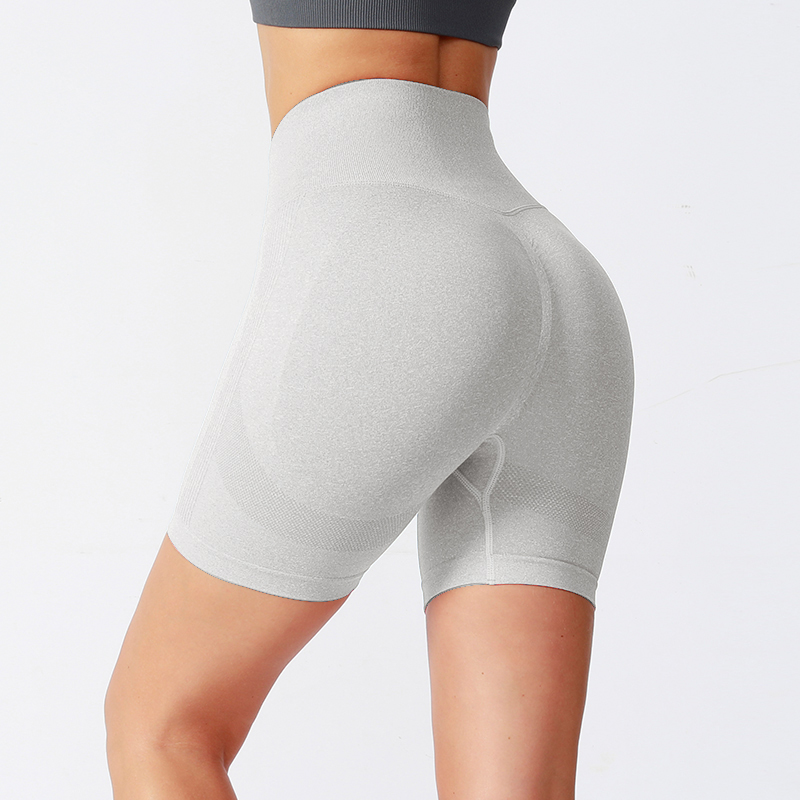
Running tends to work well with tight shorts because the fabric doesn't move against the skin as much. The shorts tend to stay in place through most of the run. The moisture-wicking fabric tends to help manage heat and sweat along the way.
Yoga and Pilates tend to need clothing that stays put through stretches and poses. Tight shorts tend not to shift much when the body bends and twists. The fabric tends to move with the body rather than against it.
HIIT workouts tend to involve rapid changes in movement. Tight shorts tend to move with the body fairly well. The waistband tends not to slide down much. The wearer probably won't need to adjust the shorts between exercises as often.
A few activities where tight shorts often tend to work well:
Outdoor walks probably don't push the body to the same limits as a HIIT session. The movement tends to stay fairly steady and moderate. Loose shorts tend to let air circulate and keep the wearer comfortable during lower-exertion activities.
Light gym sessions where movement stays fairly controlled also tend to suit loose shorts. The fabric doesn't tend to interfere much with slow, deliberate exercises. The relaxed fit tends to provide comfort without restricting motion too much.
Warm-weather activities tend to benefit from the airflow that loose shorts provide. The extra air movement tends to help cool the body when the temperature climbs. The fabric sits a bit away from the skin, so sweat tends to evaporate a little more quickly than it might with fabric clinging to the legs.
Casual gym days, when the focus leans toward lighter work or social exercise, tend to call for comfort over performance. Loose shorts tend to fit that need well. The wearer can generally move fairly freely without feeling like they're in full performance gear.
A Fitness Shorts Supplier typically tends to offer a range of styles to meet different needs. Some shorts sit tight against the body. Others hang loose. The variety tends to let customers choose what suits their workout style.
Customization options tend to give buyers some control over fit, fabric, and features. Some customers want extra compression in the waistband. Others prefer a drawstring for adjustability. A supplier that offers options tends to meet a wider range of preferences.
Manufacturers tend to balance performance and comfort across designs. A tight short generally needs fabric that stretches and wicks moisture well. A loose short generally needs fabric that breathes and drapes reasonably well. The materials and construction tend to differ, but both usually need to hold up through washing and wear.
Variety tends to matter because different customers do fairly different workouts. A runner may need something different from a weightlifter. A yoga practitioner may need something different from someone who does casual gym sessions. A supplier that understands these differences tends to offer a more useful product line overall.
The way clothing fits tends to change how the wearer feels during a workout. A pair of shorts that stays in place tends to let the wearer focus on the exercises. One that slips or bunches tends to become a distraction instead.
Comfort tends to encourage consistency. A person who feels good in their workout clothes is probably more likely to show up at the gym. A person who feels uncomfortable may find reasons to skip sessions here and there.
Freedom of movement tends to affect how much the wearer enjoys the workout. Shorts that restrict motion or require frequent adjustments tend to take away from the experience somewhat. Shorts that move with the body tend to let the wearer focus on the activity itself.
Trying different styles often tends to reveal what actually works. Someone who always wears loose shorts might try a pair of fitted shorts and discover they prefer the way they stay in place. Someone who always wears tight shorts might try a loose pair and appreciate the airflow more than expected.
Some people choose tight shorts for pretty much every workout. The consistency tends to work for them because they know roughly what to expect from the clothing. They probably don't have to think too much about what to wear each time they head to the gym.
Others choose loose shorts for most activities. The relaxed fit tends to feel right to them, and they see little reason to change. The choice often comes down to what feels natural and comfortable in the moment.
Owning both styles tends to offer more flexibility. A person can choose tight shorts for a run and loose shorts for a casual gym session. The wardrobe adapts to the activity rather than the other way around.
Trial and error tends to help find the right balance. Trying different styles in different workouts tends to show what works and what doesn't. The process may take some time, but the result is usually a better understanding of personal preferences.
A few points to consider when choosing between styles:
The choice between tight and loose shorts probably comes down to the activity and the person more than any fixed rule. A runner may prefer the secure fit of tight shorts. A walker may prefer the airflow of loose shorts. The right pair tends to let the wearer focus on the workout rather than the clothing — and that's really the point of it.
Copyright © Jinhua Yongxing Knitting Co., Ltd.
 Seamless Yoga Sets


 English
 русский
 Español