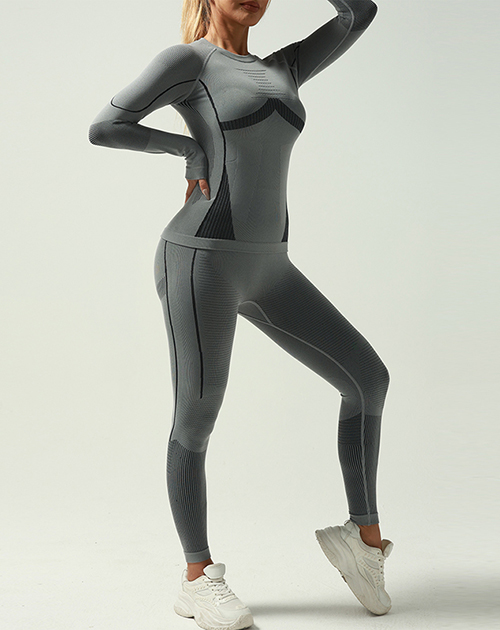
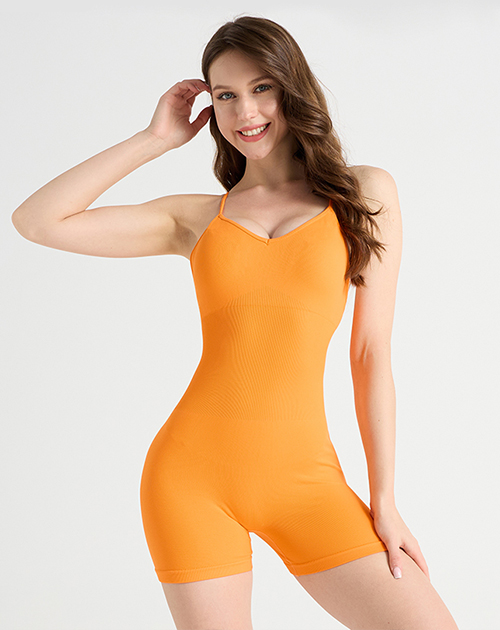
Sports clothing often slips quietly into daily life. A pair of shorts may get worn for stretching, walking, training, or simple home movement, then washed, dried, and used again without much thought. Over time, repeated wear tends to leave small changes on fabric, shape, and surface feel.
Care habits tend to matter because clothing probably doesn't stay unchanged entirely on its own. Sweat, washing, storage, and handling all tend to leave traces that slowly affect how a garment feels later. Small routines can help reduce that wear, especially for clothing used during movement.
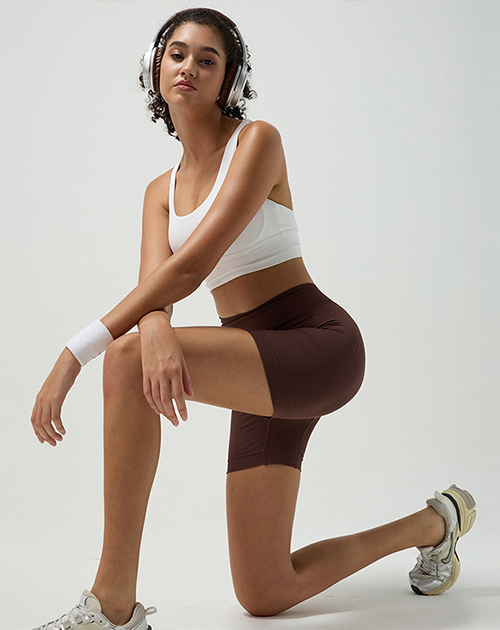
Lightweight Yoga Shorts get made for comfort and flexibility, so daily use naturally tends to place pressure on the fabric in different ways. Sitting, bending, stretching, and repeated washing all tend to influence how the shorts look and feel after regular wear.
A few ordinary situations can influence garment condition:
Different users tend to have different habits. Someone who uses sportswear several times a week may pay closer attention to washing and drying, while another person may need only occasional care. Climate also tends to play a role, since humidity and room ventilation can change how quickly clothing dries.
Good maintenance probably doesn't have to feel all that complicated. A few steady habits often tend to do more than occasional deep cleaning.
Cleaning after exercise tends to be a fairly simple habit, although it affects clothing condition more than many people might expect. Sweat and moisture tend to stay on the fabric after movement, and those traces can build up when clothing gets left unwashed for too long.
A reasonable cleaning routine usually tends to start with checking the garment care label. Different fabrics respond in somewhat different ways, and even lightweight sports clothing may need a slightly different approach depending on how it was made.
A few practical cleaning habits can help:
Water temperature also tends to matter. Very hot water may change how some fabrics behave, while gentler washing conditions tend to be easier on flexible sports clothing overall. A softer cleaning approach usually tends to fit lightweight garments better than aggressive washing.
The washing load itself can influence fabric condition as well. When too many garments move together inside one machine cycle, friction tends to increase. Giving shorts enough room to move more freely often tends to help reduce extra stress on the fabric.
Cleaning products probably deserve some attention too. Strong chemicals may work against the surface and feel of some materials over repeated use. A moderate cleaning routine often tends to fit sportswear better than harsh treatment.
After washing, water should get removed fairly carefully. Twisting or pulling fabric too hard can influence shape, especially around stretch areas.
Washing method probably isn't only about getting clothing clean. It also tends to shape how long the fabric keeps its original feel and appearance during regular use. Repeated friction, strong cleaning products, and careless drying can all change the garment little by little over time.
Sports clothing often tends to rely on flexible material and fairly careful construction. Over time, rough treatment may affect stitching, surface texture, or overall fit.
A few washing habits are worth watching:
Reduce Friction During Washing
Inside a washing machine, clothing naturally tends to rub against other garments. Turning sportswear inside out before washing can help limit direct wear on the outer surface.
Use Cleaning Products With Care
Cleaning products tend to remove sweat and odor, although stronger probably isn't always better here. A mild approach usually tends to fit everyday sportswear care more comfortably.
Choose Gentle Machine Settings
A softer washing cycle can reduce unnecessary movement and tends to help preserve fabric structure. Aggressive settings may not suit lightweight athletic garments all that well.
Wash After Regular Use
Leaving worn sports clothing unwashed for too long tends to let sweat remain in the fabric. Cleaning sooner often tends to make care simpler and more effective.
Manufacturing also tends to play a role in garment care. A Sports Shorts Factory needs to consider stitching, fabric choice, and construction methods, since those details tend to influence how the garment behaves in daily use. A well-made short still needs proper care, while good care tends to help support the original structure.
Drying tends to have a larger effect on sportswear than many people notice. Once clothing has been washed, the way it dries can influence shape, surface condition, and how comfortably it feels during future wear.
Air drying is often used for lightweight sports clothing because it tends to remove moisture fairly gradually. Gentle drying tends to let fabric settle without extra stress from heat or rough handling.
A few drying habits can help:
Heat can affect some materials over time. A drying method that's too strong may change fabric feel or create uneven stress in certain areas. Sunlight and heated dryers both tend to need careful use, especially with clothing designed for stretch and movement.
Hanging method tends to matter as well. A garment left on a thin point may stretch in one area more than another. Using a smoother support point or laying the item flat can help keep the shape a bit more even.
Environmental conditions also tend to influence drying. A humid room tends to slow moisture removal, while a clean and open space usually tends to help clothing dry more naturally.
For regular users of Lightweight Yoga Shorts, drying habits tend to become part of everyday clothing care. Small choices after washing often tend to matter more than complicated cleaning steps.
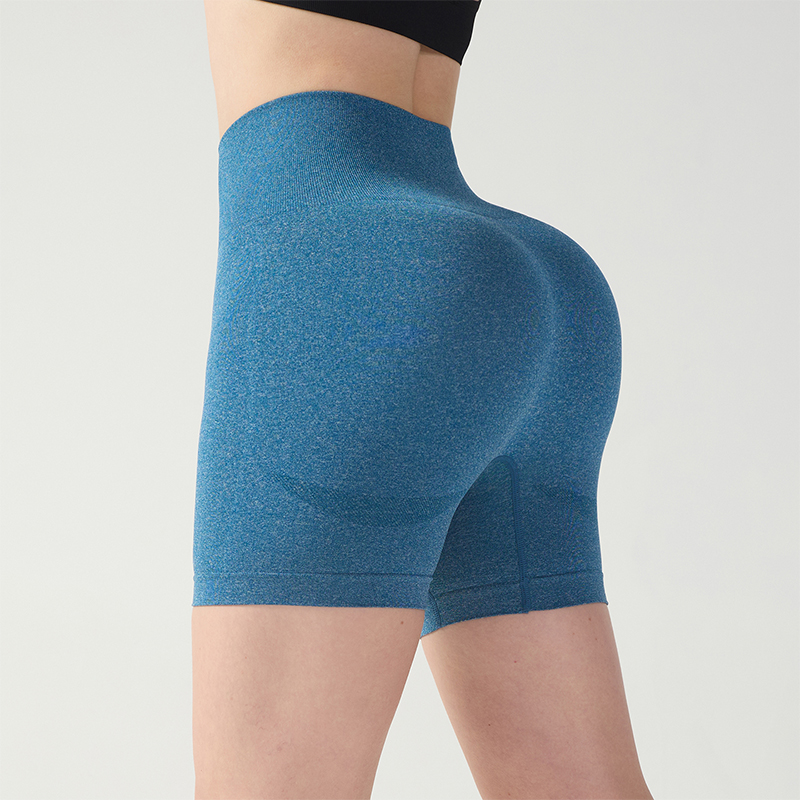
Storage tends to be an easy step to overlook because clothing care usually focuses on washing and drying. In daily use, however, the period between workouts also tends to affect garment condition. A clean pair of shorts that gets placed in a damp or crowded space may face unnecessary changes before the next use.
Sportswear tends to need a storage environment that lets the fabric stay dry and maintain its shape. Moisture left inside folded clothing may create an uncomfortable smell and can influence the overall condition of the material.
A few simple storage habits can support better clothing care:
Storage space probably doesn't need overly complicated arrangements. A dry drawer, shelf, or closet area can work reasonably well when clothing is clean and free from trapped moisture.
Folding methods can also affect daily use. Pressing flexible fabric under heavy objects for long periods may create unnecessary creases or changes in shape. Keeping clothing with enough space tends to let the material return more naturally before the next activity.
For people who use Lightweight Yoga Shorts often, storage tends to become part of the regular routine. Washing removes daily residue, drying removes moisture, and proper storage tends to help maintain the condition between uses.
Different clothing structures tend to require different care methods. Sports shorts get designed around movement, so fabric flexibility, surface texture, and stitching details all tend to influence how they should be handled.
Lightweight materials usually tend to need somewhat careful treatment because their comfort tends to come from a balance between softness, stretch, and structure. Rough washing or careless storage may gradually affect those characteristics.
| Care Factor | Why It Matters | Practical Method |
|---|---|---|
| Fabric Structure | Influences how clothing responds to use | Follow suitable washing methods |
| Stretch Ability | Supports movement during activities | Avoid pulling or twisting |
| Surface Texture | Affects appearance and feel | Reduce rough contact |
| Stitching Details | Connects different garment parts | Check during regular use |
| Storage Condition | Influences long-term care | Keep clothing dry and clean |
Fabric care probably isn't only about avoiding damage. It also tends to involve understanding how clothing is used. A pair of shorts worn during active movement tends to experience different pressure compared with casual clothing worn for short periods.
Manufacturing decisions also tend to connect with maintenance. A Sports Shorts Factory needs to consider fabric handling, sewing methods, and garment structure during production, since users will later wash, dry, and wear the product repeatedly.
Small production details may influence daily care. Strong stitching areas, balanced construction, and suitable material handling all tend to contribute to how clothing responds during normal use.
When buyers choose sports clothing, attention often tends to go beyond appearance. The way a garment gets produced can influence how it handles everyday activities and regular maintenance.
Production quality tends to connect with several areas:
Fabric choice tends to affect how clothing feels during movement and how it responds after washing. Sewing quality tends to influence whether different parts of the garment stay connected during repeated use.
A Sports Shorts Factory usually needs to consider the relationship between production and later care. Clothing probably doesn't stop changing entirely once it leaves the production process. Washing habits, storage methods, and daily activities all tend to become part of its service condition.
For buyers, understanding basic production factors can make clothing selection a bit more practical. A garment that matches the intended activity and care routine may be easier to maintain in daily life.
Care instructions and production methods tend to work together in a sense. Users provide proper maintenance after purchase, while manufacturers consider how the clothing will likely get handled during normal use.
Many clothing problems probably don't come from one single action. They often tend to develop through repeated small habits that place extra stress on fabric or structure over time.
A few common mistakes can be avoided through fairly simple changes:
Leaving Used Clothing Without Cleaning
After exercise, moisture and sweat tend to remain on fabric. Keeping used shorts inside a closed bag for a long period may make later cleaning more difficult.
Using Rough Washing Methods
Strong rubbing, unsuitable cleaning settings, or careless handling may affect flexible areas of the garment.
Drying With Excessive Heat
High heat can influence some materials. A gentler drying method often tends to create less stress on clothing structure.
Storing Clothing While Damp
Moisture trapped inside folded garments can affect freshness and overall condition.
Ignoring Small Changes
Loose stitching, unusual fabric changes, or altered fit may become easier to manage when noticed fairly early.
Care probably doesn't mean avoiding normal use, to be clear. Sports clothing gets made for movement and activity. The purpose of maintenance tends to be supporting regular use through reasonable habits.
Selecting sports shorts tends to involve more than choosing a style that looks suitable. Daily activity, care habits, and expected use all tend to influence whether a garment fits personal needs.
| Selection Point | Related Question | Practical View |
|---|---|---|
| Fabric Feel | Does it suit daily movement? | Consider comfort during use |
| Structure | Does the design fit the activity? | Check construction details |
| Care Needs | Is maintenance convenient? | Review washing requirements |
| Storage Space | Can it be stored properly? | Consider daily habits |
| Production Information | Is product background clear? | Review available details |
Different users tend to have different expectations. Someone using sports clothing for regular exercise may focus on easy cleaning and comfortable movement, while another person may pay more attention to storage and occasional use.
Choosing suitable clothing also tends to connect with understanding care requirements. A garment that matches both activity needs and maintenance habits is usually a bit easier to manage over time.
Sports clothing tends to become part of regular routines, so care methods often depend on fairly simple actions repeated over time. Washing after use, drying properly, and storing clothing in a suitable place all tend to influence daily experience.
Lightweight Yoga Shorts tend to need attention to cleaning, drying, and storage because movement places fairly continuous demands on fabric and structure. Proper care probably doesn't need overly complicated steps. Consistent habits often tend to provide practical support for everyday use.
The relationship between users and manufacturers also tends to connect with clothing maintenance. A Sports Shorts Factory considers construction, fabric handling, and production details, while users tend to influence garment condition through washing and storage choices.
Good clothing care tends to begin with small decisions. Keeping garments clean, avoiding unnecessary stress, and paying attention to changes during use can help sportswear stay comfortable and practical for regular activities.
Copyright © Jinhua Yongxing Knitting Co., Ltd.
 Seamless Yoga Sets


 English
 русский
 Español