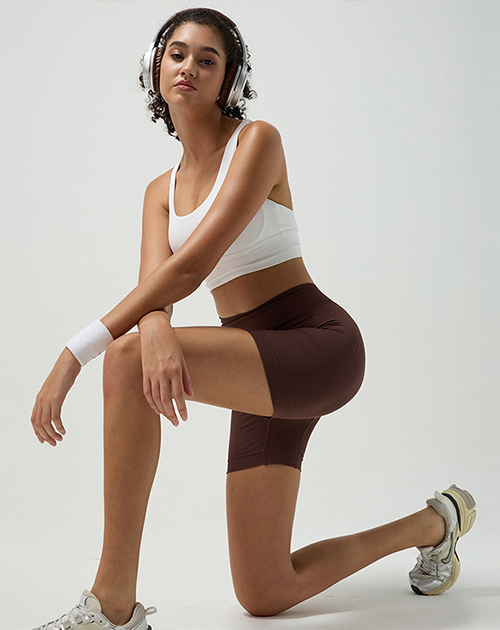
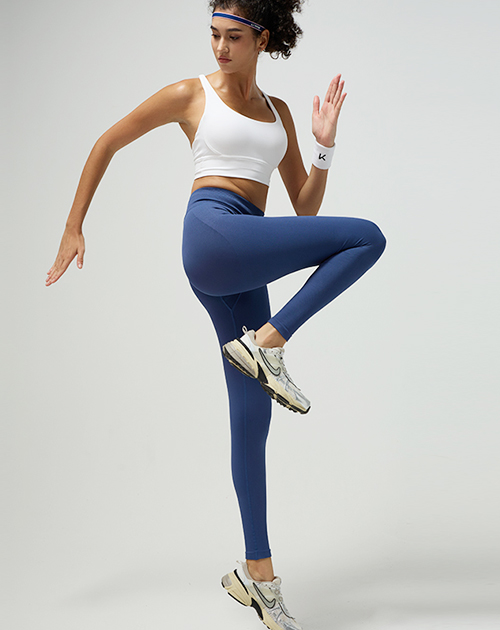
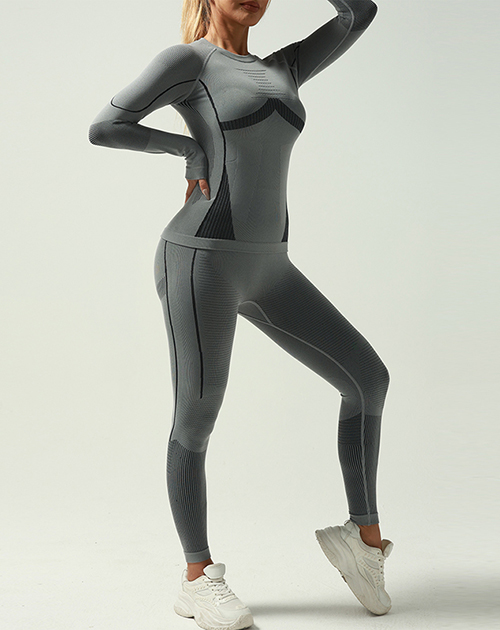
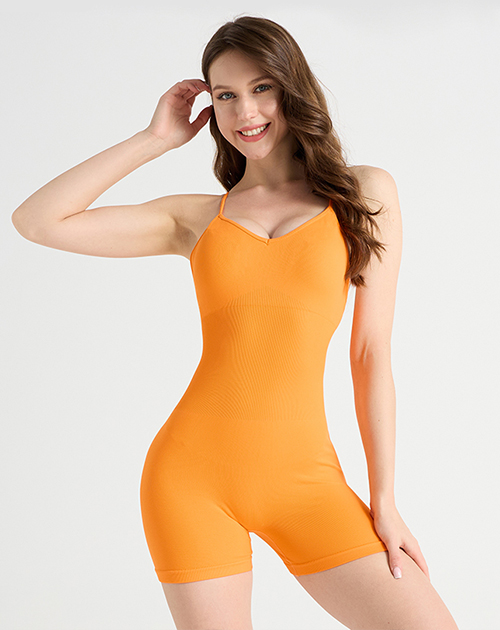
Yoga shorts go through a lot. Forward folds pull the front panel. Lunges stretch the hip area. Deep squats put tension across the back and sides. Every movement demands something different from the fabric. After each pose, the material needs to return to where it started. When that happens consistently, the shorts keep their fit and look presentable wear after wear. When recovery falls short, bagging appears, sagging develops, and the garment loses its original silhouette.
Shape retention affects more than looks. Shorts that hold their form stay put during practice. They do not ride up or shift around. They provide steady coverage without constant tugging and adjusting. They also hold up better in the wash. A pair that loses shape quickly becomes frustrating to wear, regardless of how comfortable the fabric felt on the first try.
Several things determine whether Stretch Yoga Shorts keep their shape over time. Fabric choice matters, but construction, washing habits, and how often they get worn all play a part. Looking at each of these factors helps in choosing shorts that will continue performing beyond the first few wears.
The fibres inside the fabric decide how much the material stretches and how well it bounces back. Elastane, known by names like spandex or Lycra, provides the stretch in most yoga shorts. This synthetic fibre can extend far beyond its resting length and snap back when released. A higher percentage of elastane usually means more give and better recovery.
But elastane does not work alone. Nylon and polyester add strength and help hold the stretch fibre in place. Both synthetics have their own recovery properties that work alongside the elastane. Cotton brings softness but contributes little to shape memory. When cotton makes up too much of the blend, sagging tends to follow.
The relationship between fibres matters more than any single component. A balanced blend lets the elastane do its job while the other fibres supply structure. Too much elastane and the fabric becomes overly soft, losing its ability to hold a shape. Too little and the shorts feel restrictive, failing to provide the range of motion yoga demands.
Fibre quality also varies. Not every piece of elastane performs the same way. Better-quality stretch fibres keep their elastic properties longer. They resist permanent deformation through many stretch-and-release cycles. Lower-quality alternatives lose their snap more quickly, and shape loss follows sooner.
| Fibre Component | Role in the Fabric | Effect on Shape Over Time |
|---|---|---|
| Elastane | Provides stretch and snap-back | Main factor in shape memory |
| Nylon | Adds strength and structure | Helps resist sagging |
| Polyester | Offers stability and quick drying | Holds its form well |
| Cotton | Adds softness and breathability | Can lead to sagging in high amounts |
| Fibre quality | Determines longevity of stretch | Affects how long shape lasts |
Fibre content tells only part of the story. The way fibres get put together also affects how well a fabric holds its shape. Knits behave differently from wovens, and within knits, different constructions yield different results.
Most yoga shorts use knit fabrics. Knits consist of loops that open and close during stretching, which gives them the movement that yoga requires. A jersey knit stretches easily in both directions but may not recover as well as a tighter construction. A rib knit recovers well in one direction but offers less stretch overall. The choice of knit structure shapes both comfort and long-term shape retention.
Fabric weight matters too. Heavier fabrics tend to keep their shape because they have more material to provide structure. Lighter fabrics feel airy and allow free movement but may sag over time. Finding the right weight balances freedom of motion with the stability needed for shape retention.
Finishing treatments applied after construction can improve stability. Heat setting locks in dimensions, reducing the chance of shrinking or stretching out. Other processes may enhance recovery or reduce surface friction that affects how the fabric moves during use.
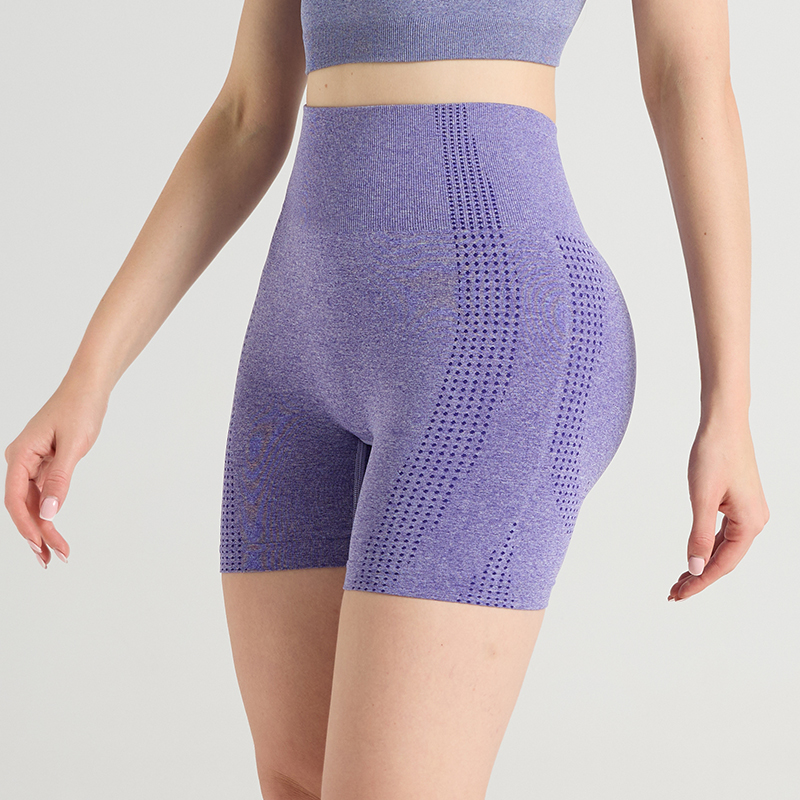
Care habits affect how long Stretch Yoga Shorts hold their shape. Washing and drying expose the fabric to heat, movement, and chemicals that can damage elastic fibres over time.
Water temperature matters more than many people realise. Hot water can harm elastane fibres, reducing their ability to snap back. Cold or lukewarm water treats stretch fibres more gently and helps preserve their recovery. The difference adds up over time. Shorts washed in hot water lose their shape sooner than those washed in cooler water.
Drying does even more damage. Dryer heat degrades elastane, causing permanent loss of elasticity. Air drying avoids this heat damage and extends the life of stretch garments. For those who need to use a dryer, lower heat settings reduce the harm compared to high heat.
Detergent choices also affect fabric performance. Some products contain enzymes or bleach that weaken elastic fibres. Fabric softeners coat fibres and can reduce their ability to recover after stretching. Mild detergents and avoiding softeners help maintain shape retention.
Every yoga session puts stress on different parts of the shorts, though not evenly. Forward folds and seated stretches pull the fabric across the back of the legs and the seat area. These movements come up often in a typical practice, so those spots tend to see more stretching than the rest of the garment. Fabric in these areas may show signs of fatigue sooner, ending up slightly looser or more worn-looking compared to areas under less stress.
Lunges and standing poses stretch the hip and thigh regions instead. The fabric around the crotch and inner thigh gets pulled in different directions during these movements. Repeated stretching in these zones can end up causing some permanent deformation if the fabric doesn't recover fully after each use. This is often why certain shorts develop a sagging look in the seat or thigh area after a good number of practices.
How long each wear session lasts plays a role too. Longer practices mean more time under tension for the fabric overall. Shorts worn for an hour-long class tend to experience less cumulative stress than ones worn through several hours of teaching or back-to-back classes. Giving the elastic fibres some time to recover between uses tends to help them hold onto their shape memory a bit longer.
Fabric fatigue develops gradually rather than all at once. Each stretch-and-release cycle affects the elastic fibres in small ways. Over many cycles, the fibres tend to lose some ability to snap back completely. This kind of gradual wear is pretty normal for stretch garments generally, though the pace at which it happens varies depending on fabric quality and how the shorts get cared for.
Picking out shorts that hold their shape reasonably well comes down to paying attention to a few details. Fabric composition offers one useful clue. A blend with a decent percentage of elastane, backed by nylon or polyester, tends to hold up a bit longer than blends where cotton or other natural fibres make up the majority.
Construction details matter too. Flat seams reduce friction against the skin and let the garment move along with the body more naturally. Reinforced stitching in high-stress areas adds a bit more durability over time. Wide waistbands with elastic support help keep the shorts in place and cut down on the tendency to roll down during movement.
Finish quality tends to affect how the shorts hold up over the long run. A garment finished with heat setting and appropriate treatments often keeps its dimensions a bit more reliably than one skipping those steps. The feel of the fabric can offer some hint here — a smooth, even surface often points toward more careful finishing.
A Sports Shorts Factory that pays close attention to these details during production tends to turn out shorts with noticeably steadier shape retention. Consistent quality control, thoughtful fabric selection, and proper finishing processes all play into this. Manufacturers familiar with activewear production tend to treat fabric performance as just as important as how the fabric looks off the shelf.
Picking up on early signs of shape loss helps with deciding when to retire a pair or adjust care habits. Visible bagging or sagging in worn areas tends to be an early giveaway. The fabric stops sitting smoothly against the body and can look gathered, wrinkled, or loose in certain spots.
Reduced recovery after stretching is another sign worth watching for. Once shorts stop snapping back to their original shape after being pulled, the elastic fibres have likely started fatiguing. This shift can happen gradually, with the shorts feeling a bit looser overall rather than dramatically different.
Changes in fit and comfort tend to show up too. Shorts that once stayed put may start riding up or shifting during movement. Waistbands might roll down more than they used to. The garment can feel less supportive than it did when new. These changes affect comfort and can get in the way during practice.
Fabric appearance shifts as well, over time. The surface may take on a worn or tired look. Colours might seem a bit less vibrant than before. The fabric can feel thinner or less substantial in spots where stretching has happened often.
Choosing Stretch Yoga Shorts involves weighing a handful of factors together. Stretch and comfort matter, sure, but shape retention deserves a place in the decision too. Finding a good balance usually means looking at fabric composition, construction quality, and care requirements side by side.
Price alone doesn't tell the whole story when it comes to shape retention. Some moderately priced shorts hold up well because they're made with decent fabrics and careful construction. Some pricier options don't necessarily hold their shape any longer than that. Knowing what to look for helps shift the decision toward actual performance rather than price tag alone.
Care practices affect how long any garment lasts, shorts included. Following the recommended washing and drying instructions tends to stretch out the period during which shorts keep their shape. Air drying, cold washing, and milder detergents all help support longer-lasting shape retention over time.
For people practicing yoga often, putting some thought into shorts made from decent materials with careful construction tends to pay off down the line. The shorts keep fitting well and looking decent through a good number of practices. For more occasional wear, the demands on shape retention ease up quite a bit, leaving more room to choose from a wider range of options.
Copyright © Jinhua Yongxing Knitting Co., Ltd.
 Seamless Yoga Sets


 English
 русский
 Español