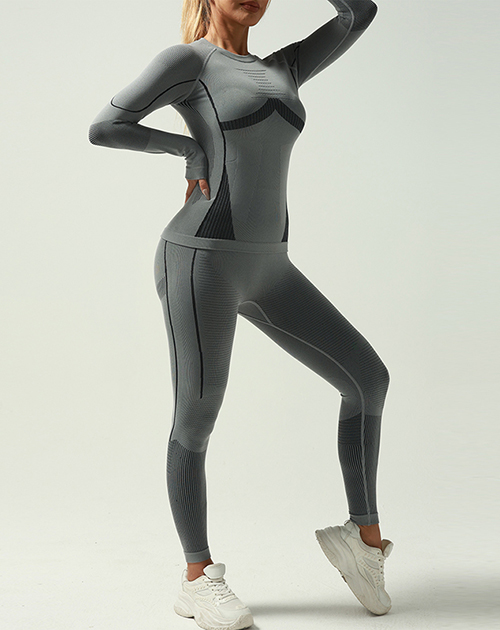
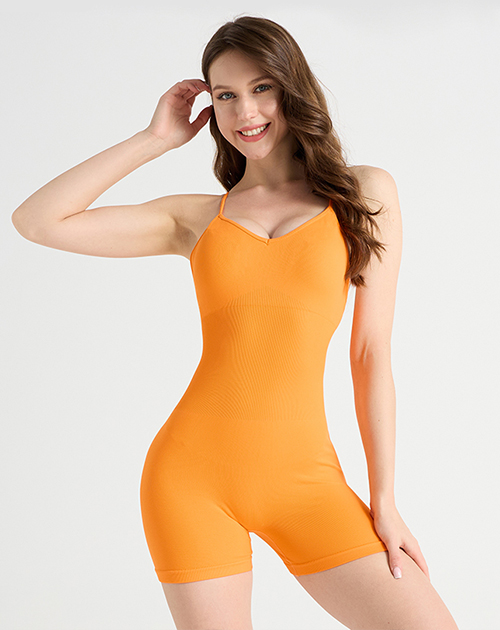
Sportswear is no longer limited to a gym or a yoga space. Many people now move between exercise, work, outdoor activities, and daily tasks without changing clothes several times during the day. Clothing that feels comfortable during movement can also become part of regular daily wear.
Yoga shorts are often connected with stretching and flexibility exercises because those activities involve frequent changes in body position. A person may bend, turn, sit, or extend their legs many times during a session, so clothing needs to move naturally with the body.
Outside yoga practice, the same type of clothing can also appear in many everyday situations. A short walk in the morning, a home workout after work, or a relaxed outdoor activity may all require similar comfort and movement space.
When choosing sportswear for different activities, people often pay attention to small details:
Changes in lifestyle have influenced how people view sports clothing. A pair of shorts may start as workout clothing, then become something worn for travel, rest, or simple outdoor movement.
For manufacturers, understanding these habits is important. Clothing design needs to consider how people actually wear products rather than only focusing on one specific exercise environment.
Exercise movements are not always the same. Stretching, walking, and light training each place different demands on clothing. A design that works well for one activity may feel different during another type of movement.
Stretching activities usually involve large changes in body position. Legs may move in different directions, and the body often stays in one position for a period of time. Clothing that allows enough movement space can make the exercise process feel more natural.
Light fitness activities create another situation. Movements may include repeated bending, squatting, or changing positions. During these activities, users often notice whether clothing stays comfortable throughout the whole process.
Walking appears simple compared with structured exercise, although clothing comfort still matters. A short walk may turn into a longer outdoor activity, and uncomfortable areas around the waist or legs can become noticeable.
Home exercise has also changed how people use sportswear. Many people prefer clothing that can support different movements in a small space, from stretching in the living room to completing simple training routines.
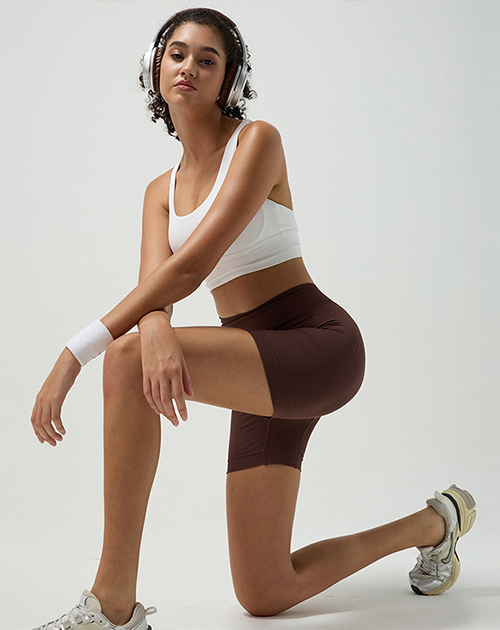
A practical pair of Soft Yoga Shorts is often considered for these situations because flexibility and comfort are useful across different low-impact activities. The purpose is not limited to one exercise type, but connected with how the body moves in daily routines.
Daily clothing choices are often influenced by comfort. People spend long periods wearing clothes, so small details that seem unimportant at first may become noticeable after several hours.
Soft sports shorts are sometimes used outside exercise because they fit naturally into relaxed daily activities. Someone may wear them while preparing meals, walking around the neighborhood, doing household tasks, or taking a casual trip.
Daily use usually involves less intense movement than sports activities, although comfort remains important. Clothing that feels restrictive while sitting, walking, or bending may affect the overall wearing experience.
Common situations where people may choose this type of clothing include:
Appearance is also part of daily use. Sportswear needs to fit different situations, so simple designs and practical shapes are often easier to combine with other clothing.
From a production viewpoint, daily use provides useful information for manufacturers. A Sports Shorts Factory needs to understand that users may expect one garment to work across several situations, not only during exercise.
Comfort is created through several connected details. Fabric, structure, and fitting choices all influence how clothing feels when the body starts moving.
A pair of shorts may look simple, although many design decisions are involved behind the final product. Small changes in construction can affect movement and daily comfort.
| Design Factor | Influence On Wearing Experience |
|---|---|
| Fabric feel | Changes how the material contacts the skin |
| Waistband structure | Affects comfort during sitting and movement |
| Shorts length | Influences movement space and coverage |
| Fit design | Changes flexibility during different activities |
| Stitching details | Relates to durability and daily use |
Fabric selection is one part that receives attention during production. A material that feels comfortable during standing may create a different experience during stretching or repeated movement. Manufacturers need to consider different situations rather than a single posture.
Waistband design also affects everyday use. A waistband that stays comfortable during exercise may also need to feel suitable when sitting for longer periods.
Length and fit are connected with personal preference and activity type. Some users prefer more freedom around the legs, while others may pay attention to coverage and stability.
A Sports Shorts Factory needs to balance these details during production because users usually judge clothing as a whole. Comfort comes from how different parts work together during real use.
Choosing sportswear usually comes down to how the clothing will actually be worn. A pair that works during stretching may feel different during walking or light training, so activity type matters more than the label on the product.
Yoga and stretching involve a lot of bending, reaching, and holding positions for a short time. Clothing that feels too tight can get in the way, especially when the body changes direction again and again.
During these moments, users often notice:
A pair of Soft Yoga Shorts can fit this kind of use because the focus stays on movement and comfort rather than heavy structure. A softer feel often helps when the body needs room to shift and settle into different positions.
Walking does not need the same kind of flexibility as yoga, though comfort still matters over time. A short walk can turn into a longer outing, and clothing that feels fine at the start may become noticeable later if the fit is awkward.
For daily wear, people usually care about simple things:
Shorts that feel natural in both exercise and daily routines are often the ones people keep reaching for. A pair of Soft Yoga Shorts can work well here because the design is not tied to one single use.
Light training brings another set of movement patterns. Squats, lunges, and mobility exercises place different pressure on the waist and legs. Clothing needs to stay comfortable while the body keeps moving.
In that kind of use, people may pay attention to:
The same pair of shorts may suit one person well and feel less suitable to another, depending on pace, body movement, and personal habit.
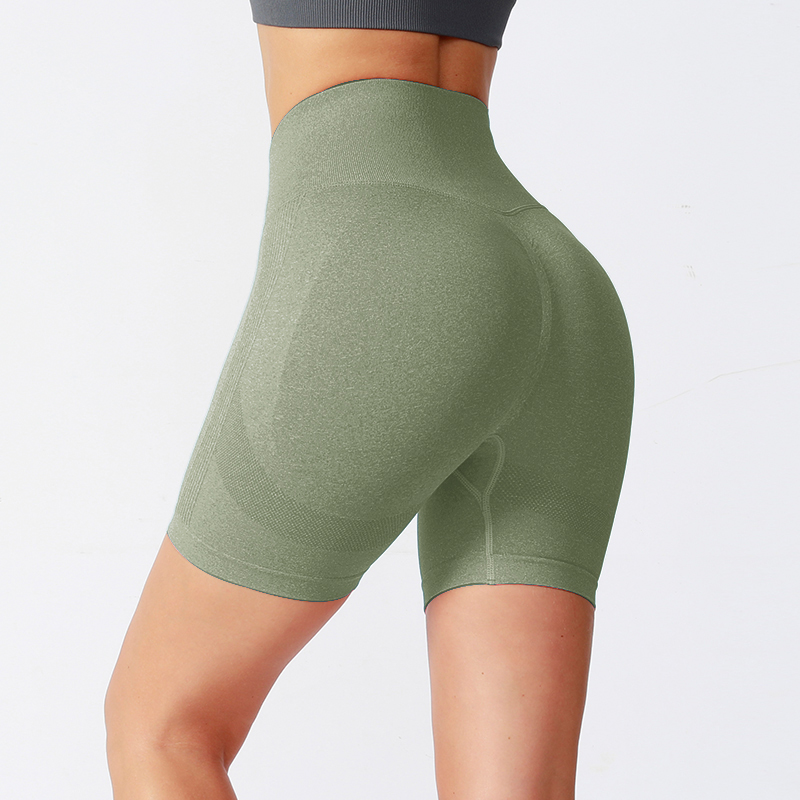
Material selection shapes the feeling of the garment before the user even starts moving. A soft surface, a flexible structure, and a reasonable amount of support all contribute to how the shorts perform in normal use.
Fabric softness often affects first impressions. Some materials feel smooth right away, while others feel slightly firmer or more structured. That difference may seem small, though it can matter after wearing the garment for several hours.
Movement flexibility also depends on the fabric. Shorts used for exercise need enough give to follow body motion without feeling stiff.
Durability matters too, since sportswear usually sees repeated use and washing. Clothing worn regularly needs to hold its shape and remain comfortable after daily wear.
Skin comfort is another practical point. Since shorts sit close to the body, rough seams or uncomfortable fabric can become a problem during activity.
A Sports Shorts Factory usually looks at material and design together. Fabric alone does not decide the final result. Stitching, fit, and pattern all affect how the shorts feel in real use.
Sportswear may look simple from the outside, although getting a good result takes careful work at each stage. Small details in cutting, sewing, and checking can change how the finished shorts behave later.
A manufacturer usually has to keep an eye on several things:
Different buyers may want different things. Some care more about comfort for casual wear, while others want clothing that fits exercise use more closely. That is why clear communication matters during production.
A Sports Shorts Factory that understands these differences can adjust product details more easily. Feedback from previous orders also helps, since it shows where users feel comfortable and where adjustments may be needed.
Good manufacturing is not only about making a garment that looks correct on the table. It also means making something that feels right when a person walks, stretches, or wears it through the day.
Daily routines have become more mixed, and clothing now often needs to serve several purposes in one day. Exercise, casual outings, home tasks, and short trips may all happen without much time between them.
That shift is one reason sportswear appears more often in regular clothing choices. People want pieces that feel easy to wear, easy to move in, and easy to fit into different situations.
Soft sports shorts work well in that setting because they are not limited to one kind of activity. They can move from exercise to daily use without feeling out of place.
For manufacturers, this change means paying closer attention to how people live, not only how they train. Clothing design becomes more useful when it follows real habits instead of narrow product categories.
A Sports Shorts Factory has to think about comfort, fit, and daily use at the same time. When those parts come together well, the clothing feels more natural in everyday life and more useful across different kinds of movement
Copyright © Jinhua Yongxing Knitting Co., Ltd.
 Seamless Yoga Sets


 English
 русский
 Español