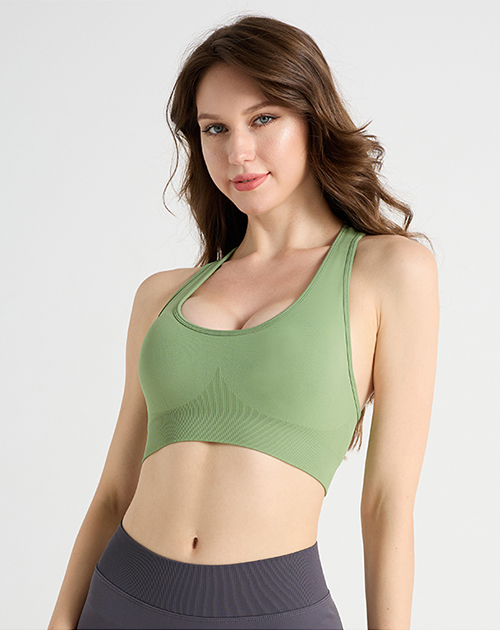
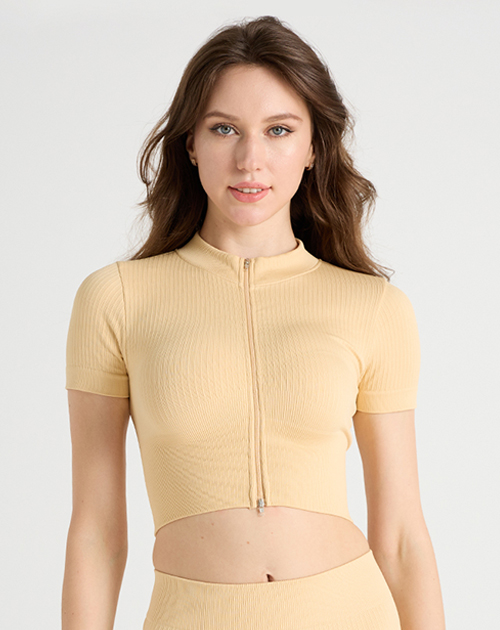
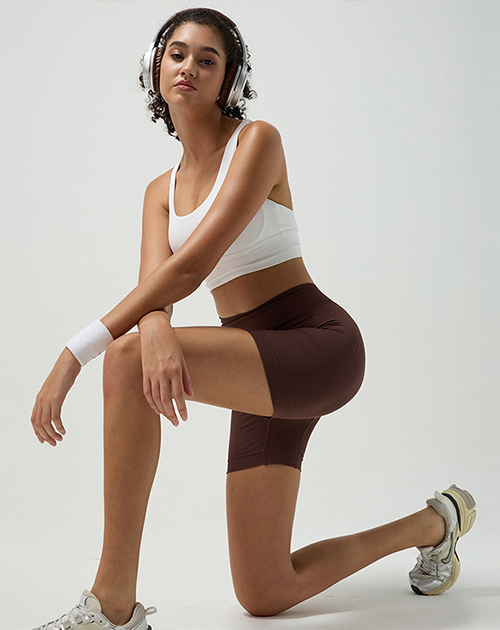
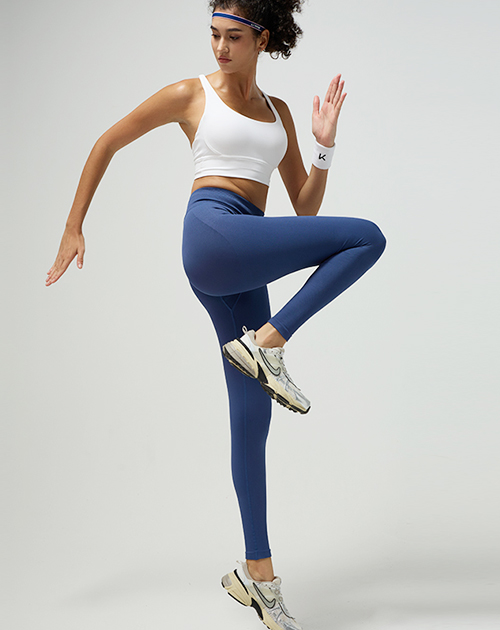
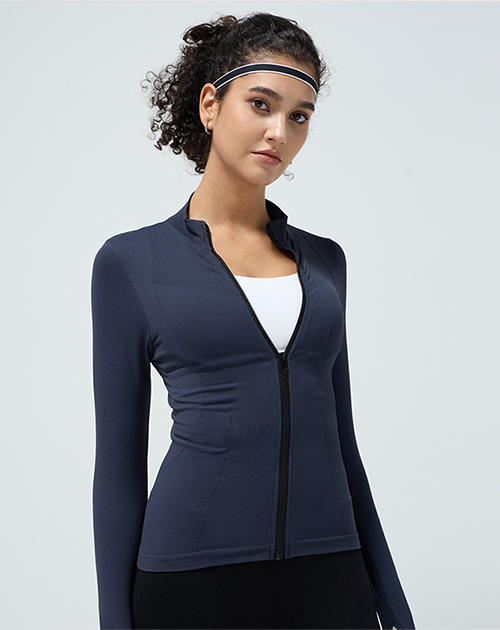
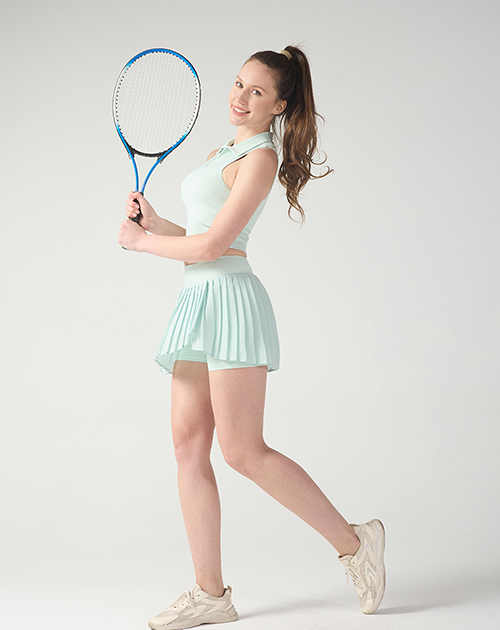
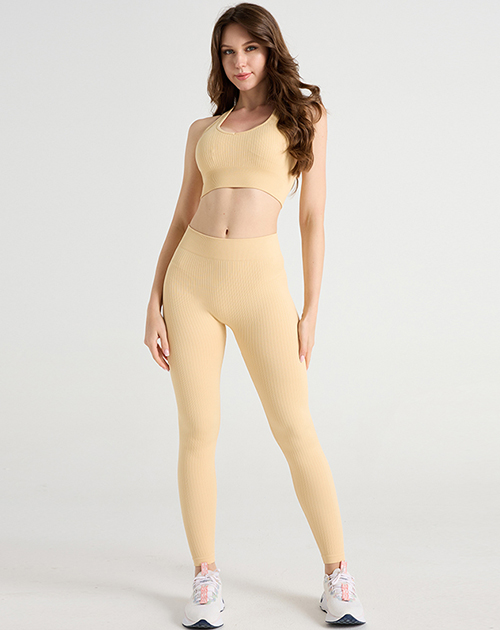
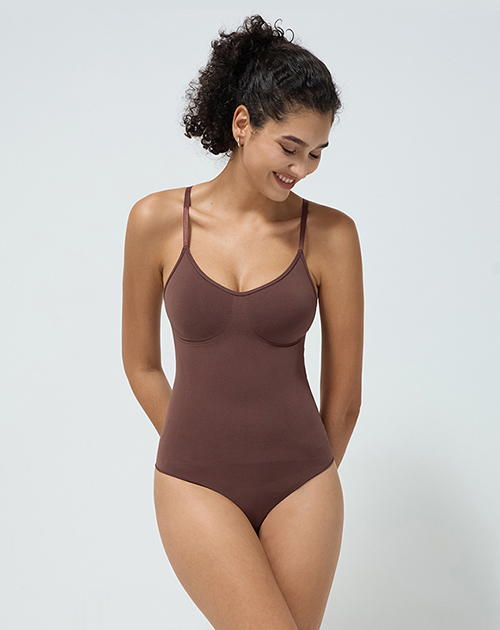
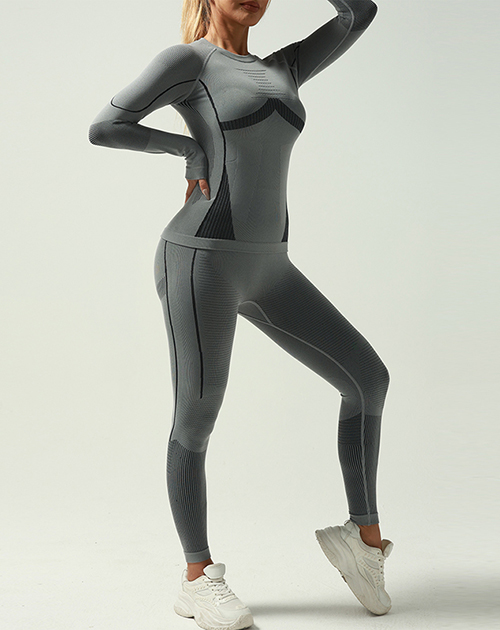
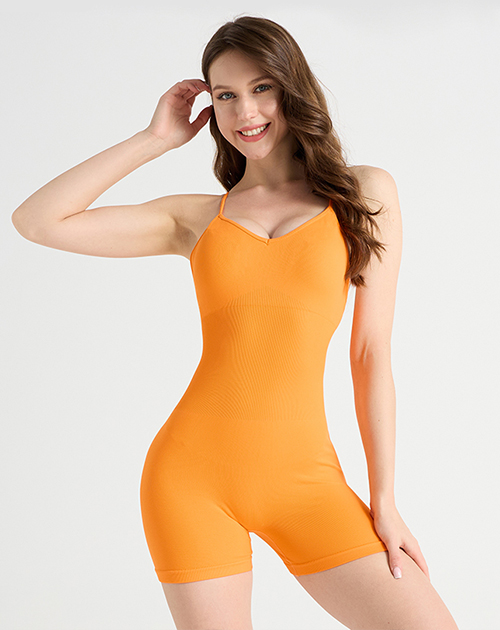
Low impact exercise usually comes down to controlled movement, steady breathing, comfortable coordination through the body. Stretching, yoga, walking, light fitness — none of it really demands intense movement, but clothing still shapes how freely the body actually gets to move through all of it.
Exercise shorts aren't just some simple clothing item you throw on without thinking. Shape, fabric feel, overall structure — all of it affects comfort once you're actually moving. A well-suited pair lets the body move naturally, without creating pressure or restriction that gets in the way.
Different activities call for different things from clothing, honestly. Some people want a relaxed feel with room around the legs, others want something closer-fitting that tracks body movement more directly. That's basically why exercise shorts come in so many different styles to begin with.
Yoga Shorts tend to get picked by people after a comfortable, flexible wearing experience. Compared to tighter styles, loose-fitting shorts generally give more room for stretching and everyday movement alike.
Seamless tight shorts head in a different design direction altogether. A closer fit changes the feeling during exercise quite a bit, especially for movements involving frequent shifts in body position.
A handful of points usually come up when picking exercise shorts:
What works best really depends on how the shorts actually get used. Clothing for gentle exercise needs to balance comfort and movement — not just chase appearance for its own sake.
A relaxed design is a big reason a lot of people gravitate toward Shorts for low impact activities. That loose structure opens up more space around the legs, which feels pretty comfortable during stretching, sitting positions, slower movements generally.
Fabric feel matters a lot here too. Soft materials create smoother contact against the skin, which makes the shorts a lot more wearable over longer stretches. Once you're into activities with repeated movement, comfort really becomes a core part of the whole clothing experience.
Another thing worth mentioning — Soft Yoga Shorts work well beyond just workout sessions. A lot of people wear similar styles casually too, since the design just makes movement easy no matter what you're doing.
A few characteristics that come up often:
Low impact exercise often involves bending, turning, holding different positions for a while. A relaxed pair of shorts supports all of that by letting the legs move freely, without that pinched, limited feeling some tighter clothing brings.
Fabric choice shapes the overall experience quite a bit too. Something soft that moves along with the body tends to feel a lot more comfortable through regular exercise sessions.
Soft Yoga Shorts really aren't built around just one specific activity. Their structure just makes them work across a bunch of different situations where comfort and flexibility matter most.
Both styles get used for exercise, sure, but they're built around pretty different wearing experiences. Soft Yoga Shorts usually give more room to move, while seamless tight shorts create more of a close connection with the body itself.
A fitted structure helps clothing stay put during movement — some people actually prefer this, since it cuts down on loose fabric flopping around during exercise. Soft Yoga Shorts feel more relaxed by comparison, mostly because the design gives the body that extra breathing room.
The differences show up pretty clearly across a few areas:
| Feature | Soft Yoga Shorts | Seamless Tight Shorts |
|---|---|---|
| Fit style | Relaxed shape with more space for movement | Closer fit around the body |
| Wearing feeling | Focuses on softness and comfort | Focuses on fitted support |
| Movement use | Suitable for stretching and gentle exercise | Suitable for activities needing close contact |
| Daily use | Works well for exercise and casual wear | Often chosen for active situations |
Fit preference plays a big role in this decision, honestly. Some people love the freedom of loose shorts, others just prefer clothing that stays close through movement.
Exercise habits factor in too. Someone mostly doing stretching or gentle yoga will probably lean toward the comfortable feel of Soft Yoga Shorts. Someone wanting a closer fit might reach for seamless tight shorts instead.
Neither style really fits every situation out there. The better pick just comes down to personal comfort, activity type, how the clothing actually feels once you're moving in it.
Picking exercise shorts involves a lot more than just checking how they look. Fabric, fit, usage conditions — all of it shapes whether the shorts actually feel right during daily activities.
Exercise type ranks pretty high on the list of factors here. Low impact activities lean toward slower, more controlled movement, so comfort and flexibility end up mattering a lot more than they might for high-intensity workouts.
Personal preference plays in too, obviously. Some people want a relaxed fit because it feels less restrictive, others enjoy that fitted feeling while exercising.
A few things that help during selection:
The exercise environment shapes things too. Indoor sessions, outdoor walks, casual fitness routines — each one sets slightly different expectations for what the clothing needs to do.
A pair worn frequently needs to hold up comfortably after repeated wear. Fabric quality, construction, care methods — all of it factors into how well the shorts perform over the long haul.
A Sports Shorts Factory generally keeps all this in mind while working through material choices and construction methods — comfort, durability, fit accuracy all need to line up consistently across production runs, not just in a single sample piece. That kind of attention behind the scenes is really what lets a pair of shorts hold up to daily wear without losing the comfort that made them appealing in the first place.
Choosing suitable exercise shorts really comes down to matching clothing with real needs. A design that feels genuinely comfortable during actual movement tends to be a lot more practical than one picked purely for how it looks on a shelf.
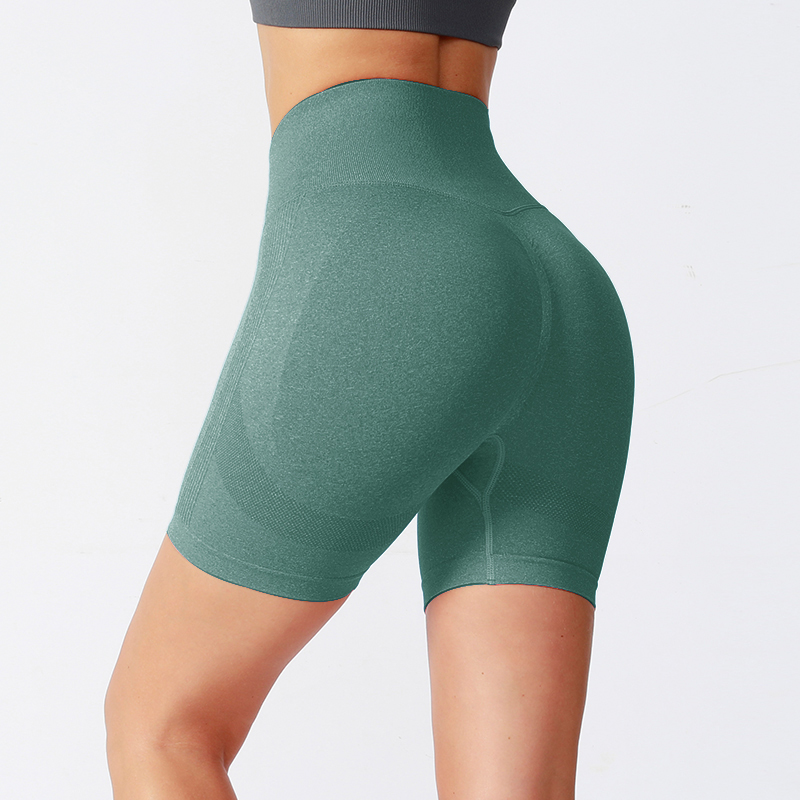
Fabric choice really decides a lot about how a pair of exercise shorts ends up feeling in daily use. Low impact activities usually involve slow stretching, repeated bending, shifting body positions — clothing needs to move along with all of that naturally, not fight against it.
A soft fabric surface tends to make longer exercise sessions a lot more comfortable. When the material stays gentle against skin, there's just less need to keep adjusting things while you're moving through a routine.
Stretch matters too, obviously. Yoga and light fitness movements often push legs and hips in different directions at once. Fabric with the right flexibility lets shorts follow along with that motion instead of creating pressure where it shouldn't be.
Common fabric considerations tend to include:
Material choice isn't only about softness, though — it also shapes how well shorts hold their shape after repeated wear. Exercise clothing needs to stay comfortable while handling all that regular movement without breaking down.
Processing methods change the final feel too, more than people might expect. Cutting, sewing, how the fabric gets handled during production — all of it plays into how the finished shorts actually fit and feel once they're on.
For Yoga Shorts specifically, fabric choice usually centers around creating that relaxed feeling people are after. A comfortable material makes the shorts work well for stretching, light exercise, and just regular daily wear too.
Different people want different things here, honestly. Some care more about a softer touch, others focus on movement freedom, and some just want something that stays comfortable over the long haul.
A Sports Shorts Factory basically bridges the gap between design ideas and actual finished products. Turning a concept into real exercise shorts takes real attention to fabric, structure, manufacturing details — none of it happens automatically.
Before production even starts, manufacturers need to think through how the shorts will actually get used. A loose style and a fitted style call for pretty different approaches when it comes to pattern design and construction methods.
A few production stages usually show up along the way:
Fabric preparation lays the groundwork for everything that follows. Different materials shape softness, flexibility, how the shorts feel once someone's actually moving in them.
Pattern design shapes how clothing sits on the body too. Loose shorts need enough room built in for movement, while fitted shorts demand closer attention to shape and comfort during the pattern-making process.
During assembly, all the different parts come together into one finished garment. Careful processing here helps keep the original design intent intact, along with the wearing feeling that was meant to come through.
Finished product checking helps keep production stable across runs. Reviewing details as things move through manufacturing lets potential issues get caught before shorts ever reach actual users.
A Sports Shorts Factory also tends to track shifts in exercise habits over time. As people use workout clothing across more and more situations, manufacturers keep adjusting materials, designs, production methods to keep up.
Exercise shorts really aren't limited to workout spaces anymore, either. A lot of styles get worn during everyday activities too, which brings new expectations around comfort and appearance that manufacturers have to account for.
Picking exercise shorts really depends on how they'll actually get used. Different activities, comfort preferences, daily routines — all of it shapes what ends up being the right choice.
A few questions tend to help narrow things down:
People doing yoga, stretching, or relaxed fitness work often lean toward the comfortable feel of Yoga Shorts. That looser design gives more room during slower movements and position changes throughout a session.
Seamless tight shorts offer a different experience altogether. A closer fit tends to suit people who prefer clothing that tracks body movement more directly.
Daily habits play into this too. Some people want shorts that move easily between exercise and casual settings, while others keep different styles for different purposes entirely.
Visual style might catch someone's eye first, sure, but actual comfort usually becomes clearer only through regular wear. Fabric feel, fit, movement ability — these are the things that really show themselves over time, not necessarily at first glance.
Suitable exercise clothing really connects back to personal needs above all else. A good choice comes down to how well the shorts support daily movement, not just how they look hanging on a rack.
Exercise clothing and body movement really work together, more than people sometimes think about. When shorts match the activity and feel comfortable, keeping up with regular exercise just gets a lot easier to sustain over time.
Different people carry different expectations for workout clothing, too. Some want a relaxed design with plenty of movement space, others prefer something closer-fitting that stays near the body throughout a workout.
Yoga Shorts and seamless tight shorts are really built around two different wearing experiences. One leans toward that relaxed feeling, the other focuses more on staying closely connected to body movement as it happens.
Exercise clothing keeps evolving as people develop new habits around fitness. Material choices, production methods, design ideas — all of it gets adjusted along the way to match how people are actually using these clothes in practice.
A Sports Shorts Factory helps bring these shifts into actual production by managing fabric selection, garment construction, and manufacturing processes behind the scenes.
Choosing suitable exercise shorts really comes down to finding a balance between clothing and movement. Weighing activity type, fabric feel, fit preference, and daily use together tends to lead to a much more comfortable choice for low impact exercise overall.
Copyright © Jinhua Yongxing Knitting Co., Ltd.
 Seamless Yoga Sets


 English
 русский
 Español