Yoga practice asks a lot from the body. Forward folds reach toward the floor, hip openers rotate the legs outward, and twists turn the torso in ways that everyday movement rarely requires. Each posture challenges the joints and muscles to move through their available range. What the body wears during that process either supports or hinders those movements.
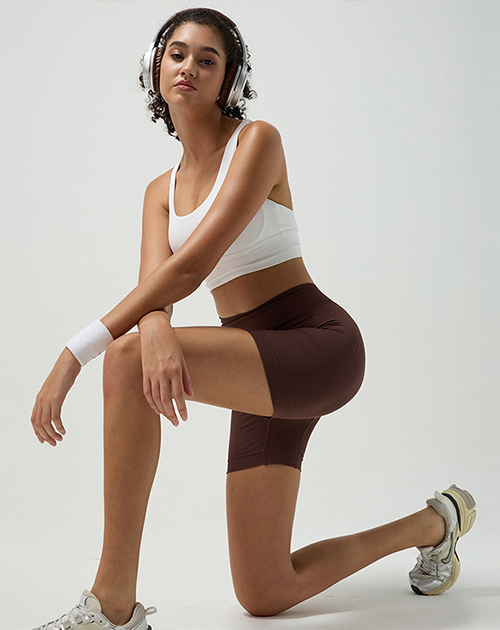
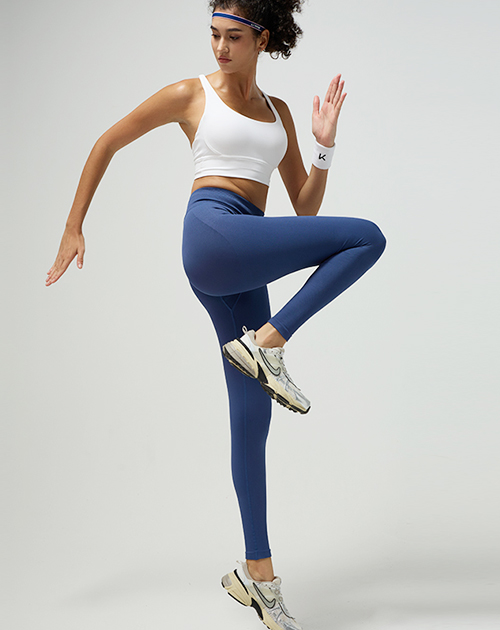
Clothing choices matter more than many practitioners realize. A garment that resists movement creates tension that works against the body's efforts. That resistance shows up in shallow postures, altered alignment, and unnecessary effort. Stretch Yoga Shorts address that problem by moving with the body rather than pulling against it.
The difference between stretch and non-stretch fabrics becomes clear during practice. Non-stretch materials hold their shape firmly, which means they do not give when the body pushes against them. Stretch materials elongate under tension and return to their original shape when the tension releases. That simple mechanical difference has real effects on what happens during a yoga session.
Range of motion refers to how far a joint can move in a given direction. Every joint in the body has its own range, determined by the structure of the joint, the surrounding muscles, and the connective tissues that hold everything together. Hip joints rotate, knees bend and straighten, spines flex and extend, and shoulders move through multiple planes.
Yoga postures intentionally move joints toward the edges of their range. A forward fold takes the hips into deep flexion and the spine into flexion. A lunge places the hip into extension while the knee bends deeply. A twist rotates the spine through its available rotation. Each posture targets specific joints and challenges their mobility.
Clothing interacts with these movements at every point. Fabric covers the joints, wraps around the limbs, and bridges the spaces between moving body parts. When the fabric cannot accommodate the movement, it pulls against the skin and creates resistance. That resistance requires the practitioner to work harder, which distracts from the posture and limits depth.
Stretch fabrics owe their behavior to the fibers and construction methods used in their production. Elastic fibers woven or knitted into the fabric allow elongation under tension. That elongation happens along the direction of the stretch, which can be lengthwise, crosswise, or in both directions.
When a stretch fabric encounters tension from movement, the fibers elongate and the fabric expands. That expansion accommodates the changing shape of the body underneath. When the tension releases, the fabric contracts back to its original dimensions. That recovery property sets stretch fabrics apart from non-stretch materials.
Non-stretch fabrics lack that ability to elongate. Their fibers hold their positions relative to each other, creating a fixed shape that does not change under tension. When the body moves against that fixed shape, the fabric resists the movement and pulls against the skin. That pulling transfers tension to the body and restricts what the joints can achieve.
| Fabric Behavior | Stretch Fabric | Non-Stretch Fabric |
|---|---|---|
| Response to movement | Elongates with the body | Resists movement |
| During deep flexion | Expands to accommodate the posture | Pulls against the skin |
| After movement | Recovers to original shape | Holds stretched or shifts |
| Effect on practitioner | Allows full movement | Restricts joint range |
Forward folds place demand on the fabric across the back of the legs and the lower back. The hamstrings lengthen, the knees straighten, and the spine rounds forward. Non-stretch fabric across those areas pulls against the skin and creates a sensation of tightness that is not actually coming from the muscles. That sensation distracts from the posture.
Hip openers such as pigeon pose and butterfly pose require freedom at the hip joint. The legs rotate outward and the pelvis tilts forward. Fabric covering the hip and thigh areas must accommodate that rotation without pulling. Stretch Yoga Shorts allow that rotation to happen without restriction.
Lunges and squats involve deep knee and ankle movement. The fabric across the front of the thigh stretches as the knee bends deeply. Non-stretch fabric across that area resists the movement and creates pressure against the knee and hip.
Comfort during yoga practice involves more than just physical sensation. A garment that pulls, binds, or chafes distracts the mind from the breath and the posture. That distraction interferes with the mental focus that practice requires.
Non-stretch fabrics pull against the body during movement, creating pressure points where the fabric tension concentrates. Those pressure points become more noticeable during longer holds. What starts as a minor annoyance can become a significant distraction over the course of a minute or two of holding a posture.
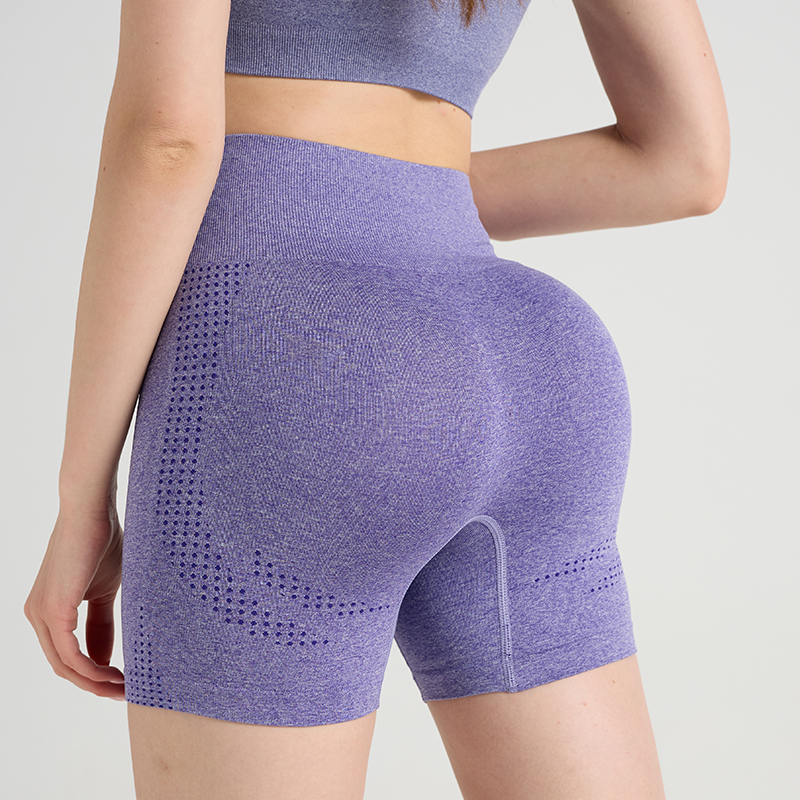
Stretch fabrics minimize pressure points by distributing tension across a wider area. The fabric conforms to the body's changing shape rather than concentrating force at specific spots. That conformity reduces the sensation of being pulled or restricted, which makes it easier to hold postures comfortably.
Pressure points from non-stretch fabrics become noticeable during longer holds
Recovery refers to the fabric's ability to return to its original shape after being stretched. Good recovery keeps the garment fitting properly throughout the practice session. Poor recovery leads to sagging and bagging as the fabric stretches out and stays that way.
During a typical yoga session, fabrics undergo repeated cycles of stretch and release. Each forward fold stretches the fabric across the back of the legs. Each return to standing releases that tension. Good recovery means the fabric returns to its original dimensions after each cycle.
The recovery property depends on the quality and construction of the elastic fibers in the fabric. Higher quality fibers maintain their elastic properties longer. Lower quality fibers lose their recovery over time, which causes the garment to stretch out permanently. A garment with poor recovery no longer fits properly and may start to move around during practice.
Not all yoga practices demand the same level of fabric stretch. Gentle styles with slow movement and long holds may require less stretch because the body moves through the postures gradually. Power yoga and vinyasa styles involve more dynamic movement and greater demands on fabric performance.
Dynamic styles require fabrics that stretch quickly and return to shape rapidly. The faster movement means the fabric has less time to accommodate the body's changing shape. A fabric that stretches slowly or recovers poorly cannot keep up with the pace.
The intensity of the practice affects how much the fabric stretches during each posture. More vigorous practices involve deeper flexion and extension in many postures. Those deeper movements place greater demands on the fabric to elongate without restriction.
Fabric choice is important, but it is not the only thing that decides how well a garment moves. Seam placement, panel shapes, and the way things are stitched all play a big role in how free you feel when wearing it. Even highly stretchy fabric can feel tight and awkward if the construction is not thought through.
Seams create lines where the fabric is joined, and those lines can become points of tension. A straight seam running across an area that needs to bend a lot will hold you back. Curved seams that follow the natural lines of the body tend to allow smoother motion. Flat seams lie closer to the skin and cause less rubbing during movement.
Gussets are one of those small details that make a surprising difference. They are extra pieces of fabric, often diamond-shaped, added into the crotch area. This gives the legs more room to open up without the fabric pulling tight. You notice it right away in wide stances or deep squats.
Panels cut to follow the body's contours also help. Instead of simple rectangular pieces, shaped panels reduce extra fabric in some spots and add room where it is needed. This makes the garment move more naturally with the body instead of bunching or stretching unevenly.
Here are some key construction points that affect movement:
Stitching choices matter too. Flatlock stitching creates a smooth, low-profile seam that reduces chafing. Bulkier stitches can feel irritating against the skin during long sessions or when sitting in certain positions.
Fabric weight changes how a garment feels and behaves even if the stretch percentage is similar. Lightweight fabrics have less mass, so they do not pull down as much during movement. This makes inversions and lifts feel lighter and less restricted. Heavier fabrics give a more substantial feel that some people like, but they also create more resistance and downward pull.
Drape is another important quality. Fabric that drapes well falls naturally when you return to a standing position and moves smoothly with the body. Fabric that drapes poorly tends to bunch up or cling in odd ways, pulling your attention away from practice.
Stretch fabrics give excellent movement, but they come with some compromises. When fabric stretches, it gets thinner, which can make it more see-through in certain positions. Shape retention also varies. Some stretch materials bounce back well and stay in place, while others start to sag after a few hours. Durability can be lower too because the constant stretching and relaxing puts more stress on the fibers.
When looking for Stretch Yoga Shorts, a few practical details make a big difference in real use:
Deeper hip openers and wide stances need more stretch. Flow-style practices benefit from fabric that recovers quickly so the shorts stay close to the body between poses. The waistband is often the part people notice first — a good one stays put without constant adjustment.
In the end, the combination of fabric, construction, and fit shapes how your practice feels. When the clothing moves with you instead of against you, it is easier to stay focused on breath and body sensation rather than adjusting or feeling restricted. A garment that lasts well also means more consistent practice sessions over time without sudden changes in how it fits or feels.
The right choice depends on what you personally need. Some people want more coverage, others want maximum freedom. Some practices demand lots of stretch, others need less. Taking time to notice how different options feel during actual movement usually leads to better long-term satisfaction on the mat.
Copyright © Jinhua Yongxing Knitting Co., Ltd.
 Seamless Yoga Sets


 English
 русский
 Español