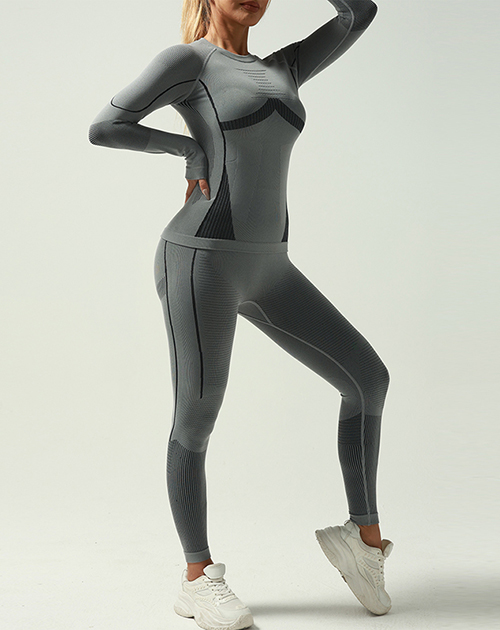
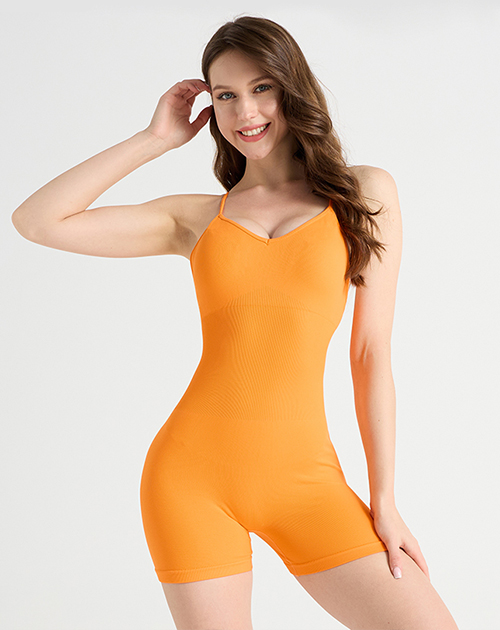
Comfort in clothing often comes down to details that are easy to overlook at first glance, especially when fabric stays close to the body for long periods and moves together with every step, stretch, or bend. Sensitive skin tends to react sooner than normal skin to rough contact, uneven pressure, or repeated rubbing, so clothing design matters more than appearance alone.
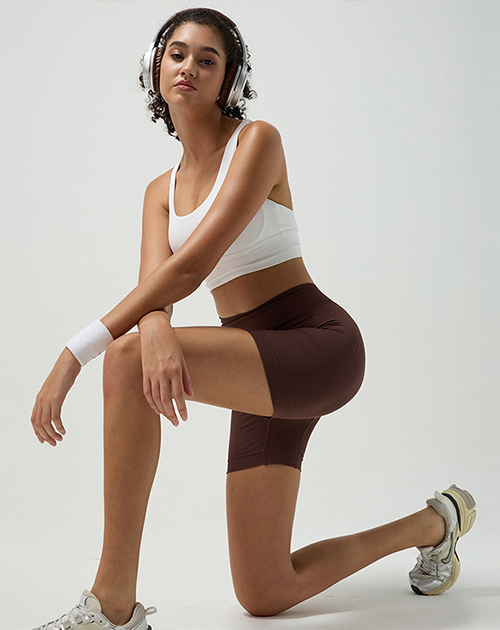
Tight-fitting shorts are expected to stay in place, support movement, and avoid creating extra trouble during wear. Traditional construction methods can leave joining areas that feel fine at the beginning, yet become more noticeable once the body starts moving through a full day or a workout session. Seamless Tight Shorts take a different approach by reducing the kind of contact points that often create irritation, which is one reason they are often considered in comfort-focused activewear.
Comfort also depends on how fabric, fit, and structure work together. A soft material still needs a suitable shape, and a smooth shape still needs enough stretch to follow movement without pushing too hard against the skin. For people with sensitive skin, that balance often makes a clear difference in how a garment feels after longer wear.
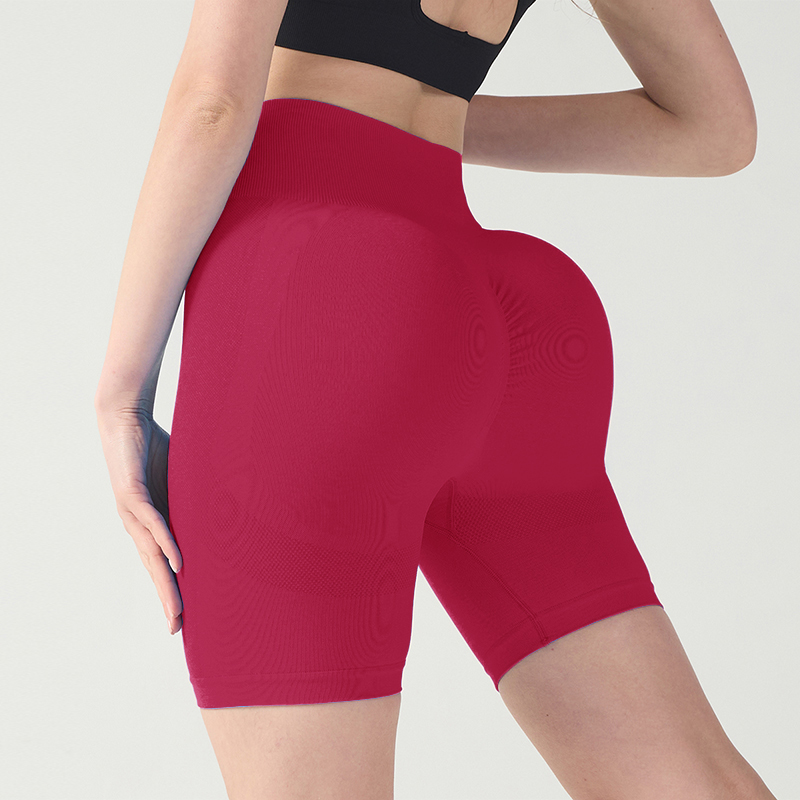
Skin reacts to pressure and friction in ways that are not always obvious at the start of wear. A garment may feel acceptable for a short time, then begin to cause discomfort once movement repeats around the same contact areas. Clothing structure plays a large part in that change because seams, edges, and tight joining points can create small areas of pressure that become more noticeable over time.
When fabric follows the body with less interruption, wearing comfort often improves in a quiet but steady way. Pressure spreads more evenly, movement feels less blocked, and the garment tends to stay in place without creating as much rubbing. That does not happen because one feature solves everything. Fit, stretch, and surface finish all work together, and each one influences how the garment feels against the skin.
Several structure-related points often affect comfort:
Sensitive skin usually needs a calmer contact surface, since repeated rubbing can become uncomfortable even when material itself feels soft. Clothing with a smoother internal structure can reduce the chance of those repeated touch points building into irritation.
Loose clothing can create its own kind of trouble as well. Fabric that shifts too much may rub against skin more often, while clothing that feels too tight may press in one area for too long. A balanced fit usually supports comfort better than either extreme, since the garment stays close without creating extra strain.
Seamless Tight Shorts are designed to reduce the number of raised or stitched areas that touch skin during movement. Less interruption in the structure often means fewer places where fabric can dig in, scratch, or rub during exercise and daily wear. That may sound like a small change, yet repeated movement tends to make small design details more noticeable.
Friction usually grows when fabric keeps moving across the same area of skin. Walking, stretching, cycling, training, and even sitting for long periods can create repeated contact, especially around the legs and waist. A smoother construction helps lower that contact feeling, allowing the garment to move in a more even way with the body.
| Design Element | Effect On Wearing Experience | Common Consideration |
|---|---|---|
| Seamless Structure | Reduces direct friction points | Useful for longer wear |
| Stretch Fabric | Follows movement more naturally | Needs balanced recovery |
| Smooth Surface | Feels gentler against skin | Depends on material finish |
| Close Fit | Keeps garment in place | Should avoid excess pressure |
Seamless construction does not work alone. Fabric quality, elasticity, and the way the garment sits on the body all shape the final feeling. A smooth structure can support comfort only when the rest of the design follows the same goal.
Sensitive skin often reacts after repeated wear rather than during a single movement. That makes low-friction construction more useful in real life than it may appear during a quick try-on. A garment that feels calm during longer use often matters more than one that simply looks neat on the hanger.
Material choice has a direct effect on how clothing feels against skin, especially when shorts stay close to the body and move with regular activity. A softer texture can make contact feel gentler, while suitable stretch helps the garment move without creating a pulling feeling around the legs or waist.
Air movement through fabric also matters because trapped heat and moisture can make skin feel more reactive. When clothing allows the body to stay more balanced during activity, comfort often improves in a way that is easy to notice after some time has passed.
Material features that often support sensitive skin include:
A material that stretches well still needs enough shape recovery to avoid sagging or bunching during use. Once fabric loses shape too easily, surface contact can become less even and friction may increase. On the other hand, fabric that feels too firm may create pressure where the body bends or moves more often.
Seamless Tight Shorts work well when material and structure support each other instead of trying to do separate jobs. Soft fabric with a smooth internal finish often creates a more natural wearing experience, especially for sensitive skin that notices repeated contact more quickly than other skin types.
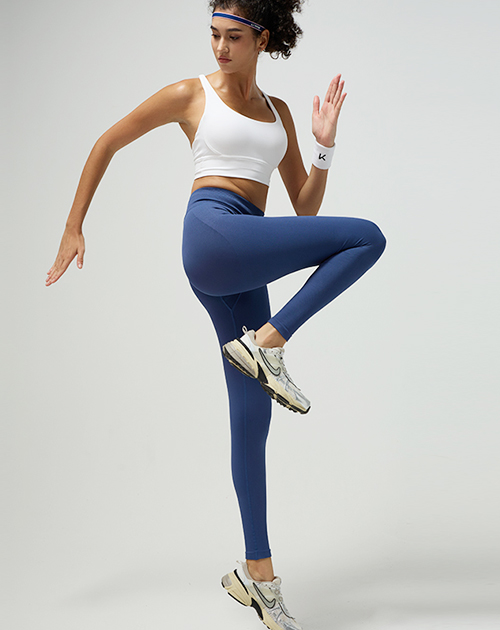
Fitness clothing really has to move with you. Tight shorts are all about finding that middle ground where they stay in place during a workout but don't feel like they're squeezing the life out of you after the first half hour. When you're constantly changing positions, the fabric needs to hold steady without bunching up, yet still stretch enough for squats, strides, or whatever the session throws at you.
The support comes from the close fit that keeps everything from shifting around too much. But if it's too tight, it starts to dig in and distract you halfway through. A lot of good designs mix firmer sections where you need stability with softer, more giving areas that let you move freely. The waistband is usually the make-or-break part. It has to stay put without rolling or cutting in, and the leg openings need to follow your stride without riding up or pinching.
When it works well, the shorts feel like they're working with your body instead of against it. You forget they're there during stretches or runs because the fabric just adjusts naturally. For anyone with sensitive skin, this balance is everything. Too much compression and you feel it immediately. The pairs that last through longer sessions are usually the ones that get both the hold and the softness right.
Once you start moving, your body heats up fast and sweat follows. If the fabric traps that moisture close to the skin, things get uncomfortable pretty quickly, especially if your skin is sensitive. Breathable materials help pull the dampness away and let some air get through, which keeps that sticky, irritated feeling from building up.
It isn't about making the shorts loose or baggy. Even snug designs can breathe if the fabric is built right. Some weaves or blends move moisture better than others while still holding their shape. For people who wear tight clothes regularly, this makes a noticeable difference during longer workouts or even just active days. Less trapped heat means less chance of skin getting red or itchy from constant contact.
Fit decides whether your shorts become part of the background or something you keep tugging at all day. A decent pair sits where it should without sliding down or riding up every time you move. The waistband needs to sit right so it doesn't roll when you sit or bend. Leg openings have to give you room to walk naturally without feeling restrictive.
For sensitive skin, good fit means less rubbing. When the fabric stays put instead of shifting around, there's less friction against the skin. That small difference adds up when you're wearing them for hours, whether you're training or just going about a busy day. The best ones feel secure but never punishing.
Picking Seamless Tight Shorts is mostly about how they actually feel once you're wearing them for real. Softness against the skin matters, but so does how the fabric stretches when you move and whether the waist and legs fit your body without gaps or pressure points. How they hold up after washing counts too.
A pair that feels nice in the store might lose its shape after a few wears if the stretch doesn't recover well. Think about what you'll actually use them for. Exercise shorts might need better moisture management, while everyday ones focus more on all-day comfort. Seamless styles can cut down on chafing, but they still have to match your body and habits to work well.
Comfort comes from a bunch of small choices during production. Designers have to think about how the shape will sit on real bodies, how the fabric behaves when stretched, and how different construction methods affect skin. It's not about one big feature but how all the pieces work together.
Planning the cut right helps avoid pressure spots. Fabric selection affects everything from softness to how well it moves sweat. Removing seams where possible reduces rubbing. Final checks catch little issues with fit or texture before anything ships out. Paying attention to actual feedback from people with sensitive skin leads to better decisions on surfaces and compression levels. Small tweaks in the process often make the biggest difference in daily wear.
Tight shorts will probably keep changing based on how people really live and move in them. As more focus goes to everyday comfort instead of just gym performance, things like soft fabric feel, stable fit, and gentle skin contact will stay important. Seamless designs and smarter materials seem to be heading in a good direction because they solve real problems.
The goal feels like making clothes that work across different parts of life, not just workouts. Sensitive skin needs are pushing for gentler contact and better moisture handling. In the end, the useful designs come from understanding how fabric, body, and daily movement actually connect rather than chasing single features.
Copyright © Jinhua Yongxing Knitting Co., Ltd.
 Seamless Yoga Sets


 English
 русский
 Español