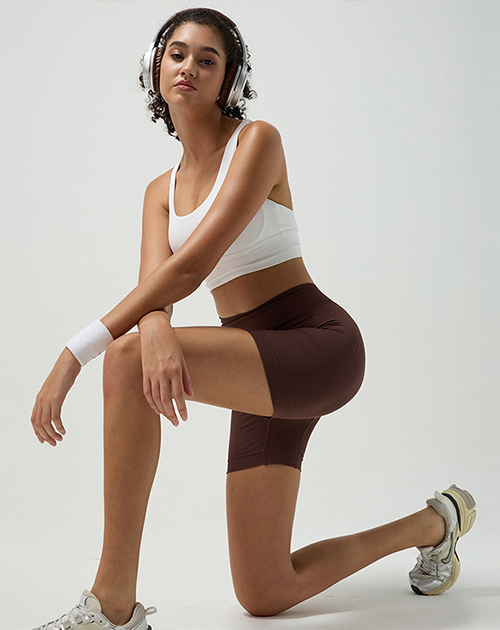
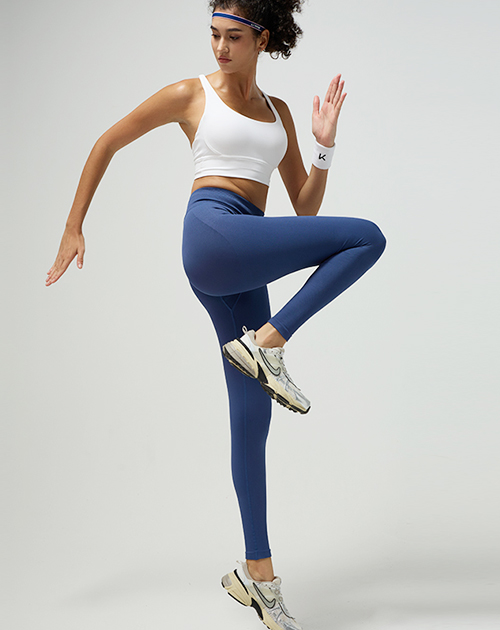
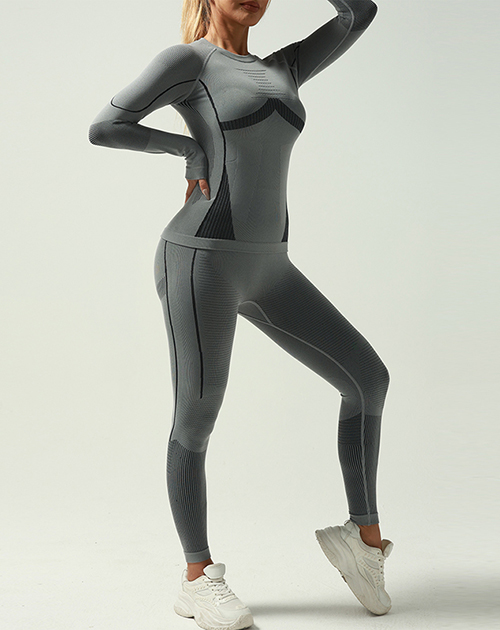
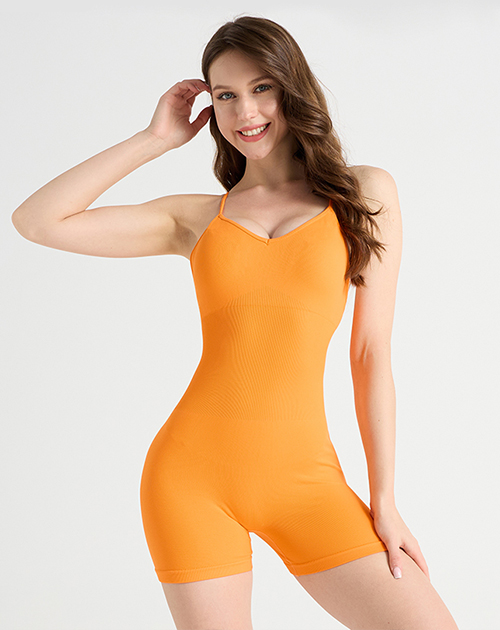
Moving well during exercise involves a lot of coordination. A squat needs the hips and knees to bend deeply. A press overhead asks the shoulders to rotate freely. Running wants the hips to extend and the knees to drive forward repeatedly. Any piece of clothing that gets in the way of these actions reduces the effectiveness of the movement itself. People unconsciously change their form to get around the garment's limitations, ending up in positions that shift stress to other places.
Take reaching upward as an example. A restrictive shoulder seam pulls down, cutting off some of the range the joint could otherwise cover. The person doing the lift responds by leaning back or pushing the elbows out wider. These are not huge changes, but done across many repetitions, they steer the body away from clean movement patterns. No single rep causes harm, but the sum total pushes the exerciser into habits that miss the intended target.
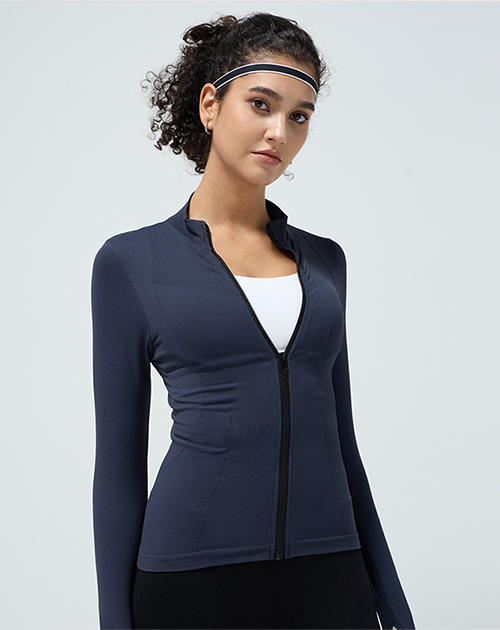
Fabrics that stretch provide a straightforward answer. Materials with some elastane content move along with the person rather than holding them back. The suit lengthens during active motions and bounces back when the movement finishes. This characteristic proves especially useful for yoga, pilates, and functional training—activities that take the body into positions well beyond everyday use.
Key areas where restricted clothing causes trouble:
Clothing that pulls also influences how the nervous system reads movement. When fabric tugs at a joint, sensory nerves send signals that may hold back full extension or bending. The body picks up the message that something stands in the way, even if the actual restriction is modest.
Sweating does a job. The body gets rid of heat through evaporation, keeping core temperatures within a livable range. The trouble starts when sweat hangs around against the skin. That pooled moisture does not evaporate well, so the cooling effect drops off. The body keeps producing sweat, the fabric keeps absorbing it, and the wearer winds up soaked and overheated at the same time.
Cotton shows this problem clearly. The fibres pull in water easily, hanging onto it instead of letting it pass through. A cotton shirt that begins the workout dry ends up heavy, clammy, and pasted to the skin. The wet material rubs with every motion. As the session goes on, that clamminess shifts from uncomfortable to irritating to genuinely distracting.
Synthetic wicking materials operate differently. The fibres themselves reject water; instead, they pull moisture away from the skin and distribute it over a bigger surface. This allows evaporation to happen faster, leaving the skin drier and the cooling system working as intended. The garment stays lighter and avoids that stuck-on feeling.
The contrast shows up within the opening minutes of any session. A decent workout suit keeps feeling okay even as effort levels climb. The wearer notices less of that sticky, heavy sensation that puts so many people off high-intensity training.
Chafing occurs when fabric slides over skin repeatedly across time. The rubbing produces heat and wears down the outer skin layer. Areas where skin folds or bones sit close to the surface suffer the worst. Inner thighs rub during running or cycling. Underarm seams dig in with pressing movements. Waistbands move around and create friction across the midsection. These spots turn red and tender, making the next workout unpleasant until everything heals over.
Fixing this comes down to two factors: what the garment is made of and how it is put together. Slick fabrics slide across the skin instead of catching on it. Microfibre materials feel softer than rough weaves or raised seams. How the garment is sewn matters too. Flat seams rest level with the surface rather than standing up as ridges. Seamless construction removes stitches from certain zones altogether, taking away possible rubbing points altogether.
Fit also affects chafing. A garment that does not fit well tends to wander around during activity. That wandering creates more chances for rubbing. A suit that holds its place moves together with the body instead of against it. Compression pieces hug the skin closely, cutting down on fabric movement and thereby cutting down on friction. The close fit also stops extra material from bunching up in folds that could rub against other skin areas.
Common spots that give people trouble:
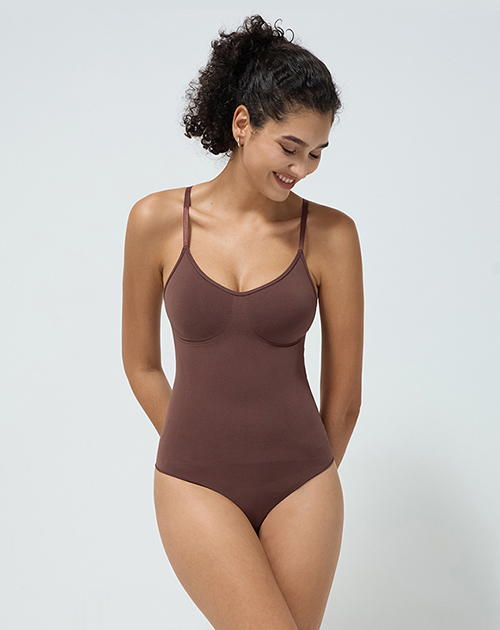
The fitness body shaper comes up here. These garments bring together compression and targeted shaping sections that smooth outlines while reducing motion between layers. For those who wear multiple pieces—a top over a base layer—the fitness body shaper can cut down on rubbing between fabric surfaces and between fabric and skin.
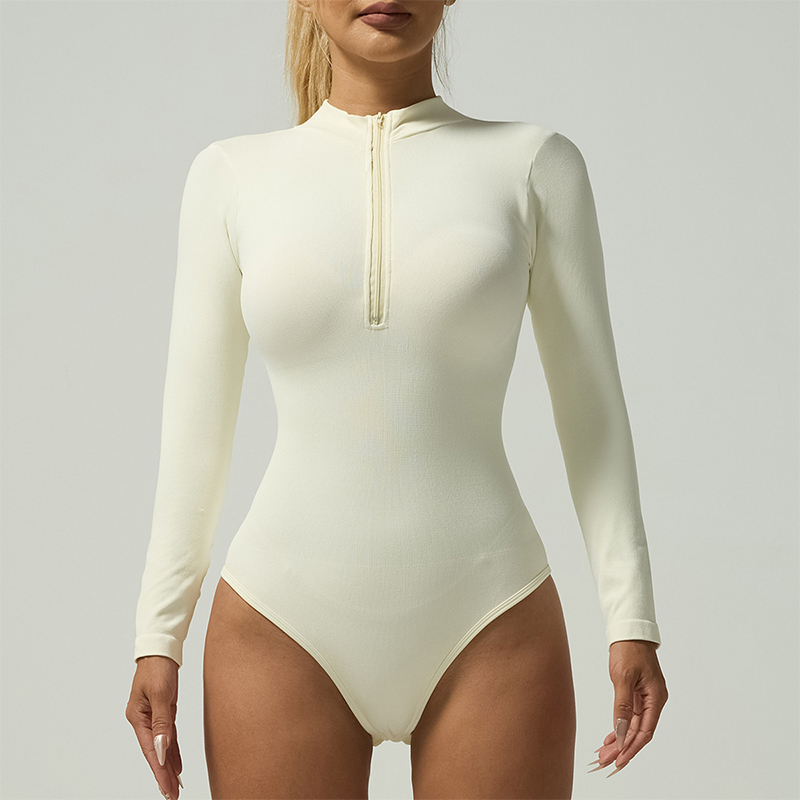
Compression garments put steady pressure on the tissues underneath. The concept comes from medical uses where graduated pressure assists blood circulation in the legs. In the training context, compression serves a few possible purposes during and after sessions. The pressure might cut down on muscle oscillation—those tiny vibrations that happen when muscles contract and relax during motion.
Recovery draws a lot of attention from regular gym attendees. After a tough session, muscles deal with small tears and swelling. Compression might assist in clearing metabolic leftovers more effectively by aiding venous return. The steady pressure encourages blood flow back toward the heart, moving out breakdown materials while bringing in fresh oxygen and nutrients. Some users say they feel less soreness in the days after heavy training, though responses differ from person to person.
How long compression is worn makes a difference. Wearing it through the workout offers one set of possible upsides. Wearing it afterward, sometimes across several hours, provides another. These uses can overlap; some people wear compression while training and keep wearing it into the recovery period.
| Problem Encountered | Feature That Addresses It | How It Works |
|---|---|---|
| Restricted movement during leg work | Four-way stretch fabric | Material gives and returns, allowing full joint movement |
| Heavy sweating and cling | Moisture-moving fibres | Channels pull liquid across fabric for quicker drying |
| Chafing on thighs and underarms | Flat seams and slick materials | Lower surface friction against skin |
| Soreness after hard sessions | Graduated pressure | Supports circulation and waste removal |
| Garment shifting during activity | Snug fit with stretch waistbands | Keeps fabric placed without excessive sliding |
| Getting too warm early on | Air panels or mesh sections | Lets hot air escape through designated zones |
| Odour trapped in fabric | Anti-bacterial fibre treatments | Reduces bacteria growth in sweat-soaked material |
| Lines showing under outer layers | Shaping sections with compression | Smooths contours and reduces visible ridges |
Temperature control during exercise goes beyond simple comfort. Muscles generate heat as they work, and that heat has to go somewhere. When it stays trapped, things start to slide. The heart pushes more blood toward the skin for cooling, leaving less oxygen for the muscles that actually need it. Fatigue shows up earlier than it should.
Garments handle this in different ways. Some fabrics hold warmth close, which helps during cold gyms or early warm-up phases. Others let heat escape freely, which suits intense work or warmer rooms. The right call depends on what the session involves.
Ventilation features actually do something useful. Mesh sections along the back or under the arms let hot air leave and cooler air come in. These spots match where the body puts out the most heat. The thinking is simple—not every part of the garment needs the same treatment.
Layering gives the wearer some control. A base layer pulls moisture off the skin. A mid-layer adds some insulation if needed. An outer layer, if worn, handles wind or light rain. This setup lets the person adjust as the session goes on. Starting with more coverage and peeling off layers as the body warms up works better than one fixed garment that cannot change.
What someone wears affects how they approach training. This holds true across many activities, and the gym is no different. A garment that stays put, breathes decently, and does not cause bother removes one less thing to think about. That mental room opens up for focusing on the work.
Confidence plays a part too. When a person knows their clothing will not slip, bunch up, or show more than intended, they move with less hesitation. That freedom shows up in the effort. Exercises get done with fuller ranges. Heavier loads get attempted. The session becomes about the work, not about managing the outfit.
Showing up consistently gets easier with comfortable clothing. People who feel good in what they wear tend not to dread the process. They do not spend the drive over thinking about that one annoying seam. The clothing fades into the background, which is exactly where it belongs.
Some people find that changing into specific workout clothes signals a mental switch. The act of putting on training gear marks the move from daily life to focused effort. This small routine helps draw a line between parts of the day.
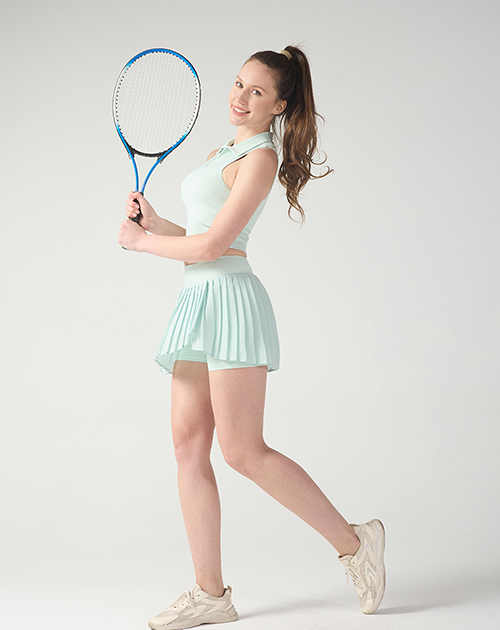
Not every gym activity asks for the same things. Weightlifting wants mobility and durability. Running needs moisture control and minimal rubbing. Yoga requires free stretch and a fit that stays secure through upside-down positions.
Lifting heavy puts stress on seams and materials. A squat or deadlift stretches fabric across the hips and thighs. Without enough give, the lifter cannot reach proper depth. Weak seams might split under load. The suit needs to handle repeated pulling without losing shape.
Running involves constant repetition. Arms swing, legs drive, the torso twists slightly each stride. Any rub point gets magnified over hundreds of steps. Moisture handling matters more here than in many other activities because the aerobic nature keeps sweat coming.
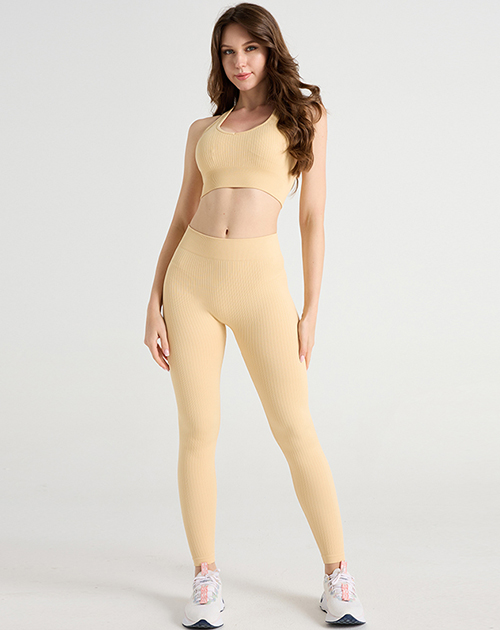
Yoga and pilates take the body into unusual spots. Forward bends, backbends, twists, and inversions all demand fabric that moves every which way. The garment should not gape open during inverted poses or bunch up in deep stretches.
High-impact work calls for supportive build. Running and interval training involve quick direction changes and forceful landings. The suit should hold things in place without restricting motion.
Common activity needs:
Many gym-goers train across several disciplines. One suit that covers multiple activities offers convenience. The trick is finding one that does reasonably well across different demands.
Technical materials need different care than everyday cotton. The fibres and treatments that give them their qualities can break down with bad washing habits. Heat, strong detergents, and softeners all take their toll over time.
Water temperature matters. Hot water harms elastic fibres, reducing stretch and recovery. Cool water keeps the material's properties intact. The garment holds its shape and fit across more wears.
Detergent choice affects performance too. Regular soaps often leave residue that coats fibres and reduces moisture movement. Sport-specific cleaners wash without leaving buildup. The difference shows up as the garment either keeps working or slowly loses its wicking ability.
Drying methods influence how long the garment lasts. High heat from a machine dryer breaks down elastic and shrinks some materials. Hanging to dry takes longer but preserves the original fit and function.
Odour management adds another layer. Sweat-trapped bacteria cause smells even after washing. Antimicrobial treatments help reduce bacterial growth, but these fade with repeated washing.
Simple care steps:
Good workout clothing costs enough that maintenance becomes worth attention. A garment that lasts through many sessions gives better value than one that falls apart quickly.
Drawing a line between real performance gains and personal taste takes honest thinking. Some features clearly address actual problems. Chafing reduction, moisture control, and freedom of movement fall into this group. These change how the workout feels and what the wearer can do.
Other aspects lean more toward preference. Colour options, cut variations, and small style details do not affect performance. They matter for how the wearer feels about the garment, which has its own value, but they do not solve physical issues.
Individual body types affect what counts as a solution versus a preference. A garment that fits one person perfectly might cause problems for another. The same feature that gives useful compression for one wearer might feel overly tight for someone else. Fit stays highly personal.
The fitness body shaper sits in an interesting middle spot. The shaping function addresses aesthetic preferences for some users. The compression side offers functional benefits for others. For many, both matter. The garment serves multiple purposes without needing to declare one more important than the other.
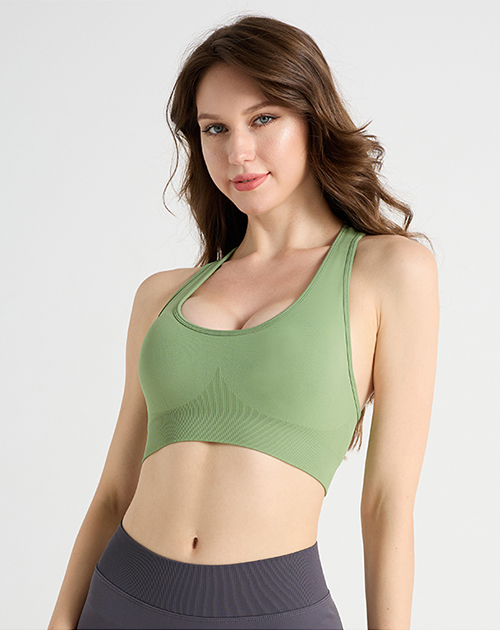
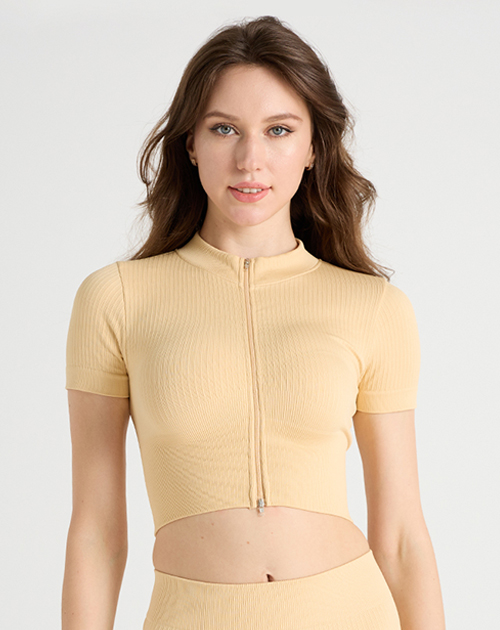
The Fitness Sports Suit solves certain problems clearly. Movement limits, moisture discomfort, and chafing all get direct responses from specific garment features. These are not made-up issues; they affect real people doing real workouts. The suit also caters to preferences around fit, style, and feel. Neither side should be dismissed. The mix of practical problem-solving and personal satisfaction explains why so many gym-goers choose purpose-made training wear over ordinary alternatives.
Copyright © Jinhua Yongxing Knitting Co., Ltd.
 Seamless Yoga Sets


 English
 русский
 Español