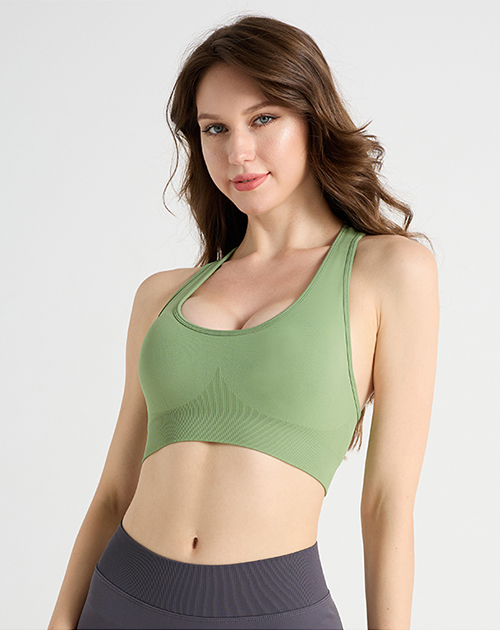
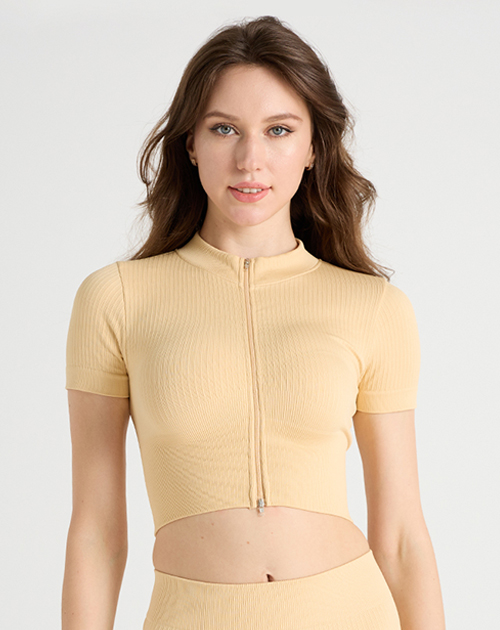
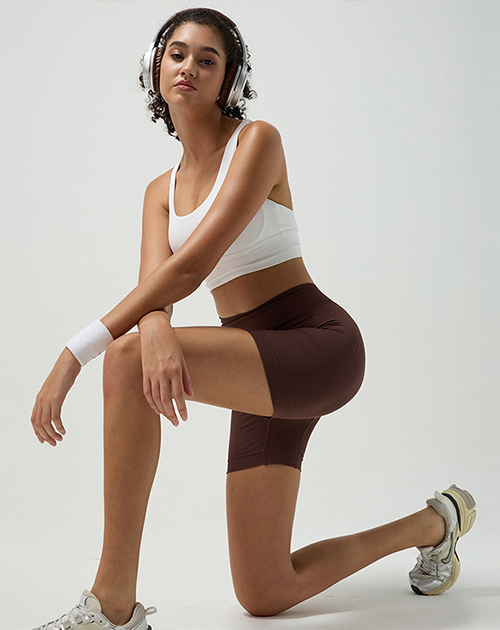
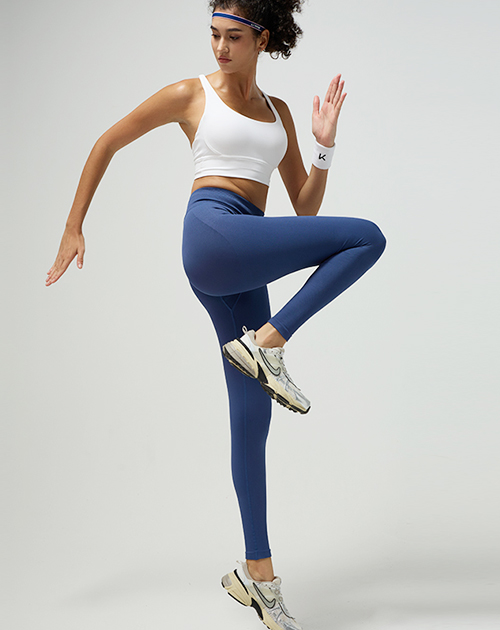
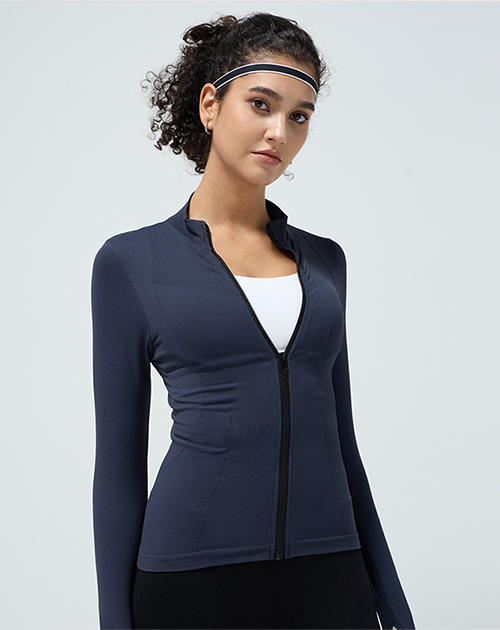
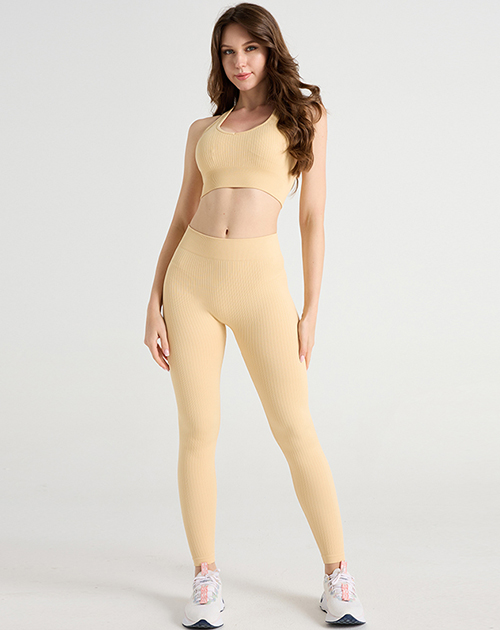
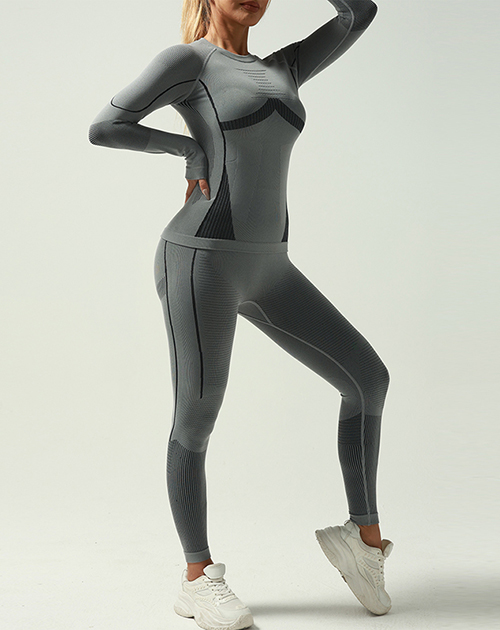
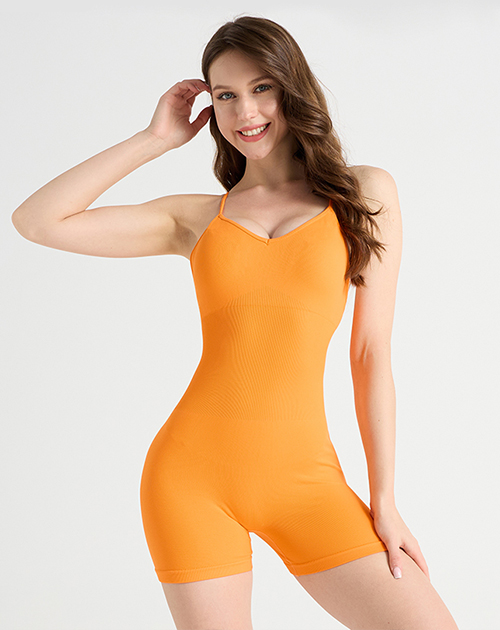
Pull on a pair of Quick Dry Yoga Shorts after a sweaty session, and the difference from cotton becomes clear right away. The fabric does not cling to the skin the same way. It moves moisture off the surface and into the air, so the wearer does not stay wet for long. Most of these shorts use synthetic fibers like polyester or nylon. Natural fibers soak up water and hold onto it. Synthetics push water across the surface where it can evaporate.
A few construction details make these shorts work for yoga. Flat seams prevent rubbing during movement. Wide waistbands stay put through different poses. Four-way stretch lets the wearer move freely in any direction. These features depend on the materials holding together and the quality of the manufacturing.
The drying speed comes from three things. The fiber type matters. The way the yarn gets spun matters. Any chemical treatment applied to the fabric matters too. Some shorts dry quickly because of what they are made from. Others rely on surface coatings to push moisture away. That difference becomes important when considering how the shorts will hold up after washing.
Every wash cycle stresses the fabric. The machine agitates the shorts, rubbing them against themselves and against other clothes. Detergent breaks down oils and dirt but also affects synthetic fibers. Hot water and hot air from drying add more stress.
The effects build up over time. The surface starts to look fuzzy as fibers snap and break. Areas that rub together, like the inner thighs, get thinner. The waistband stretches out and does not snap back the same way. These changes happen slowly, and users often do not notice until the shorts no longer perform as expected.
Care routines make a real difference. Washing in hot water speeds up fabric breakdown. Tumble drying adds heat and tumbling action that accelerate wear. Harsh detergents strip the finishes that help with moisture management. Gentler handling gives the shorts a longer useful life.
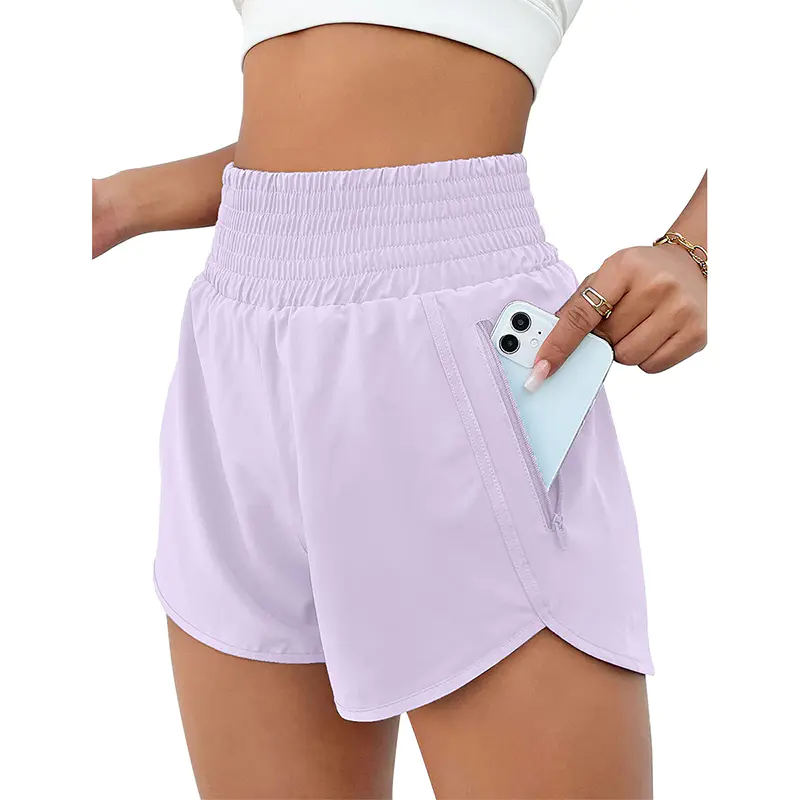
Hold a pair of Quick Dry Yoga Shorts up to the light after many washes, and the fabric tells a story. The smooth surface from when the shorts were new gets covered with tiny fuzzy bits. Pills, those small balls of tangled fiber, appear where friction happens. The waistband goes wavy instead of staying flat.
The fabric thickness changes too. The knit structure that gave the material its body compresses unevenly. Areas that see more movement and rubbing thin out. The crotch seam and side seams often wear through first. The shorts may start to feel see-through in those spots.
A few signs show up reliably:
Fiber breakage continues every time the shorts get washed. Filaments snap and leave shorter ends sticking out. These broken fibers catch on each other, forming pills that grow larger with each wash. The fabric loses its original softness and may feel rough during wear.
Moisture wicking depends on the surface chemistry of the fabric. Many Quick Dry Yoga Shorts get a chemical treatment that makes the inner side attract water and the outer side repel it. That gradient pulls moisture through the fabric so it can evaporate.
These treatments break down with washing. Detergents, especially those with optical brighteners or fabric softeners, attack the chemical bonds that create the wicking effect. The fabric becomes uniformly absorbent instead of directional. Moisture stays in the fabric rather than moving through it. Drying time goes up as wicking performance declines.
Some shorts get their wicking ability from the fiber structure itself, not from a surface treatment. These tend to last longer because the property is built into the material. The difference shows up after many washes. Treated fabrics lose performance gradually. Inherent wicking stays more stable over time.
Color fades in synthetic fabrics as dye molecules break down. The strength of the dye bond depends on the fiber type and the specific dye used. Some colorants hold fast through many cycles. Others wash out gradually, especially with hot water or sunlight.
Fading does not happen evenly across the garment. Areas that rub against other surfaces lose color faster. The inner thighs, the seat, and the waistband often fade before other sections. The shorts end up looking worn even if they still work fine.
Cold water washing keeps color better than hot. Shorter wash cycles reduce dye loss. Turning the shorts inside out before washing protects the outer surface from abrasion. Small changes in care make a visible difference in how quickly the color disappears across repeated washes.
| Observed Change | Primary Cause | Effect on Wear |
|---|---|---|
| Surface pilling | Fiber breakage from mechanical abrasion | Rougher texture, potential discomfort |
| Thinning fabric | Progressive fiber loss in friction areas | Reduced coverage, increased transparency |
| Warped waistband | Elastic fatigue from heat and stretching | Poor fit, less secure feel |
| Faded color | Dye loss from washing and light exposure | Less vibrant appearance |
| Stiffened fabric | Residue buildup or loss of softeners | Reduced comfort during movement |
Elastic fibers give yoga shorts that snug fit and the ability to bounce back after stretching. The waistband pulls on and returns to shape. The fabric moves through poses and holds its form when the wearer stands still. That bounce-back ability fades over time.
Heat does the most damage to elastic fibers. Hot water relaxes the molecular structure of spandex or elastane. The fibers lose some of their coiled memory and stay slightly stretched. The cumulative effect shows up as a waistband that has grown larger or legs that feel looser. The shorts still fit, but not like they used to.
Agitation from the washing machine also stresses elastic fibers. The spinning and tumbling work the fibers back and forth, wearing down the connections that give them spring. The damage adds up across many cycles, slowly reducing the fiber's ability to snap back to its original length.
Some signs point toward declining elastic recovery:
Two identical pairs of shorts will look and perform very differently after twenty washes if one gets gentle care and the other gets harsh treatment. The difference comes down to a few simple choices.
Cold water preserves fibers better than hot. Heat breaks down synthetic polymers and speeds up elastic fatigue. Washing in cold water protects both the fabric structure and the chemical finishes that help with wicking. The energy savings make cold washing an easy choice anyway.
Drying method matters just as much. Tumble drying adds both heat and mechanical stress. The tumbling action rubs fibers together, accelerating pilling and thinning. Air drying lets moisture evaporate without adding any stress to the fabric. Hanging the shorts to dry takes longer but extends their useful life.
Detergent selection affects longevity too. Some detergents contain enzymes that break down protein stains but also affect synthetic fibers. Fabric softeners coat fibers with a layer that changes moisture behaviour and attracts dirt. A simple detergent designed for activewear often works better than a multi-purpose product with lots of additives.
Quick Dry Yoga Shorts come in various fiber blends. Nylon and spandex shows up in some. Polyester and spandex appears in others. Each blend has its own wear characteristics, and the differences become clear after repeated washing.
Nylon stands up well against abrasion. The fiber is tough and resists pilling better than polyester. Nylon-spandex blends often keep their appearance longer through multiple wash cycles. The drawback is that nylon absorbs more moisture than polyester, so drying times run longer.
Polyester dries faster than nylon and holds its shape well. The fiber resists stretching and maintains dimensional stability. Polyester-spandex blends typically offer quicker drying than nylon blends, but they may pill more in high-friction areas.
A few points about blend performance stand out:
The way shorts get made affects how well they survive repeated washing. Yarn construction matters. Fibers twisted tightly together hold up better than loosely spun yarns. Tightly twisted yarns resist pilling and maintain fabric integrity through many wash cycles.
Fabric density makes a difference too. A tight knit or weave with more yarns per inch stands up better than a loose, open construction. The denser fabric resists abrasion and takes longer to thin out. The trade-off is weight and breathability, but the added durability often balances out the extra heft.
Seam construction deserves attention. The thread type and stitch style affect how well seams survive washing. Quality thread holds up to mechanical stress without breaking or fraying. Flat seams, common in yoga shorts, reduce abrasion against the skin and also protect the seam line from excess wear.
Finishing processes add durability. Heat setting stabilizes synthetic fibres, locking in their shape and preventing shrinkage. This step happens during manufacturing. Skipping or shortening heat setting produces shorts that may shrink, stretch, or distort after a few wash cycles.
Assessing whether Quick Dry Yoga Shorts have reached the end of their useful life requires looking at both performance and appearance. The shorts may still look fine but no longer perform as intended. Or they may look worn but still function adequately.
A visual check catches obvious issues. Pilling across the seat or inner thighs indicates fiber breakdown has progressed. Thinning fabric becomes noticeable when held up to light. Discoloration, especially in high-friction areas, suggests the material has degraded. Holes or frayed seams point toward replacement.
Performance testing is straightforward. Put the shorts on and move through a few basic poses. Do they stay in place? Does the fabric move with the body or resist stretching? After a few minutes of activity, does the fabric feel dry or damp? Any decline in performance that affects comfort or function signals that the shorts have passed their useful life.
Fit evaluation rounds out the assessment. Compare the current fit with memory of how the shorts fit when new. A waistband that now feels loose, legs that sag, or a seat that drapes differently all indicate elastic fatigue. These changes do not make the shorts unwearable, but they mean the garment no longer offers the support it once did.
The decision to keep or replace comes down to personal tolerance for declining performance. Some users retire shorts at the first sign of pilling. Others wear them until holes appear. The middle ground falls somewhere between those extremes, based on how much performance the user expects from the garment. Quick Dry Yoga Shorts will not last forever, but understanding what to look for helps users get the full value from each pair.
Copyright © Jinhua Yongxing Knitting Co., Ltd.
 Seamless Yoga Sets


 English
 русский
 Español