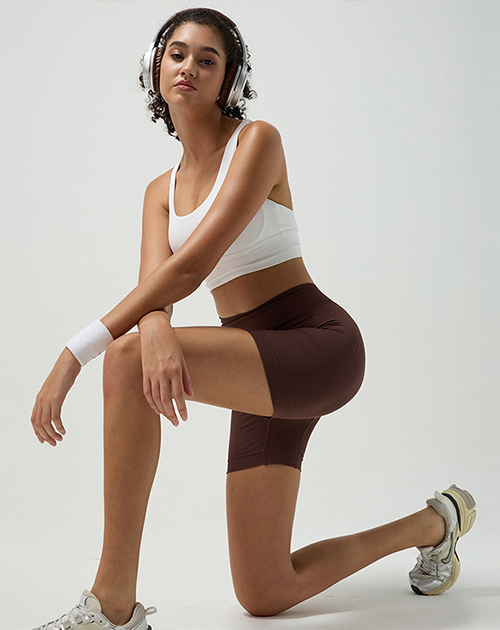
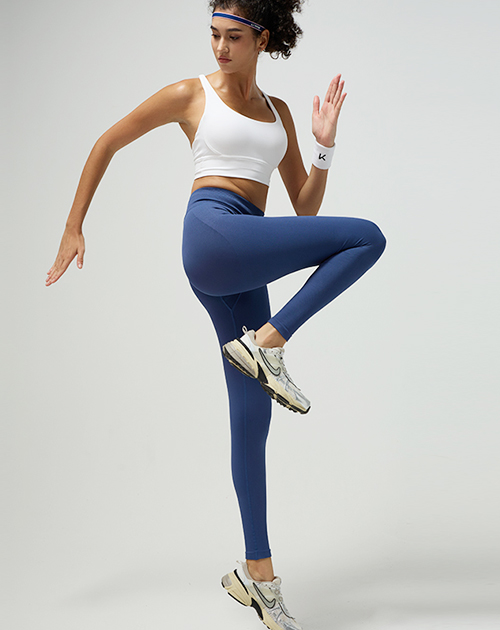
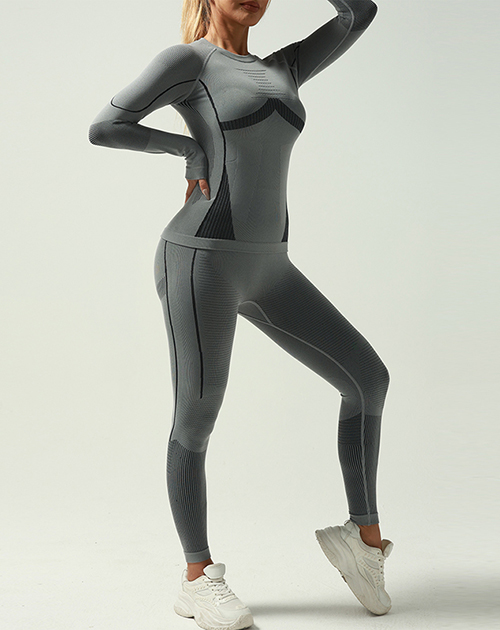
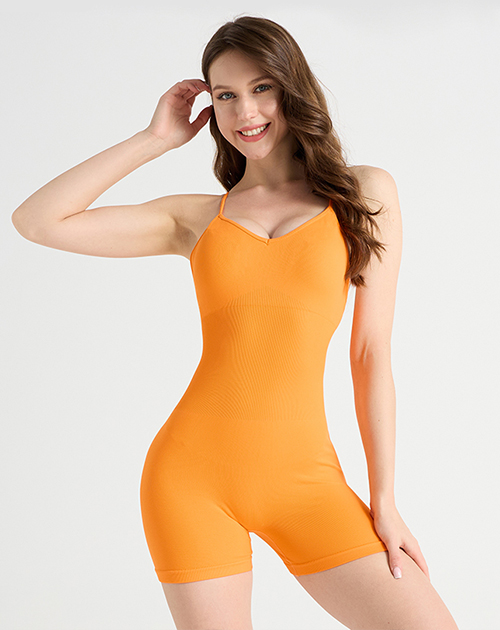
Not all shorts are the same. Two garments that look similar at a glance can feel entirely different when worn. One stays in place, holds the muscles steady, and provides a sense of stability. Another moves with the body but offers less resistance and less structure. The difference becomes apparent during movement.
Support in activewear matters. A garment that provides it changes how the body performs and how the wearer feels. Fitness Tight Shorts are built with support as a primary goal. Regular yoga shorts focus on other qualities—flexibility, breathability, freedom of movement. Two designs, two sets of priorities, two different experiences.
Knowing why support differs between these shorts helps in making better choices. Support comes from specific features: fabric choice, construction, and design details. Each element adds to how the garment feels during activity.
Compression is how Fitness Tight Shorts deliver support. A snug fit applies gentle pressure to the muscles underneath. That pressure does several things.
One effect is physical. Muscles move less independently when compressed. Surrounding tissue holds them in place, reducing small vibrations that happen during movement. Less vibration means less wasted energy. The muscle focuses on the work at hand.
Another effect involves circulation. Compression can aid blood flow by helping veins return blood to the heart. Better circulation may delay fatigue during sustained activity. The effect is subtle, but people notice the difference.
Regular yoga shorts use less compression. Their fit is looser, and their fabric stretches more easily. They move with the body rather than holding it. Without compression, muscle behavior during activity changes.
Materials tell part of the story. Fitness Tight Shorts use fabrics with higher density. The denser material resists stretch and provides more structure.
How the fabric stretches matters too. Supportive shorts stretch to a point and then stop. That resistance creates the support. Yoga shorts stretch more freely and keep stretching as the body moves. More freedom, less support.
Weave tightness influences support. A tighter weave reduces how much the fabric shifts against itself. The garment keeps its shape and maintains compression. A looser weave lets the garment move with the wearer.
Fabric weight contributes as well. Heavier fabrics give more compression. Lighter fabrics breathe better but offer less structure. Fitness Tight Shorts lean toward heavier materials to achieve their supportive feel.
The waistband holds everything in place. Fitness Tight Shorts use a wide band that sits flat against the waist. That width spreads pressure over a larger area, reducing tightness while maintaining hold.
Elastic tension matters. The band must be firm enough to stop the shorts from sliding down during movement. Supportive shorts use higher tension than yoga shorts. That extra tension provides security and cuts down on adjustments.
Yoga shorts take a different approach. A narrower band with less tension prioritizes comfort during poses that need a relaxed fit. More movement, less hold.
The waistband also affects where the garment sits. A short that stays put gives consistent support across the hip and gluteal muscles. A short that shifts changes the support pattern.
| Feature | Fitness Tight Shorts | Regular Yoga Shorts |
|---|---|---|
| Waistband width | Wide | Narrow to moderate |
| Elastic tension | Firm | Moderate to light |
| Hold during activity | Secure | Moves with body |
| Adjustment needed | Minimal | May require adjustment |
| Comfort priority | Stability | Freedom of movement |
Support changes how muscles work during activity. Stabilized muscles perform more efficiently. They do not waste energy controlling their own movement. That energy goes toward the work they are meant to do.
The effect on fatigue shows up in how people feel. Many who have worn both types report less tiredness after activity in supportive shorts. Being held seems to reduce overall effort.
Activities that involve running, jumping, or explosive movements benefit from more support. Higher forces create a greater need for stabilization. Fitness Tight Shorts meet that need.
Yoga shorts serve a different purpose. Yoga emphasizes flexibility and controlled motion. Lower support allows a greater range of movement. The garment does not restrict, which suits the activity.
Seams hold the garment together, but they do more than that. Where the panels join and how they are sewn affect how the short fits and moves. Fitness Tight Shorts use panel construction that follows the body's contours. The panels are shaped to wrap around the muscles they cover. That shaping provides a better fit and more consistent support.
Flat seams are common in supportive shorts. The stitching lies flat against the skin rather than standing up. The flat profile reduces chafing and allows the fabric to sit smoothly against the body. Smooth seams also help the garment maintain its compression across the entire surface.
Yoga shorts often use simpler construction. Fewer panels and simpler seams keep costs lower. The simpler construction works for yoga, where freedom of movement matters more than contouring.
Strategic seam placement can enhance support. A seam running along the gluteal fold follows the natural line of the body. It does not restrict movement but helps the garment stay in place during activity. Fitness Tight Shorts often incorporate such design features.
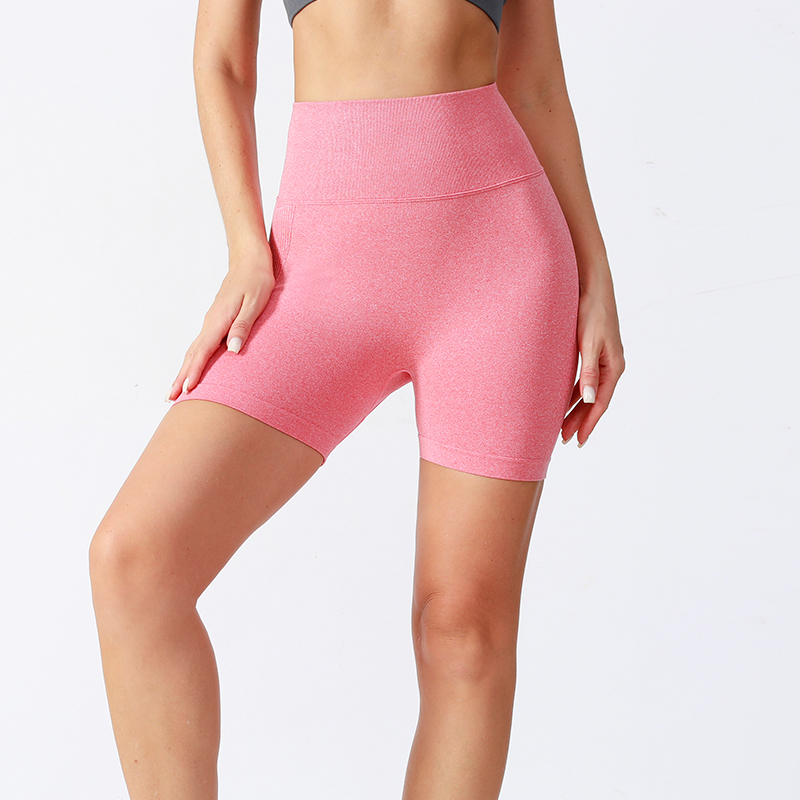
Support and breathability do not have to conflict. Fitness Tight Shorts are made from fabrics that pull moisture away from the skin. The moisture moves to the outer surface, where it evaporates. That process keeps the skin drier and helps regulate temperature during activity.
The tight fit does not block airflow. The fabric breathes, and the moisture management works with the compression. The result is a garment that supports without overheating.
Regular yoga shorts often focus on breathability above other factors. The looser fit allows more air circulation. The moisture management may be less engineered because the fabric sits further from the skin. The approach works for low-intensity activity.
Different activities create different moisture needs. A high-intensity workout generates more sweat than a yoga session. Fitness Tight Shorts are designed to handle that demand.
Support changes how movement feels. A Fitness Tight Short creates a sense of being held. The feeling can be reassuring during intense activity. The garment moves with the body, but it also provides resistance that reminds the wearer of the support.
The snug fit also changes the sensation of the fabric against the skin. The contact is continuous, and the texture of the fabric is more noticeable. The feeling becomes part of the experience of the activity.
Yoga shorts provide a different sensory experience. The fabric moves more freely, and the contact with the skin is less constant. The sensation is lighter and less structured. The experience is appropriate for the activity.
The choice between the two is personal. Some people prefer the feeling of being held. Others prefer the freedom of less structure. Understanding the difference helps in making the choice.
A Fitness Shorts Supplier does more than provide a product. The supplier brings expertise in materials, construction, and fit. That knowledge shapes the final garment.
Suppliers work with brands to develop shorts that meet specific performance requirements. The process involves selecting fabrics, designing panels, and testing the fit. The collaboration between supplier and brand results in a garment that supports the intended activity.
A good supplier also advises on material selection. Different activities need different fabrics. A supportive short requires a fabric that provides compression without restricting movement. The supplier's knowledge guides the selection.
The balance between support and flexibility is a key consideration. A garment that offers too much support may feel restrictive. A garment that offers too little may not provide the benefits expected. The supplier helps find the right balance.
The decision between Fitness Tight Shorts and regular yoga shorts depends on the activity. High-intensity workouts benefit from the support. Running, jumping, and strength training all involve forces that need stabilization.
Yoga and similar activities benefit from less support. The movement is controlled, and the focus is on flexibility. A looser garment allows a greater range of motion.
The choice also depends on personal preference. Some people prefer the feeling of support even for low-intensity activities. Others prefer the freedom of a looser fit. The right choice is the one that feels best for the individual.
Factors to consider include:
Support in activewear is not a marketing claim. It is a functional feature that affects performance and comfort. Fitness Tight Shorts are designed to provide that support through compression, fabric choice, waistband design, and construction.
Regular yoga shorts serve a different purpose. They prioritize freedom and flexibility. The choice between the two is a choice between different priorities. Both have a place in the activewear wardrobe.
Understanding the difference between the two types helps in making informed choices. The features that provide support are built into the garment. Recognizing those features makes it easier to choose the right short for the activity.
Copyright © Jinhua Yongxing Knitting Co., Ltd.
 Seamless Yoga Sets


 English
 русский
 Español