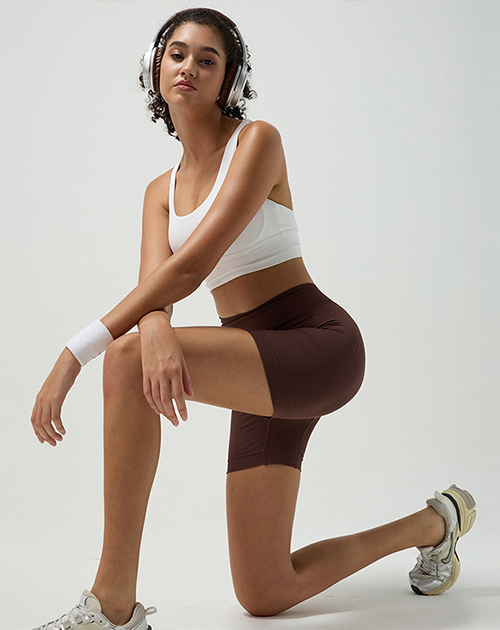
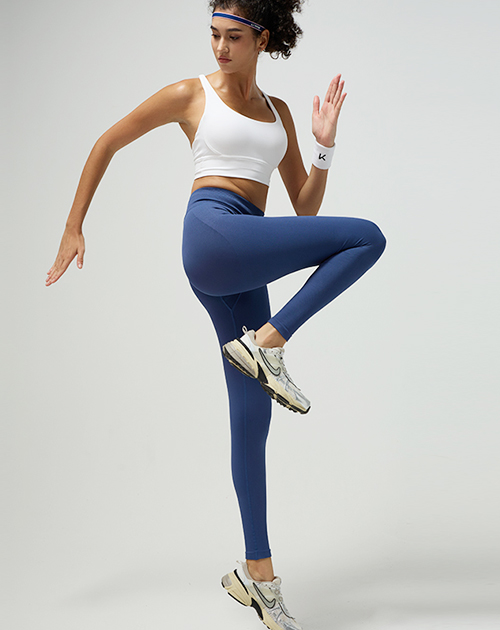
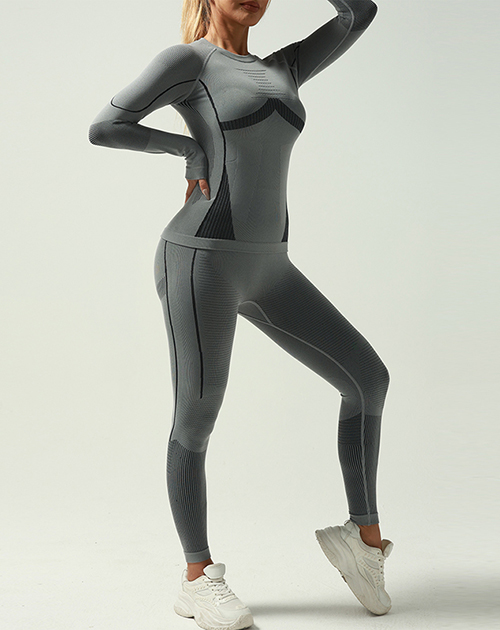
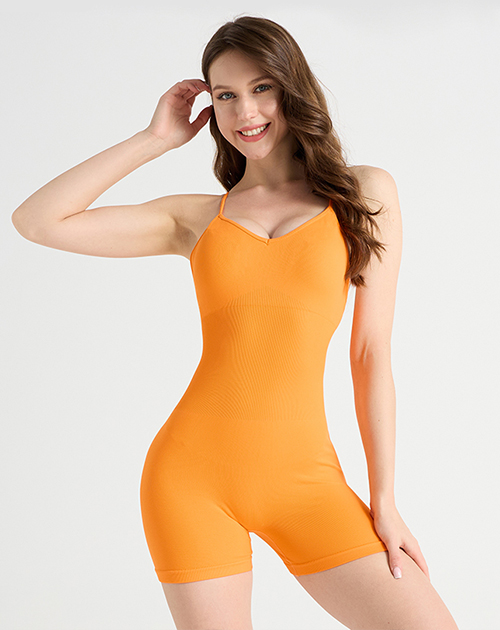
A pair of Quick Dry Yoga Shorts looks simple enough. Two legs, a waistband, a few seams. The simplicity hides the engineering that goes into the fabric. Every part of the garment works toward one goal—keeping the wearer comfortable during activity.
The defining characteristic appears in the name. These shorts dry quickly. Sweat moves away from the skin and evaporates from the fabric surface. The process happens fast enough that the garment does not stay wet for long. That quick drying sets these shorts apart from ordinary athletic wear.
The construction reflects the intended use. Yoga involves stretching, bending, and holding positions. The shorts need to move with the body. The fabric needs to stretch and recover without losing shape. A Fitness Shorts Supplier considers all these requirements when designing a product line.
The popularity of quick dry shorts has grown with the popularity of activities that cause sweating. People want to stay comfortable during and after their workout. The shorts help with that comfort by managing moisture effectively.
Sweat happens during exercise. The body produces moisture to cool itself. The moisture needs to go somewhere. In ordinary fabrics, the sweat gets absorbed into the material and stays there. The wet fabric feels heavy and cold against the skin.
Quick dry fabrics handle moisture differently. The fabric structure moves sweat away from the skin surface. The moisture spreads across a larger area of the fabric. The increased surface area allows faster evaporation. The process keeps the skin drier.
The movement of moisture through the fabric happens through capillary action. The small spaces between fibers act like tiny tubes. Liquid moves through these spaces away from the body. The fabric effectively pumps moisture from the inside to the outside.
The evaporation completes the process. Air movement across the fabric surface carries away moisture vapor. The fabric dries as the moisture leaves. The Quick Dry Yoga Shorts go from wet to dry in less time than cotton or other natural fabrics.
The fiber type drives the drying performance. Synthetic fibers like polyester, nylon, and polypropylene do not absorb much water. The water stays on the fiber surface rather than entering the fiber. That surface moisture evaporates quickly.
The shape of the fiber affects drying as well. Some synthetics use multi-lobal cross-sections. The irregular shape creates more surface area. More surface area means faster evaporation. The fiber shape contributes to the overall drying speed.
The fabric construction also matters. Knit fabrics have more open structure than woven fabrics. The openings allow air circulation that aids drying. The knit structure stretches and moves with the body.
| Fiber Type | Water Absorption | Drying Speed | Common Use |
|---|---|---|---|
| Polyester | Low | Fast | Active wear |
| Nylon | Low | Fast | Active wear |
| Cotton | High | Slow | Casual wear |
| Bamboo | High | Slow | Loungewear |
| Wool | High | Slow to medium | Outdoor wear |
Blending fibers can provide a balance of properties. A mix of synthetic and natural fibers might offer comfort of cotton with the quick drying of polyester. The blend ratio determines the drying performance.
The openness of the fabric influences how quickly moisture leaves. Fabric with more open spaces allows more air to circulate. Air movement across the fabric carries moisture away. The drying happens faster.
Fabric thickness affects drying time. Thicker fabrics hold more moisture. The moisture takes longer to evaporate from a thicker material. Thinner fabrics dry faster because they hold less water. The balance between fabric weight and durability matters for active wear.
The surface texture of the fabric influences the feel against the skin. Smooth surfaces tend to feel more comfortable. Textured surfaces may feel rough. The texture also affects how the fabric handles moisture. A Fitness Shorts Supplier considers these factors when selecting materials.
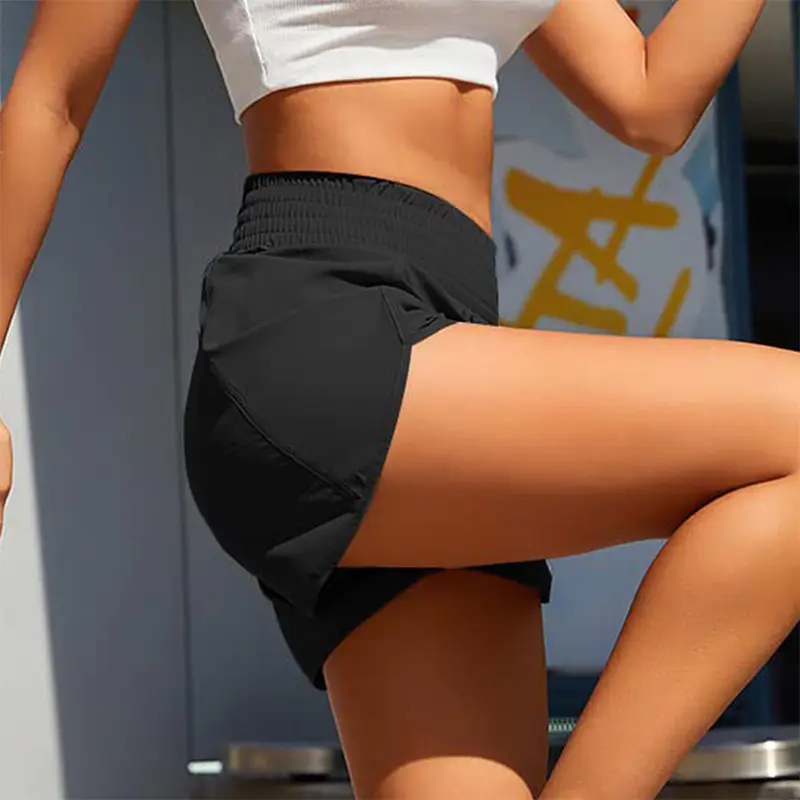
Cotton has been a staple of clothing for centuries. The fiber feels soft against the skin. The material breathes well. Those qualities have made cotton a standard choice for everyday wear.
The problem with cotton appears when sweating starts. Cotton absorbs moisture readily. A cotton garment can hold many times its weight in water. The wet cotton feels heavy and stays wet for a long time. The moisture against the skin can cause chafing and discomfort.
Quick dry shorts work differently. The synthetic fibers do not absorb water. Moisture stays on the surface and evaporates quickly. The shorts remain lightweight even when wet. The fabric does not cling to the skin in the same way as wet cotton.
Fabric alone does not make a good pair of shorts. The way the pieces get put together matters just as much. A poorly placed seam can ruin an otherwise perfect garment.
The waistband does more than hold the shorts up. A wide band spreads pressure across the stomach area. Narrow bands dig in and leave marks. Some waistbands include drawstrings, though many people never touch them after the first wear. The elastic needs to hold without being too tight.
Leg openings deserve attention too. Shorts that ride up become annoying fast. The wearer spends more time adjusting than focusing on the workout. The cut of the leg opening determines whether the shorts stay in place or not.
Seams rub against skin during movement. Flat seams cause less friction than raised ones. The location of seams makes a difference as well. A seam running right through a high-movement area will cause problems.
Some Quick Dry Yoga Shorts come with built-in liners. The liner adds another layer between the body and the outer fabric. Some people like the extra coverage. Others find the liner unnecessary. The preference varies from person to person.
Yoga asks a lot from clothing. The body moves into positions that test flexibility. The shorts need to move with the body, not against it.
Short inseams allow more leg movement. Long inseams provide more coverage. The right length depends on personal comfort. Someone doing deep stretches might prefer shorter shorts. Someone doing more stationary poses might not care as much.
Stretch in the fabric matters for mobility. The material needs to give when the body bends. It also needs to return to shape when the body straightens. Cheap fabrics lose that recovery over time.
The fit affects moisture management too. Fabric that sits against the skin moves sweat away better. Loose fabric lets air circulate but does not wick as effectively. The trade-off between fit and airflow depends on what feels better during activity.
A Fitness Shorts Supplier considers these trade-offs during development. The goal is a balance between movement, comfort, and moisture management.
Laundry routines affect how long shorts keep their quick dry properties. What happens in the washer matters as much as what happens during the workout.
Fabric softener causes problems. The softener coats the fibers and blocks the spaces where moisture moves. The shorts still dry, though not as fast as before. The recommendation usually says to skip the softener entirely.
Hot water damages synthetic fibers. The heat breaks down the material over time. Cold or warm water works better. The shorts last longer when washed at lower temperatures.
The dryer causes its own problems. High heat shrinks synthetic fabrics and damages the stretch. Air drying preserves the fabric properties. The shorts dry quickly anyway—that is the point of the material.
| Care Practice | What Happens | Why It Matters |
|---|---|---|
| Using fabric softener | Coats fibers | Slows drying |
| Washing in hot water | Damages material | Shortens life |
| Machine drying on high | Shrinks fabric | Changes fit |
| Air drying | Preserves properties | Keeps performance |
A Fitness Shorts Supplier provides care instructions for a reason. Following them helps the shorts perform as intended for longer.
Quick dry shorts work for more than yoga. The same qualities that help during a yoga session also help during other activities.
Yoga involves staying in positions for extended periods. Sweat builds up gradually. The quick dry material keeps moisture away from the skin through long holds. The wearer stays comfortable through the session.
Running and high-intensity work generate sweat quickly. The shorts need to handle that sweat without becoming heavy. The quick dry material works well for both steady and intense efforts.
Gym workouts mix different types of movement. Lifting, stretching, cardio—each produces sweat in different ways. The shorts handle the varied demands of a full workout session.
After the workout, the shorts dry fast. The wearer can leave the gym without changing into dry clothes. The comfort continues after the activity ends.
Choosing shorts involves personal preference. What works for one person may not work for another.
The activity matters. Yoga requires freedom of movement. Running requires shorts that stay in place. The shorts need to suit the activity.
Length preferences vary. Some people like shorter shorts for more movement. Others like longer shorts for more coverage. The choice affects how the shorts feel during activity.
Fit preferences differ as well. A tighter fit helps with moisture movement. A looser fit allows more air circulation. The preference depends on what feels better during the workout.
Quality matters. Shorts that last longer cost less over time. The stitching, fabric, and construction all affect durability. A Fitness Shorts Supplier offers options at different quality levels.
The decision comes down to what works for the individual. Someone who sweats heavily might prioritize quick drying. Someone who does lighter sessions might focus more on fit. The selection reflects personal needs and preferences.
Copyright © Jinhua Yongxing Knitting Co., Ltd.
 Seamless Yoga Sets


 English
 русский
 Español