Hot yoga changes the way clothing behaves very quickly, because the room stays warm, the body keeps moving, and sweat begins to build before the session has even settled into a rhythm. In that kind of setting, fabric does not sit quietly in the background. It works together with body heat, room temperature, and movement, and the difference becomes easy to notice once practice lasts beyond a few minutes.
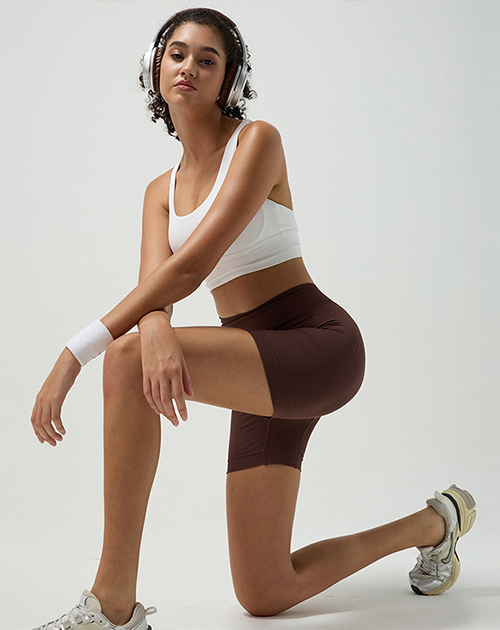
Lightweight Yoga Shorts are often discussed in hot yoga because lighter fabric usually lets the skin feel less trapped when the body warms up. Air still needs a path to move, moisture still needs a place to go, and the fabric becomes part of that process. When the material feels heavy or holds warmth too long, the body often notices it during slower poses, where movement does not create much natural airflow.
The real difference often appears in ordinary situations rather than dramatic ones. A person enters the room, begins stretching, then holds a pose for a while. During those moments, a fabric that releases heat more steadily can help the shorts feel more settled against the skin, while a fabric that keeps moisture close tends to feel warmer and stickier as time passes.
Comfort in hot yoga is never only about softness. It also comes from how the material behaves when temperature, sweat, and motion all happen together. That is why fabric choice matters so much in a practice that asks the body to stay active inside a warm space.
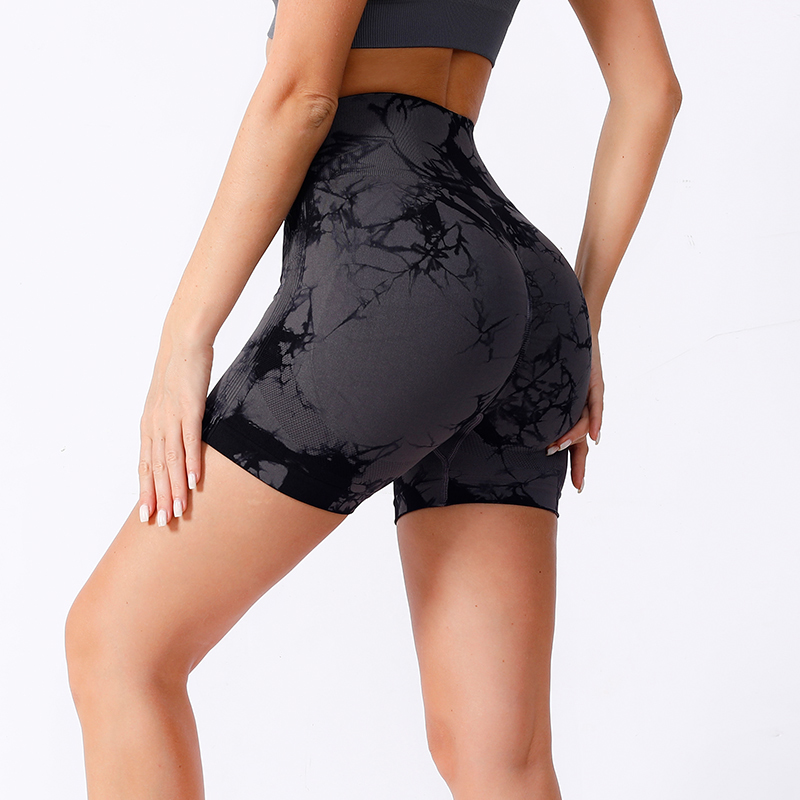
Lightweight fabric is usually noticed first by touch, yet the real difference starts much earlier in the structure of the material. The fibers are arranged in a way that keeps the cloth from feeling bulky, and the finished shorts sit closer to the body without creating extra weight. That lighter structure is one reason the shorts often feel easier to wear during long sessions.
In Lightweight Yoga Shorts, flexibility matters just as much as weight. The fabric needs to move with the body during bends, turns, and stretches, otherwise the material can feel restrictive even when it looks thin. A fabric that bends and returns smoothly tends to feel calmer during practice, especially when positions change often.
Surface feel also plays a role. Some materials glide smoothly over the skin, while others catch slightly during movement. In a warm room, that difference can affect how often the shorts need to be adjusted. A smoother surface usually creates less distraction, which helps the focus stay on movement rather than clothing.
Several qualities often show up together in lighter yoga fabric:
The way fabric is woven changes how air moves around the legs, hips, and skin during practice. Even when two shorts look similar from a distance, the weave can make one feel more open and the other feel more enclosed once the body starts heating up.
A tighter weave usually holds the structure together more firmly, which can help the shorts keep their shape during repeated movement. The tradeoff is that less space remains between fibers, so air does not pass through as freely. A more open weave creates better ventilation, though it may feel different in support and coverage.
During hot yoga, body movement creates small shifts in the fabric, and those shifts matter. As the legs move through standing poses, lunges, and transitions, the shorts lift and settle again, creating short pockets where air can move. That moving airflow helps carry away some of the heat that collects near the skin.
| Weave Style | Airflow Behavior | Practical Feeling |
|---|---|---|
| Tight weave | Less air movement | More stable, warmer feel |
| Balanced weave | Moderate air movement | Steady comfort during motion |
| Open weave | Easier air movement | Cooler feel, lighter sensation |
The same shorts can feel different depending on how long the body stays still and how often it shifts. That is why weave structure deserves attention when breathability matters.
Sweat changes the way fabric feels very quickly, and hot yoga creates the kind of setting where moisture can become part of the whole practice experience. Once the body starts warming up, fabric begins to collect moisture, spread it, and release it at its own pace.
A well-balanced material does not simply absorb sweat and hold it in one place. It allows the moisture to move through the fabric more evenly, which helps reduce the heavy, damp feeling that can appear during longer sessions. When moisture stays spread out rather than collecting in one area, the shorts usually feel more manageable.
Drying behavior matters just as much. In a warm room, fabric that dries at a steady pace tends to feel more comfortable because it does not stay wet against the skin for long. When drying slows down, the material can begin to cling, especially in poses where the body remains still and airflow is limited.
The moisture cycle often follows a familiar pattern:
When that cycle works smoothly, the shorts feel easier to wear over a longer practice. When the cycle slows, the fabric can feel warmer, wetter, and less comfortable before the class is finished.
Yoga practice moves between stillness and motion, and fabric reacts differently in each kind of position. A short burst of movement can create airflow and shift moisture away from the skin, while a still pose allows heat and sweat to settle more closely against the body.
During dynamic movement, Lightweight Yoga Shorts usually feel more responsive. The fabric moves with the legs, the material lifts slightly as the body changes position, and small gaps open and close around the skin. Those brief changes help release heat, which can make the shorts feel lighter in motion than in stillness.
Static poses create a different experience. Once the body stops moving, airflow slows down and fabric begins to rest in one position. In that moment, breathability depends more on the structure of the material itself. If the fabric keeps moisture moving well, comfort tends to stay more balanced. If the fabric holds heat close to the skin, the body notices the difference fairly quickly.
Pressure points also change from pose to pose. Sitting, folding, and kneeling all place different levels of contact on the shorts, and each contact point affects how air and moisture move. Comfort in hot yoga often comes from how well the fabric handles both motion and stillness without changing too sharply between the two.
A Sports Shorts Factory does not shape fabric behavior only through material choice. Small production details often decide how the shorts feel after sweat, movement, and repeated stretching begin to change the surface. A fabric may look simple when hanging on a rack, yet the way it is woven, cut, and stitched gives it a very different response once it is worn in a warm practice room.
One detail that matters a lot is the spacing of the fibers. When weaving stays even, air moves through the cloth in a steadier way and the shorts feel calmer against the skin. When weaving becomes less consistent, certain areas may feel tighter or warmer after a few rounds of movement. That difference is not always visible from the outside, although it shows up clearly during practice.
Seam placement also affects comfort more than many people expect. Thick seams or uneven stitching can press against the body when the hips bend or the thighs shift during poses. Cleaner seams allow the shorts to move more naturally, which matters when the body stays active for a long period. In a hot room, even a small seam issue can become noticeable after repeated transitions.
Factory finishing work shapes the final feel as well. Surface smoothing, edge trimming, and stitch consistency all contribute to how fabric sits on the skin. A pair of Lightweight Yoga Shorts with careful finishing usually feels more settled during movement because the cloth and seams do not compete with the body as much.
Fabric thickness changes the way heat stays near the skin, and that difference becomes easy to notice during hot yoga. Lighter cloth allows warmth to move away more quickly, while thicker material tends to hold heat closer to the body for a longer time. In a warm studio, that difference can decide whether the shorts feel calm or heavy after a while.
Lightweight Yoga Shorts often work better in hot practice because the reduced thickness gives heat a shorter path to leave the surface. When the body starts sweating, thinner fabric also feels less dense, which helps the skin stay less boxed in during still poses. Once movement begins again, the lighter structure allows air to pass more easily around the legs.
A thicker fabric can still feel useful in some training settings, yet during hot yoga it may hold warmth for too long. That extra warmth is not always pleasant when the room temperature already stays high. The body then has to handle both the exercise load and the trapped heat from the cloth.
| Fabric Build | Heat Release | Feel Comfort During Hot Practice |
|---|---|---|
| Thin and light | Heat leaves more quickly | Easier to wear over time |
| Medium thickness | Balanced heat movement | Steady feeling during sessions |
| Heavier fabric | Heat stays longer | Warmer and less airy feel |
The difference is not about one fabric being right for every workout. It is about how well the shorts match the actual heat level of the practice space.
At the start of a class, fabric usually feels light and easy to ignore. After some time passes, the situation changes. Sweat begins to collect, skin temperature rises, and movement becomes slower or more controlled. That is when the real behavior of Lightweight Yoga Shorts becomes easier to notice.
During extended practice, moisture gradually spreads through the fabric. If the material handles that moisture well, the shorts stay closer to their original feel, and the body does not feel surrounded by damp cloth. When moisture stays trapped, the fabric begins to cling, and the skin feels warmer because air has less room to move.
The feel of the shorts may also change as poses repeat. Fabric that felt smooth at the beginning can start to feel slightly heavier once sweat has worked into the fibers. That does not always mean the material is poor. It simply shows how fabric and body temperature keep affecting each other over time.
A few changes often appear during longer sessions:
These changes happen little by little. That is why long-session comfort is often more meaningful than how a garment feels during the first few minutes.
Fabric composition shapes how the shorts behave once the body begins to heat up. Some fibers allow sweat to move and spread faster, while others hold moisture a little longer before letting it leave the surface. During hot yoga, that difference becomes part of how breathable the shorts feel.
Natural and synthetic fibers do not behave the same way. Some feel soft and familiar against the skin, while others keep their shape better during repeated stretching. Blended materials often aim to balance those traits, giving the shorts a lighter feel while still supporting movement.
Stretch elements also matter. When fabric contains enough flexibility, it follows the body more closely without pulling too tightly. That flexibility can improve the way air moves around the skin during transitions, since the shorts shift slightly with each pose.
| Fabric Type | Moisture Movement | Feel During Hot Yoga |
|---|---|---|
| Softer fiber blend | Gentle and smooth | Comfortable for long wear |
| Stretch-focused blend | Moves with the body | Better for active poses |
| Light synthetic mix | Dries more quickly | Useful when sweat builds fast |
Breathability is not only about how open the cloth looks. It also depends on how the material behaves once sweat, heat, and movement begin working together.
Choosing Lightweight Yoga Shorts for hot yoga works best when the fabric matches the way the body actually moves. A pair that feels pleasant in a calm fitting room may behave differently once the room is warm and the practice continues for a while, so real use conditions matter more than appearance alone.
Room heat and airflow are usually the first points to notice. A warmer room with less air movement places more pressure on fabric breathability, while a space with better circulation gives the cloth a little more help. The same shorts can feel different simply because the surrounding air changes.
Practice style matters too. Some sessions include slow holds, where the body stays still and the fabric rests against the skin for a longer time. Other sessions include more transitions, which creates more movement and short bursts of airflow. A fabric that works well in one style may not feel the same in the other.
Comfort preference also has a place. Some people care more about a light, airy feel. Others want a slightly steadier fit that stays in place during motion. The choice often comes down to how the shorts feel after sweat starts building, not only how they feel at the beginning.
| Selection Point | What To Notice In Practice |
|---|---|
| Room condition | Heat level and airflow around the body |
| Movement style | Still poses versus active transitions |
| Sweat response | How fabric feels once moisture builds up |
| Personal preference | Light feel, steady fit, or balanced comfort |
When those factors line up with fabric behavior, Lightweight Yoga Shorts tend to feel more natural throughout the session and less distracting as practice goes on.
Copyright © Jinhua Yongxing Knitting Co., Ltd.
 Seamless Yoga Sets


 English
 русский
 Español