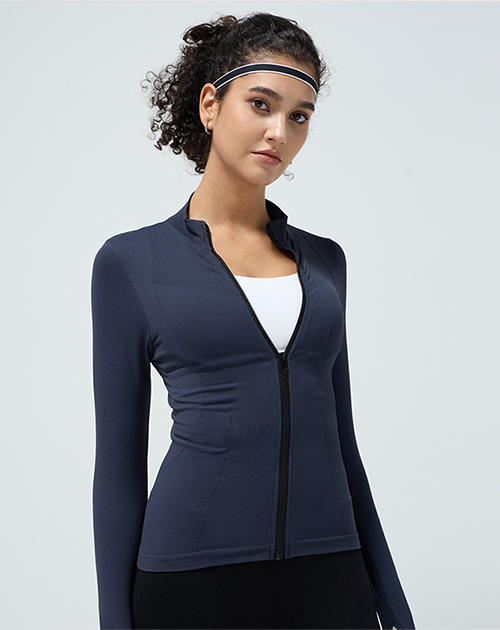
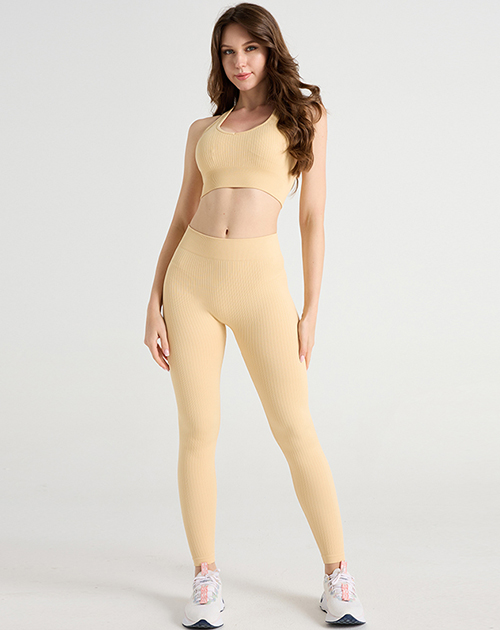
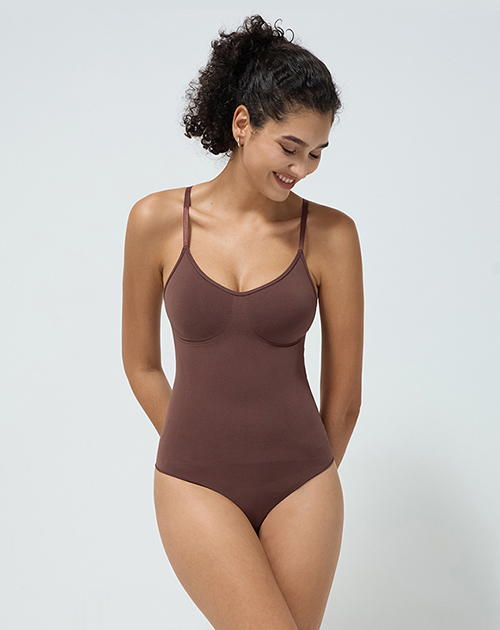
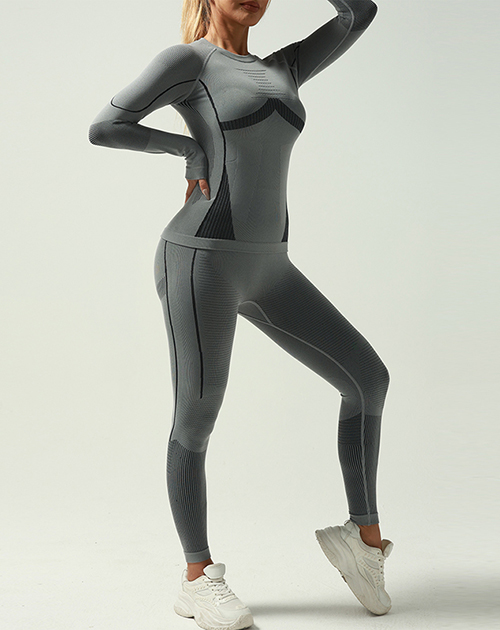
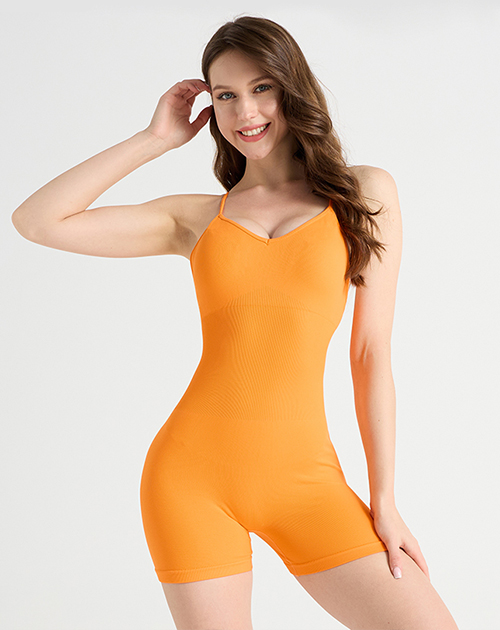
What happens to that sweat once it leaves the skin. A standard cotton shirt soaks it up like a towel, holding moisture against the body long after the effort that produced it has passed.
A Quick Dry Sports Shirt handles the same situation differently. The fabric pulls liquid away from the skin and spreads it across the outer surface. From there, the moisture evaporates into the surrounding air. The wearer stays drier, and the evaporative cooling effect works as nature intended rather than being blocked by a layer of wet cloth.
The structure of synthetic fibers makes this possible. Tiny gaps between the filaments create channels that draw moisture along the fabric surface through capillary action. The liquid moves from areas of higher concentration next to the body toward areas of lower concentration on the outside. The process continues automatically as long as sweat production continues.
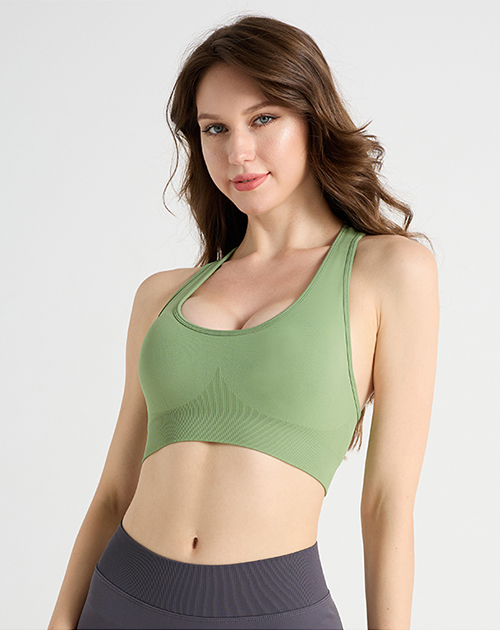
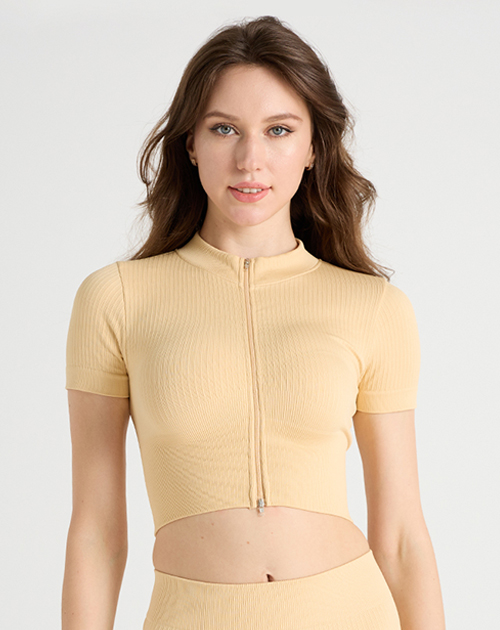
A Fitness Sports Suit designed with wicking in mind transforms the outdoor experience. The difference shows up within minutes. The shirt stays light. The skin stays dry. The discomfort that usually arrives halfway through a long hike never materializes.
Three outcomes follow from proper wicking:
For anyone who has endured the misery of a soaked cotton shirt on a cool mountaintop, the value of effective wicking requires no explanation.
Air movement through a fabric makes a measurable difference in how the body manages heat during physical exertion. A breathable garment lets warm, moist air escape from the skin surface while allowing cooler outside air to take its place. The exchange happens naturally, driven by differences in temperature and pressure.
The benefits become clear when activity levels change during a single outing. A steep section of trail generates plenty of internal heat, and breathable fabric lets that warmth dissipate rather than building up beneath the garment. When the pace slows or a rest stop arrives, the same airflow prevents overheating by allowing excess warmth to move away from the body.
Construction choices determine breathability levels. An open mesh design permits abundant airflow, making it suitable for intense effort in warm weather. A tighter weave restricts air movement but may offer advantages like wind resistance or better durability. A Quick Dry Sports Shirt balances these considerations to work across a range of outdoor conditions.
A garment that lacks breathability traps heat against the skin, which in turn triggers additional sweating in a futile attempt to cool down. This cycle of increasing discomfort continues until the activity stops or the garment comes off. Breathable fabric breaks that cycle by letting heat escape and reducing the body's need to produce more sweat.
The shape of the knit, the density of the weave, the thickness of the yarn—all these factors add up to a fabric that either breathes or suffocates. A well made shirt gets this balance right.
Fabric weight directly affects how quickly a garment dries after exposure to moisture. Lightweight materials hold less water because there is simply less fiber to absorb it. Less moisture means faster evaporation, and faster evaporation means the wearer spends less time in a damp shirt.
For outdoor use, a lightweight Quick Dry Sports Shirt offers several practical advantages:
Heavier fabrics retain more moisture and take correspondingly longer to shed it. The extended wet period allows evaporative cooling to continue, which can be welcome in hot conditions but becomes problematic when the temperature drops or the wind picks up. The choice between light and heavy comes down to expected conditions and the nature of the activity.
The methods used to achieve lightweight construction also affect other properties. A thin shirt may use finer yarns and looser knits, which boost breathability but may reduce resistance to abrasion and snagging. Manufacturers weigh these factors carefully to produce a garment that matches its intended use.
A shirt that weighs next to nothing packs down small and dries in a flash. One with more heft might stand up to rougher terrain and harsher weather. The right pick depends on where the trail leads.
The cross sectional shape of a synthetic fiber determines much about how moisture moves through the resulting fabric. Round fibers, common in basic polyester, allow liquid to travel along the fiber surface through wetting. More specialized shapes, such as channels or hollow cores, create dedicated routes that speed up moisture movement.
A fiber with a multi-channel profile offers more surface area for liquid transport than a round fiber of the same diameter. The channels act like tiny tubes, pulling sweat across the fabric more quickly. The improved transport cuts down the time moisture spends next to the skin.
Fabric construction also plays a part. Knitted structures leave gaps between loops that help both liquid and air move through the material. Woven structures, with their tighter yarn interlacing, offer less transport capability but may provide benefits like improved wind resistance.
The arrangement of yarns creates pathways that either help or hinder moisture flow. A fabric designed for fast drying uses a construction that maximizes open spaces and continuous routes for liquid movement. These design choices prioritize performance over appearance.
A Quick Dry Sports Shirt brings together fiber shape and fabric construction to hit the right moisture transport rate. The fiber type, yarn diameter, and knit pattern all contribute, and the way these elements interact determines how well the garment works outdoors.
Outdoor activities demand a full range of motion from the body. Clothing that restricts that motion gets in the way. Stretch properties allow a Quick Dry Sports Shirt to move with the wearer rather than against them.
The stretch comes from either the fiber or the construction. Elastane fibers, often blended with polyester, provide elongation and recovery. Knitted construction also adds natural give through the looped arrangement of the yarns.
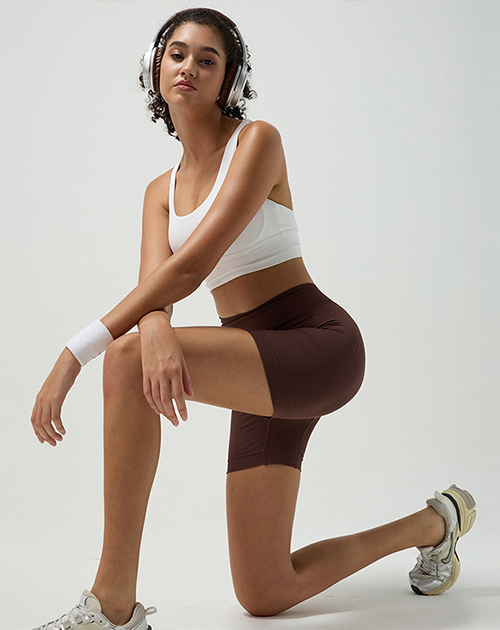
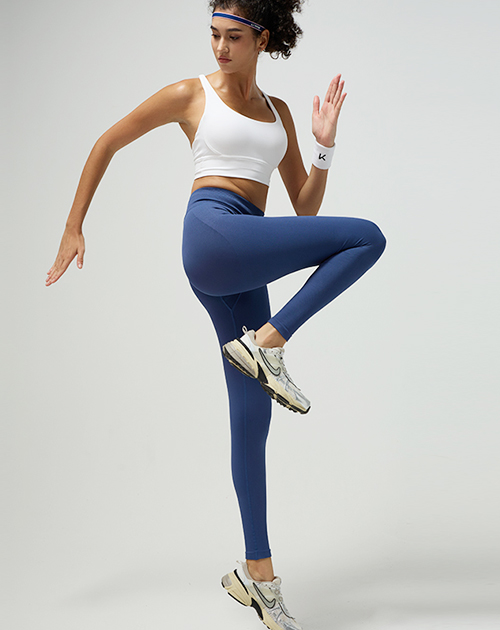
A Fitness Sports Suit with good stretch characteristics moves with the wearer during reaching, bending, and twisting. The fabric returns to its original shape after each movement, keeping the shirt's fit and function intact. The lack of restriction lets the wearer focus on the activity rather than on clothing that pulls or binds.
Proper fit, made possible by stretch, supports wicking performance. A shirt that fits well maintains consistent skin contact for efficient moisture transport. Too loose a fit creates gaps that reduce wicking effectiveness. Too tight a fit restricts movement and creates discomfort.
Some fabrics lose their elasticity after repeated washing. The shirt starts to sag, the fit goes off, and the performance suffers. A well made Quick Dry Sports Shirt keeps its stretch through the garment's useful life, outing after outing.
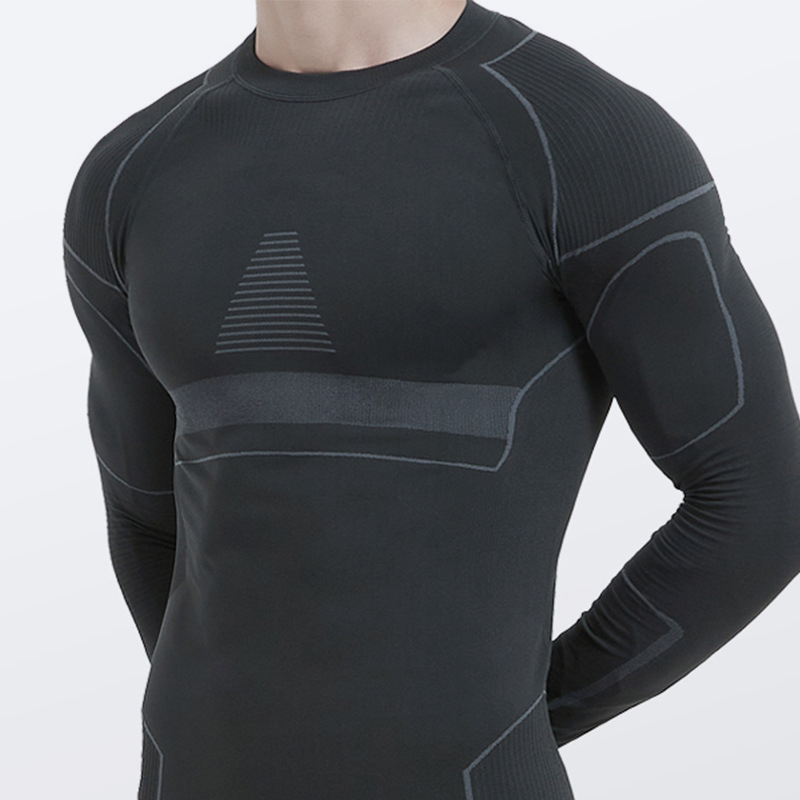
The outdoors tests clothing in ways that a gym never could. Branches reach out and grab at passing sleeves. Rocks scrape against shoulders and backs. Pack straps rub the same spots hour after hour. A Quick Dry Sports Shirt needs to handle all of this without falling apart.
Abrasion resistance separates shirts that last from shirts that don't. The fabric has to survive contact with vegetation, stone, and the constant friction of a loaded pack. Good synthetic fibers handle this wear better than natural ones, holding together through repeated exposure to rough surfaces.
Tensile strength matters too. A shirt that tears easily fails when it catches on a snag or gets pulled during a scramble. Strong yarns keep the fabric intact under stress, preventing the kind of rip that ends a shirt's useful life.
Pilling shows up as another durability issue. Friction breaks surface fibers, which tangle into small balls that make the fabric look old and feel scratchy. Longer fibers and tighter weaves resist pilling. Shorter, looser constructions give in more quickly.
Sun exposure takes its own toll on synthetics. Ultraviolet radiation gradually breaks down polymer chains, weakening the material and robbing it of elasticity. Good outdoor shirts include UV stabilizers in the fiber itself.
A well made Quick Dry Sports Shirt lasts for years of regular use. The initial purchase price spreads across many outings, and the shirt keeps performing as long as it stays intact.
Hours in the open mean hours under the sun. Trails above treeline, exposed ridges, and wide open slopes all deliver full UV exposure. Clothing provides some defense, but not all fabrics offer the same level of protection.
UPF ratings tell the story. A higher number means more UV radiation gets blocked. Synthetics generally outperform cotton in this regard. The weave density, fiber type, and any treatments all contribute to the final rating.
Some shirts lock UV absorbers into the fiber itself during manufacturing. This approach keeps the protection permanent—it won't wash out or fade. The active compounds become part of the material rather than sitting on the surface.
Other shirts depend on their physical structure for sun defense. Tight knits and dense weaves simply leave fewer openings for UV rays to slip through. The drawback is reduced breathability. More sun protection usually means less airflow.
The right level of UV protection depends on where the shirt will be worn. High altitude or tropical environments demand stronger blocking. Overcast climates or shaded trails need less. A Quick Dry Sports Shirt can serve either scenario with the right material choices.
A shirt that combines wicking, breathability, and sun protection covers several needs at once. Less gear to carry, less to think about, and more time to enjoy the outing.
| Feature | What It Does | Best For |
|---|---|---|
| Moisture Wicking | Moves sweat away from skin | Intense activity, warm weather |
| Breathability | Lets air pass through | Changing effort levels, temperature shifts |
| Lightweight Build | Holds less water, dries faster | Long outings, limited pack space |
| Fiber Channeling | Speeds up moisture movement | Heavy sweating, prolonged exercise |
| Stretch | Allows free motion | Activities with full body movement |
| Odor Treatment | Stops bacterial growth | Multi day trips, no laundry access |
| Abrasion Resistance | Withstands rough contact | Rocky trails, heavy pack use |
| UV Blocking | Shields skin from sun | High altitude, open exposure |
Outdoor clothing rarely works alone. A layering system places the base layer against the skin, insulation in the middle, and a shell on the outside for wind and rain. The Quick Dry Sports Shirt often fills the base layer role.
A base layer has specific jobs. It manages moisture. It helps regulate temperature. It feels good against the skin. Cotton fails all three tests. A well designed synthetic shirt handles each one.
The quick dry shirt pulls sweat away from the body and passes it outward to the next layer. That moisture then continues its journey through the system until it reaches the outside air. Evaporation happens across multiple layers rather than just one.
Layering also means adjustability. A quick dry shirt might stand alone on a warm afternoon. The same shirt becomes the inner layer when temperatures drop and an insulating piece goes on top. The moisture management works regardless of what sits above it.
A Fitness Sports Suit meant for layering usually fits close to the body. Extra fabric would bunch and wrinkle under other layers. A trim fit also makes the shirt easier to pull on and off when conditions change.
Copyright © Jinhua Yongxing Knitting Co., Ltd.
 Seamless Yoga Sets


 English
 русский
 Español