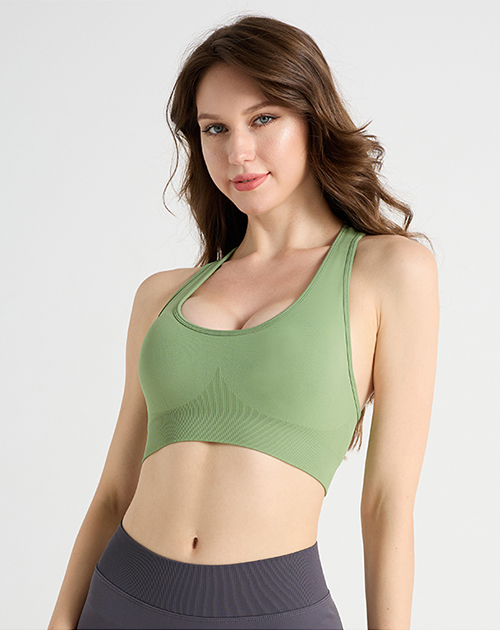
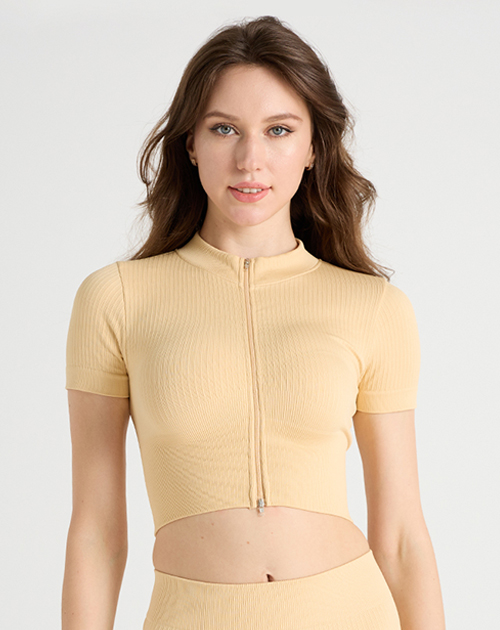
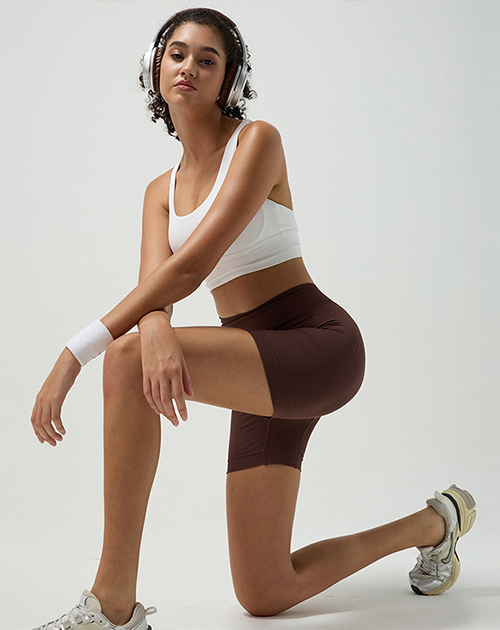
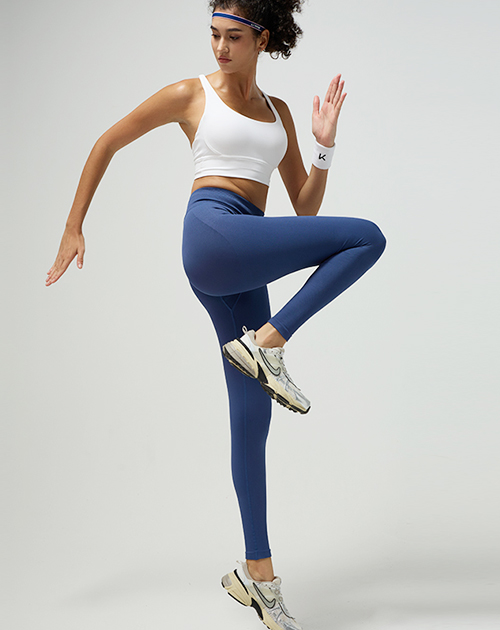
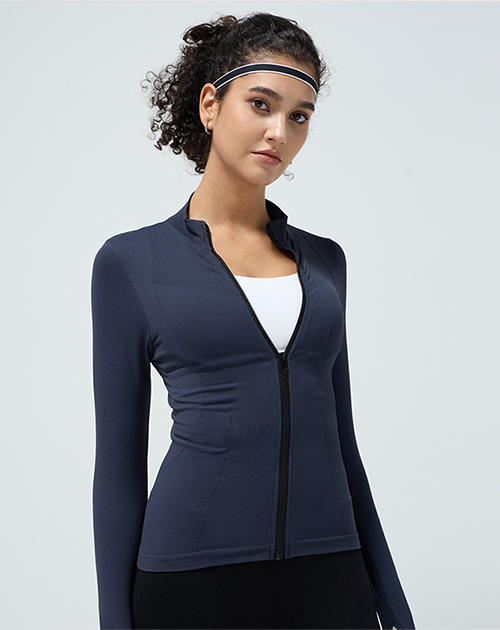
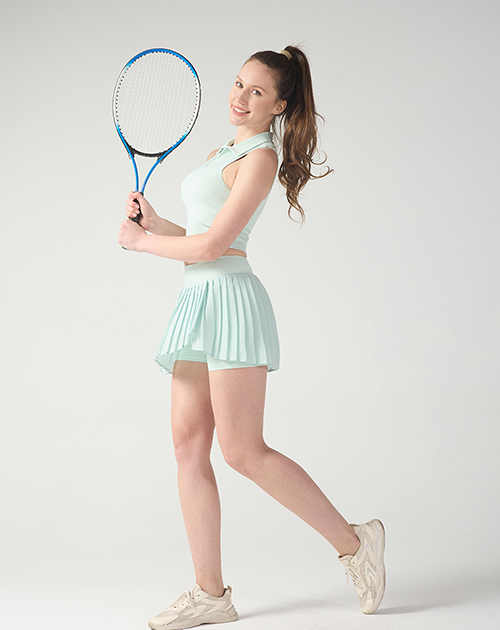
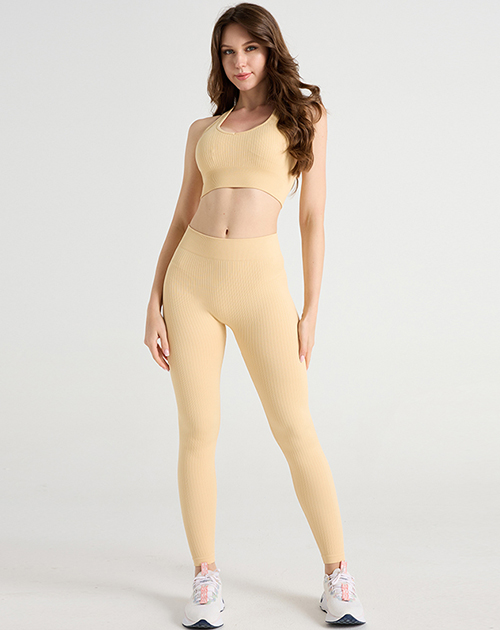
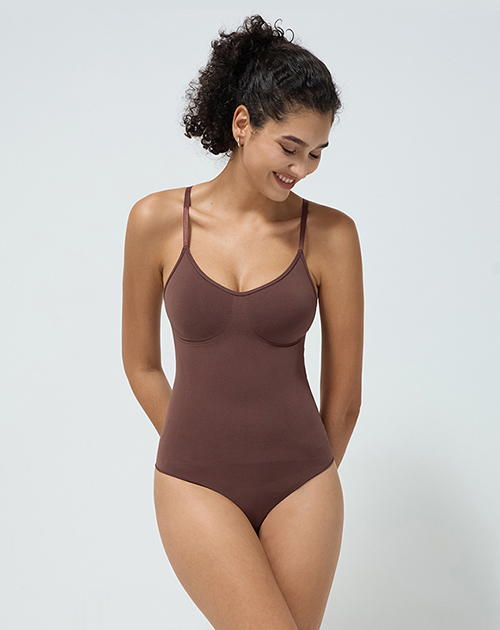
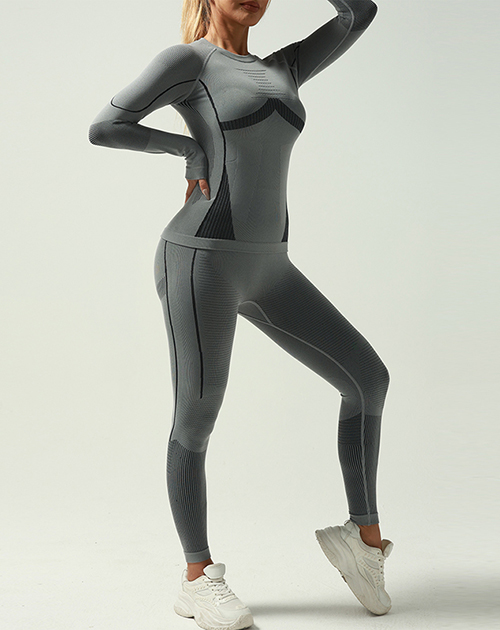
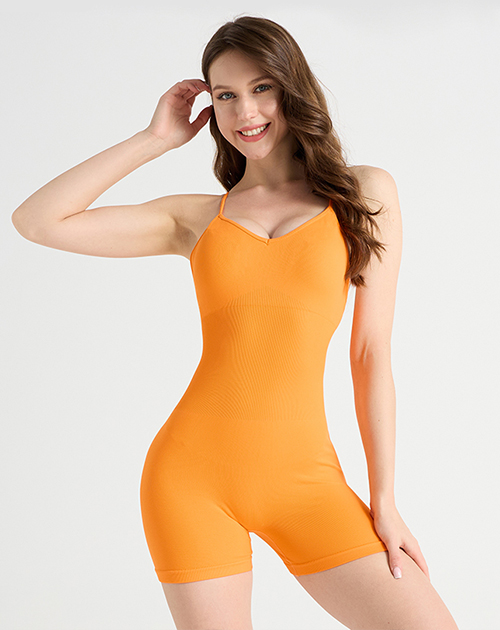
High activity exercise rarely stays in one steady pattern, since breathing rate rises, muscle groups switch between tension and release, and body temperature keeps climbing while movement continues. Clothing worn in such conditions becomes part of the same rhythm instead of sitting passively on the body surface. A Sweat Body Shaper works within that shifting environment by staying close to skin while following motion changes created during training, whether the activity involves running, resistance work, or fast directional movement.
Comfort in exercise does not come from a single point of control. Heat, sweat, and friction appear together, then change again within short moments as movement continues. A Fitness Body Shaper follows a similar principle, where structure and stretch are designed to move with the body rather than resist it, creating a steady contact condition across different activity levels without locking the body into a fixed feeling.
During continuous exercise, comfort often feels like a moving target, shaped by how fabric reacts to motion, how moisture spreads across skin, and how heat shifts from one area to another over time.
The structure of a Sweat Body Shaper usually relies on layered stretch material that responds differently depending on direction of force, meaning fabric may feel tighter during extension and slightly relaxed during return movement, while still keeping consistent contact with skin. That contact is never completely still, since every bend, twist, or step changes the way fabric sits against the body surface.
During repeated exercise cycles, pressure moves across different muscle areas, not staying in one place for long, which creates a shifting pattern where support follows movement rather than holding a rigid shape. Skin friction also changes during this process, especially once sweat begins to appear, since moisture alters how smoothly fabric moves across the surface.
In real activity conditions, fabric behavior often feels like a continuous adjustment process, where material keeps rebalancing itself around joints and active muscle zones while maintaining overall coverage without interruption.
As exercise continues, body temperature rises in a gradual and layered way, since different muscle groups produce heat at different speeds depending on workload and movement intensity. A Sweat Body Shaper remains in close contact with skin during this process, meaning heat does not simply pass outward, instead it interacts with fabric before moving into surrounding air.
Sweat appears as part of the body's natural response to cooling demand, although moisture does not spread evenly. Heavily used areas release sweat earlier, while less active zones remain relatively dry for longer periods. That uneven pattern creates small differences in how fabric feels across the body during movement.
Inside the garment, moisture is not static. It spreads slowly, moves through fabric layers, then releases into air during repeated motion, while heat shifts between retention and release depending on activity speed and airflow created by movement itself.
Compression inside a Sweat Body Shaper works through steady, low-level pressure that follows body shape rather than forcing it into restriction. As muscles expand and contract during exercise, fabric adjusts along with those changes, keeping contact without breaking alignment with movement.
Pressure does not remain identical across all regions, since active zones experience stronger engagement while other areas remain lighter, creating a pattern that follows muscle use instead of applying uniform force everywhere. That variation allows movement to feel supported without losing flexibility during fast or repetitive activity.
During longer exercise periods, compression often creates a sense of structure that stays consistent even as movement patterns shift between different intensity levels.
Airflow inside a Sweat Body Shaper depends mostly on motion, since each step, bend, or rotation slightly changes fabric spacing and allows small amounts of air to move between inner and outer layers. That movement does not stay constant, instead it rises and falls with exercise rhythm.
Sweat does not remain fixed in one location for long. It spreads slowly across fabric areas, moves away from high moisture zones, then shifts toward areas where evaporation happens more easily. This gradual movement helps prevent heavy buildup in a single spot.
Moisture behavior during exercise usually follows a repeating cycle: release, spread, transfer, then evaporation, with each stage influenced by body motion and airflow created during activity.
| Factor Area | Exercise Condition | Fabric Behavior |
|---|---|---|
| Fabric stretch | Continuous motion changes | Direction-based adjustment |
| Heat buildup | Rising activity level | Gradual spread across body |
| Sweat release | High workload zones | Slow redistribution through layers |
| Compression | Repetitive muscle use | Adaptive pressure following movement |
| Airflow | Motion-driven changes | Small ventilation shifts inside fabric |
Exercise movements rarely follow a straight or repeated path, since body direction changes constantly through running, bending, twisting, and sudden acceleration. A Sweat Body Shaper remains close to skin during those changes by returning to shape after each movement cycle while adjusting position slightly to follow body contours.
Stability comes from continuous adjustment rather than stiffness, meaning fabric stays aligned with movement without needing to resist it. During repeated activity, material shifts slightly across skin surface, then settles again in a balanced position as motion continues.
When exercise continues for a longer period, the body gradually reacts not only to movement itself, also to the constant presence of heat, sweat, and fabric contact that keeps changing in small ways during activity. A Sweat Body Shaper remains in direct contact with skin throughout these cycles, so comfort becomes something shaped step by step rather than staying fixed from the beginning.
As sweat increases, contact between skin and fabric slowly shifts across different zones of the body. Areas with stronger muscle activity tend to feel more humid, while regions with lighter movement often remain more stable. Friction does not stay constant either, since moisture changes how surfaces slide against each other during repeated motion. In longer sessions, comfort often depends on how gradual these changes feel instead of how strong they become.
When pressure, moisture, and heat move in a slow and balanced way, the body tends to settle into a steady rhythm where clothing feels less noticeable during movement, even though interaction is still ongoing.
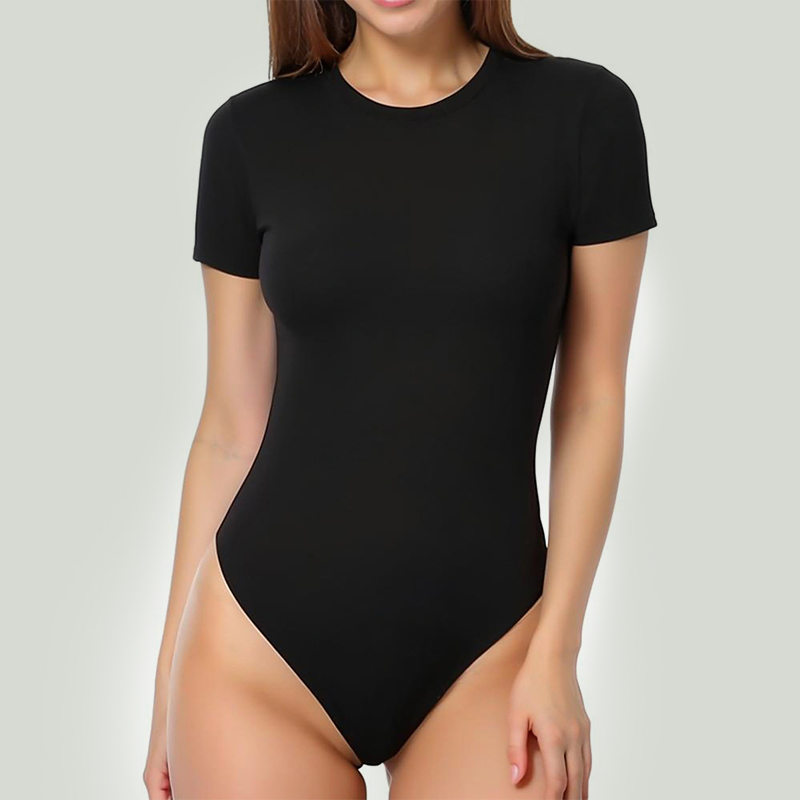
Exercise space has a direct influence on how fabric behaves during activity, even when the garment structure remains unchanged. Indoor environments usually keep airflow more controlled, which allows heat and moisture to move in a more even pattern across the fabric surface. Outdoor conditions introduce more variation, since air movement, temperature shifts, and activity surfaces change more frequently.
During steady indoor training, fabric response tends to follow a predictable rhythm, where sweat spreads and evaporates at a gradual pace. Outdoor movement creates a less stable pattern, where wind direction, pace changes, and terrain differences all influence how moisture leaves the fabric and how heat moves through it.
Typical differences during use include:
A Fitness Body Shaper often works within similar conditions, adjusting its response based on how movement interacts with surrounding environment rather than staying in a single fixed behavior pattern.
A Sweat Body Shaper and a Fitness Body Shaper follow similar design logic, since both rely on controlled elasticity and close contact with the body during movement, allowing fabric to adjust alongside muscle activity instead of resisting it. Differences appear more in emphasis rather than structure.
Sweat-oriented versions tend to interact more directly with moisture and heat buildup during longer or more intense sessions, while fitness-focused versions often stay centered on general support across mixed training patterns. Despite these differences, both types share a common idea of maintaining stability during continuous motion.
In real use, overlapping behavior often appears in areas such as:
Both remain part of the same movement environment, where clothing behavior is closely tied to physical activity rhythm rather than static appearance.
Long-term use introduces gradual change in fabric behavior, since repeated stretching, washing, and drying cycles influence how material responds during later wear. A Sweat Body Shaper depends on stable elasticity, so recovery after movement becomes an important part of maintaining consistent performance during exercise.
Cleaning does not only affect surface condition, also influences how fabric handles airflow and moisture during activity. When material stays free from residue buildup, air and sweat can move more easily through fabric layers, supporting more consistent comfort during exercise.
Over repeated use cycles, stable maintenance helps preserve:
Material stability is not only related to structure, also connected to how regularly fabric is maintained during repeated training use.
Comfort during high activity exercise does not remain fixed at any single point, since movement, heat, and sweat keep shifting together throughout the session. A Sweat Body Shaper interacts with all these elements at once, which means sensation changes gradually as activity continues rather than staying constant.
When fabric remains stable during motion, attention tends to move away from clothing, since the body focuses more on movement rhythm, breathing pattern, and muscle engagement. When adjustments happen smoothly, clothing becomes less noticeable even though interaction between skin and fabric continues.
Comfort perception during continuous activity is shaped by:
Over time, these elements form a steady background condition where clothing and motion operate together, supporting exercise without interrupting physical focus.
Copyright © Jinhua Yongxing Knitting Co., Ltd.
 Seamless Yoga Sets


 English
 русский
 Español